

Why Does My Car Smell Like Burnt Rubber? Catching a whiff of burnt rubber while driving is the kind of thing that makes you grip the wheel a little tighter. Your brain immediately starts running through worst-case scenarios.
The good news is that a car that smells like burnt rubber usually points to one of a handful of common, fixable issues.

A burnt rubber smell in your car is most often caused by a slipping serpentine belt, an overheating clutch, stuck brake calipers, an oil or fluid leak hitting hot engine parts, or debris trapped near the exhaust.
Electrical issues can also mimic a rubber smell if wiring insulation starts to overheat.
A burning smell is your car’s way of flagging that something is generating more heat or friction than it should.
Left unaddressed, minor issues like a loose belt can escalate into stalled accessories, brake failure, or even an engine fire.
Treat this smell as an early warning sign worth investigating the same day you notice it.
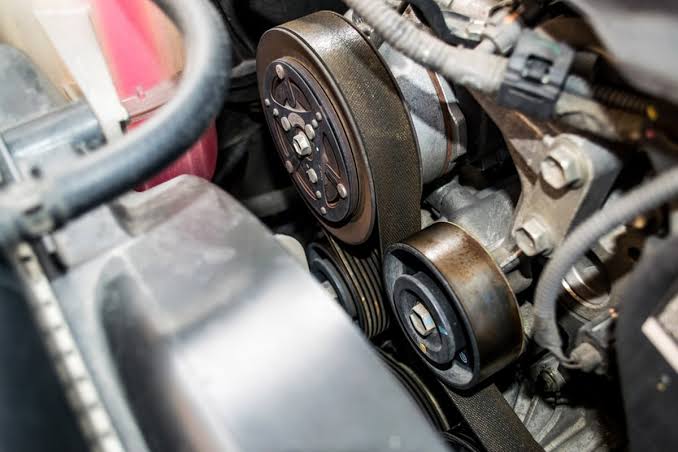
The serpentine belt powers key components like the alternator, power steering pump, and air conditioning compressor.
When it slips, cracks, or loses tension, it rubs against pulleys and generates friction heat that smells exactly like burning rubber.
You’ll often hear a squealing noise alongside the smell, especially when starting the engine or turning sharply.
If you drive a manual and smell burnt rubber while shifting, your clutch plate is likely overheating from wear or from “riding” the pedal.
This friction wears down the clutch material and produces a distinct burning smell, particularly in stop-and-go traffic or steep inclines.
Ignoring it can lead to full clutch failure, which is a far more expensive repair.
A caliper that won’t fully release keeps the brake pad pressed against the rotor even when you’re not braking.
This constant friction burns the pad material and can make the wheel noticeably hot to the touch.
You may also notice the car pulling slightly to one side or reduced braking performance.
Motor oil, transmission fluid, or coolant dripping onto a hot exhaust manifold can produce a smell close enough to burnt rubber to fool most drivers.
Check for puddles under the car, a burning smell that gets stronger after highway driving, or a drop in fluid levels.
Leaks left untreated risk overheating the engine or, in rare cases, sparking a fire.
Plastic bags, leaves, or other roadside debris can get lodged near the exhaust or engine and slowly melt or smolder.
This is one of the easiest causes to fix, since it usually just requires removing the debris once the engine has cooled.
It’s more common in fall and winter, when loose leaves and road debris are more likely to blow into the engine bay.
Wiring insulation is made of plastic and rubber-like coatings, which release a burning rubber smell when they overheat or short-circuit.
This is one of the more serious causes, since damaged wiring can be a fire hazard.
If you notice flickering lights, dimming electronics, or a burning smell with no clear mechanical source, get the electrical system checked immediately.
| Cause | Typical Trigger | Extra Warning Signs | Urgency |
|---|---|---|---|
| Slipping serpentine belt | Starting engine, sharp turns | Squealing sound | Moderate |
| Overheating clutch | Shifting gears, hills, traffic | Trouble shifting | Moderate to high |
| Stuck brake caliper | After heavy or downhill braking | Hot wheel, car pulling to one side | High |
| Fluid leak on hot parts | After highway driving | Visible puddles, low fluid levels | Moderate to high |
| Trapped debris | Random, no driving pattern | Smell fades once removed | Low |
| Electrical short | Random, may worsen over time | Flickering lights, dim electronics | High |
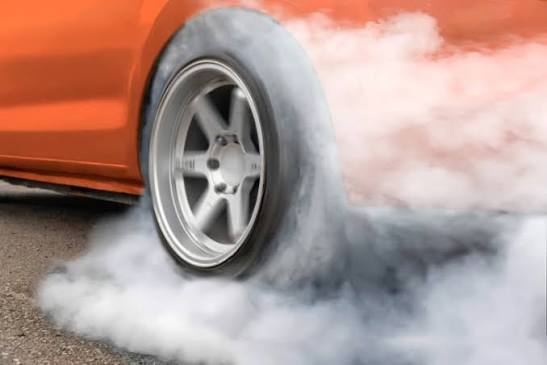
Acceleration puts extra strain on the serpentine belt and clutch, so a slipping belt or overheating clutch often shows up as a burnt rubber smell specifically under acceleration.
Highway driving generates sustained heat, which can cause fluid leaks or a worn belt to smell stronger than they would during short, slow drives.
It’s best to pull over and inspect the vehicle rather than keep driving, since many causes worsen with continued heat and friction.
It’s possible if a tire is rubbing against a wheel well or worn suspension part, but tires are actually one of the less common causes of this smell.
This usually points to a stuck brake caliper or worn brake pads creating excess friction against the rotor.
Belt replacement is generally an affordable repair compared to other engine issues, though exact pricing depends on your vehicle and labor rates in your area.
Yes, oil dripping onto a hot exhaust manifold or engine component can produce a smell very similar to burning rubber.
This is typically the clutch overheating, often from riding the pedal or from natural wear on the clutch plate over time.
It usually means wiring insulation is overheating or a component has short-circuited, which can be a fire risk if left unaddressed.
Stop-and-go traffic puts repeated stress on brakes, clutches, and belts, all of which can overheat more easily at low speeds.
Yes, items like plastic bags or leaves can get trapped near hot engine components and melt, creating a smell similar to burning rubber.
A brake-related smell usually appears after braking and comes with a hot wheel, while a belt-related smell often comes with a squealing noise at startup or during turns.
A quick visual check under the hood is safe once the engine has cooled, but any signs of smoke, sparks, or electrical issues should go straight to a professional.
Yes, fall leaves and winter road debris are more likely to get trapped in the engine bay, and summer heat can make belts and fluids more prone to overheating.
It might temporarily disappear once components cool down, but the underlying cause typically remains until it’s properly repaired.
A burnt rubber smell in your car is almost always traceable to a handful of usual suspects: a slipping belt, an overworked clutch, sticky brakes, a fluid leak, or trapped debris.
Catching it early and doing a quick, safe inspection can save you from a much bigger repair bill down the road.
If you can’t pinpoint the source yourself, getting a professional inspection sooner rather than later is always the safer call.