
Why does my left side hurt is one of the most common questions people search online — and for good reason. Left-side pain can range from harmless gas to a serious heart or kidney condition.
The organs packed into your left torso include the heart, spleen, kidney, pancreas, stomach, and colon. Each one can trigger very different types of pain.
Before asking “why does my left side hurt,” it helps to know what lives there. Your left side houses several vital organs — and pain can come from any of them.
Upper Left Side
Lower Left Side
Understanding the location of your pain — upper vs lower, front vs back — is the first step to narrowing down the cause.
A pulled muscle is the most common and least serious cause of left-side pain. It usually follows physical activity, heavy lifting, or an awkward twist.
Pain is sharp at first, worsens with movement, and stays close to the surface. There is no fever, nausea, or shortness of breath with a simple strain.
Rest, ice, and light stretching usually resolve it within a few days.
Trapped gas can cause surprisingly intense stabbing or cramping pain on the left side. It is one of the top reasons why does my left side hurt gets searched online.
Gas pain is usually temporary and moves around. Bloating, burping, and a feeling of fullness are common companions.
Avoiding carbonated drinks, eating slowly, and walking after meals can bring quick relief.
When stool builds up in the lower left colon, it creates pressure and cramping pain. This is one of the most overlooked causes of lower left abdominal discomfort.
Signs include hard stools, difficulty passing stool, and bloating. Increasing fiber and water intake usually resolves it within 1 to 2 days.
Kidney stones cause one of the most intense types of left-side pain. The pain often starts in the back or flank and radiates down to the groin.
It comes in sharp waves and may be accompanied by blood in urine, nausea, vomiting, and a frequent urge to urinate.
Seek medical evaluation immediately — some stones pass naturally, but severe cases need medical intervention.
A kidney infection causes deep, aching left-side flank pain — especially when the left kidney is affected. It feels different from a simple backache.
You will almost always have a fever, chills, painful urination, and cloudy or foul-smelling urine alongside the pain.
This requires prompt antibiotic treatment and should not be ignored.
Diverticulitis is one of the top causes of lower left abdominal pain, especially in adults over 40. It occurs when small pouches in the colon wall become inflamed or infected.
The pain is typically constant, located in the lower left, and often comes with fever, nausea, and changes in bowel habits.
Mild cases are treated with antibiotics, but severe diverticulitis may require surgery.
The pancreas sits behind the stomach on the left side. Inflammation of the pancreas causes steady, severe upper left or central abdominal pain.
The pain often radiates straight to the back and gets worse after eating. Nausea, vomiting, and fever are common signs.
This is a serious condition requiring hospitalization in many cases.
The spleen sits in the upper left abdomen and is part of your immune system. An enlarged spleen causes a dull ache or pressure in the upper left area.
A ruptured spleen — often from trauma — causes sudden, severe left-side pain that can be life-threatening. Pain may also radiate to the left shoulder.
A ruptured spleen is a medical emergency requiring immediate care.
Gastritis is inflammation of the stomach lining and is a frequent culprit of upper left-side pain. It causes a burning or gnawing sensation that often worsens after eating or during stress.
Stomach ulcers produce similar pain and may also cause nausea, bloating, and vomiting. Untreated ulcers can lead to serious complications like internal bleeding.
This is the most feared cause of left-side chest or upper body pain — and it deserves serious attention. Heart attack pain often presents on the left side of the chest and can radiate to the left arm, jaw, shoulder, or upper abdomen.
Do not try to drive yourself to the hospital. Call emergency services immediately if you suspect a heart attack.
Warning signs include crushing chest pressure, cold sweat, dizziness, and shortness of breath.
Pleurisy is inflammation of the lining around the lungs. It causes sharp left-side chest pain that gets noticeably worse when you breathe in.
Other lung-related causes include pneumonia and pulmonary embolism — a blood clot in the lung — which can cause sudden, severe left-side chest pain with shortness of breath.
Both require immediate medical attention.
For women, left-side pain often originates from the reproductive system. An ovarian cyst on the left ovary causes a dull ache or sharp pain in the lower left area.
A ruptured cyst causes sudden, intense pain. Ovarian torsion — when the ovary twists — is a surgical emergency with severe pain, nausea, and vomiting.
Ectopic pregnancy is another reproductive emergency that causes sharp lower left pain and requires immediate care.
An inguinal hernia occurs when tissue pushes through a weakened spot in the abdominal muscle. On the left side, this creates pain or a visible bulge, especially during coughing, lifting, or bending.
The pain can be dull and persistent or sharp during activity. Hernias typically require surgical repair and should be evaluated by a doctor.
Sciatica occurs when the sciatic nerve is compressed or irritated. The pain shoots from the lower back down the left leg and can be felt along the entire left side.
It is often described as burning, tingling, or electric. Poor posture and sitting for long periods are common triggers.
Shingles — caused by the reactivation of the chickenpox virus — can cause intense burning or stabbing left-side pain before any rash appears.
The pain is often described as skin sensitivity or a burning stripe across one side of the body. A blistering rash typically follows within a few days.
Antiviral medication works best when started early.
| Pain Location | Most Likely Causes | Urgency Level |
|---|---|---|
| Upper left chest | Heart attack, pleurisy, lung issues | HIGH — seek emergency care |
| Upper left abdomen | Spleen, gastritis, pancreatitis | MEDIUM to HIGH |
| Left flank / back | Kidney stones, kidney infection | MEDIUM to HIGH |
| Lower left abdomen | Diverticulitis, gas, constipation | LOW to MEDIUM |
| Lower left (women) | Ovarian cyst, ectopic pregnancy | MEDIUM to HIGH |
| Left side + leg | Sciatica, nerve pain | LOW to MEDIUM |
| Left side + skin rash | Shingles | MEDIUM |
Not all left-side pain is created equal. Some symptoms mean you need emergency care right now — not tomorrow, not after you sleep on it.
Call 911 or Go to the ER Immediately If You Have:
See a Doctor Within 24–48 Hours If You Have:
Women have a few unique causes of left-side pain that men do not experience. These are worth knowing separately.
Menstrual Cramps — Pain during menstruation commonly affects the lower left and lower right abdomen. It is usually crampy, comes in waves, and is expected.
Ovulation Pain (Mittelschmerz) — Some women feel a sharp or aching pain on the left side mid-cycle when the left ovary releases an egg. It lasts a few hours to a day.
Endometriosis — When tissue similar to the uterine lining grows outside the uterus, it causes chronic pelvic pain that can radiate to the left side and lower back.
Pelvic Inflammatory Disease (PID) — An infection of the female reproductive organs causes lower abdominal pain, abnormal discharge, and fever.
Ovarian Torsion — The left ovary twisting around its own ligament cuts off blood supply. This is a surgical emergency with sudden, severe pain and vomiting.
Men also have unique contributors to left-side pain that deserve mention.
Testicular Torsion — The spermatic cord twisting on the left side causes sudden, severe lower abdominal and scrotal pain. This is a medical emergency requiring surgery within hours to preserve the testicle.
Prostatitis — Inflammation of the prostate gland can cause deep pelvic and lower left-side discomfort, along with painful urination.
Epididymitis — Inflammation of the epididymis causes localized pain that can radiate into the lower left abdomen.
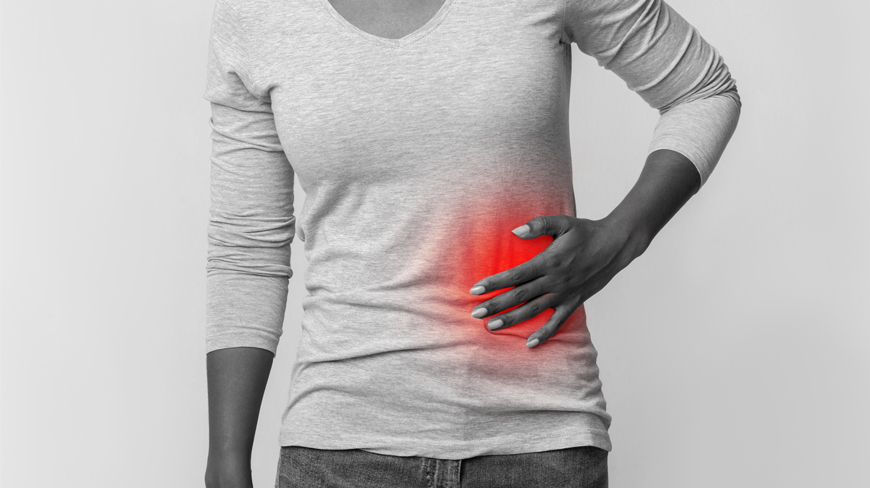
The character of your pain — how it feels — gives important clues about the underlying cause.
| Pain Type | What It May Indicate |
|---|---|
| Sharp, stabbing | Kidney stone, gas, pleurisy, nerve pain |
| Dull, constant ache | Kidney infection, diverticulitis, ovarian cyst |
| Burning | Gastritis, ulcer, shingles, nerve damage |
| Cramping, coming in waves | Gas, constipation, menstrual cramps, kidney stones |
| Pressure or tightness | Heart-related issues, pancreatitis |
| Pain that gets worse when breathing | Pleurisy, rib injury, pneumonia |
| Radiating or shooting pain | Sciatica, heart attack, kidney stones |
If you visit a doctor for left-side pain, they will work through a systematic evaluation. Understanding this process can help you communicate your symptoms more clearly.
Medical History — Your doctor will ask when the pain started, where exactly it is, what it feels like, and what makes it better or worse.
Physical Examination — They will gently press on different parts of your abdomen to check for tenderness, rigidity, or unusual masses.
Blood Tests — A complete blood count can detect infection or inflammation. Liver, kidney, and pancreatic enzyme levels give additional clues.
Urine Tests — Used to detect kidney infections, kidney stones, or urinary tract infections.
Imaging Studies — An ultrasound or CT scan is commonly ordered to visualize the organs. A chest X-ray helps if lung or heart causes are suspected.
ECG (Electrocardiogram) — Done immediately if a heart attack or heart-related cause is possible.
Not every episode of left-side pain requires a hospital visit. Mild, temporary pain — especially from gas, indigestion, or minor muscle strain — can often be managed at home.
For Gas and Indigestion: Walking after meals, avoiding carbonated drinks, using simethicone-based antacids, and applying gentle heat to the abdomen can help.
For Muscle Strain: Rest for 24 to 48 hours, apply ice for the first 24 hours, then switch to a heating pad. Gentle stretching after the acute phase helps recovery.
For Constipation: Increase water and fiber intake. A gentle walk stimulates the bowel. Over-the-counter stool softeners can help if needed.
For Mild Gastritis: Avoid spicy, acidic, or fatty foods. Eat smaller meals. Antacids or H2 blockers can reduce stomach acid and provide relief.
Home remedies are only appropriate for mild, short-term pain without any of the red-flag symptoms listed above.
Go to the ER Right Now if:
Call Your Doctor If:
You Can Monitor at Home If:
Stay Hydrated — Drinking enough water daily is one of the best ways to prevent kidney stones and constipation, two major causes of left-side pain.
Eat a High-Fiber Diet — A diet rich in fruits, vegetables, and whole grains reduces the risk of constipation and diverticulitis.
Maintain a Healthy Weight — Excess weight increases pressure on abdominal organs and raises the risk of pancreatitis and acid reflux.
Avoid NSAIDs Overuse — Regular use of ibuprofen and aspirin can damage the stomach lining and trigger gastritis or ulcers.
Do Not Smoke — Smoking increases the risk of pancreatitis, lung disease, and vascular conditions that contribute to left-side pain.
Lift Correctly — Bending at the knees and keeping your core engaged prevents muscle strains.
Get Regular Checkups — Many conditions that cause left-side pain — including kidney disease, diverticulosis, and ovarian cysts — are found during routine exams before they become serious.
Medical research confirms that left-side abdominal and chest pain is one of the most frequent reasons people visit emergency rooms. Studies show that digestive causes — including gas, constipation, and diverticulitis — account for the majority of non-emergency visits. Heart-related and kidney-related causes, while less common in raw numbers, carry far greater risk when left unaddressed.
The pattern of your pain — whether it is acute (sudden) or chronic (ongoing) — plays a significant role in diagnosis. Acute severe pain appearing out of nowhere almost always warrants immediate evaluation. Chronic, mild discomfort that fluctuates with diet or activity is usually a digestive or musculoskeletal concern.
Doctors are trained to approach left-side pain by organ system — ruling out the most dangerous causes first before moving to the more benign ones. This is why describing your pain accurately and completely to a healthcare provider matters so much.
Several everyday habits silently increase your risk of developing left-side pain conditions. Knowing these factors helps you make changes before problems start.
Poor Posture — Sitting hunched for hours strains the muscles along the spine and left side. This is one of the leading causes of chronic left-sided back and flank pain in office workers.
High-Sodium Diet — Excess sodium increases the risk of kidney stones, a major source of intense left-side pain. Reducing processed food intake significantly lowers this risk.
Sedentary Lifestyle — Lack of movement slows digestion, promotes constipation, and weakens core muscles. All of these contribute directly to left-side abdominal discomfort.
Stress and Anxiety — Chronic stress affects the digestive system through the gut-brain connection. It can trigger or worsen gastritis, IBS, and acid reflux — all of which cause left-side pain.
Alcohol Consumption — Heavy drinking is a leading cause of pancreatitis and gastritis, both of which produce significant left-side abdominal pain.
Making even moderate improvements in these lifestyle areas can meaningfully reduce how often you experience left-side pain and how severe it becomes.
Left-side pain that worsens when breathing usually points to pleurisy, a rib injury, or a lung condition like pneumonia. If it is severe or accompanied by shortness of breath, seek emergency care immediately.
Yes. Heart attack pain often appears in the left chest and can radiate to the left arm, jaw, neck, or upper abdomen. If you suspect a heart attack, call 911 right away — do not wait.
Tenderness in the lower left when pressed often indicates diverticulitis, gas, constipation, or a kidney issue. Persistent tenderness with fever needs prompt doctor evaluation.
Sharp stabbing left-side pain is most often caused by gas, kidney stones, pleurisy, or a pulled muscle. The suddenness and severity help determine how urgent the situation is.
Left-side pain in pregnancy can stem from round ligament pain (normal), constipation, or gas — but in early stages, it can indicate an ectopic pregnancy, which is a medical emergency.
Yes. A stone in the left kidney or left ureter causes intense, wave-like left flank pain that radiates to the groin. Blood in urine and nausea often accompany it.
Left-side pain after eating is often linked to gastritis, stomach ulcers, pancreatitis, or gas. If severe or persistent after every meal, see a doctor for proper diagnosis.
No. Most cases are caused by gas, indigestion, muscle strain, or constipation — all minor and self-limiting. However, pain with fever, chest pressure, or vomiting always needs evaluation.
Women can experience left-side pain from ovarian cysts, ovulation, endometriosis, pelvic inflammatory disease, or ovarian torsion — a surgical emergency requiring immediate care.
If mild left-side pain does not improve within 48 hours, or if it is accompanied by any concerning symptoms at any point, see a doctor rather than continuing to wait.
Why does my left side hurt is a question with dozens of possible answers — and now you know the most important ones.
The left side of your body is home to critical organs, and pain in this area should never be dismissed without thought. Most cases turn out to be minor issues like gas, a pulled muscle, or indigestion that resolve with simple home care.
But the warning signs covered in this guide — sudden severe pain, chest pressure, fever, blood in urine, or pain during pregnancy — should always prompt immediate medical attention.
Use the tables and symptom guides here to help assess your situation quickly. Know your body, recognize the red flags, and do not hesitate to seek professional help when left-side pain feels wrong. Early evaluation and diagnosis almost always lead to faster recovery and better outcomes in 2026 and beyond.