
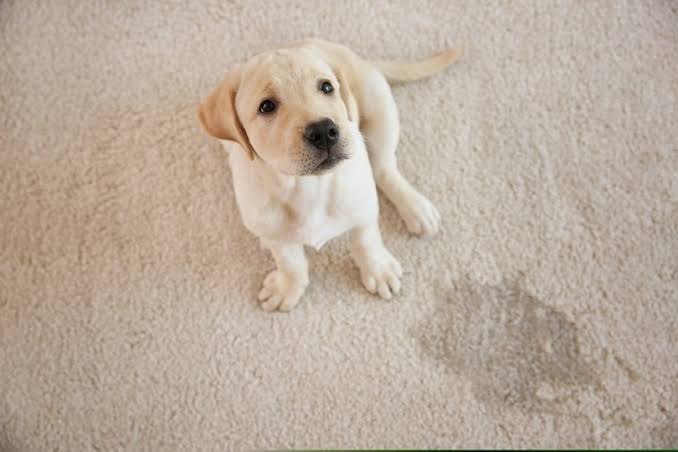
Why does my dog lick the carpet? Most of the time it’s simple curiosity, like chasing the smell of dropped food or exploring an interesting texture.
But when the licking becomes frequent, intense, or hard to interrupt, it can point to something deeper, like anxiety, boredom, nutritional gaps, dental pain, or an underlying gastrointestinal problem.
Vets even have a name for this pattern: excessive licking of surfaces, or ELS. In many documented cases, ELS is linked to stomach issues rather than pure behavior.

Licking is a completely normal part of a dog’s behavior repertoire. Dogs use it to explore their environment, communicate, and clean themselves.
In the wild, canines lick surfaces to investigate scents, locate food, and even clean their living space, so some carpet licking is instinctive.
The difference between normal licking and a problem is frequency and intensity. Occasional licking is natural; constant or obsessive licking is not.
There isn’t one single explanation for carpet licking. It usually falls into one of several categories: sensory, behavioral, or medical.
The most obvious and harmless reason is that your dog smells leftover food, crumbs, or spilled liquid on the carpet fibers.
This kind of licking is typically short-lived and stops once the scent fades or the area is cleaned thoroughly.
Dogs can develop cravings for tastes or nutrients missing from their regular diet, which sometimes leads them to lick unusual surfaces like carpet.
If your dog’s diet lacks proper balance of protein, fiber, or minerals, a vet-recommended food change may reduce this behavior.
High-energy dogs that don’t get enough physical or mental exercise often turn to repetitive behaviors like carpet licking to fill the time.
Puzzle toys, daily walks, and interactive play can significantly reduce boredom-driven licking in most dogs.
Just like humans might bite their nails, dogs often lick repetitively as a self-soothing behavior when they feel anxious or stressed.
This is sometimes called psychogenic licking, and it tends to increase during triggers like separation, loud noises, or changes in routine.
ELS is a clinical term used when a dog licks carpets, floors, walls, or furniture far more than normal, often without an obvious cause.
Research has linked ELS strongly to gastrointestinal problems, meaning it’s often a physical issue rather than a pure behavior quirk.
Dogs with gastritis, acid reflux, or other stomach issues may lick surfaces to relieve nausea, sometimes right before or after vomiting.
If licking happens around mealtimes or is paired with burping, gulping, or grass-eating, a stomach issue is a likely culprit.
Gum disease, loose teeth, or mouth injuries can cause discomfort that leads to excessive licking, drooling, or difficulty chewing.
Bad breath, pawing at the mouth, or reduced appetite alongside licking are strong signs of a dental problem worth checking.
Cleaning chemicals or residue on the carpet can taste appealing to some dogs but may cause nausea, leading to more licking as a response.
If you suspect your dog ingested a toxic substance, contact your vet or an animal poison control hotline immediately.
Pica in dogs is a condition where they seek out and try to eat non-edible objects, sometimes starting with licking before progressing to chewing or swallowing carpet fibers.
This can be dangerous, as ingested carpet fibers may cause intestinal blockages requiring emergency surgery.
Often compared to dementia in humans, CCD in older dogs can cause repetitive behaviors, including excessive licking of surfaces like carpet.
Other signs include disorientation, changes in sleep patterns, and reduced responsiveness to their name or commands.
In rare cases, brain tumors, seizures, or nervous system disorders can cause involuntary licking that a dog can’t easily be redirected from.
If licking is paired with fly-biting, disorientation, or unresponsiveness to their name, a vet visit is strongly recommended.
Some medications increase hunger (a condition called polyphagia), which can cause dogs to lick or even try to chew on carpet out of increased appetite.
If this behavior started after a new prescription, mention it to your vet, as a dosage or medication change may help.
The table below summarizes the most common causes of carpet licking, how serious each typically is, and whether a vet visit is recommended.
| Cause | How Common | Vet Visit Recommended |
|---|---|---|
| Food Smell/Residue | Very Common | No |
| Boredom | Common | No |
| Anxiety/Stress | Common | Sometimes |
| Nutritional Deficiency | Moderate | Sometimes |
| Gastrointestinal Issues (ELS) | Common | Yes |
| Dental Pain | Moderate | Yes |
| Pica | Less Common | Yes |
| Canine Cognitive Dysfunction | Less Common (Senior Dogs) | Yes |
| Neurological Issues | Rare | Yes, Urgently |
| Medication Side Effects | Moderate | Yes |
If your dog’s licking falls into the “Yes” category consistently, don’t wait, since several of these causes involve real physical discomfort.
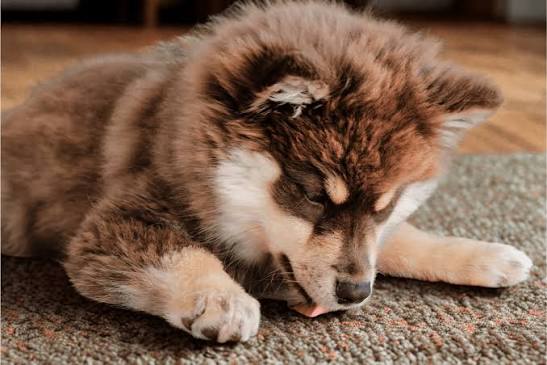
ELS is the veterinary term for dogs that lick surfaces like carpets, floors, walls, or furniture far more than what’s considered normal exploratory behavior.
It’s not about occasional curiosity. It’s about frequency, duration, and intensity that goes well beyond investigating a smell or texture.
A study from the University of Montréal Veterinary Teaching Hospital looked at 29 dogs, 19 of which displayed ELS behavior.
Of those 19 dogs with ELS, 14 were found to have an underlying gastrointestinal problem, including irritable bowel issues, parasites, or pancreatitis.
After treating the stomach issues, most dogs showed major improvement. Ten had substantially reduced licking, and nine stopped the behavior completely within 90 days.
This research strongly suggests that persistent carpet licking often has a real medical root cause rather than being purely behavioral.
Certain patterns and accompanying symptoms suggest carpet licking is linked to a medical issue rather than harmless curiosity.
If you notice two or more of these signs alongside carpet licking, a veterinary visit is strongly recommended.
A vet visit typically starts with a full history, including when the licking started, how often it happens, and its relation to meals.
They may recommend blood tests, imaging, or a gastrointestinal workup to check for ulcers, parasites, pancreatitis, or other digestive issues.
If a medical cause is ruled out, your vet may refer you to a veterinary behaviorist to address anxiety or compulsive licking patterns.
Keeping a simple log can make your vet visit far more productive and help pinpoint the exact trigger faster.
This information helps your vet distinguish between a behavioral pattern and a medical issue much more efficiently.
If your vet rules out medical causes, these behavioral strategies can help reduce or eliminate carpet licking driven by boredom or stress.
Daily walks, runs, or active playtime help burn excess energy that might otherwise be channeled into repetitive licking behaviors.
Puzzle toys, treat-dispensing toys, and training sessions keep your dog’s mind engaged and reduce the urge to lick out of boredom.
Offer a frozen treat-filled toy or chew when you notice licking starting. This gives your dog a healthier outlet for the urge.
Identify what situations trigger licking, such as being left alone or loud noises, and work on gradual desensitization or calming techniques.
Dogs thrive on predictability. A consistent schedule for meals, walks, and playtime can reduce stress-related licking behaviors significantly.
For persistent anxiety-driven licking, a certified veterinary behaviorist can create a tailored training and, if needed, medication plan.
If nutritional deficiency is suspected, reviewing your dog’s diet with your vet can help identify and correct any gaps.
| Nutrient | Role in Diet | Good Sources |
|---|---|---|
| Protein | Muscle and energy support | Chicken, fish, beef, eggs |
| Fiber | Digestive health | Pumpkin, sweet potato, oats |
| Fat | Energy and coat health | Fish oil, chicken fat |
| Minerals | Overall bodily function | Balanced commercial dog food |
A vet-approved, balanced diet is usually the safest way to rule out nutritional causes rather than guessing at supplements on your own.
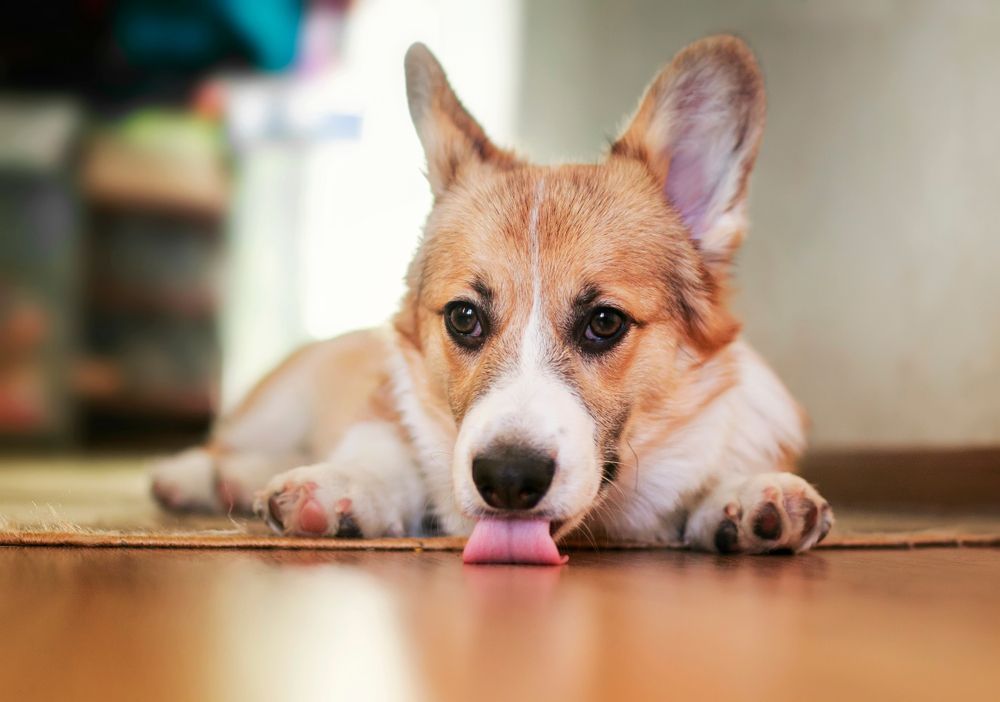
Ignoring persistent carpet licking isn’t just a missed opportunity to fix a quirky habit, it can also lead to real physical risks.
Carpets can harbor cleaning chemicals, dust, mold, or other residues that may cause stomach upset or toxicity if licked or ingested regularly.
If licking progresses to chewing and swallowing carpet fibers, it can create a dangerous intestinal obstruction requiring emergency surgery.
If the root cause is a stomach ulcer, dental disease, or another medical issue, delaying treatment can allow the condition to worsen significantly.
Older dogs face some unique causes for carpet licking that are less common in younger, healthier dogs.
CCD is essentially dementia in dogs, and it can cause repetitive behaviors like licking, along with disorientation and disrupted sleep cycles.
Senior dogs are more prone to dental decay and gum disease, which can make licking a response to chronic mouth discomfort.
Some medications commonly prescribed to older dogs increase appetite, sometimes leading to licking or attempted chewing of surfaces like carpet.
If your senior dog suddenly starts licking the carpet, a full veterinary check-up is the safest first step rather than assuming it’s just aging.
It helps to understand how carpet licking compares to other repetitive behaviors dogs display, since they often share similar root causes.
| Behavior | Common Trigger |
|---|---|
| Carpet/Surface Licking | Anxiety, GI issues, boredom |
| Paw Licking (Acral Lick Dermatitis) | Anxiety, allergies, skin irritation |
| Tail Chasing | Boredom, compulsive disorder |
| Air Licking/Fly-Biting | Nausea, neurological issues |
| Excessive Grooming | Stress, skin conditions |
If your dog shows more than one of these behaviors together, it strengthens the case for a full veterinary evaluation rather than addressing each in isolation.
Some situations call for prompt veterinary attention rather than waiting to see if the behavior resolves on its own.
Acting quickly in these cases can prevent a minor issue from becoming a more serious medical emergency.
Understanding your own dog’s unique patterns, triggers, and history is the best tool you have for catching problems early and keeping them comfortable.
While any dog can develop carpet licking habits, certain breeds and life stages seem more prone to specific triggers.
Breeds like Border Collies, Huskies, and Labradors need significant daily exercise. Without it, they’re more likely to develop repetitive behaviors like licking.
Some breeds are naturally more prone to anxiety, including German Shepherds and small toy breeds, making them more susceptible to stress-related licking.
Puppies often lick and explore surfaces as part of normal development. This usually decreases with age and proper training, unlike ELS in adult dogs.
As covered earlier, senior dogs face unique triggers like cognitive dysfunction and dental disease that can increase licking behavior later in life.
Several misconceptions surround this behavior. Clearing them up can help owners respond appropriately instead of over- or under-reacting.
While some dogs do lick out of simple curiosity, research shows a strong medical link in many persistent cases, especially involving the stomach.
Anxiety is one cause among many. Nutritional gaps, dental pain, and gastrointestinal issues are equally common explanations worth ruling out.
Punishing licking can increase stress and worsen anxiety-driven behavior. Positive redirection and addressing the root cause work far better.
Occasional licking after a spill or during exploration is completely normal and doesn’t require medical intervention on its own.
Since food residue and chemical scents are common triggers, proper carpet care can help reduce your dog’s motivation to lick.
A cleaner carpet not only reduces licking triggers but also protects your dog from ingesting potentially harmful cleaning residues.
Beyond addressing an existing habit, a few proactive steps can help prevent carpet licking from developing or returning in the first place.
Consistency in these areas goes a long way toward preventing both boredom-driven and anxiety-driven licking behaviors from taking hold.
It’s often due to food smells, boredom, anxiety, or an underlying gastrointestinal issue. Frequent, intense licking usually points to a medical cause.
Yes, it can be a self-soothing behavior when dogs feel stressed, especially if it increases during specific triggers like being left alone.
Yes, research shows a strong link between excessive surface licking and gastrointestinal issues like gastritis, ulcers, or pancreatitis.
No, occasional licking, especially after a food spill, is normal exploratory behavior and not a cause for concern.
ELS stands for excessive licking of surfaces. It describes dogs that lick carpets, floors, or furniture far more than typical exploratory behavior.
Yes, dogs lacking physical or mental stimulation often develop repetitive habits like carpet licking to occupy their time and energy.
Vets typically review your dog’s history, may run blood tests or imaging, and rule out gastrointestinal, dental, or neurological causes.
Yes, senior dogs may lick more due to canine cognitive dysfunction, dental disease, or medication side effects affecting appetite.
Yes, swallowing carpet fibers can cause a serious intestinal blockage that may require emergency veterinary surgery to resolve.
Address any medical cause first, then increase exercise, provide mental stimulation, and redirect licking to a safe chew toy or treat.
Why does my dog lick the carpet is a question with more depth than most owners expect. While occasional licking is completely normal, frequent or intense licking is often the body’s way of signaling something else is going on, whether that’s boredom, anxiety, or a gastrointestinal issue like gastritis or ulcers.
Research consistently shows that many dogs with excessive licking of surfaces also have an underlying stomach problem, and treating that issue often resolves the behavior.
Left unaddressed, persistent carpet licking can also lead to real risks like toxin exposure or intestinal blockage from swallowed fibers.
If your dog’s licking is frequent, paired with other symptoms, or simply feels different from their usual behavior, a veterinary visit is the safest and smartest next step. Identifying the true root cause early leads to faster relief for your dog and lasting peace of mind for you.