

Why does my eyes hurt is a question almost everyone asks at some point, whether after a long day at the computer or out of nowhere. Eye pain can range from a mild gritty feeling to a sharp, throbbing ache that makes it hard to focus.
Most causes are minor and resolve with rest or simple home care, but some symptoms signal something that needs a doctor’s attention right away.
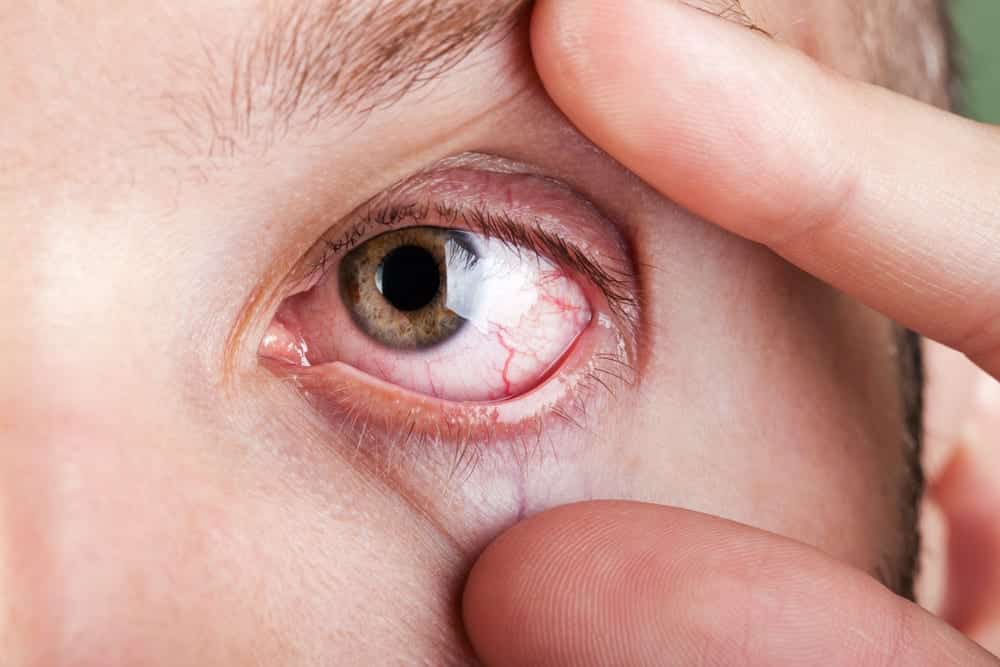
Eye pain, sometimes called ophthalmalgia, can affect almost any part of the eye. This includes the eyelid, the white of the eye, the cornea, or even the socket around it.
People describe eye pain in many different ways: gritty, burning, stabbing, throbbing, or a dull pressure pushing from inside the eye.
Being able to describe exactly how and where your eye hurts can help a doctor narrow down the cause much faster.
Mild eye discomfort, like the tired feeling after a long day of screen use, usually improves once you rest or close your eyes for a while.
More serious eye pain tends to be intense, doesn’t go away with rest, and often shows up alongside other symptoms like blurred vision or nausea.
Table 1: Mild vs. Serious Eye Pain
| Feature | Mild Eye Pain | Serious Eye Pain |
|---|---|---|
| Onset | Gradual, after screen use or fatigue | Sudden or rapidly worsening |
| Duration | Improves with rest | Persists or worsens over time |
| Other symptoms | Usually none | Vision changes, nausea, headache |
| Action needed | Home care | Prompt medical evaluation |
If your pain fits the “serious” column, don’t wait it out. Contact an eye doctor or seek urgent care as soon as possible.
Digital eye strain, also called computer vision syndrome, is one of the most common reasons people search for why their eyes hurt.
It happens when your eyes get overworked from staring at screens for extended periods, especially with poor lighting or an outdated prescription.
Symptoms often include dull aching, blurry vision, dryness, and headaches after long stretches of reading or screen work.
Taking regular breaks and following the 20-20-20 rule, looking at something 20 feet away every 20 minutes for 20 seconds, can significantly ease this strain.
Dry eye occurs when your eyes don’t produce enough tears, or when tears evaporate too quickly to keep the surface comfortable.
This often causes a gritty, burning, or stinging sensation, and surprisingly, dry eyes can sometimes feel watery too.
Hydrating eye drops are the most common first step, with prescription options available if symptoms are more persistent.
Conjunctivitis is inflammation of the conjunctiva, the thin membrane covering the white of the eye, and it’s one of the most talked-about causes of sore, red eyes.
Viral conjunctivitis is highly contagious and usually causes watery, red, burning eyes, often spreading quickly in schools or shared spaces.
Bacterial conjunctivitis may need antibiotic drops, while allergic conjunctivitis often responds well to antihistamine eye drops or oral medication.
A corneal abrasion is simply a scratch on the clear front surface of your eye, and it can happen surprisingly easily, even while rubbing your eyes.
Foreign objects like dust, sand, or an eyelash can also cause sharp discomfort until they’re removed or flushed out with water or artificial tears.
Most corneal abrasions heal within a few days with antibiotic drops, but they should still be checked to prevent infection.
Blepharitis is inflammation of the eyelids, often caused by clogged oil glands at the base of the eyelashes.
It can cause redness, swelling, and a burning or sore sensation along the eyelid margin, sometimes appearing suddenly.
Warm compresses and proper eyelid hygiene are the typical first line of treatment, alongside any drops your eye doctor recommends.

A stye is a tender, painful bump that develops on the edge of the eyelid due to an infected oil gland.
It can make the eyelid feel sore to the touch and slightly swollen, though it usually stays limited to one small area.
Warm compresses several times a day typically help a stye resolve on its own within a few days to a week.
Since the sinuses sit close to the eyes, sinus pressure or infection can easily radiate pain around and behind the eyes.
This type of pain often comes with nasal congestion, facial pressure, and sometimes a mild fever alongside the eye discomfort.
Treating the underlying sinus infection, often with decongestants or antibiotics if bacterial, typically relieves the eye pain as well.
Migraines can cause sharp pain in or behind the eyes, often on just one side, along with light sensitivity and nausea.
This pain isn’t caused by an eye problem directly but by the nerve pathways involved in migraine headaches.
Managing migraine triggers and working with a doctor on prevention or treatment can also reduce the associated eye pain.
Wearing contact lenses longer than recommended, sleeping in them, or using dirty lenses is a common and preventable cause of eye pain.
This misuse can lead to irritation, redness, light sensitivity, and in more serious cases, corneal infections known as keratitis.
Following your eye doctor’s wear schedule and replacing lenses on time is the simplest way to avoid this entirely.
Glaucoma refers to a group of eye conditions where fluid builds up inside the eye, increasing pressure on the optic nerve.
Most forms of glaucoma have no early symptoms, which is why regular eye exams matter even without noticeable pain.
Acute angle-closure glaucoma is different: it causes sudden, severe pain, nausea, vomiting, and blurred vision, and requires emergency treatment to protect vision.
Iritis and uveitis both involve inflammation inside the eye, often from trauma, infection, or immune-related conditions.
Symptoms typically include eye pain, redness, light sensitivity, and blurred vision that can worsen without treatment.
Because these conditions can threaten vision if untreated, they need evaluation and treatment from an eye doctor.
Optic neuritis is inflammation of the optic nerve, the pathway connecting the eye to the brain.
It typically affects one eye and can cause vision loss or blurriness along with pain that worsens when moving the eye.
This condition is sometimes linked to multiple sclerosis and needs prompt evaluation to help protect long-term vision.
Physical trauma to the eye, from a poke, scratch, or impact, is a straightforward but serious cause of eye pain.
Even seemingly minor trauma can lead to complications like iritis or a corneal injury if not properly checked.
Any eye injury involving significant pain, bleeding, or vision changes should be treated as an emergency.
Table 2: Common Causes of Eye Pain at a Glance
| Cause | Typical Feeling | Common Treatment |
|---|---|---|
| Digital eye strain | Dull ache, tired eyes | Breaks, 20-20-20 rule |
| Dry eye syndrome | Gritty, burning | Lubricating eye drops |
| Conjunctivitis | Burning, redness, discharge | Antibiotic or antihistamine drops |
| Corneal abrasion | Sharp, stinging pain | Antibiotic drops, healing time |
| Blepharitis | Burning eyelid margin | Warm compresses, hygiene |
| Stye | Tender localized bump | Warm compresses |
| Sinus-related pain | Pressure around eyes | Treat underlying sinus issue |
| Migraine | Sharp pain behind one eye | Migraine management |
| Glaucoma (acute) | Severe sudden pain | Emergency treatment |
| Iritis or uveitis | Deep ache, light sensitivity | Prescription eye drops |
| Optic neuritis | Pain worsens with eye movement | Steroid treatment |
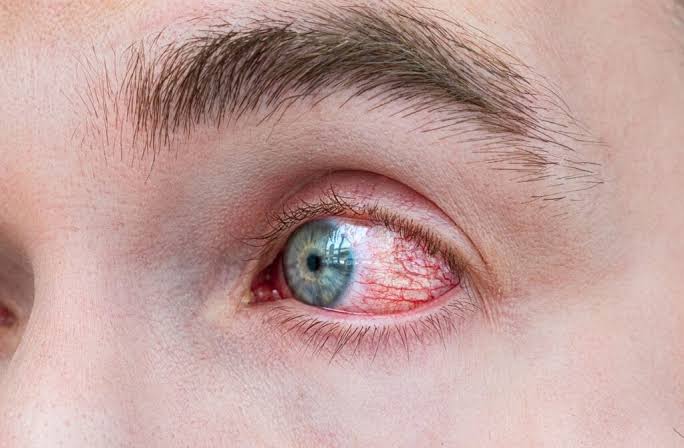
Resting your eyes and closing them for a few minutes can meaningfully reduce discomfort from strain or fatigue.
A clean, cool compress applied gently over closed eyes can soothe irritation from dryness or mild inflammation.
Staying hydrated and blinking more often, especially during screen use, helps maintain natural moisture on the eye’s surface.
New eye pain, or pain that keeps getting worse instead of improving, is a clear signal to check in with a healthcare provider.
Pain accompanied by vision changes, light sensitivity, nausea, or a headache should be treated with urgency rather than waiting it out.
Sudden, severe pain alongside nausea and vomiting could indicate acute angle-closure glaucoma, which is a genuine medical emergency.
A provider typically starts by asking about your symptoms, medical history, and exactly how and where the pain feels.
A slit-lamp exam uses bright light to closely examine the structures of the eye for signs of injury or inflammation.
A tonometer measures the pressure inside your eye, which is essential for identifying or ruling out glaucoma.
Wearing protective eyewear during activities that risk eye injury, like yard work or certain sports, prevents a large share of trauma-related pain.
Keeping contact lenses clean and replacing them on schedule avoids one of the most common preventable causes of discomfort.
Scheduling regular eye exams helps catch conditions like glaucoma early, often before any pain or symptoms even appear.

This is usually digital eye strain, caused by prolonged focus, poor lighting, or an outdated prescription.
A gritty feeling is often linked to dry eye syndrome, where tears don’t stay on the eye long enough.
Yes, sinus pressure or infection can radiate pain around and behind the eyes along with congestion.
It can be, especially if paired with nausea or headache, so prompt medical evaluation is recommended.
Pain that worsens with eye movement can indicate optic neuritis, which needs medical evaluation.
Yes, overuse, sleeping in lenses, or poor hygiene can lead to irritation or infection.
Resting your eyes, using a cool compress, and staying hydrated often relieve mild discomfort.
Sudden severe pain with nausea, vomiting, or vision loss may signal acute glaucoma and needs immediate care.
Minor corneal abrasions often heal in a few days with antibiotic drops from a doctor.
Light sensitivity paired with pain can point to conditions like iritis or uveitis, requiring prompt care.
Eye pain has many possible causes, ranging from simple digital eye strain and dry eyes to more serious conditions like glaucoma, iritis, or optic neuritis.
Most everyday soreness improves with rest, hydration, and small habit changes like the 20-20-20 rule or proper contact lens care. However, sudden, severe, or worsening pain, especially alongside vision changes, nausea, or headache, should never be ignored.
These symptoms can point to conditions that threaten your vision if left untreated. The safest approach is simple: track how your pain feels, note any other symptoms, and don’t hesitate to contact an eye doctor when something feels off.
Early attention protects both your comfort and your long-term eye health, so when in doubt about “why does my eyes hurt,” it’s always worth getting a professional answer.