
Why does the roof of my mouth hurt when I eat? This is one of the most common oral health questions people ask, and you are not alone in experiencing it.
The roof of your mouth, known as the palate, is covered in thin, delicate tissue packed with nerve endings. Even minor irritation can cause sharp, burning, or aching pain that makes every meal uncomfortable.
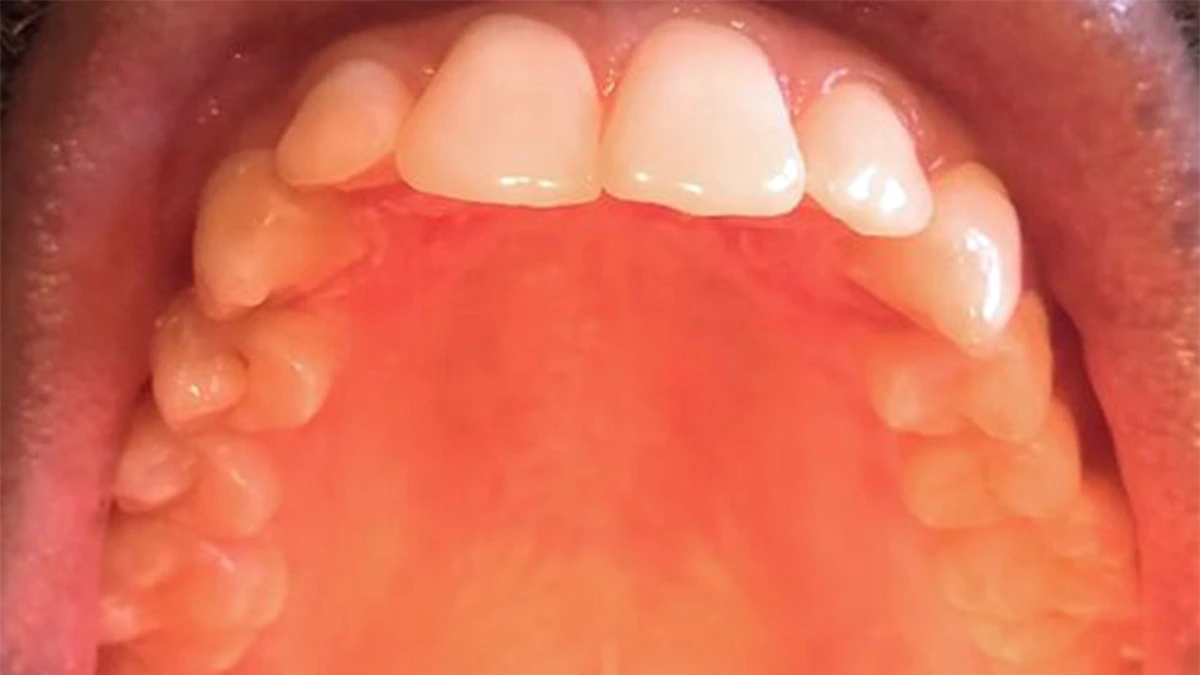
Before exploring the causes, it helps to understand what the roof of your mouth actually is. Your palate is made up of two distinct sections, each playing a different role in eating, breathing, and speaking.
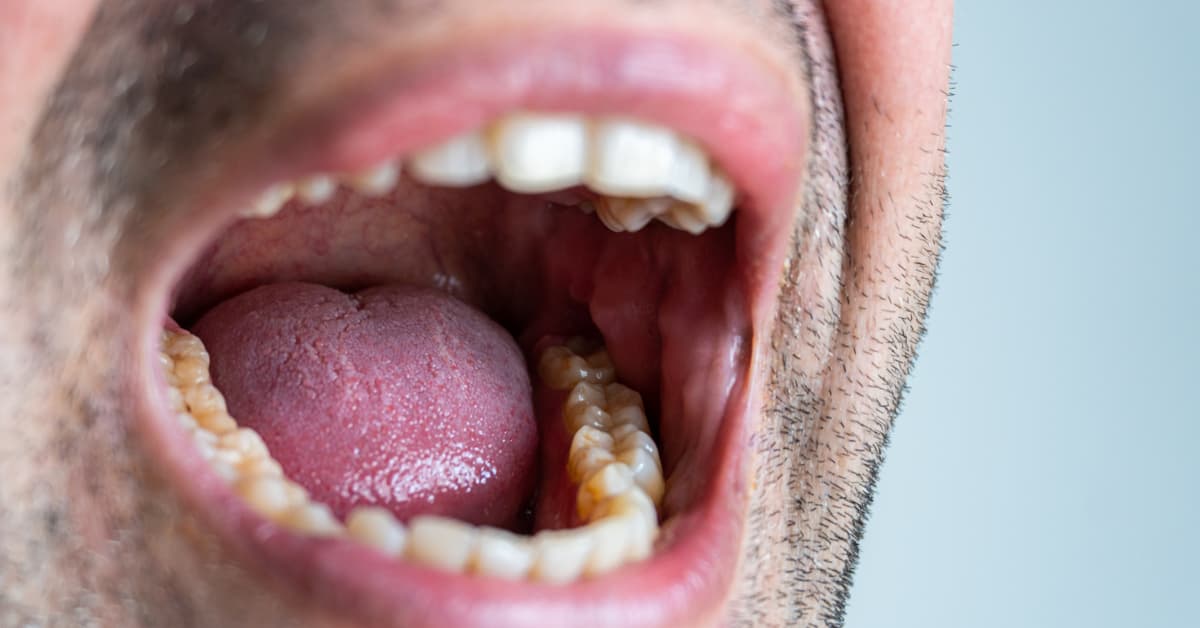
The hard palate is the firm, bony front section you feel when you run your tongue along the top of your mouth. It is covered by a thin layer of tissue called oral mucosa, and those tiny ridges you feel are called rugae. They help guide food while you chew.
The soft palate sits just behind the hard palate. It is flexible, made of muscle and soft tissue, and it seals off your nasal passage when you swallow. At the very back hangs the uvula, the small teardrop-shaped tissue visible when you open wide.
Because the entire palate is loaded with nerve endings and mucous membranes, it is extremely sensitive. Even a small burn, scratch, or infection can cause pain that feels much worse than you would expect.
There are many reasons why the roof of your mouth hurts during meals. Some are minor and resolve within days. Others point to underlying conditions that need professional care.
This is by far the most common cause of palate pain when eating. Hot pizza, melted cheese, boiling soup, and scalding coffee all make direct contact with the sensitive tissue on your palate.
Human tissue begins to experience cellular damage at temperatures as low as 118°F. Most coffee and tea are served between 160°F and 185°F. Melted cheese acts like heat glue, sticking to the palate and extending heat exposure far longer than a liquid would.
After a thermal burn, the tissue becomes red, raw, and extremely tender. Even mild foods can feel painful for several days after the initial burn occurs.
How long does a burn on the roof of the mouth take to heal?
| Burn Severity | Estimated Healing Time |
|---|---|
| Mild (surface redness) | 3 to 5 days |
| Moderate (blistering) | 7 to 10 days |
| Severe (widespread tissue damage) | 10 to 14 days or longer |
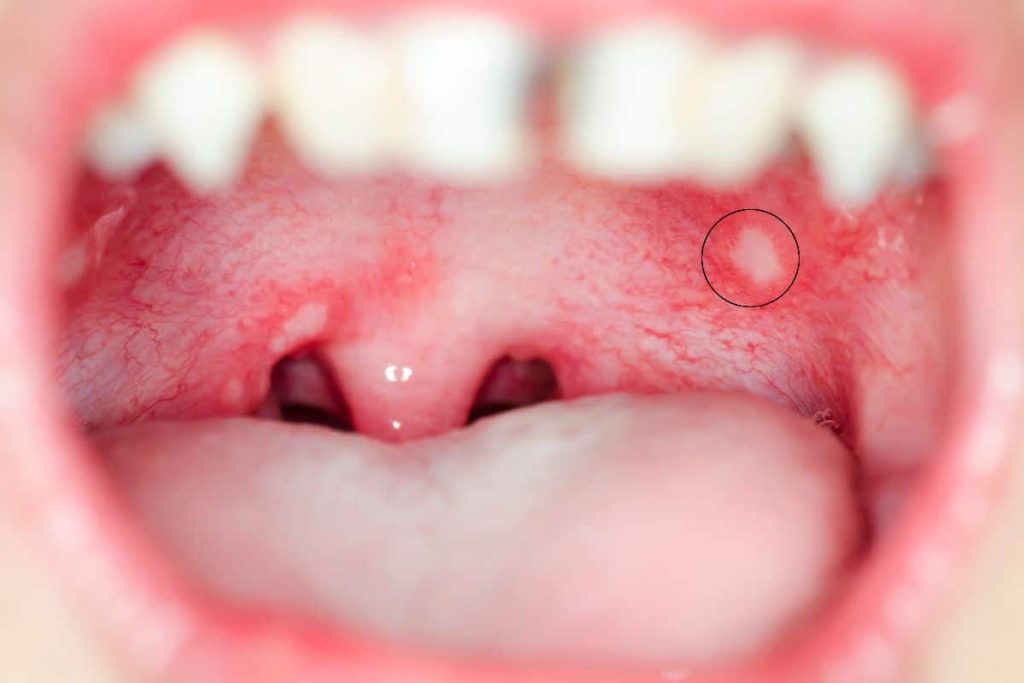
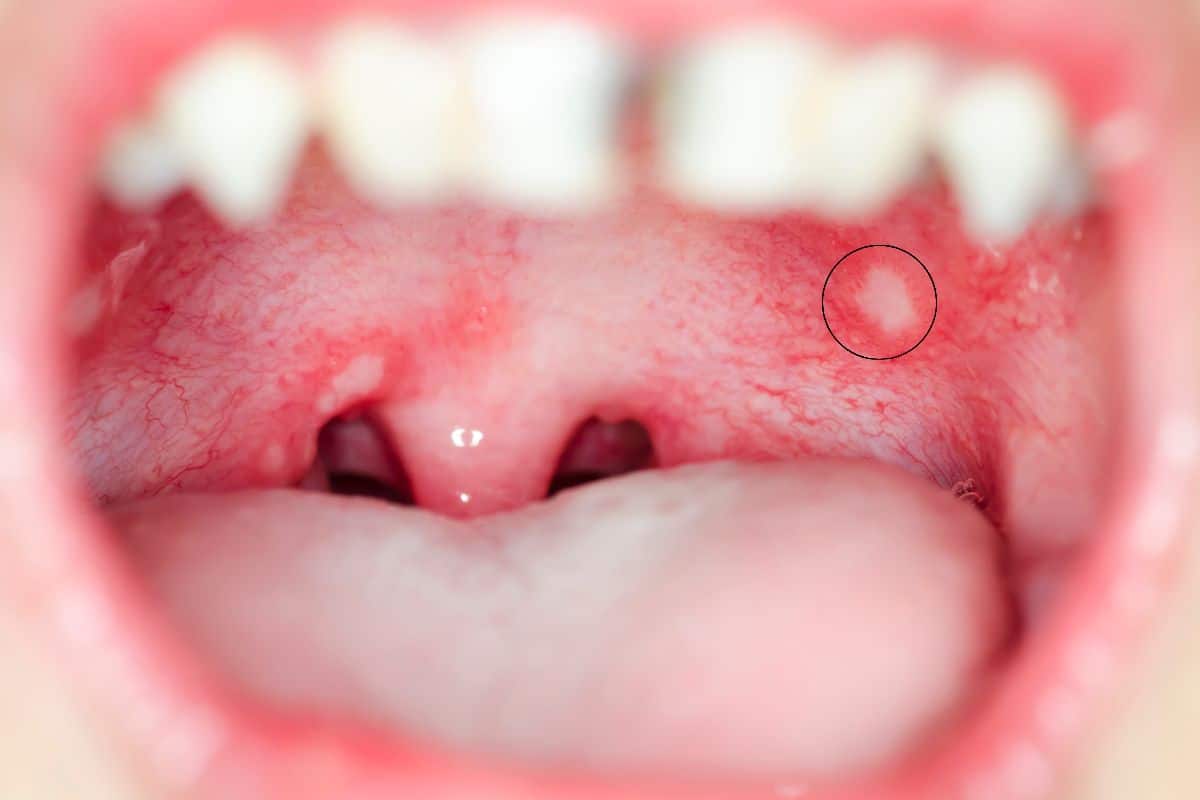
Canker sores are small, shallow, painful ulcers that can develop anywhere inside the mouth, including the hard and soft palate. They appear as round or oval lesions with a white or yellow center and a red border.
Unlike cold sores, canker sores are not caused by a virus and are not contagious. They are triggered by stress, minor mouth injuries, hormonal changes, certain foods, or nutritional deficiencies like low vitamin B12 or iron.
Canker sores make eating spicy, salty, or acidic foods extremely painful. Most heal on their own within 7 to 10 days. If they are recurring or very large, a dentist can prescribe medicated rinses or topical steroids to speed up healing.
Crunchy chips, crusty bread, hard crackers, pretzels, and even raw vegetables can create tiny cuts and abrasions along the roof of your mouth. You may not feel the scrape happening in the moment, but hours later the area becomes sore and sensitive.
Once the palate tissue is scratched, everyday foods like salty snacks, acidic fruits, and spicy dishes irritate the raw area and make the pain worse. These minor injuries usually heal within a few days as long as you avoid foods that aggravate the area.
Cold sores are caused by the herpes simplex virus (HSV-1). While most people associate them with the lips, cold sores can also form on the roof of your mouth, particularly on the hard palate.
When HSV-1 affects the palate, it causes small blisters or ulcers that make eating, drinking, and swallowing very uncomfortable. Cold sores are contagious and often flare up during times of stress, fatigue, fever, or immune system changes.
They typically clear on their own within 7 to 10 days. Antiviral medications like acyclovir can shorten the duration of outbreaks when taken early.
Oral thrush, also called oral candidiasis, is caused by an overgrowth of a yeast called Candida albicans. It creates creamy white patches on the tongue, inner cheeks, and the roof of the mouth.
Thrush causes soreness, burning, and difficulty eating or swallowing. People most at risk include those with weakened immune systems, diabetes, denture wearers, and individuals who use inhaled steroids or recently completed a course of antibiotics.
The condition is treated with antifungal medications in the form of oral gels, liquids, or lozenges prescribed by a doctor or dentist.
Ill-fitting dentures, braces, retainers, mouthguards, or other dental appliances can rub and press against the roof of your mouth during meals. Over time, this repeated friction creates painful sore spots and inflammation on the palate.
If you wear any oral appliance and notice that the roof of your mouth consistently hurts when eating, schedule a visit with your dentist for an adjustment. Appliances that fit correctly should not cause ongoing pain.
A severe tooth infection or dental abscess in the upper teeth can cause pain that radiates upward into the hard palate. You may feel a deep, throbbing ache on the roof of your mouth that worsens when biting down or chewing.
This type of referred pain is often accompanied by swelling, a bad taste in the mouth, and sensitivity to hot or cold. A dental abscess is a serious condition that requires prompt dental treatment, often including antibiotics and root canal therapy or extraction.
Your sinuses sit directly above the hard palate, separated by a thin bony wall. When your sinuses become infected or inflamed, the resulting pressure pushes downward and causes referred pain in the roof of your mouth.
Seasonal allergies, colds, and chronic sinusitis can all trigger this type of palate pain. You may also notice postnasal drip, nasal congestion, facial pressure, and headaches alongside the mouth discomfort.
Treating the sinus infection or managing allergies typically resolves the palate pain without needing any direct oral treatment.
Burning mouth syndrome is a complex, chronic condition characterized by a persistent burning sensation in the mouth that has no obvious visible cause. The roof of the mouth, tongue, and lips are the areas most commonly affected.
Pain from burning mouth syndrome often increases throughout the day and peaks in the evening. It may be accompanied by dry mouth and changes in taste. The exact cause is not fully understood, but it is linked to nerve damage, hormonal changes, nutritional deficiencies, and psychological stress.
Managing burning mouth syndrome usually requires a combination of medication, dietary adjustments, and stress management strategies.
Some people experience pain, itching, tingling, or swelling on the roof of the mouth immediately after eating certain raw fruits, vegetables, or tree nuts. This is called oral allergy syndrome (OAS) and is caused by cross-reacting allergens found in both pollen and raw foods.
Common triggers include apples, peaches, cherries, kiwi, celery, carrots, and hazelnuts. Cooking these foods usually destroys the allergens, making them safe to eat. OAS is generally mild but should be evaluated by an allergist to rule out more serious food allergies.
Dry mouth occurs when the salivary glands do not produce enough saliva to keep the mouth moist. Saliva plays a critical role in protecting the oral tissues, washing away bacteria, and neutralizing acids.
Without enough saliva, the delicate tissues on the roof of your mouth become dry, irritated, and prone to sores and infections. Dry mouth is commonly caused by medications, dehydration, mouth breathing, and autoimmune conditions like Sjogren’s syndrome.
Staying well hydrated, using saliva substitutes, and talking to your doctor about medication adjustments can help manage dry mouth and reduce palate pain.
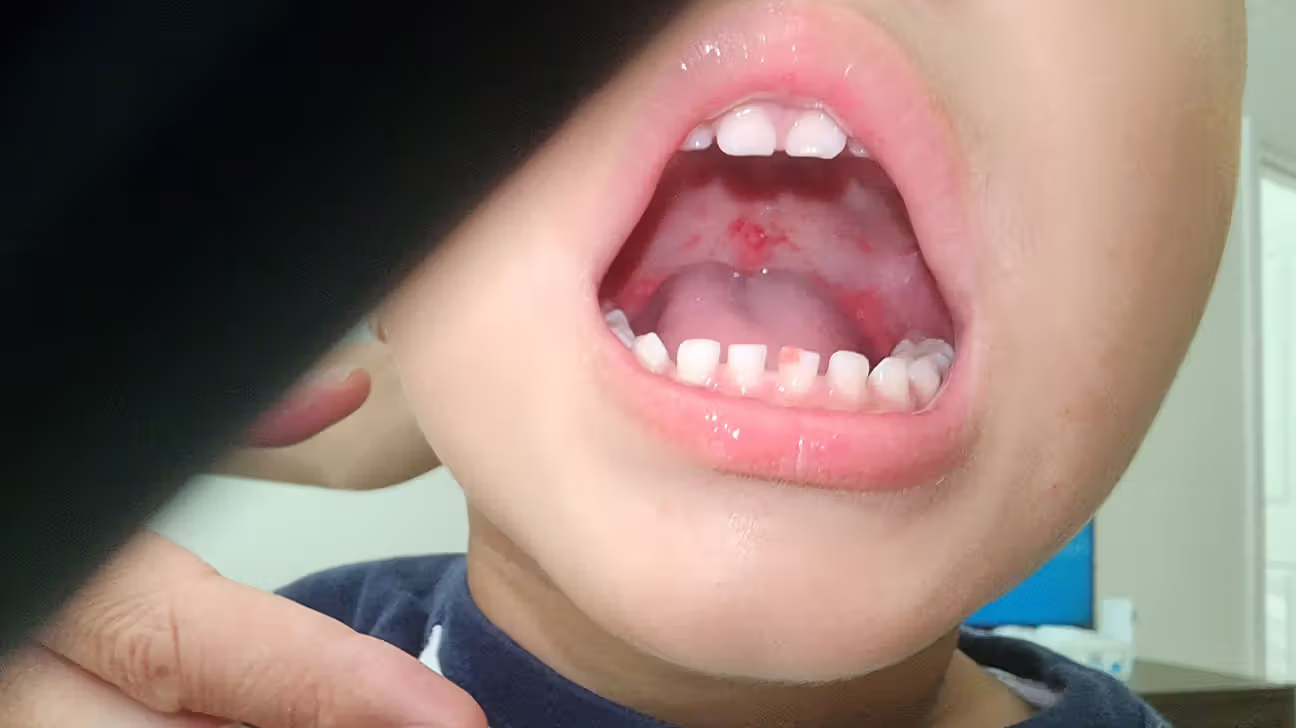
Gastroesophageal reflux disease (GERD) causes stomach acid to flow backward up the esophagus and sometimes into the back of the throat and mouth. This acidic exposure irritates and inflames the soft palate and the back of the throat.
If the roof of your mouth specifically hurts at the back, near the soft palate, acid reflux could be the cause. You may also notice heartburn, a sour taste, and a chronic sore throat.
Managing GERD through diet changes, avoiding meals before bedtime, and taking acid-reducing medications can reduce the frequency and severity of palate pain.
Low levels of iron, vitamin B12, folate, and zinc are directly linked to mouth sores, inflammation, and increased sensitivity of the oral tissues. When your body lacks these nutrients, the tissues lining your mouth heal more slowly and are more susceptible to irritation and infection.
If you frequently experience mouth sores and palate pain without a clear cause, ask your doctor to run blood tests to check your nutrient levels. Correcting deficiencies through diet or supplements can significantly improve oral health.
Electrolytes like sodium, potassium, and magnesium regulate fluid balance throughout the body. When these minerals are out of balance, the tissues inside your mouth can swell, become inflamed, and feel tender and painful.
Dehydration, excessive alcohol intake, and certain medical conditions can all cause electrolyte imbalances. Staying hydrated and eating a balanced diet rich in electrolyte-containing foods helps keep this under control.
While much less common than the other causes on this list, oral cancer can cause persistent pain in the roof of the mouth that does not heal. It may appear as an ulcer, a white or red patch, or an unusual lump on the palate.
Oral cancer pain tends to worsen with eating and does not respond to standard home remedies. Risk factors include tobacco use, heavy alcohol consumption, HPV infection, and prolonged sun exposure on the lips.
Any sore or lesion on the roof of your mouth that does not heal within two weeks should be evaluated by a dentist or doctor immediately.
| Food Type | Why It Causes Pain |
|---|---|
| Very hot pizza, soups, coffee | Direct thermal burns to delicate palate tissue |
| Chips, crackers, crusty bread | Sharp edges cause cuts and abrasions |
| Spicy foods | Irritate existing sores, burns, and raw tissue |
| Acidic foods (citrus, vinegar) | Sting open sores and inflamed tissue |
| Salty snacks | Draw moisture out of raw tissue, causing stinging |
| Alcohol | Dries and irritates the oral mucosa |
| Raw fruits and tree nuts | Trigger oral allergy syndrome in sensitive individuals |
A warm saltwater rinse is the most widely recommended home remedy for palate pain. Salt has a mild antibacterial effect and helps reduce inflammation while supporting tissue healing.
Mix half a teaspoon of salt into a cup of warm water. Swish gently for 30 seconds and spit it out. Repeat two to three times daily, especially after meals, until the pain improves.
For burns specifically, cooling the mouth immediately helps minimize tissue damage and provides fast pain relief. Swish cold water around your mouth right after burning it.
You can also gently place small ice chips in your mouth. Do not apply a large block of ice directly as it can stick to the tender tissue. Popsicles and cold yogurt are also excellent options that cool and soothe at the same time.
Ibuprofen (Advil, Motrin) or acetaminophen (Tylenol) can help manage palate pain from burns, canker sores, and minor injuries. These medications reduce both pain and inflammation.
Follow the dosage instructions on the packaging. Ibuprofen is generally preferred because it reduces inflammation as well as pain, whereas acetaminophen only addresses pain.
Oral gels containing benzocaine, such as Orajel, provide a temporary numbing effect on the painful area. They are particularly helpful for canker sores, burns, and mouth injuries.
Apply a small amount directly to the sore spot with a clean finger or cotton swab. Relief typically lasts for 20 to 30 minutes, giving you enough comfort to eat a meal more comfortably.
A mouthwash containing hydrogen peroxide helps speed up healing of mouth sores and burns by killing bacteria and providing a mild antiseptic effect. Choose a mouthwash specifically designed for mouth sores and avoid any that contain alcohol.
Alcohol-based mouthwashes dry and irritate already-sensitive oral tissue, which can slow healing and make pain worse.
Pure aloe vera gel has well-known soothing and anti-inflammatory properties. Applying a small amount directly to the sore area on your palate can reduce burning, calm inflammation, and support faster healing.
Make sure to use food-grade aloe vera gel that is safe for internal use. Do not swallow large amounts.
When the roof of your mouth hurts, your diet plays a huge role in how quickly it heals. Soft, cool, and bland foods prevent further trauma to the already-irritated tissue.
Best foods to eat when the roof of your mouth hurts:
| Food | Why It Helps |
|---|---|
| Yogurt | Cool, smooth, and soothing |
| Mashed potatoes | Soft and easy to swallow |
| Smoothies | Cold and nutritious with no chewing required |
| Ice cream | Provides cooling pain relief |
| Oatmeal (cooled) | Soft and gentle on the palate |
| Applesauce | Smooth texture with no sharp edges |
| Scrambled eggs | Soft, protein-rich, and easy to chew |
Dehydration worsens palate pain by reducing saliva production and drying out the oral mucosa. Drinking enough water throughout the day keeps the mouth moist, supports saliva flow, and helps the tissues heal faster.
Aim to drink at least 8 glasses of water daily. Adding water-rich foods like cucumbers, melons, and oranges to your diet also supports hydration from within.
Spicy foods, acidic foods, salty snacks, and very hot items all irritate healing palate tissue significantly. Giving the roof of your mouth a break from these foods during recovery dramatically speeds up healing.
Even if you feel a slight improvement, introducing these foods too early can reinjure the tissue and restart the healing clock.
Raw honey, especially Manuka honey, has natural antibacterial and anti-inflammatory properties. Applying a small amount to the sore spot on your palate can reduce pain and help fight off any bacterial contamination in the area.
Allow the honey to sit on the area for a minute before swallowing. Honey should not be given to children under one year of age.
When home remedies do not provide enough relief or the underlying cause requires professional intervention, medical and dental treatments are available.
| Cause | Professional Treatment |
|---|---|
| Canker sores (severe) | Prescription corticosteroid gels or rinses |
| Oral thrush | Antifungal medications (nystatin, fluconazole) |
| Cold sores | Antiviral medications (acyclovir, valacyclovir) |
| Tooth infection or abscess | Antibiotics, root canal, or tooth extraction |
| Burning mouth syndrome | Nerve medication, antidepressants, dietary changes |
| Ill-fitting dental appliances | Professional adjustment or replacement |
| Acid reflux (GERD) | Proton pump inhibitors, H2 blockers, dietary changes |
| Sinus infection | Antibiotics, decongestants, nasal irrigation |
| Oral cancer | Biopsy, surgery, radiation, or chemotherapy |
| Nutritional deficiencies | Vitamin and mineral supplementation |
Prevention is always easier than treatment. Simple habits can dramatically reduce how often you experience palate pain during meals.
Let hot food and drinks cool down before eating. This one habit alone prevents the majority of palate burns. Give soup, pizza, coffee, and other hot foods a few minutes to reach a safe temperature.
Use a straw for hot beverages. A straw directs liquid past the palate and reduces direct contact with the sensitive tissue on the roof of your mouth.
Chew slowly and carefully. Rushed eating leads to accidentally biting into hard, sharp pieces of food that scratch and cut the palate. Slow down, take smaller bites, and chew thoroughly.
Maintain excellent oral hygiene. Brush twice a day, floss daily, and use an antimicrobial mouthwash. Good oral hygiene prevents infections, reduces the risk of canker sores, and keeps the entire mouth healthier.
Stay hydrated throughout the day. Regular hydration keeps saliva flowing and the oral tissues moist, which reduces their vulnerability to irritation and infection.
Manage stress. Stress is a known trigger for canker sores and cold sore outbreaks. Yoga, deep breathing, regular exercise, and adequate sleep all help keep stress levels under control.
Get regular dental checkups. Seeing your dentist every six months allows early detection of any dental issues, ill-fitting appliances, or early signs of oral disease that could lead to palate pain.
Most cases of palate pain resolve on their own within a week. However, certain symptoms indicate that you need professional evaluation without delay.
See a dentist or doctor if:
These signs can point to infections, serious dental problems, autoimmune conditions, or oral cancer, all of which require prompt professional care.
| Symptom | Most Likely Cause |
|---|---|
| Sharp pain immediately after hot food | Thermal burn |
| Small white sore with red border | Canker sore |
| Blisters on the palate | Cold sore (HSV-1) |
| White patches plus soreness | Oral thrush |
| Deep throbbing ache linked to a tooth | Tooth infection or abscess |
| Pain at the back of the palate | Acid reflux or sinus infection |
| Itching and swelling after certain foods | Food allergy or oral allergy syndrome |
| Burning without visible sores | Burning mouth syndrome or dry mouth |
| Persistent non-healing sore | Oral cancer (see a doctor immediately) |
| Pain from dental appliance contact | Ill-fitting dentures, braces, or retainer |
Pizza cheese holds heat and sticks directly to the palate, causing a thermal burn. The thin tissue on the hard palate is highly sensitive and burns easily even from brief heat contact.
Mild burns typically heal in 3 to 5 days. More significant burns with blistering can take 7 to 14 days to fully heal, especially if you continue eating irritating foods during recovery.
Yes. Stress is a primary trigger for canker sores and cold sore outbreaks, both of which cause significant palate pain during eating. Managing stress reduces the frequency of these flare-ups.
Pain at the back of the palate when swallowing often points to a sinus infection, acid reflux, strep throat, or inflammation of the soft palate. See a doctor if this persists beyond a few days.
White patches can indicate oral thrush, which is treatable with antifungal medication. However, persistent white patches that do not rub off should be evaluated immediately to rule out oral cancer.
Yes. Infections in the upper back teeth can cause referred pain that travels upward into the hard palate. This pain often feels deep and throbbing and worsens when biting down.
You can eat, but stick to soft, cool, and bland foods. Avoid spicy, acidic, salty, and very hot items as they will significantly worsen the pain and slow down the healing process.
Yes. Oral allergy syndrome causes itching, tingling, and swelling in the mouth after eating certain raw fruits, vegetables, or tree nuts. Cooking these foods usually eliminates the reaction.
A combination of swishing cold water immediately for burns plus a warm saltwater rinse and an OTC pain reliever like ibuprofen works fastest. For canker sores, a topical benzocaine gel provides the quickest targeted relief.
Go to the ER if swelling is making it hard to breathe or swallow, if you have a very high fever alongside severe mouth pain, or if you suspect you have swallowed a foreign object that has scratched or lodged in your palate.
Why does the roof of my mouth hurt when I eat? The answer depends on the specific cause, but the most common culprits are thermal burns from hot food, canker sores, scratches from crunchy foods, cold sores, oral thrush, and dental appliance irritation.
In most cases, the pain is temporary and responds well to simple home remedies like saltwater rinses, cool foods, topical gels, and OTC pain relievers.
That said, palate pain that lasts longer than two weeks, comes with white patches, swelling, fever, or a persistent non-healing sore needs professional attention right away.
These symptoms can signal a tooth infection, a fungal infection, an autoimmune condition, or in rare cases, oral cancer. The good news is that most causes of roof of mouth pain are highly treatable when caught early.
Protect your palate by letting hot food cool, eating slowly, staying hydrated, and keeping up with regular dental checkups. Your mouth will thank you for it.