
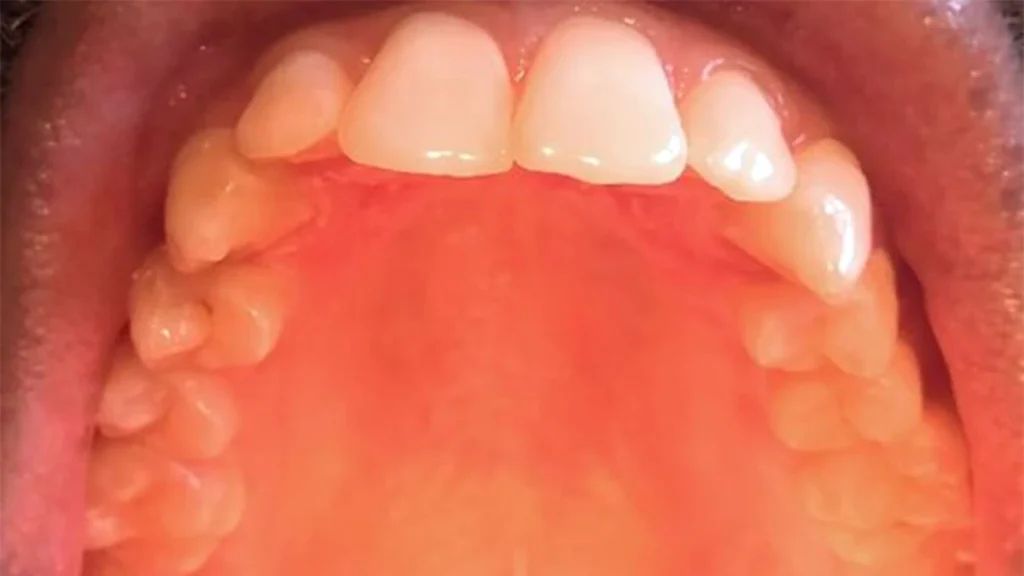
Why does the top of my mouth hurt is one of the most common dental and health questions people search for every day.
The top of your mouth, known as the palate, is made of soft, sensitive tissue that reacts quickly to heat, injury, infections, and underlying health conditions.
Pain in this area can range from a mild soreness after eating hot pizza to sharp, persistent discomfort that signals something more serious.
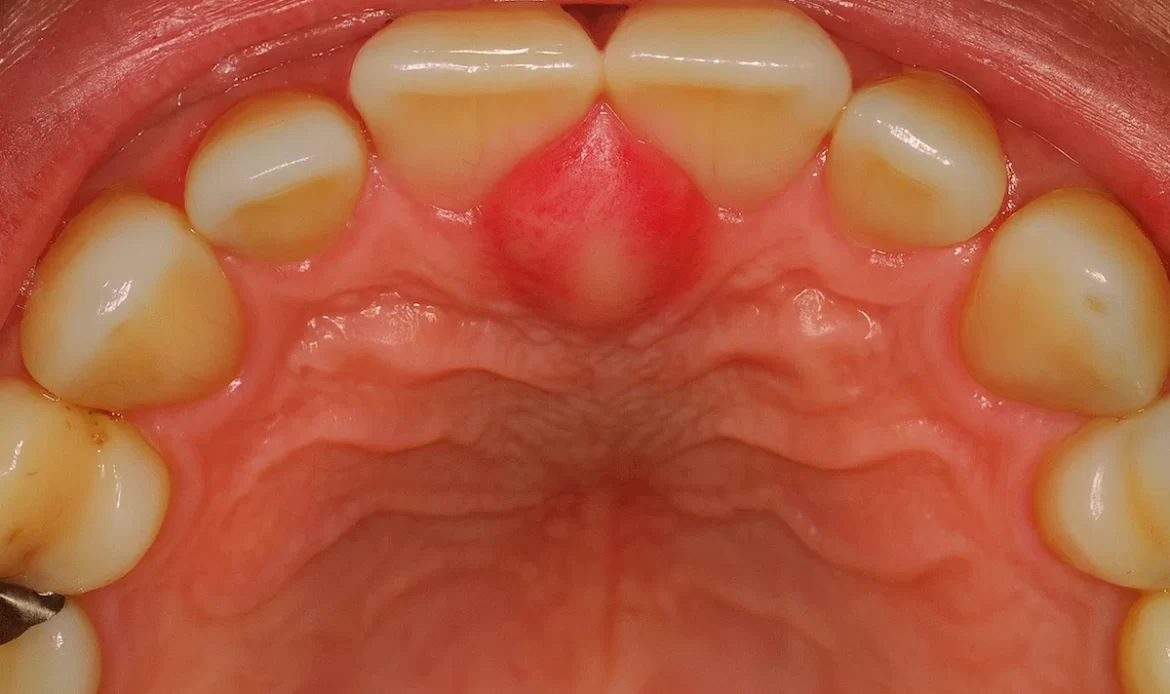
The roof of your mouth is called the palate. It is divided into two sections that serve different functions.
The hard palate is the firm, bony front portion of the roof. It helps you chew, swallow, and speak. The soft palate is the flexible tissue at the back of the roof that closes off the nasal passage when you swallow.
Both sections are covered with a thin layer of mucous membrane — delicate tissue that is highly sensitive to temperature, pressure, and irritation.
There are more than a dozen reasons why the top of your mouth can hurt. Some are minor and resolve in a day or two. Others require medical or dental attention. Here is a full breakdown.
This is the single most common reason people experience roof-of-mouth pain.
Hot pizza, soup, coffee, or tea can scald the delicate tissue of the hard palate in seconds. The mucous membrane lining the roof of your mouth burns easily and heals slowly compared to other skin surfaces.
The pain can last several days even from a minor burn. You may notice peeling skin, tenderness, or a rough texture on the palate surface as it heals.
What to do: Rinse immediately with cool water. Eat cold or room-temperature foods. Avoid spicy, acidic, or hot items until the tissue heals. Over-the-counter pain relievers like ibuprofen or acetaminophen can reduce discomfort.
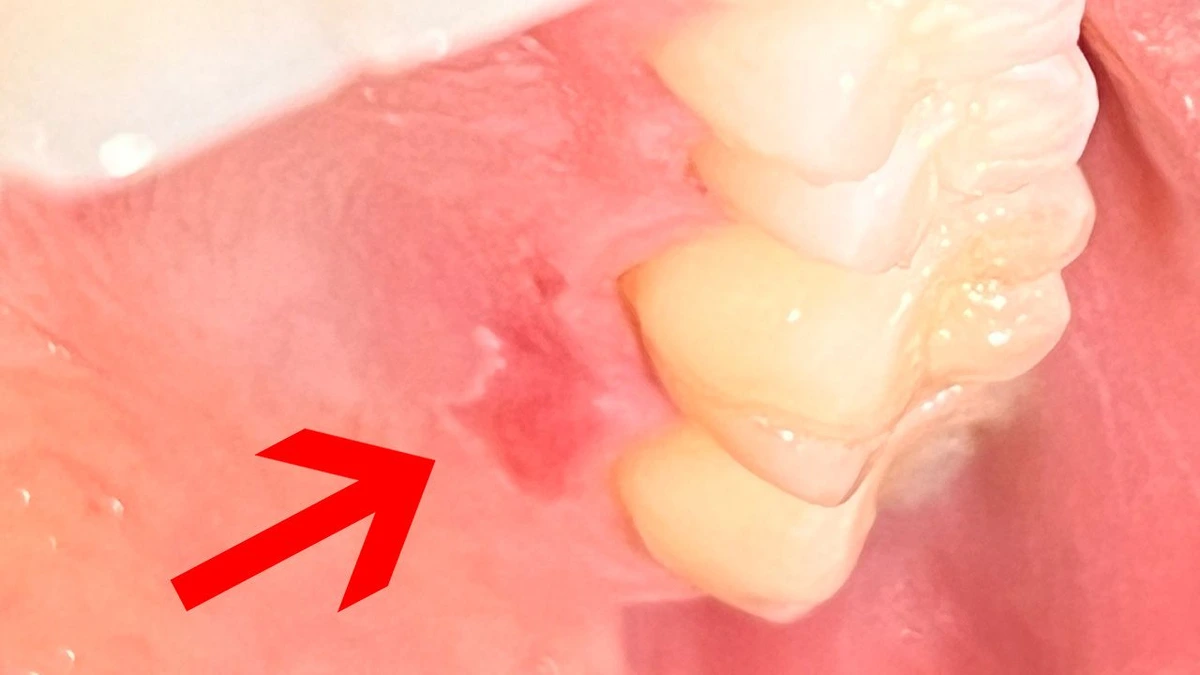
Canker sores are small, painful ulcers that can develop anywhere inside the mouth, including the roof.
They appear as round or oval white or yellow lesions with a red border. Up to 20% of people will get at least one canker sore in their lifetime. Unlike cold sores, canker sores are not contagious and are not caused by a virus.
Common triggers include stress, hormonal changes, minor mouth injuries, acidic foods, and nutritional deficiencies — particularly low levels of iron, folate, or B vitamins.
What to do: Most canker sores heal on their own within one to two weeks. Saltwater rinses, topical numbing gels with benzocaine, and avoiding acidic or spicy foods speed up the process.
Cold sores, also called fever blisters, are caused by the herpes simplex virus (HSV). Most people associate them with the lips, but they can appear on the roof of the mouth too.
They show up as clusters of small fluid-filled blisters that break open and crust over. They are contagious and can be triggered by stress, sun exposure, illness, or a weakened immune system.
Outbreaks on the palate cause burning, tingling, and significant pain — especially when eating or drinking.
What to do: Antiviral medications like acyclovir shorten outbreaks when started early. Cool compresses, saltwater rinses, and staying hydrated help manage symptoms. See a doctor if outbreaks are frequent or severe.
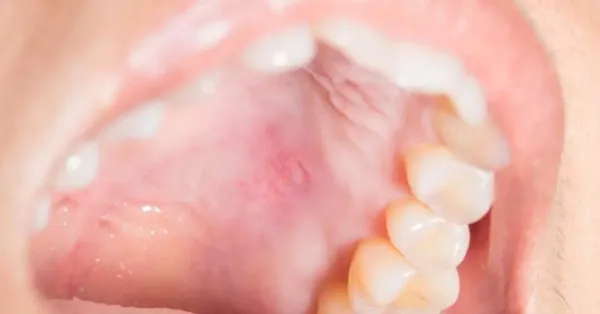
Oral thrush is an overgrowth of the fungus Candida albicans inside the mouth.
It produces creamy white or yellowish patches on the tongue, inner cheeks, and roof of the mouth. The patches may look like cottage cheese and can be painful when scraped. Alongside pain, you may notice taste changes, a cottony feeling in the mouth, or soreness when swallowing.
Risk factors include antibiotic use, a weakened immune system, diabetes, inhaled steroid medications, and wearing dentures.
What to do: Oral thrush requires prescription antifungal medication such as nystatin or fluconazole. Maintaining good oral hygiene and staying hydrated helps prevent recurrence.
The sinuses sit very close to the roof of the mouth, separated only by thin bone.
When your sinuses become inflamed or infected, the pressure they generate can radiate directly into the hard palate. This creates a dull, throbbing ache in the roof of the mouth that is often worse in the morning or when bending forward.
You may notice that your mouth pain accompanies nasal congestion, postnasal drip, headaches, or facial pressure — classic signs of sinusitis.
What to do: Saline nasal rinses, steam inhalation, and staying well-hydrated can relieve mild sinus pressure. Bacterial sinus infections may require antibiotic treatment from a doctor.
Biting down on something hard, eating sharp-edged chips or crackers, or getting hit in the mouth can physically injure the palate tissue.
Even the edge of a dental appliance — braces, a retainer, or an ill-fitting denture — can cause chronic irritation and soreness on the roof of the mouth over time.
Injuries may result in cuts, bruising, swelling, or localized tenderness that worsens when you eat or speak.
What to do: Rinse with warm saltwater. Eat soft foods and avoid anything hard or crunchy. If the injury is from a dental appliance, contact your dentist for an adjustment. Cuts that bleed heavily or do not heal within a week need professional evaluation.
Dry mouth — clinically called xerostomia — occurs when your salivary glands do not produce enough saliva.
Saliva does more than help you swallow. It protects the mucous membranes of the mouth, prevents infection, and keeps the palate tissue moist and healthy. Without enough of it, the roof of your mouth becomes dry, irritated, and sore.
Dehydration is one of the most common triggers of dry mouth. Medications — including antihistamines, antidepressants, decongestants, and blood pressure drugs — are another major cause.
What to do: Drink plenty of water throughout the day. Suck on sugar-free lozenges or chew sugar-free gum to stimulate saliva production. If medications are causing dry mouth, speak to your doctor about alternatives.
Burning mouth syndrome (BMS) is a chronic condition that causes a persistent burning or scalding sensation in the mouth without any visible sores or injuries.
The burning can affect the tongue, lips, gums, or roof of the mouth. The cause is not always clear, but it is linked to nerve damage, hormonal changes (especially in postmenopausal women), nutritional deficiencies, anxiety, or dry mouth.
BMS is often more intense later in the day and can significantly impact eating, drinking, and quality of life.
What to do: Treatment depends on the underlying cause. Options include B vitamin supplements, alpha-lipoic acid, clonazepam, antidepressants, or cognitive behavioral therapy. A doctor or oral medicine specialist should guide treatment.
Low levels of certain vitamins and minerals can cause sores, burning, and soreness in the mouth — including the palate.
The most common deficiencies linked to mouth pain are iron, vitamin B12, folate (vitamin B9), and vitamin C. These nutrients are essential for healthy oral tissue, immune function, and wound healing.
If you notice that your mouth soreness is chronic and unexplained, a simple blood test can reveal whether a nutritional deficiency is responsible.
What to do: Eat a balanced diet rich in leafy greens, lean meats, legumes, and citrus fruits. Supplementation may be necessary if deficiency is confirmed through blood work.
Some people experience mouth pain or itching after eating certain foods as part of an immune response.
Oral Allergy Syndrome (OAS) — also called pollen-food allergy syndrome — causes tingling, itching, or swelling in the mouth after eating raw fruits, vegetables, or nuts. The reaction is triggered by proteins in these foods that resemble airborne allergens like pollen.
Symptoms can include a swollen or irritated palate and typically resolve within minutes. Food allergies — to shellfish, dairy, wheat, or nuts — can cause more severe oral reactions.
What to do: Avoid identified trigger foods. Antihistamines can help with mild reactions. Severe allergic reactions — especially those involving throat swelling or difficulty breathing — require emergency care.
Gastroesophageal reflux disease (GERD) and laryngopharyngeal reflux (LPR) can cause stomach acid to travel up through the esophagus and reach the back of the throat and soft palate.
The acid burns and irritates the soft tissue of the soft palate, causing soreness, a burning sensation, or a feeling of something stuck in the back of the mouth. Symptoms are often worse in the morning after lying down overnight.
What to do: Avoid eating within two to three hours of lying down. Limit caffeine, alcohol, spicy foods, and fatty meals. Over-the-counter antacids or prescription proton pump inhibitors may be needed. Consult a doctor if reflux is frequent.
Cavities, gum disease, abscessed teeth, or cracked teeth can cause pain that radiates to the roof of the mouth.
An abscess — a pocket of infection at the root of a tooth — is especially prone to sending pain signals to the palate if the affected tooth is near the upper jaw. The pain can feel like general pressure or throbbing across the roof of the mouth rather than focused on a single tooth.
What to do: Do not delay dental care if you suspect an abscess. Dental infections can spread rapidly and become serious. See a dentist promptly for any unexplained tooth or jaw pain.
Bone spicules are small, sharp bony fragments that can protrude from the hard palate, sometimes after tooth extraction or dental surgery.
They feel like a sharp point pressing through the gum tissue. They can cause significant localized pain on the roof of the mouth and may feel like a splinter under the skin.
What to do: Small bone spicules sometimes work their way out on their own. Larger or persistent ones need to be removed by a dentist or oral surgeon.
Oral cancer can develop on any part of the mouth, including the palate. It is uncommon compared to the other causes on this list, but it is important to recognize the warning signs.
Symptoms that may indicate oral cancer include sores that do not heal after two weeks, lumps or thickening on the palate, persistent unexplained pain, difficulty swallowing or chewing, numbness, or red or white patches that do not resolve.
Risk factors include tobacco use, heavy alcohol consumption, certain strains of HPV, and being over 50.
What to do: See a dentist or doctor immediately if you notice any of these warning signs. Early detection dramatically improves outcomes. Regular dental check-ups allow professionals to identify suspicious changes early.
| Cause | Main Symptom | Duration | See a Doctor? |
|---|---|---|---|
| Hot food burn | Immediate sharp pain, tenderness | 2–5 days | Only if severe |
| Canker sore | White/yellow ulcer with red border | 1–2 weeks | If frequent/large |
| Cold sore (HSV) | Blisters, burning | 1–2 weeks | If frequent |
| Oral thrush | White patches, taste change | Ongoing without treatment | Yes |
| Sinus infection | Dull pressure, nasal congestion | Days to weeks | If persistent |
| Trauma/injury | Tenderness, swelling | 3–7 days | If severe or bleeding |
| Dry mouth | Dryness, general soreness | Ongoing | If medication-related |
| Burning mouth syndrome | Burning with no visible cause | Chronic | Yes |
| Nutritional deficiency | Sores, fatigue | Ongoing | Yes (blood test) |
| GERD / acid reflux | Burning at back of palate | Recurring | Yes |
| Dental abscess | Throbbing, radiating pain | Worsening | Yes, urgently |
| Oral cancer | Non-healing sore, lump | Persistent | Yes, immediately |
Before reaching for prescription medications, these evidence-supported home remedies can provide meaningful relief for many common causes of roof-of-mouth pain.
Dissolve half a teaspoon of salt in one cup of warm water. Swish gently for 30 to 60 seconds, then spit. Do this two to three times per day.
Saltwater reduces inflammation, kills surface bacteria, and promotes healing of minor sores and burns. It is one of the most recommended remedies by dentists for general mouth soreness.
Sipping cool water or eating cold foods like yogurt, ice cream, or cold applesauce soothes inflamed palate tissue immediately after a burn or irritation.
Avoid ice cubes directly on the wound as extreme cold can cause additional tissue damage. Room-temperature water is fine for ongoing hydration.
Over-the-counter oral gels containing benzocaine — such as Orajel — provide fast, temporary numbness in the painful area.
Apply a small amount with a clean finger or cotton swab directly to the sore spot. These are especially helpful before meals when chewing is painful.
Raw honey has natural antibacterial and anti-inflammatory properties. Applying a small amount of raw honey directly to a canker sore or minor burn on the palate can reduce pain and support healing.
It also creates a protective coating that shields the sore tissue from food and drink irritants.
Chamomile contains compounds with mild anti-inflammatory and analgesic properties. Brewing chamomile tea, letting it cool to room temperature, and using it as a mouth rinse can reduce soreness.
Do not use hot chamomile tea on an already inflamed palate — wait until it is comfortably cool.
Swishing a tablespoon of coconut oil in your mouth for five to ten minutes — a practice called oil pulling — can reduce oral bacteria and soothe inflammation.
It is particularly helpful when the cause of palate pain is related to oral thrush, gum problems, or general bacterial imbalance.
Drinking enough water throughout the day is one of the simplest and most effective ways to prevent and soothe mouth soreness.
Dehydration thickens saliva, dries out the palate tissue, and makes any existing soreness significantly worse. Aim for at least eight glasses of water daily, more in hot weather or during physical activity.
While your mouth is healing, eliminate foods and habits that slow recovery.
Avoid spicy foods, acidic foods (citrus, vinegar, tomatoes), tobacco products, alcohol-based mouthwashes, and carbonated drinks. Each of these further irritates already-sensitive tissue and prolongs healing time.
Ibuprofen (Advil, Motrin) or acetaminophen (Tylenol) can reduce both pain and inflammation when roof-of-mouth pain is interfering with eating or sleeping.
Follow dosage instructions on the package. Ibuprofen is preferred when inflammation is part of the problem, but acetaminophen is safer for those with stomach sensitivity.
| Remedy | Best For | How to Use | Frequency |
|---|---|---|---|
| Saltwater rinse | Burns, canker sores, general soreness | ½ tsp salt in 1 cup warm water, swish and spit | 2–3x per day |
| Cool water/cold foods | Burns, inflammation | Sip or eat slowly | As needed |
| Benzocaine gel (Orajel) | Canker sores, burns, pain before meals | Small amount on sore spot | Up to 4x per day |
| Raw honey | Canker sores, minor burns | Dab directly on sore | 2–3x per day |
| Chamomile tea rinse | General inflammation, soreness | Cool tea, swish gently | 2x per day |
| Coconut oil pulling | Thrush, bacterial overgrowth | 1 tbsp, swish 5–10 min | Once per day |
| Ibuprofen/acetaminophen | Moderate to severe pain | Follow package directions | As needed |
| Hydration | Dry mouth, dehydration-related pain | Drink water consistently | All day |
Most cases of roof-of-mouth pain resolve on their own within a week. But certain symptoms require professional attention.
See a dentist or doctor if:
You notice white patches that cannot be wiped away and are not improving — this may be oral thrush or, rarely, leukoplakia.
You have a sore or ulcer that has not healed after two weeks — this needs evaluation to rule out oral cancer.
You experience severe, worsening pain alongside fever, swelling in the neck or jaw, or difficulty swallowing — these can indicate a spreading infection.
Your palate pain is accompanied by significant tooth or jaw pain — an abscess or dental infection may be present.
You have frequent cold sore outbreaks — antiviral prescription medication can significantly reduce their frequency and severity.
Your burning sensation has no visible cause and is chronic — burning mouth syndrome requires a specialist’s evaluation.
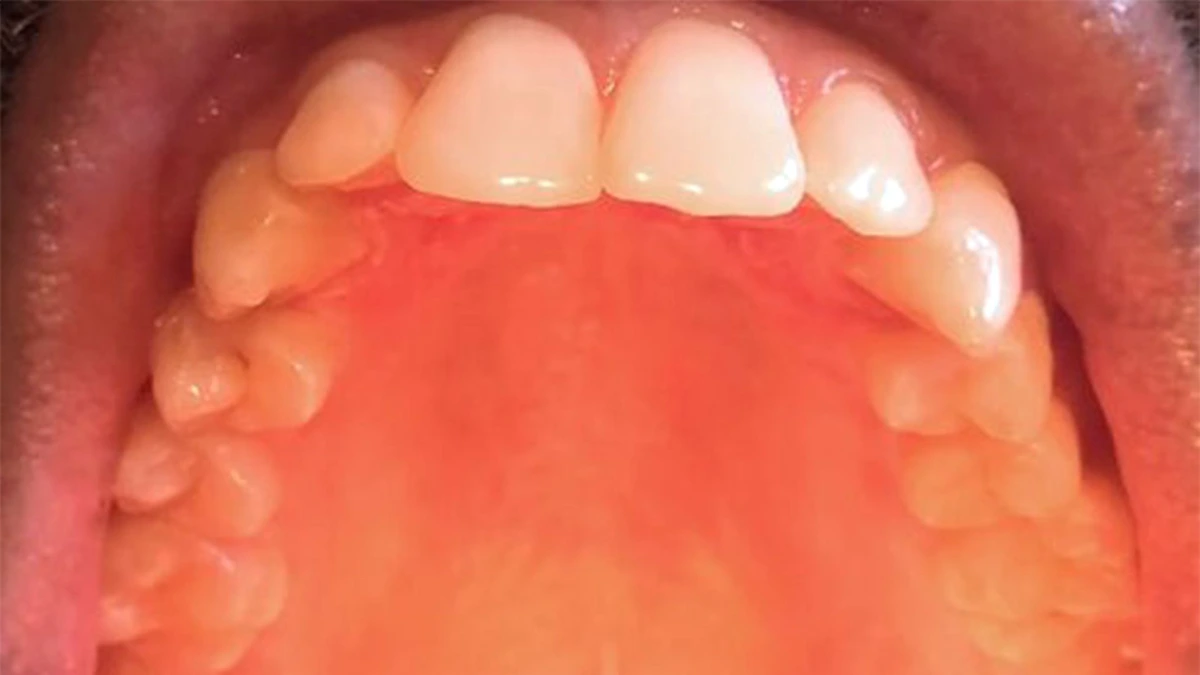
Many causes of roof-of-mouth pain share similar symptoms. Here is how to tell them apart.
Canker sore vs. cold sore: Canker sores are inside the mouth, are not contagious, and have no known viral cause. Cold sores usually appear on or near the lips, are caused by HSV, and are contagious. Cold sores on the palate are less common but do occur.
Oral thrush vs. canker sore: Thrush produces multiple creamy white patches that may cover large areas of the palate and tongue. Canker sores are individual ulcers with a defined red border. Thrush patches can sometimes be wiped off, revealing raw tissue beneath.
Sinus pressure vs. dental abscess: Sinus pressure causes a diffuse, dull ache across the roof of the mouth, often with nasal symptoms. A dental abscess causes more focused, throbbing pain that worsens progressively and is often accompanied by tooth sensitivity.
Burn vs. trauma: Burns typically cause immediate sharp pain that transitions to lingering tenderness. Trauma from a bite or sharp food causes localized, immediate pain followed by swelling and bruising in a specific spot.
Many causes of palate pain are preventable with simple habits.
Cool your food and drinks before eating. Let hot beverages and foods sit for a minute or two before taking the first bite. Pizza in particular holds heat in the cheese layer well beyond when the crust feels safe.
Maintain good oral hygiene. Brush twice daily, floss once daily, and use an alcohol-free antibacterial mouthwash. Good hygiene prevents canker sores, oral thrush, and dental infections from developing.
Stay hydrated. Adequate water intake prevents dry mouth, keeps the palate tissue healthy, and supports saliva production, your mouth’s natural defense system.
Eat a balanced diet. Ensuring adequate intake of iron, B vitamins, folate, and vitamin C prevents the nutritional deficiencies linked to chronic mouth sores and soreness.
Avoid tobacco. Smoking and chewing tobacco irritate every surface of the mouth continuously, increasing the risk of chronic palate pain, gum disease, and oral cancer.
See your dentist regularly. Twice-yearly dental check-ups catch developing dental problems — abscesses, cavities, ill-fitting appliances — before they become painful. Dentists can also identify early signs of oral cancer during routine examinations.
Handle dental appliances carefully. If you wear braces, retainers, or dentures, check regularly for sharp edges or areas that press uncomfortably against the palate. Alert your orthodontist or dentist to any appliance-related irritation promptly.
Pain on the palate feels different depending on what is causing it. Recognizing the quality of your pain can help you narrow down the cause before your appointment.
Sharp and immediate: Usually a burn from hot food or a cut from something sharp. The pain hits instantly and then settles into tenderness.
Throbbing and deep: Often points to a dental abscess or severe sinus infection. The pain tends to pulse and worsen over time rather than improving.
Burning without a visible cause: Characteristic of burning mouth syndrome or reflux reaching the soft palate. No ulcer or sore is visible but the burning sensation is consistent.
Itchy and tingly: Associated with oral allergy syndrome after eating raw fruits, vegetables, or nuts. Usually resolves within 30 minutes.
Dull and pressure-like: Most often linked to sinus pressure or congestion. The discomfort spans the full width of the palate rather than a single spot.
Localized with white or yellow spot: Classic presentation of a canker sore or cold sore. The sore is painful to touch and may make eating uncomfortable.
Psychological stress directly affects oral health in ways many people do not realize.
Stress weakens the immune system, which makes the body more susceptible to canker sores, cold sore outbreaks, and oral thrush. Stress also triggers teeth grinding (bruxism), which can put pressure on the palate and cause soreness.
Chronic stress raises cortisol levels, which disrupts the mouth’s natural microbial balance. Managing stress through sleep, exercise, mindfulness, and professional support is genuinely beneficial for oral health as well as overall wellbeing.
Children and adults can experience the same causes of palate pain, but some are more common in each age group.
Children are more likely to experience herpetic gingivostomatitis — a primary HSV infection that causes widespread painful sores throughout the mouth including the palate. It is more severe than typical cold sores and often includes fever and difficulty swallowing.
Adults and older people are more susceptible to oral thrush, dry mouth (often medication-related), burning mouth syndrome, and oral cancer. Postmenopausal women have a higher rate of burning mouth syndrome specifically.
In all ages: Burns from hot food and canker sores are among the most common causes regardless of age group.
| Category | Most Likely Cause | Self-Care Possible? | See a Professional? |
|---|---|---|---|
| After eating hot food | Burn / scald | Yes | Only if severe |
| White sore, inside mouth | Canker sore | Yes | If over 2 weeks |
| Blisters, spreading | Cold sore (HSV) | Partial | If frequent/severe |
| White patches, cottony | Oral thrush | No | Yes |
| Nasal congestion + pain | Sinus infection | Partial | If over 10 days |
| Sharp appliance pain | Dental appliance irritation | Partial | Yes (adjustment) |
| Burning, no sore | Burning mouth syndrome | Partial | Yes |
| Morning worse pain | Acid reflux (GERD) | Partial | Yes |
| Throbbing tooth/jaw pain | Dental abscess | No | Yes, urgently |
| Non-healing sore, 2+ weeks | Possible oral cancer | No | Yes, immediately |
Pain without an obvious cause is often linked to burning mouth syndrome, dry mouth, or acid reflux reaching the soft palate. A doctor or dentist can identify the cause after a brief examination.
Minor burns and canker sores typically resolve within one to two weeks. Pain from infections, sinus issues, or dental problems lasts longer and needs treatment to fully resolve.
Yes. The sinuses sit directly above the hard palate and when inflamed, the pressure radiates downward and creates a dull, throbbing ache across the roof of the mouth.
Yes, if you ate something very hot, sharp, acidic, or spicy. Recurring pain after eating could indicate an allergy, acid reflux, or a developing dental issue worth checking out.
A saltwater rinse and a benzocaine-based numbing gel (like Orajel) together provide the fastest relief for most minor causes of palate pain, including canker sores and minor burns.
Yes. Dehydration reduces saliva production, leaving the palate dry and irritated. Simply drinking more water throughout the day can relieve mild soreness caused by dryness.
See a doctor or dentist if pain lasts more than two weeks, is accompanied by fever or swelling, includes white patches that do not wipe off, or if you notice a lump or sore that is not healing.
Yes. Stress weakens the immune system and triggers canker sore outbreaks, cold sore flares, and oral thrush. Stress-related teeth grinding can also put pressure on the palate and cause soreness.
Yes. Stomach acid that travels up to the throat and soft palate causes a burning sensation and soreness at the back of the roof of the mouth, often worse in the morning.
It can be, but oral cancer is uncommon compared to other causes. The warning sign is a sore, lump, or patch that does not heal after two weeks. Any persistent unexplained pain deserves a professional evaluation.
Why does the top of my mouth hurt is a question with a wide range of answers, from something as simple as eating a slice of pizza too quickly to something as serious as an oral infection that needs medical treatment.
The palate is delicate tissue that reacts strongly to heat, pressure, microbes, and nutritional changes.
For most people, the cause is minor — a burn, a canker sore, or mild dehydration — and home remedies like saltwater rinses, cool foods, and over-the-counter numbing gels bring reliable relief within a few days.
But pain that persists beyond two weeks, spreads, accompanies fever, or appears without any visible explanation deserves professional attention.
Regular dental check-ups remain the best tool for catching both common and serious causes of palate pain before they become larger problems.
Your mouth is telling you something — listening to it early always leads to better outcomes.