
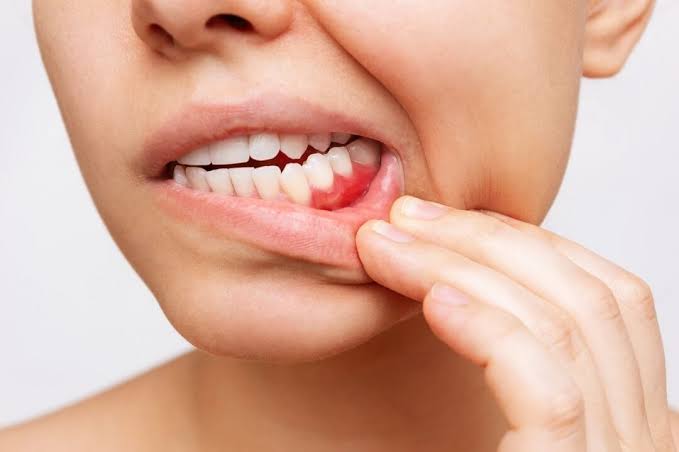
Why does my gums hurt is one of the most common questions people ask their dentist. Gum pain is not something to ignore — it is your body’s way of sending a signal that something is wrong in your mouth.
The causes range from simple irritation to serious gum disease, infections, or even hormonal changes. Understanding the root cause is the first step toward finding real relief.
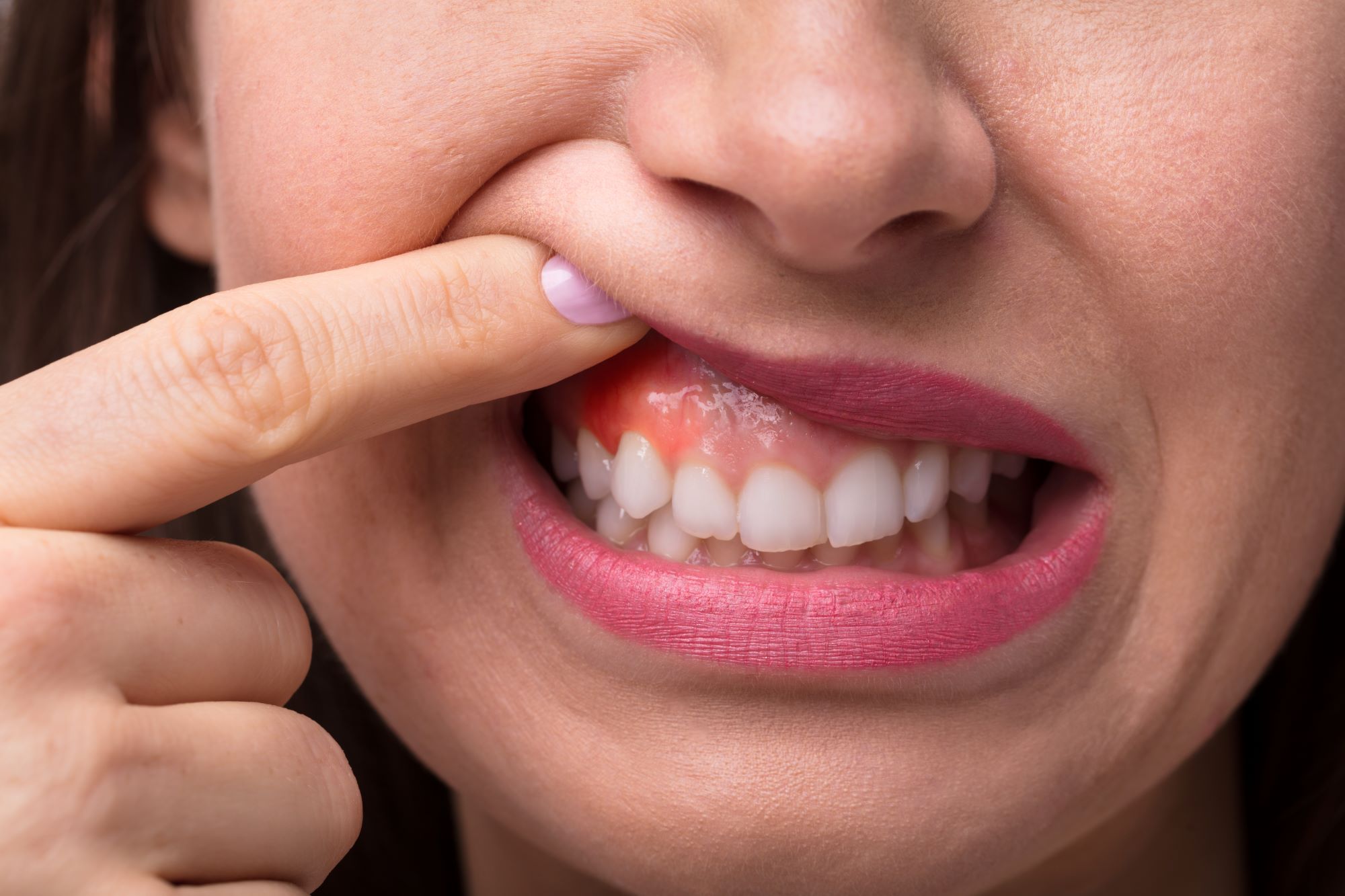
Gum pain does not always feel the same for everyone. Some people feel a dull ache, others notice sharp soreness, and some experience throbbing pressure deep around the teeth.
Common sensations people report include:
Knowing what kind of pain you have helps identify the cause faster.
Understanding the cause is key. Here are the most frequently identified reasons for gum pain, backed by dental research and clinical sources.
Gingivitis is the number one reason why gums hurt. It develops when plaque — a sticky film of bacteria — builds up along the gumline and is not properly removed.
The bacteria in plaque release toxins that irritate gum tissue, causing inflammation, redness, and soreness. The good news is that gingivitis is completely reversible with improved oral hygiene and professional cleaning.
Key signs: Red or swollen gums, bleeding when brushing, mild tenderness.
When gingivitis is left untreated, it progresses into periodontitis. This is a much more serious infection that damages the bone and soft tissue holding your teeth in place.
Periodontitis causes deep pockets to form around teeth where bacteria collect and destroy the supporting structure. Pain at this stage can be persistent and severe, and tooth loss becomes a real risk.
Key signs: Gums pulling away from teeth, loose teeth, chronic bad breath, deep aching pain.
Brushing too hard or using a hard-bristled toothbrush can physically damage your gums. The tissue is soft and sensitive — scrubbing aggressively causes soreness, micro-tears, and over time leads to gum recession.
Many people brush harder thinking it cleans better, but gentleness with a soft-bristled brush is far more effective and much safer for your gums.
Key signs: Soreness right after brushing, gums appearing to shrink back from teeth over time.
Snapping floss down hard into the gum pocket or sawing it back and forth too aggressively causes gum cuts and bleeding. If your gums hurt right after flossing, technique is likely the issue.
Gentle C-shaped flossing around each tooth, sliding the floss up and down rather than snapping, prevents damage while still removing debris effectively.
Key signs: Bleeding immediately after flossing, soreness only between teeth.
Canker sores are small, round ulcers that appear on the soft tissue of the mouth including the gums. They are not contagious and are triggered by stress, minor mouth injuries, certain foods, or immune system fluctuations.
They usually heal on their own within 7 to 14 days but can be quite painful while present. Avoiding acidic or spicy foods speeds up recovery.
Key signs: Visible white or yellowish sore with a red border, pain when eating or drinking, usually one small spot.
A tooth abscess is a pocket of pus caused by a bacterial infection at the root of a tooth. It creates intense pressure in the surrounding gum tissue and can cause significant throbbing pain.
This is a dental emergency. An untreated abscess can spread infection to the jaw, neck, and even the brain. You should see a dentist immediately if you suspect an abscess.
Key signs: Severe throbbing pain, visible swelling, a bad taste or pus in the mouth, fever.
Wisdom teeth typically erupt between the ages of 17 and 25. When they push through the gum tissue, they cause soreness and inflammation in the surrounding area — especially if there is not enough space for them to emerge properly.
Impacted wisdom teeth — those stuck at an angle under the gum — cause even more pain and create pockets where bacteria collect, raising the risk of a serious infection called pericoronitis.
Key signs: Pain at the very back of the mouth, swelling near the last molar, difficulty opening the jaw fully.
Hormones have a direct impact on gum health. During pregnancy, menstruation, menopause, and puberty, increased hormone levels make gum tissue more sensitive, more reactive to bacteria, and more prone to swelling and pain.
Pregnancy gingivitis is a well-documented condition. Gum soreness during these hormonal periods is common but still needs proper care to prevent it from worsening.
Key signs: Gum pain that worsens predictably during certain hormonal phases, swelling without obvious hygiene cause.
A lack of key vitamins has a direct impact on gum health. Vitamin C deficiency is one of the best-known causes of swollen, bleeding gums — a condition historically known as scurvy. Vitamin B and vitamin K deficiencies are also linked to gum problems.
If your diet is low in fruits and vegetables, your gums may be suffering as a result of nutrient gaps rather than a dental infection.
Key signs: Gum pain alongside fatigue, slow healing of mouth sores, easy bruising.
| Nutrient | Role in Gum Health | Deficiency Sign |
|---|---|---|
| Vitamin C | Supports gum tissue repair and immune defense | Swollen, bleeding gums |
| Vitamin K | Helps blood clotting in gum tissue | Excessive bleeding when brushing |
| Vitamin B12 | Nerve health and oral tissue maintenance | Mouth sores, gum sensitivity |
| Calcium | Supports jawbone density | Loose teeth, gum recession |
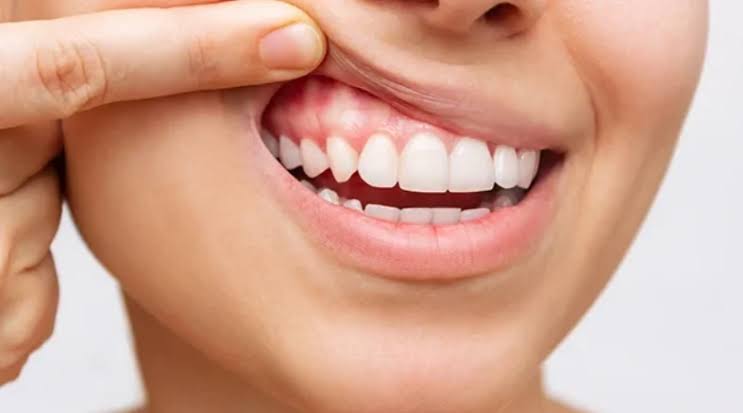
Sinus infections cause swelling and pressure in the sinus cavities, which sit just above the upper teeth. This pressure often radiates downward, creating a sensation that feels exactly like tooth or gum pain in the upper jaw.
People often think their gums are the problem when the real culprit is a sinus infection. If the pain is mainly in the upper back teeth and is accompanied by nasal congestion, sinusitis may be the cause.
Key signs: Upper jaw gum pain only, nasal congestion, pain that worsens when bending forward.
Dentures, braces, retainers, or mouthguards that do not fit correctly create constant friction against gum tissue. This leads to soreness, sores, and chronic irritation that does not go away on its own.
If you have recently received a new dental appliance and your gums started hurting afterward, a quick adjustment from your dentist can solve the problem entirely.
Key signs: Pain located exactly where the appliance sits, sores forming underneath dentures or near braces brackets.
While less common, persistent gum sores that do not heal within two weeks can in rare cases be a sign of oral cancer. Oral cancer can begin on the gums, cheeks, tongue, or floor of the mouth.
Early detection dramatically improves outcomes. This is not the first thing to suspect, but any non-healing sore lasting more than two weeks should be evaluated by a dentist or doctor.
Key signs: A sore or lump that does not heal, numbness in the gum area, unexplained bleeding without obvious cause.
Pain in a single specific spot is often more telling than generalized gum soreness. Here are the most common reasons for localized gum pain:
If you feel pain in just one spot, gently rinse with warm salt water and check with a mirror for visible swelling, sores, or food debris. If it does not clear up within three days, see a dentist.
Some people only notice gum pain while eating or immediately afterward. This usually points to one of these causes:
Keeping a simple log of what you eat and when the pain appears helps identify food triggers quickly.
Gum pain during or right after brushing is one of the most reported symptoms. The most common causes include:
Switch to a soft-bristled toothbrush and hold it at a 45-degree angle to the gumline. Use short, gentle circular strokes instead of back-and-forth scrubbing.
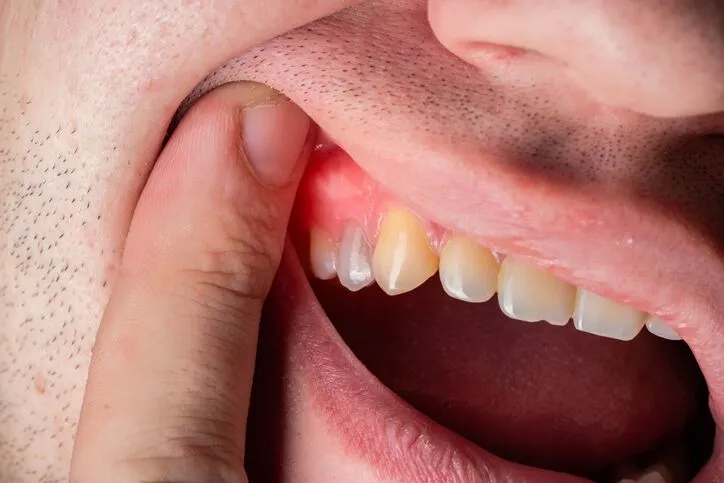
For mild to moderate gum soreness without signs of serious infection, these home remedies provide effective short-term relief.
This is the most widely recommended home remedy by dentists. Salt is a natural disinfectant that reduces bacteria and soothes inflamed tissue.
Mix half a teaspoon of salt into a glass of warm water. Swish gently around the mouth for 30 seconds, two to three times a day. Do not swallow.
Applying an ice pack wrapped in a cloth to the outside of your cheek helps reduce swelling and numbs mild gum pain. Use for 10 to 15 minutes at a time with breaks in between.
Clove oil contains eugenol, a natural anesthetic compound. Dilute a few drops with a carrier oil like coconut or olive oil and apply to the sore spot with a cotton ball. Do not apply undiluted clove oil directly as it can burn tissue.
Ibuprofen (an anti-inflammatory) is often preferred for gum pain because it addresses both the pain and the underlying inflammation. Acetaminophen treats pain but does not reduce swelling. Always follow label directions.
Turmeric contains curcumin, which has natural anti-inflammatory and antibacterial properties. Mix a small amount of turmeric powder with water to form a paste and apply to sore gum tissue for 10 minutes before rinsing.
A diluted hydrogen peroxide rinse (one part 3% hydrogen peroxide to one part water) can help kill bacteria and reduce gum inflammation. Use only occasionally and do not swallow.
| Home Remedy | Best For | How Often |
|---|---|---|
| Salt water rinse | General gum soreness, inflammation | 2–3 times daily |
| Cold compress | Swelling, throbbing pain | 10–15 min intervals |
| Clove oil | Sharp localized pain | As needed |
| Ibuprofen | Pain plus swelling | As directed on label |
| Turmeric paste | Bacterial irritation, mild infection | Once or twice daily |
| Hydrogen peroxide rinse | Bacterial buildup, early gingivitis | 1–2 times per week max |
Home remedies help with mild irritation but are not a substitute for professional treatment when certain warning signs appear.
See a dentist as soon as possible if:
Waiting too long to see a dentist allows minor gum problems to become major ones. Early treatment saves teeth, money, and pain.
Depending on the diagnosis, your dentist may recommend one or more of the following treatments:
This is the primary treatment for gum disease that has progressed beyond the gumline. The dentist removes plaque and tartar from below the gumline and smooths the root surface to help the gum reattach to the tooth.
For bacterial infections, your dentist may prescribe oral antibiotics or an antibiotic gel applied directly into gum pockets to eliminate the infection at the source.
Chlorhexidine mouthwash is a prescription-strength antibacterial rinse used to control infection and reduce plaque in people with gum disease. It is more powerful than over-the-counter options.
If gum pain is caused by an abscessed tooth, a root canal removes the infected pulp from inside the tooth, eliminates the bacterial source, and saves the tooth from extraction.
For impacted wisdom teeth causing recurring pain, swelling, or infection, extraction is usually the most effective and permanent solution.
For advanced periodontitis with deep pockets, bone loss, or severe gum recession, surgical procedures such as flap surgery or bone grafting may be needed to restore gum and bone health.
Prevention is always easier than treatment. These daily habits significantly reduce your risk of developing gum pain.
Research has established a clear link between gum disease and overall body health. Untreated gum infections do not stay in the mouth.
Chronic gum disease has been associated with increased risk of heart disease, respiratory disease, diabetes complications, certain cancers, and Alzheimer’s disease. Bacteria from infected gum pockets can enter the bloodstream and trigger inflammation throughout the body.
Taking care of your gums is not just about your smile — it is a genuine investment in your long-term physical health.
Pregnancy hormones increase blood flow to gum tissue, making gums more sensitive and reactive to bacteria. This condition — called pregnancy gingivitis — is very common. Regular gentle brushing, flossing, and professional cleanings during pregnancy are safe and important.
Children’s gums can hurt during teething, after tooth loss, or from developing gingivitis due to inconsistent brushing. Teaching children proper brushing technique early prevents most gum problems.
As people age, gum recession, dry mouth from medications, and years of accumulated bone loss make gum pain more common. Regular dental visits become more critical with age.
Some tenderness after fillings, crowns, cleanings, or extractions is normal and typically resolves within two to three days. If pain worsens or continues beyond a week after a procedure, contact your dentist immediately.
Sudden gum pain is often triggered by a trapped food particle, a new canker sore, or early gingivitis flaring up. If it does not resolve within a couple of days, visit a dentist to rule out infection.
Yes, indirectly. Stress weakens the immune system, making it harder for your body to fight oral bacteria, and it is also linked to teeth grinding which puts direct pressure on gum tissue.
Diet is not the only factor. Poor brushing technique, early gum disease, hormonal changes, or a vitamin deficiency can all cause gum pain regardless of what you eat.
Yes, continue brushing but switch to an extra-soft bristled toothbrush and use very gentle pressure. Stopping brushing allows more plaque to build up, which worsens the pain.
Yes. Upper jaw gum pain is a well-known symptom of sinusitis because the sinus cavities sit directly above the upper tooth roots, and pressure from the infection radiates downward.
Minor irritation from brushing or a canker sore usually clears up within 3 to 7 days. Pain lasting more than a week or getting worse is a sign you need professional dental care.
Mild cases caused by minor irritation or canker sores usually resolve on their own. However, pain from gum disease, abscesses, or infections will not go away without treatment and will worsen over time.
Lying down increases blood flow to the head, which can intensify gum inflammation and throbbing pain. Nighttime teeth grinding also adds pressure to gum tissue while you sleep.
Vitamin C deficiency is the most directly linked to swollen and bleeding gums. Low Vitamin K and B12 also contribute to gum tissue fragility and pain.
Gum pain combined with fever, severe facial swelling, pus, or inability to open the mouth fully is a dental emergency. These are signs of a spreading infection that requires immediate professional treatment.
Why does my gums hurt is a question that deserves a real answer, not just a temporary fix.
Gum pain can signal anything from a small canker sore to a serious infection that could impact your overall health.
The most common cause is gingivitis — which is fully reversible with proper care.
However, causes like abscesses, periodontitis, impacted wisdom teeth, hormonal changes, and nutritional deficiencies all require different approaches to treatment.
Start with the basics: brush gently twice a day, floss correctly, rinse with salt water, and take OTC pain relief if needed. If the pain persists beyond a week, gets worse, or comes with swelling and fever, see a dentist right away.
Your gums protect your teeth and your teeth support your overall health. Taking gum pain seriously today prevents far bigger problems tomorrow.
Healthy gums are not just a dental goal — they are a total body health goal.