
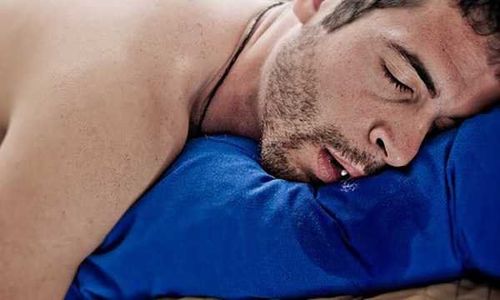
Why do I drool so much when I sleep is one of the most common yet underrated sleep questions people ask.
You wake up, flip the pillow to the dry side, and carry on with your day without ever understanding why it keeps happening.
Drooling during sleep is mostly harmless, but when it happens every single night or leaves your pillow soaked, something specific is triggering it.
From your sleeping position to underlying health conditions, several well-documented causes are responsible.
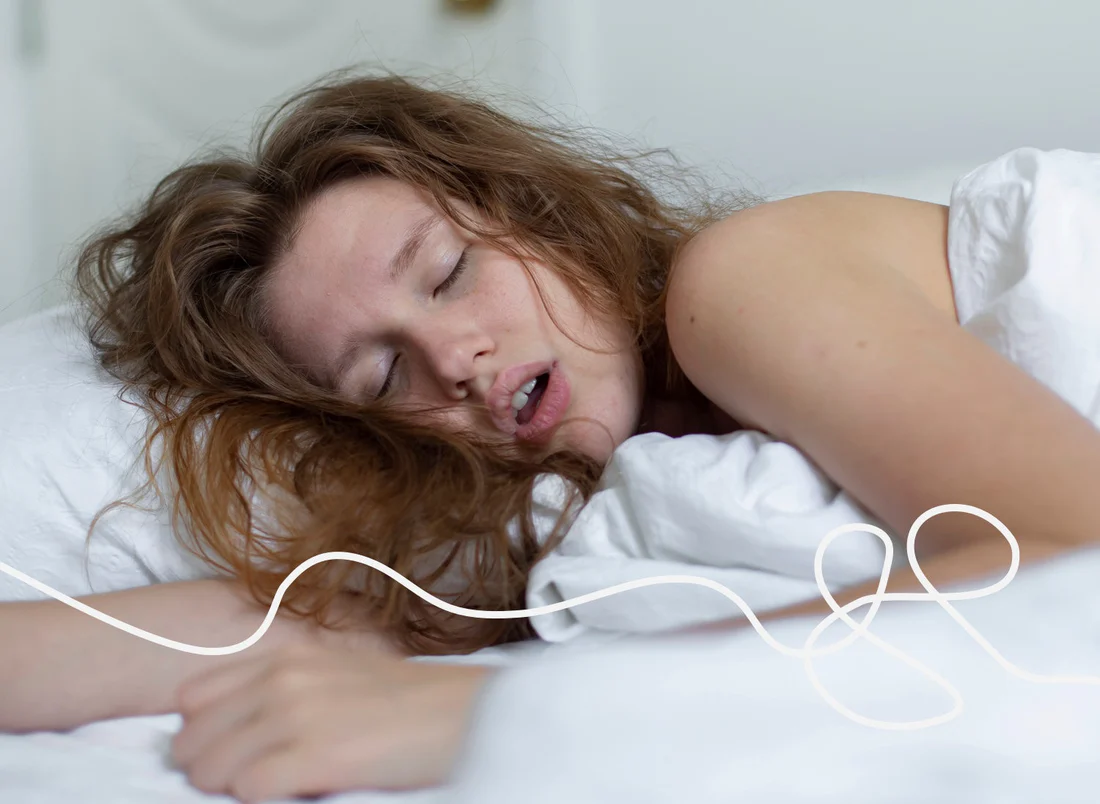
Drooling during sleep, medically called nocturnal sialorrhea, happens when saliva escapes the mouth during the night. It is surprisingly common in both adults and children.
Your body produces between one and two liters of saliva every single day. Saliva production slows during sleep but never stops completely, because saliva performs the vital job of keeping your mouth and throat lubricated even at night.
The real issue is not always excess saliva production. More often, it is that your swallowing reflex slows dramatically during sleep, allowing whatever saliva is present to pool and eventually escape.
During the day, you swallow automatically every few minutes without noticing. This continuous swallowing clears saliva from your mouth before it can accumulate.
When you fall asleep, the brain reduces the frequency of this swallowing reflex significantly. During the deepest stages of sleep, swallowing may pause entirely for extended stretches.
At the same time, the muscles around your mouth and jaw fully relax. These two things together, less swallowing and relaxed facial muscles, create the perfect conditions for saliva to pool and drip out.
Sleep position is the single most common cause of drooling during sleep, and it is entirely mechanical. Gravity determines where your saliva goes while you are unconscious.
When you sleep on your back, gravity pulls saliva toward the back of your throat, where it drains naturally into the stomach. Very little reaches the edges of your mouth.
When you sleep on your side or stomach, gravity pulls saliva toward the lower cheek and lips. If your mouth is even slightly open, that saliva finds its way to your pillow.
| Sleep Position | Gravity Effect on Saliva | Drooling Risk |
|---|---|---|
| Back sleeping | Pulls saliva toward throat, natural drainage | Very Low |
| Side sleeping (left or right) | Pulls saliva toward lips and lower cheek | High |
| Stomach sleeping | Gravity pulls toward mouth opening | High |
| Back with head elevated | Even better drainage toward throat | Lowest |
Side and stomach sleepers consistently drool more than back sleepers. If you wake up with drool always on the same side, you are almost certainly spending most of the night sleeping on that side.
Your mouth does not stay open at night unless something is forcing it to. The most common culprit is nasal obstruction, which blocks normal breathing through the nose.
When the nose cannot move enough air, the body automatically opens the mouth to compensate. The moment your mouth opens during sleep, two things happen: saliva is free to escape, and the dry airflow through the mouth actually stimulates slightly more saliva production.
The most frequent causes of nasal obstruction that lead to mouth breathing and drooling include seasonal allergies, sinus infections, a deviated septum, nasal polyps, and the common cold.
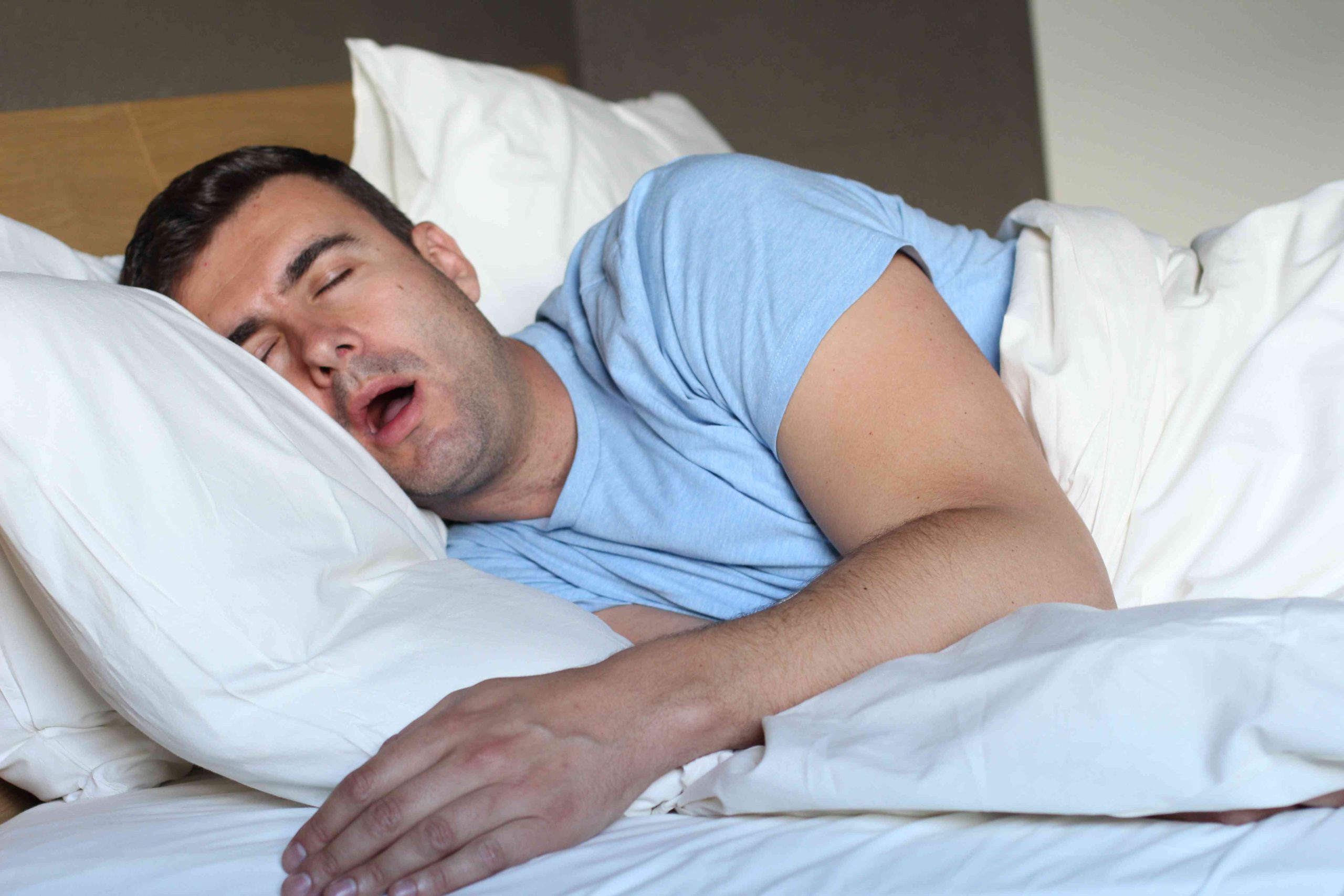
Blocked nasal passages are one of the most underappreciated drivers of nighttime drooling. When you are congested, you have no choice but to breathe through your mouth while asleep.
Seasonal allergies inflame the nasal passages and sinuses, creating ongoing obstruction that forces nightly mouth breathing. Even mild allergies that barely bother you during the day can fully block nasal airflow when you are horizontal at night.
Treating the underlying allergy or congestion is often enough to resolve the drooling entirely. Clearing your nasal passages before bed is one of the most direct solutions available.
Obstructive sleep apnea (OSA) is a sleep disorder where the airway repeatedly collapses during sleep, causing breathing to pause. This forces the body to open the mouth and gasp for air, leading to persistent mouth breathing throughout the night.
Research published in Sleep and Breathing found that mouth breathing during sleep is significantly more common in people with obstructive sleep apnea. Every time the airway closes, the mouth opens, and saliva escapes.
If your drooling comes with loud snoring, gasping sounds during sleep, waking up feeling unrefreshed, morning headaches, or excessive daytime sleepiness, sleep apnea should be investigated. A sleep study can confirm the diagnosis.
Gastroesophageal reflux disease (GERD) is a significant but often overlooked cause of nighttime drooling. When stomach acid travels back into the esophagus during sleep, the body activates a protective reflex called water brash.
Water brash triggers the salivary glands to produce a surge of extra saliva specifically to neutralize the acid in the esophagus. This sudden increase in saliva volume often overwhelms the relaxed swallowing reflex and results in drooling.
People with GERD often notice more drooling on nights when reflux is worse, especially after eating large meals close to bedtime. Addressing acid reflux directly tends to reduce the drooling episodes substantially.
Certain medications directly increase saliva production or impair the muscle control needed to manage saliva during sleep. This is called drug-induced sialorrhea.
The most commonly linked medication classes include antipsychotic drugs (particularly clozapine), cholinergic medications used for Alzheimer’s disease and myasthenia gravis, some antibiotics, muscle relaxants, and certain antidepressants.
If your drooling started around the same time as a new medication, that connection is worth discussing with your prescribing doctor. Adjusting the dose, timing, or switching to a different medication may resolve the issue.
| Medication Type | Examples | Effect on Drooling |
|---|---|---|
| Antipsychotics | Clozapine, olanzapine | Strongly increases saliva production |
| Cholinergic drugs | Donepezil (for Alzheimer’s) | Stimulates salivary glands directly |
| Muscle relaxants | Baclofen, tizanidine | Reduces swallowing muscle control |
| Some antidepressants | Certain SSRIs | Can affect saliva consistency |
| Antibiotics (some) | Selected classes | Can cause temporary hypersalivation |
Several neurological conditions impair the nerve signals that control swallowing and facial muscle coordination. When these signals are disrupted, saliva cannot be managed properly, even during waking hours.
Parkinson’s disease is one of the most well-known neurological causes of excessive drooling. The condition progressively reduces muscle control, including the muscles that manage saliva in the mouth and throat.
Other neurological conditions linked to drooling include ALS (amyotrophic lateral sclerosis), multiple sclerosis, cerebral palsy, and stroke recovery. In these cases, drooling is not just a nighttime problem and requires medical management.
Bruxism, the habit of grinding or clenching teeth during sleep, is more common than most people realize. The repetitive jaw movement stimulates the salivary glands, increasing saliva production during the night.
The mechanical motion of grinding also promotes more frequent mouth opening, giving saliva additional opportunities to escape. People who grind their teeth often drool more than those who do not.
Signs of bruxism include waking up with jaw soreness, dull headaches, tooth sensitivity, and a partner reporting grinding sounds at night. Treating bruxism with a dental mouth guard can reduce both the grinding and the drooling.
What you eat and when you eat it can directly affect how much you drool during sleep. Certain foods are powerful salivary gland stimulants that keep production elevated long after you finish eating.
Spicy foods, highly acidic foods like citrus and tomatoes, and foods with very strong flavors all increase saliva production. Eating these close to bedtime means elevated saliva levels persist into the early hours of sleep.
Large meals eaten within two to three hours of sleep also increase the risk of GERD-related saliva surges. Eating lighter, earlier, and avoiding strong flavors before bed is a practical and effective preventive step.
Dehydration actually thickens saliva, making it stickier and more difficult to swallow naturally. Thicker saliva is more likely to pool and drip than thin, well-hydrated saliva.
Staying well hydrated throughout the day helps maintain saliva at a normal consistency. Drinking adequate water between six and eight glasses per day keeps the saliva thin enough to be managed more easily by the relaxed swallowing reflex during sleep.
However, drinking large amounts of water right before bed can also increase the overall fluid volume your body has to manage overnight. Spacing hydration throughout the day is more effective than trying to catch up in the evening.
Alcohol relaxes muscles throughout the body, including the muscles responsible for controlling the mouth and managing swallowing. Drinking before bed significantly increases the chance of drooling at night.
Sedative medications and sleep aids have a similar effect. They deepen muscle relaxation beyond what normal sleep typically produces, further reducing the swallowing reflex and increasing mouth opening during sleep.
People who notice they drool more on nights they drink alcohol are observing a direct pharmacological effect. Reducing or eliminating alcohol in the hours before sleep often produces a noticeable improvement.
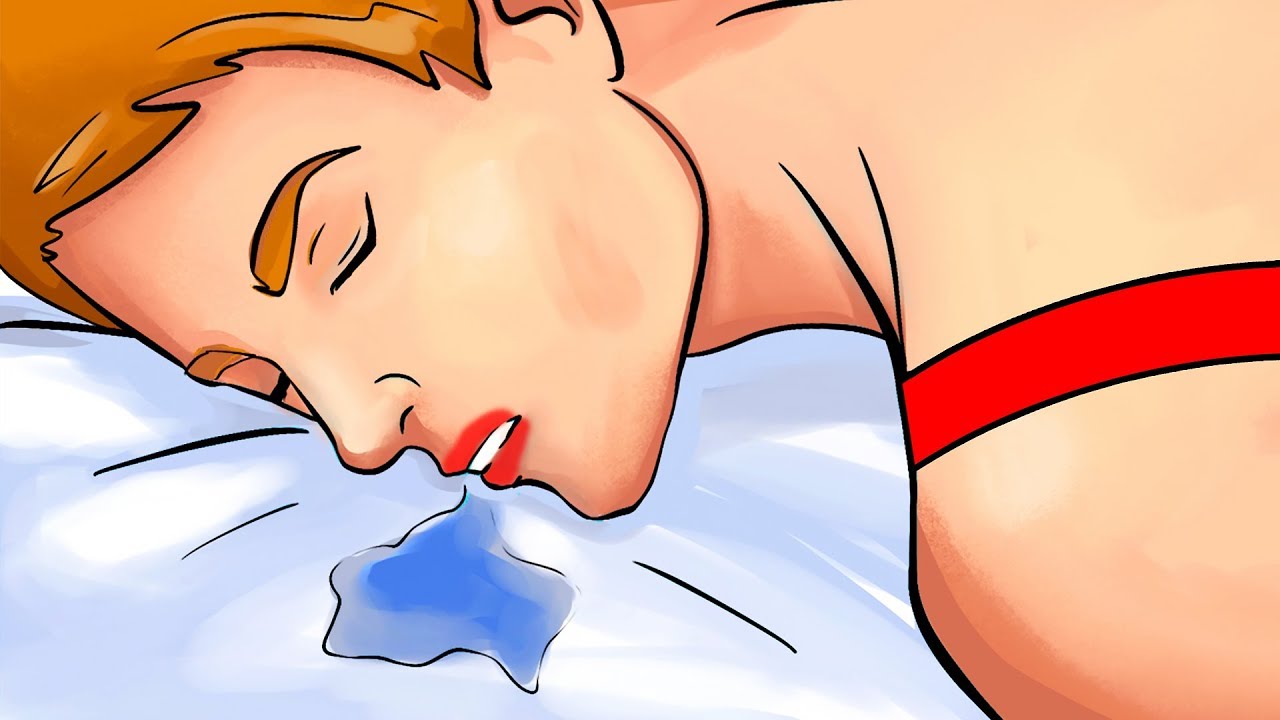
Most nighttime drooling is harmless and caused by position or minor congestion. However, certain patterns suggest something that needs medical attention.
You should see a doctor if drooling is sudden and new without an obvious trigger, soaks your pillow every single night, comes with difficulty swallowing during the day, is accompanied by snoring and gasping, or occurs alongside other neurological symptoms like muscle weakness or tremors.
Sudden onset drooling in someone who previously never drooled can sometimes indicate a new neurological event, a medication effect, or a developing sleep disorder. Early evaluation is always better than waiting.
Stopping nighttime drooling usually means identifying which specific cause applies to you and addressing it directly. Most people can reduce or eliminate drooling with lifestyle changes alone.
Back sleeping is the single most effective position change for reducing drooling. When you sleep on your back with your head slightly elevated, gravity keeps saliva draining naturally toward the throat.
Use a pillow that keeps your head elevated but does not push your chin into your chest. A contoured cervical pillow works well for back sleepers and encourages natural drainage.
If you always roll back to your side during the night, placing a rolled towel or body pillow along your sides can act as a physical barrier that keeps you on your back.
If nasal obstruction is the reason your mouth stays open at night, clearing the airway before sleep directly addresses the root cause. Several tools and approaches work well for this.
A saline nasal rinse or neti pot used before bed flushes out allergens, dust, and mucus from the nasal passages. This is one of the most well-supported home remedies for reducing mouth breathing and the drooling that comes with it.
Nasal strips worn across the bridge of the nose physically widen the nasal passages, increasing airflow and reducing the need to breathe through the mouth. They are inexpensive and available without a prescription.
| Solution | What It Addresses | Effectiveness | Ease |
|---|---|---|---|
| Switch to back sleeping | Sleep position cause | High | Medium |
| Elevate head with pillow | Gravity and drainage | High | Easy |
| Saline nasal rinse before bed | Nasal congestion, allergies | High | Easy |
| Nasal strips at night | Nasal obstruction | Medium-High | Easy |
| Treat allergies (antihistamines) | Allergy-driven congestion | High | Easy |
| CPAP therapy | Sleep apnea cause | Very High | Requires diagnosis |
| Avoid alcohol before bed | Muscle relaxation | Medium | Easy |
| Eat lighter meals earlier | GERD-related drooling | Medium | Easy |
| Mouth taping (porous tape) | Mouth breathing habit | Medium | Caution required |
| Dental mouth guard | Bruxism-related drooling | Medium | Easy with dentist |
| Botox injections | Hypersalivation (medical) | High | Medical procedure |
| Speech and swallowing therapy | Neurological causes | High | Requires therapist |
Oropharyngeal exercises, movements that strengthen the muscles of the mouth, tongue, and throat, can improve muscle control during sleep over time. These are the same exercises used in speech therapy for swallowing difficulties.
Simple exercises include filling your cheeks with air and moving the air from side to side, puckering your lips and releasing, pressing your tongue firmly against the roof of your mouth and holding for five seconds, and opening your jaw wide and closing it slowly.
Performing these exercises daily for several weeks can build enough muscle tone to partially maintain swallowing control even during sleep. They are particularly useful when combined with positional changes.
Mouth taping involves placing a strip of porous tape over the lips at night to keep the mouth closed and encourage nasal breathing. It has become a popular approach in wellness circles for reducing both snoring and drooling.
It is effective for some people, particularly those who simply have a habit of sleeping with their mouth open without any structural obstruction. However, it is not safe for everyone.
Never use mouth tape if you have untreated sleep apnea, significant nasal obstruction, or any breathing difficulty. Always start with porous medical tape that allows some airflow and consult a doctor before trying it.
A humidifier adds moisture to the bedroom air, which prevents the nasal passages and throat from drying out during the night. Dry air irritates nasal passages and can worsen congestion, making mouth breathing more likely.
Running a humidifier while you sleep keeps mucosal tissues better hydrated, making nasal breathing more comfortable and reducing the dryness that can trigger increased saliva production.
A cool mist humidifier set to maintain bedroom humidity between 40 and 50 percent is generally recommended for sleep health.
When lifestyle and positional changes are not enough, medical options are available. These are generally reserved for cases where drooling is chronic, excessive, or caused by a medical condition.
Anticholinergic medications reduce saliva production by blocking the nerve signals that activate the salivary glands. These are used primarily for people with neurological conditions like Parkinson’s disease.
Botulinum toxin (Botox) injected into the salivary glands is a well-established treatment that temporarily reduces saliva production for three to six months. It is considered safe and effective with few side effects for this application.
Mandibular oral appliances worn during sleep reposition the jaw and tongue to keep the airway open and the mouth closed, reducing both mouth breathing and saliva escape.
Surgery to remove or reposition salivary glands is the most extreme option and is reserved for severe, medically complex cases where all other approaches have failed.
Drooling is extremely common in infants and toddlers because the swallowing reflex and oral muscle control are still developing. This is a normal part of development and typically resolves by age three to four.
In school-age children who continue drooling, the cause may be allergies, enlarged tonsils or adenoids, or in some cases a developmental condition affecting muscle control.
In adults, drooling during sleep is usually caused by the positional and physiological factors already covered. New or sudden drooling in an adult should be evaluated more carefully than in a child where it is developmentally expected.
Nighttime drooling and morning bad breath are closely connected. When saliva pools in the mouth during sleep rather than being swallowed, it creates a warm, moist environment where anaerobic bacteria thrive.
These bacteria produce sulfur compounds that are responsible for the unpleasant odor of morning breath. The more drooling and saliva pooling that occurs during the night, the more active these bacteria tend to be.
Good oral hygiene before bed, including brushing, flossing, and using a tongue scraper, reduces the bacterial load in the mouth and limits morning bad breath even when some drooling occurs.
A deviated septum is when the cartilage wall separating the two nasal passages is shifted to one side, restricting airflow through one nostril. Many people have a slight deviation without knowing it.
A significant deviation can make nasal breathing difficult enough that mouth breathing becomes the default during sleep, especially when lying down. This directly leads to chronic nighttime drooling.
An ENT (ear, nose, and throat) doctor can diagnose a deviated septum with a simple examination. Correction through a minor surgical procedure called a septoplasty often resolves chronic mouth breathing and its associated drooling entirely.
Most nighttime drooling does not require a doctor visit. But there are specific situations where professional evaluation is clearly warranted and should not be delayed.
See a doctor if drooling is new and sudden, if it is accompanied by difficulty swallowing food or liquids, if you wake up gasping or with severe morning headaches, if drooling happens during the day as well as at night, or if your sleep partner reports significant breathing pauses or loud snoring.
A primary care doctor can help determine whether a sleep specialist, ENT, neurologist, or dentist should be involved based on the specific pattern of your symptoms.
Even back sleepers can drool if nasal congestion forces mouth breathing, or if GERD or a medication is increasing saliva production at night. Address the underlying cause rather than just changing position.
It can be. Sleep apnea causes repeated mouth breathing throughout the night, and drooling combined with snoring, gasping, or morning fatigue is a strong reason to get a sleep study.
Sudden drooling usually points to a new trigger such as a different medication, worsening allergies, developing GERD, a sinus infection, or weight changes affecting the airway.
Not specifically. Drooling happens more during deeper sleep stages when the swallowing reflex is most reduced, but it is primarily about position and muscle relaxation rather than sleep depth alone.
Yes. Allergies block nasal passages and force mouth breathing, which allows saliva to escape freely. Treating the allergy often reduces or eliminates the drooling almost immediately.
Occasional drooling is harmless. Chronic excessive drooling can cause skin irritation around the mouth, dehydration, worsened bad breath, and disrupted sleep, and may signal an underlying condition.
Staying well hydrated during the day keeps saliva thin and easier to manage. However, drinking too much right before bed can actually increase fluid volume overnight and worsen drooling.
Switch to back sleeping, elevate your head slightly, and rinse your nasal passages with a saline spray before bed. These three steps combined address the most common causes immediately.
Yes. Alcohol relaxes the muscles responsible for controlling the mouth and swallowing, making mouth opening and saliva escape significantly more likely during the night.
Be concerned if it is new and sudden, soaks your pillow every night, comes with trouble swallowing, occurs during the day, or is paired with snoring, gasping, or unrefreshing sleep.
Why do I drool so much when I sleep comes down to a combination of muscle relaxation, reduced swallowing, gravity, and in many cases an underlying cause like nasal congestion, sleep apnea, GERD, or medication side effects.
For most people, sleep position is the main driver and switching to back sleeping with a slightly elevated head produces noticeable improvement within the first few nights.
Clearing nasal passages before bed with a saline rinse addresses the mouth breathing that makes drooling worse.
For persistent or sudden-onset drooling, conditions like sleep apnea, acid reflux, or neurological factors need proper evaluation by a doctor.
Drooling during sleep is almost never dangerous on its own, but it is always trying to tell you something about what is happening while you are unconscious. Understanding the cause puts you in complete control of the solution.