
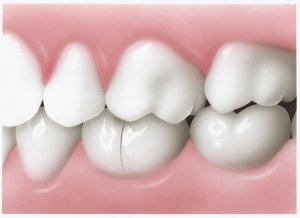
Why does my teeth hurt when I bite down Is a question millions of people search every single day, and the answer is almost never simple.
Tooth pain that appears only when you bite or chew is your body’s direct signal that something underneath the surface needs urgent attention.
The pain may be sharp and sudden, or it may be a dull, lingering ache that never fully goes away.
It can affect one tooth, several teeth, or an entire side of your mouth.
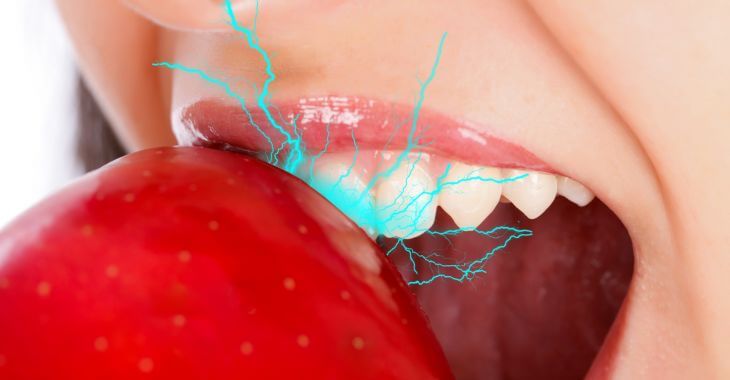
Understanding why does my teeth hurt when I bite down starts with identifying which specific cause matches your symptoms. Each cause has its own pattern, location, and type of pain.
Tooth decay is one of the most common reasons your teeth hurt when you bite down. According to the Centers for Disease Control and Prevention, over 90 percent of adults have had at least one cavity in their lifetime.
When bacteria in plaque produce acids, they erode tooth enamel over time. Once decay reaches the inner dentin layer or the pulp, pressure from biting triggers pain directly on those exposed nerve endings.
Not all cavities cause immediate pain. A cavity can develop for months before it reaches deep enough to cause discomfort when chewing. Common signs include sensitivity to sweets, a visible dark spot, or spontaneous throbbing pain.
A cracked tooth is one of the trickiest causes to diagnose because hairline fractures are often completely invisible on standard X-rays. The crack can come from biting down on something hard, teeth grinding, sports injuries, or old dental work that weakens the tooth structure.
The pain from a cracked tooth is distinctive. It often appears as a sharp jolt right when you bite down, and then fades quickly when you release pressure. The crack flexes under load and irritates the tooth pulp inside.
Dentists use special bite sticks, dyes, or diagnostic lights to find these tiny fractures. If left untreated, a crack can deepen and split the tooth entirely, requiring extraction rather than a simple crown.
A dental abscess is a pocket of pus caused by a bacterial infection that has reached the innermost part of the tooth, called the pulp. It creates swelling and pressure build-up around the tooth root, making even light biting feel intensely painful.
Signs of an abscess go beyond bite pain alone. You may notice a small pimple-like bump on your gum called a fistula, a foul or salty taste in your mouth, swelling in your jaw or face, fever, or chills.
An abscess is a dental emergency. If the infection spreads to surrounding bone or tissue, it can become life-threatening. A root canal is the standard treatment to drain the infection and save the tooth.
The temporomandibular joint connects your jawbone to your skull on both sides. When this joint becomes inflamed, injured, or misaligned, pain can radiate directly to your teeth even when the teeth themselves are perfectly healthy.
TMJ disorders often cause pain on one side of the face that worsens when chewing. You may also notice clicking or popping sounds when opening or closing your mouth, jaw stiffness in the morning, or earache-like pain near the temple.
Stress, jaw clenching, teeth grinding, and previous jaw injuries are the most common triggers. Treatment options include custom bite guards, physical therapy, anti-inflammatory medications, and in severe cases, surgical intervention.
Bruxism is the habit of unconsciously grinding or clenching your teeth, most commonly during sleep. The constant pressure wears down enamel progressively and stresses the tooth roots, ligaments, and jaw muscles over time.
Pain from bruxism often affects multiple teeth rather than just one. It is typically worse first thing in the morning. You may also experience jaw soreness, headaches, or a worn, flat appearance on your back teeth.
A custom-fitted night guard made by your dentist is the most effective treatment. It creates a protective barrier between the upper and lower teeth, absorbing the grinding force before it can damage the enamel further.
Gum disease, especially in its advanced stage called periodontitis, affects nearly 42 percent of American adults over the age of 30. It causes gums to pull away from the teeth, exposing the tooth roots underneath.
Unlike enamel, tooth roots have no protective outer layer. When roots are exposed, they become extremely sensitive to pressure, temperature, and touch. Biting down directly stimulates those exposed nerve-rich surfaces.
Signs include bleeding gums when brushing, swollen or red gum tissue, spaces forming between teeth, heavy tartar build-up, and teeth that feel loose or wobbly. Professional deep cleaning, called scaling and root planing, is the primary treatment.
After getting a new filling, crown, or other dental restoration, pain when biting down is a common complaint. If the restoration sits even a fraction of a millimeter too high, it creates an imbalance that puts excessive force on that single tooth.
This is because teeth are highly sensitive to any change in their contact points. A raised restoration means one tooth bears far more pressure than it is designed to handle during chewing, which inflames the ligaments around the root.
The fix is simple. Your dentist can identify the high spot using thin marking paper that shows where the teeth touch unevenly and then file it down to restore balance quickly.
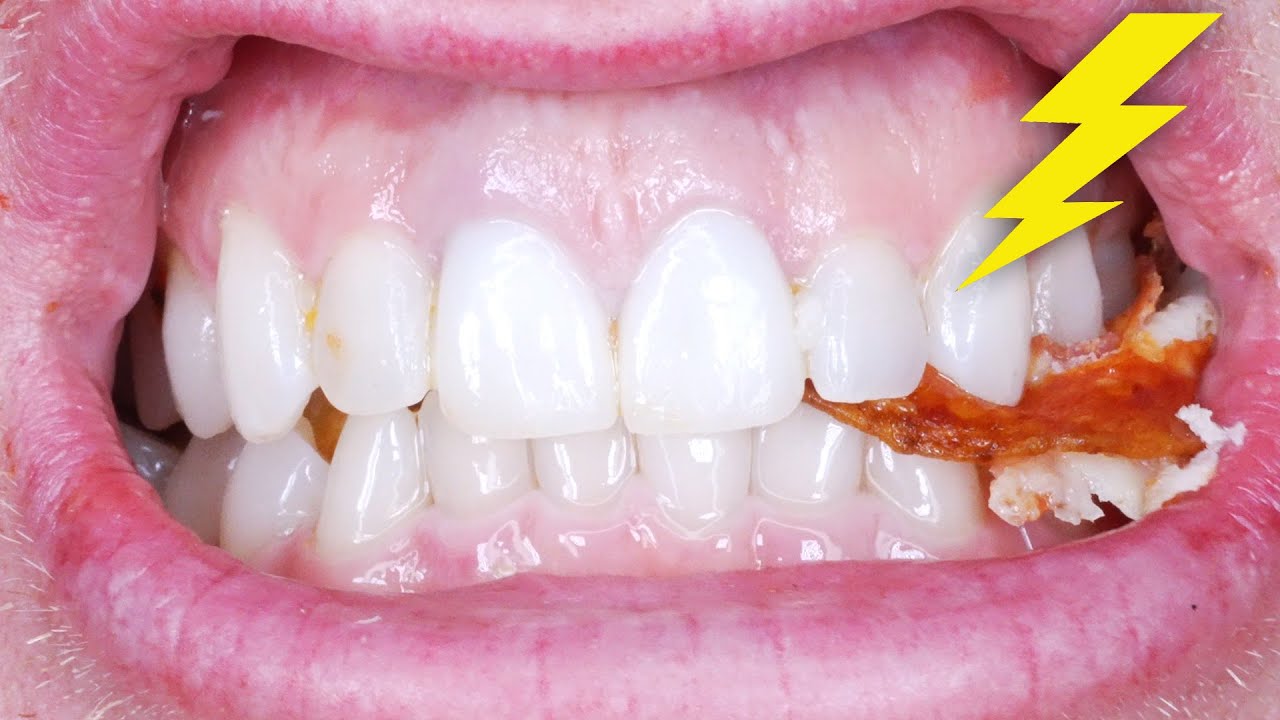
This is one of the most overlooked causes of tooth pain when biting, especially in the upper back teeth. The roots of the upper molars sit in very close proximity to the maxillary sinus cavities inside your cheekbones.
When sinuses become inflamed or infected, the swelling presses directly against those tooth roots, producing pain that feels exactly like a toothache. The pain usually affects several upper teeth at once rather than just one tooth.
Key distinguishing signs of sinus-related tooth pain include nasal congestion, facial pressure or heaviness, pain that worsens when you bend forward or jump, postnasal drip, and the absence of temperature sensitivity in the affected teeth.
Older dental restorations do not last forever. Fillings and crowns can weaken, crack, or become loose over time due to normal wear, grinding, or decay forming underneath them.
When a filling or crown is damaged, the tooth structure underneath is exposed to direct biting pressure and temperature extremes. This causes sharp pain every time you chew, and the problem will worsen rapidly without treatment.
Regular dental checkups catch failing restorations early. Replacement with a new filling, an updated crown, or in severe cases a root canal, stops the pain and protects the underlying tooth from further damage.
Wisdom teeth that are partially erupted or growing at the wrong angle can cause significant pain in the back of the mouth on one side. The pressure of the erupting tooth pushes against neighboring teeth and inflames the surrounding gum tissue.
This type of bite pain is most common in people between the ages of 17 and 25 but can occur in older adults when wisdom teeth erupt late. The pain often worsens during eating because chewing pressure aggravates the inflamed tissue.
An X-ray quickly confirms whether an impacted wisdom tooth is the cause. Most impacted wisdom teeth require extraction to eliminate the pain permanently and prevent damage to the adjacent healthy teeth.
Malocclusion means your upper and lower teeth do not meet together correctly when you close your mouth. This misalignment concentrates excessive biting force onto certain teeth, causing pain, wear, and inflammation in the supporting ligaments over time.
Uneven pressure can lead to cracked teeth, loosened teeth, accelerated enamel wear, and a higher risk of gum disease. In some cases, the pain only appears when biting at a specific angle, which is why the problem can be hard to self-diagnose.
Orthodontic treatment, bite splints, or selective grinding adjustments by a dentist are the main approaches. Correcting the bite distributes pressure evenly across all teeth again and eliminates the pain completely.
| Cause | Pain Type | Location | Other Symptoms |
|---|---|---|---|
| Cavity | Dull or sharp | Single tooth | Sweet/cold sensitivity, dark spot |
| Cracked Tooth | Sharp jolt | Single tooth | Pain releases quickly after biting |
| Abscess | Throbbing, severe | Root area | Swelling, fever, foul taste |
| TMJ Disorder | Dull, radiating | Jaw and teeth | Jaw click, ear pain, stiffness |
| Bruxism | Dull ache | Multiple teeth | Worse in morning, worn enamel |
| Gum Disease | Pressure pain | Near gumline | Bleeding, loose teeth, receding gums |
| High Filling | Sharp, focused | One tooth | Just after dental work |
| Sinus Pressure | Dull, widespread | Upper back teeth | Congestion, facial pressure |
| Loose Crown | Sharp | Restored tooth | Wobbly restoration, temperature pain |
| Wisdom Tooth | Aching | Back of mouth | Swollen gum behind last molar |
| Malocclusion | Pressure pain | Various teeth | Jaw soreness, uneven wear |
Use this table to match your specific symptoms to the most likely cause before your dental appointment.
Pain on one side is a very telling symptom. It almost always points to a localized problem on that specific side rather than a systemic issue affecting the whole mouth.
A hidden cavity between two teeth on one side, a hairline crack in a molar, a loose filling, a gum pocket forming on one side, or an impacted lower wisdom tooth are all causes that produce strictly one-sided pain.
If you consistently chew on one side to avoid the pain, you are placing extra pressure on the healthy side, which can eventually create new dental problems there too. Getting it diagnosed quickly protects the rest of your mouth.
It is very common to experience bite pain for a few days after a filling, crown placement, or any dental procedure. The tooth and surrounding tissue need time to settle and recover from the trauma of treatment.
If pain persists beyond two weeks after dental work, or if it gets worse instead of better, the restoration may be sitting too high. This needs a simple bite adjustment by your dentist, which takes only a few minutes.
Never ignore lingering post-treatment pain. Sometimes decay was deeper than expected, and a follow-up root canal is needed to address nerve involvement that was not visible during the original procedure.
This distinction is critically important because treating the wrong problem wastes time and money. Many patients receive unnecessary dental treatment for what is actually a sinus issue, and vice versa.
| Feature | Sinus-Related Pain | Dental Problem |
|---|---|---|
| Teeth Affected | Multiple upper back teeth | Usually one specific tooth |
| Temperature Sensitivity | Rarely | Common |
| Nasal Congestion | Present | Absent |
| Pain When Bending Forward | Yes, worsens | No change |
| Facial Pressure | Yes | No |
| Pain Location | Upper jaw, both sides | Any tooth, any location |
| Duration | Improves as sinus heals | Persists or worsens |
If multiple upper teeth ache together alongside nasal symptoms, see your primary care doctor for sinus treatment first. If one specific tooth hurts and you have no congestion, book a dental appointment promptly.
Sharp Pain When Biting Down
These remedies provide temporary relief while you wait for your dental appointment. They do not treat the underlying cause but can make the waiting period more manageable.
Saltwater rinse. Mix half a teaspoon of salt into a glass of warm water. Swish gently for 30 seconds and spit. Repeat several times a day to reduce inflammation and clean the area around the painful tooth.
Over-the-counter pain relievers. Ibuprofen reduces both pain and inflammation simultaneously, making it more effective than acetaminophen for dental pain in most cases. Always follow dosage instructions on the packaging carefully.
Cold compress. Apply a cold pack or wrapped ice to the outside of your cheek for 15 minutes at a time. This numbs the area and reduces swelling if any external inflammation is present around the jaw.
Desensitizing toothpaste. Toothpastes containing potassium nitrate or stannous fluoride help block the tiny channels in exposed dentin that transmit pain signals to the nerve. Results build gradually over several days of regular use.
Clove oil. Clove oil contains eugenol, a natural anesthetic. Apply a small amount to a cotton ball and hold it gently against the painful tooth for temporary numbing relief between dental visits.
Avoid trigger foods. Stop eating on the painful side entirely. Avoid hard, crunchy, very cold, very hot, or very sweet foods until you see your dentist, as all of these can worsen the pain significantly.
| Cause | Primary Treatment | Secondary Treatment if Severe |
|---|---|---|
| Cavity | Filling | Root canal if pulp is affected |
| Cracked Tooth | Crown | Extraction if crack reaches root |
| Abscess | Root canal + antibiotics | Extraction if tooth unsalvageable |
| TMJ Disorder | Bite guard, therapy | Surgery in severe cases |
| Bruxism | Custom night guard | Botox injections in jaw muscle |
| Gum Disease | Scaling and root planing | Surgery for advanced periodontitis |
| High Filling/Crown | Bite adjustment (filing) | Replacement if restoration is damaged |
| Sinus Pressure | Decongestants, antibiotics | Referral to ENT specialist |
| Loose Crown/Filling | Recementation or replacement | Root canal if decay underneath |
| Wisdom Tooth | Monitoring or extraction | Surgical extraction if deeply impacted |
| Malocclusion | Orthodontics, bite splint | Selective equilibration by dentist |
Work with your dentist to confirm the diagnosis before agreeing to any treatment. An accurate diagnosis ensures you get the right treatment on the first visit.
Not all bite pain requires an emergency visit, but certain symptoms demand same-day or next-day professional care without delay.
See a dentist immediately if you have severe pain that does not respond to over-the-counter pain relievers at all. Swelling in your jaw, face, or neck alongside tooth pain is a medical emergency and may require hospital care.
Fever combined with a toothache strongly suggests an active infection that could spread. A visible crack in the tooth, a knocked-out tooth, or a crown that has completely fallen off also require same-day emergency dental attention.
For mild, intermittent bite pain with no swelling or fever, schedule an appointment within the next two to three days. Do not wait longer than a week, as dental problems consistently worsen with time.
Some bite pain symptoms signal serious problems that can escalate into life-threatening conditions if ignored for too long.
A dental abscess that goes untreated can spread bacteria into the bloodstream, jaw, neck, and even the brain. This condition, known as Ludwig’s angina or septicemia in its most severe forms, requires emergency hospitalization.
Consistent one-sided jaw pain combined with clicking and limited mouth opening suggests a TMJ disorder that will worsen without treatment. Getting it addressed early prevents permanent joint damage and chronic pain.
Any bite pain accompanied by difficulty swallowing, difficulty breathing, or high fever should be treated as a medical emergency. Go to the nearest emergency room rather than waiting for a dental appointment.
Prevention is always cheaper, faster, and less painful than treatment. Building consistent daily habits protects your teeth from the most common causes of bite pain before they develop.
Brush twice daily using a soft-bristled toothbrush and fluoride toothpaste. Hard brushing wears down enamel over time and contributes to sensitivity and root exposure. Gentle circular motions clean more effectively without causing damage.
Floss every day. Flossing removes plaque and food particles from between teeth where brushing cannot reach. These spaces are where the majority of cavities and gum disease begin without any visible warning signs.
Wear a night guard if you grind or clench your teeth during sleep. A custom-fitted guard from your dentist provides far better protection than over-the-counter versions because it fits your bite precisely.
Attend regular dental checkups at least every six months. Professional cleanings remove hardened tartar that home brushing cannot eliminate. Regular exams catch tiny cracks, early decay, and gum changes before they become painful problems.
Avoid using teeth as tools. Never open packages, bite nails, or chew ice with your teeth. These habits cause micro-fractures that grow into painful full cracks over months or years of repeated stress.
Manage sinus and allergy issues proactively if you are prone to sinus infections. Treating congestion early prevents the pressure build-up that creates referred tooth pain in the upper jaw during each flare-up.
When you visit a dentist for bite pain, they use several specific diagnostic tools to find the exact cause quickly and accurately.
A bite test using a small plastic stick helps identify cracked teeth by pinpointing exactly which cusp of the tooth produces pain under pressure. Cold and heat tests determine whether the dental pulp is alive, inflamed, or dead.
Digital X-rays reveal cavities between teeth, bone loss from gum disease, abscess formation at tooth roots, and the position of wisdom teeth. However, X-rays do not show hairline fractures, which require additional dye tests or special lighting.
A periodontal probe measures the depth of gum pockets around each tooth to assess gum disease severity. The dentist also checks for loose restorations, broken fillings, and any visible signs of cracking or decay.
Untreated tooth pain when biting is never just a dental inconvenience. It is a signal that active infection, tissue damage, or structural failure is occurring inside your mouth that needs professional attention.
Dental infections that spread can affect the heart, kidneys, lungs, and joints in severe cases. Chronic gum disease has been linked to increased risk of cardiovascular disease, diabetes complications, and premature birth in pregnant women.
Addressing bite pain promptly protects not just your teeth but your overall systemic health. Every dental problem that gets treated early costs less, heals faster, and causes less permanent damage than one that is delayed.
Children experience many of the same causes of bite pain that adults do, but with some important differences worth noting. Erupting permanent teeth, early cavity formation in baby teeth, and gum inflammation from teething are additional pediatric causes.
Children often cannot accurately describe where their pain is coming from. A child who refuses to eat on one side, cries during meals, or suddenly avoids crunchy foods should be seen by a pediatric dentist promptly.
For adults over 50, gum recession, worn fillings, and TMJ issues become increasingly common. Older restorations placed 15 to 20 years ago often begin failing in this age group, making regular checkups even more important.
Pain on one side usually means a localized problem like a cracked tooth, cavity, loose filling, or gum pocket on that specific side. It needs a dental examination to identify the exact cause.
Yes. The roots of upper back teeth sit close to the sinus cavities. Sinus inflammation creates pressure that feels like bite pain, usually affecting multiple upper teeth alongside nasal congestion.
No. Cracked teeth, TMJ disorders, gum disease, high fillings, bruxism, abscesses, and sinus pressure are all common non-cavity causes of bite pain that require different treatments entirely.
Seek immediate care if pain is severe and unresponsive to painkillers, if you have swelling in the face or neck, fever alongside tooth pain, or difficulty swallowing or breathing.
Yes. Bruxism wears down enamel and stresses tooth roots over time, creating sensitivity and pain when pressure is applied during biting or chewing, especially upon waking in the morning.
A warm saltwater rinse reduces inflammation, and ibuprofen addresses both pain and swelling simultaneously. These are temporary measures only and do not replace professional dental treatment.
A newly placed filling that sits too high disrupts your natural bite balance. A simple bite adjustment by your dentist, which takes just minutes, eliminates this pain completely in most cases.
Yes. Advanced gum disease exposes tooth roots that lack protective enamel. These exposed roots are highly sensitive to biting pressure, temperature changes, and direct touch from food.
Mild soreness after a filling or crown is normal for three to seven days. Pain lasting beyond two weeks, or pain that worsens over time, needs a follow-up appointment to reassess the restoration.
No. Intermittent bite pain often signals a cracked tooth or early abscess that will worsen without treatment. Getting it checked early prevents more expensive and invasive procedures later.
Understanding why does my teeth hurt when I bite down is the essential first step toward getting the right treatment before a manageable problem becomes a serious one.
Bite pain is never random. It is always a signal from your body that something specific needs attention, whether it is a cavity, a hairline crack, an abscess, a TMJ issue, gum disease, or even a sinus infection pressing against your upper tooth roots.
In 2026, dental diagnosis tools are more precise than ever, meaning most causes of bite pain can be identified and treated quickly when you act early.
Do not wait for the pain to disappear on its own, because dental problems consistently worsen with time and delay always increases both treatment complexity and cost.
Use home remedies to manage discomfort temporarily, but book a dental appointment as soon as possible.
Identify your symptoms using the tables and descriptions in this guide to arrive prepared for your consultation.
Regular checkups, consistent oral hygiene, and a custom night guard if you grind your teeth are your best long-term defenses.
Protecting your bite means protecting your overall health, your quality of life, and the natural teeth you depend on every single day.