

Why Is My Male Cat Peeing Everywhere? If you keep asking yourself why is my male cat peeing everywhere, you’re dealing with one of the most common and stressful cat problems. Cat urine is difficult to clean, and the smell tends to linger for weeks.
The good news is that this behavior almost always has a clear cause. It usually falls into one of three categories: a medical issue, a behavioral trigger, or a problem with the litter box setup.

A male cat peeing everywhere is usually caused by a urinary tract infection, bladder stones, stress, or territorial spraying, especially if he isn’t neutered. Sudden, painful, or blocked urination in a male cat is a medical emergency and needs a vet visit the same day.
Not all inappropriate urination looks the same, and the pattern gives real clues. Understanding the difference helps you and your vet narrow down the cause faster.
| Behavior | What It Looks Like | Common Cause |
|---|---|---|
| Peeing | Large puddles on horizontal surfaces like floors or beds | Medical issue or litter box aversion |
| Spraying | Small amounts on vertical surfaces like walls or furniture | Territorial marking, often unneutered males |
| Straining | Frequent trips with little or no urine produced | Bladder stones or urinary blockage |
Health problems are the first thing every vet checks, since cats hide pain well. Male cats face unique risks because of their narrow urethra.
Male cats are far more prone to urinary blockages than females because of their narrower urethra. A blocked cat cannot urinate at all, even while straining repeatedly.
This condition can become fatal within 24 to 48 hours if untreated. Go to an emergency vet immediately if your male cat strains in the litter box with little or no urine coming out.
Once medical issues are ruled out, stress is usually the next culprit. Cats are extremely sensitive to change, even changes that seem small to humans.
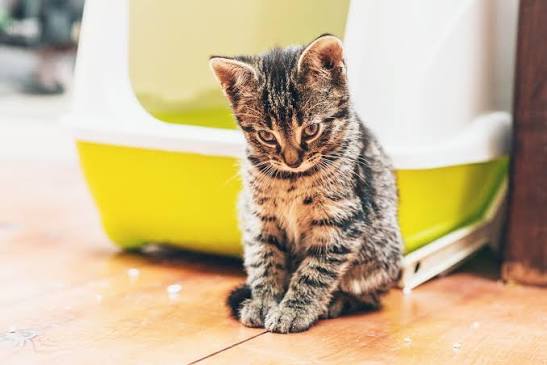
Unneutered male cats are especially likely to spray to mark territory. This is different from a litter box accident, since spraying targets vertical surfaces like walls, doors, and furniture legs.
Neutering significantly reduces spraying behavior, particularly when done before six months of age. However, even neutered cats can spray if they feel threatened by another animal nearby.
Sometimes the simplest explanation is the right one. Many cats avoid the litter box for practical reasons that are easy to fix.
The standard rule is one litter box per cat, plus one extra. This alone resolves many multi-cat household issues.
This comparison can help you spot warning signs before your vet visit.
| Sign | Medical | Behavioral |
|---|---|---|
| Straining or crying while urinating | Common | Rare |
| Blood in urine | Common | Rare |
| Urinating on vertical surfaces | Uncommon | Common (spraying) |
| Linked to a recent household change | Uncommon | Common |
| Sudden onset with no clear trigger | Common | Uncommon |
Start with these steps while you arrange a vet visit.
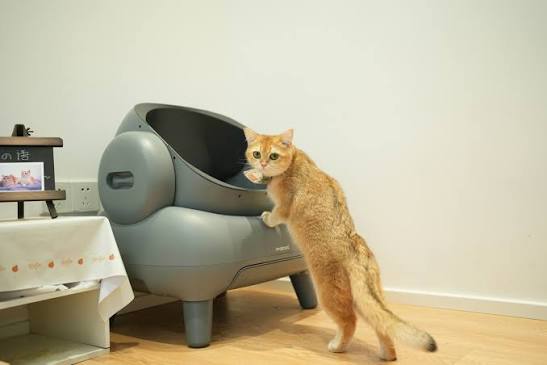
Certain signs mean you should not wait for a routine appointment.
A vet visit typically starts with a physical exam and a detailed history from you. Bring notes on when the behavior started and where the accidents happen.
| Step | Purpose |
|---|---|
| Physical exam | Checks for pain, bladder size, and overall health |
| Urinalysis | Detects infection, crystals, or blood |
| Blood work | Screens for kidney disease and diabetes |
| Imaging (X-ray or ultrasound) | Identifies bladder stones or blockages |
A few consistent habits go a long way toward keeping accidents from returning. Prevention is almost always easier than retraining.
A sudden change usually points to a medical issue like a UTI, bladder stones, or a blockage. It can also follow a stressful event like a new pet or household change.
It can be, especially if he’s straining with little or no urine coming out. Urethral blockages in male cats can become fatal within a day or two if untreated.
Neutering greatly reduces spraying, especially when done before six months of age. It doesn’t guarantee it will stop completely, particularly if stress or territorial threats are involved.
Spraying usually happens on vertical surfaces like walls or furniture in small amounts. Regular accidents usually involve larger puddles on horizontal surfaces like floors.
Blood usually signals a UTI, bladder stones, or inflammation like feline idiopathic cystitis. It always warrants a same-week vet visit at minimum.
The general rule is one litter box per cat, plus one extra. So even a single cat benefits from having two boxes available.
Yes, stress from moving, new pets, or household changes is a very common trigger. It often shows up alongside other signs like hiding or reduced appetite.
No, punishment increases stress and often makes the behavior worse. Focus on identifying and removing the underlying cause instead.
Enzyme-based cleaners break down the odor-causing compounds in cat urine effectively. Avoid ammonia-based cleaners, since they can mimic the smell of urine and encourage remarking.
Yes, arthritis, kidney disease, and cognitive changes become more common with age. A cat who previously used the litter box perfectly can develop issues later in life.
It’s common, but not something you have to accept as permanent. Neutering combined with reducing territorial triggers usually resolves it.
If medical causes are ruled out, focus shifts to environmental and behavioral triggers. A vet behaviorist can help identify subtle stressors you might be missing.
Yes, certain minerals in food can contribute to crystal or stone formation. A vet can recommend a diet suited to your cat’s specific urinary needs.
Immediately, as this is considered a true emergency in male cats. Do not wait to see if it resolves on its own.
Yes, cats can be very sensitive to changes in litter texture or scent. Switching back to the previous litter often solves the problem quickly.
A male cat peeing everywhere almost always points to a medical issue, a behavioral trigger, or a litter box problem worth fixing. Ruling out urinary tract infections, bladder stones, and blockages should always come first, since these can escalate quickly in male cats.
Once medical causes are addressed, small changes to litter box cleanliness, quantity, and placement often resolve the rest. With the right diagnosis and a few consistent habits, most cats return to normal litter box use within a few weeks.