
Why Do My Bottom Teeth Hurt? In most cases, the answer comes down to one of a handful of common culprits — grinding, a cavity, gum recession, or even sinus pressure referring pain downward.
This guide breaks down every likely cause, how to tell them apart by the type of pain you’re feeling, and exactly when it’s time to book a dentist appointment instead of waiting it out.
Bottom teeth pain is most often caused by teeth grinding (bruxism), tooth decay, gum recession, or a cracked tooth. Less commonly, sinus pressure or referred pain from an upper tooth can make lower teeth feel sore too.
Saliva naturally rinses and protects your upper teeth more effectively than your lower teeth throughout the day. This leaves your bottom teeth more exposed to plaque buildup and acid, making decay progress faster in this area.
Lower front teeth also bear a large share of the pressure from grinding and clenching. Over time, that repeated pressure wears down enamel and increases sensitivity.
Grinding or clenching your teeth, especially during sleep or stress, wears down enamel over time. Thinner enamel exposes the microscopic tubes leading to your nerves, causing dull, aching pain that’s often worse in the morning.
People who grind their teeth frequently describe the pain as a constant throb rather than a sharp, sudden sensation. A custom night guard is one of the most effective ways to protect against ongoing damage.
Cavities form when bacteria produce acid that slowly eats through enamel. Once decay reaches the deeper layers of a tooth, it exposes nerve endings and causes noticeable pain, especially when biting down or eating something sweet.
Lower front teeth are particularly prone to decay since saliva doesn’t reach them as easily as other teeth. Pain from a cavity is usually localized to one specific tooth rather than spread across several.
You don’t need a dramatic injury to develop a hairline crack. Chewing ice, hard candy, or popcorn kernels can create tiny fractures that cause sharp pain when biting or drinking something cold.
These cracks are sometimes invisible to the naked eye but very noticeable the moment cold water touches the tooth.
When gums pull back from the tooth surface, they expose the sensitive root underneath. This creates sharp, sudden sensitivity to hot, cold, and sweet foods, often across multiple bottom teeth at once.
Brushing too hard is one of the most common causes of gum recession, since excess pressure wears away both enamel and gum tissue over time.
Sinus infections primarily affect upper teeth, since the sinus cavities sit close to the upper tooth roots. However, pain can radiate through the jaw and feel like it’s coming from your bottom teeth as well.
If multiple teeth suddenly ache alongside nasal congestion or cold symptoms, sinus pressure is worth considering as the source.
A severe, throbbing, or pulsing pain that doesn’t let up may point to an abscessed tooth or root infection. This typically develops when untreated decay allows bacteria to reach the pulp at the center of the tooth.
Swelling, fever, or a bad taste in the mouth alongside the pain are signs of infection that need prompt dental attention.
Anxiety and stress commonly lead to unconscious jaw clenching throughout the day, not just at night. This adds constant pressure to lower teeth and can produce the same dull ache associated with grinding.
| Pain Description | Likely Cause | Urgency |
|---|---|---|
| Dull, constant ache, worse in the morning | Teeth grinding (bruxism) | Low — night guard recommended |
| Sharp pain in one specific tooth when biting | Cavity or cracked tooth | Moderate — see a dentist soon |
| Sudden sensitivity to hot, cold, or sweets | Gum recession or worn enamel | Moderate — dental evaluation needed |
| Multiple teeth ache with nasal congestion | Sinus pressure | Low to moderate — treat sinus issue |
| Severe throbbing or pulsing pain | Tooth abscess or infection | High — see a dentist promptly |
| Pain with swelling, fever, or pus | Active infection | High — seek same-day care |
Swishing gently with warm salt water helps soothe irritated gums and keeps the sore area clean while you wait to see a dentist.
If the area feels swollen or the pain is sharp, applying a cold compress to your cheek near the sore spot can numb discomfort temporarily.
Ibuprofen or acetaminophen can reduce pain and inflammation in the short term. Always follow the recommended dosage on the packaging.
Avoid putting extra pressure on a sore tooth by choosing soft foods and steering clear of very hot, very cold, or sugary items that might trigger pain.
Giving the painful area a break from chewing pressure helps prevent further irritation while you arrange dental care.
Dentists consistently point to bruxism as one of the most under-diagnosed causes of chronic bottom tooth pain, since many people grind their teeth without realizing it. A properly fitted night guard remains the most effective way to prevent ongoing enamel damage.
Switching to a soft-bristled toothbrush and using gentle, circular motions protects both enamel and gum tissue over time. Routine cleanings also catch small cavities before they progress to painful, deeper decay.
Most mild tooth discomfort settles within a day or two with home care. See a dentist if:
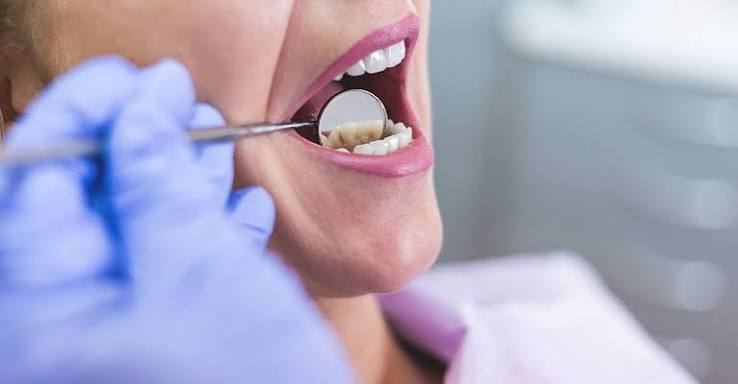
A dentist typically starts with a visual exam and gentle probing to identify visible decay, cracks, or gum recession. X-rays are commonly used to detect cavities between teeth or below the gumline that aren’t visible during a standard exam.
If an abscess is suspected, your dentist may also check for swelling, tenderness, or drainage, and may order additional imaging to assess how far an infection has spread.
Sudden bottom tooth pain is often caused by a cavity, a small crack, gum recession, or grinding. If it’s accompanied by cold symptoms, sinus pressure could also be the source.
Yes. Stress commonly leads to unconscious jaw clenching, which puts extra pressure on lower teeth and can cause a dull, persistent ache.
Pain specifically triggered by chewing usually points to a cracked tooth or a cavity affecting the tooth’s structure.
Yes, though it’s more common in upper teeth. Sinus pressure can radiate through the jaw and make bottom teeth feel sore too.
If pain lasts more than two to three days or keeps returning, it’s time to schedule a dental appointment rather than wait it out.
Yes. Aggressive brushing can irritate gums and wear enamel, leading to noticeable sensitivity in bottom teeth over time.
Multiple teeth aching together often points to gum disease, sinus pressure, or grinding rather than a single cavity.
Yes. Nightly grinding wears down enamel and puts significant pressure on lower teeth, often producing a dull ache noticeable each morning.
Yes. Swelling alongside tooth pain can indicate an infection or abscess and should be evaluated by a dentist promptly.
Yes. Breathing in cold air can trigger sensitivity in teeth with worn enamel or exposed dentin, especially bottom front teeth.
Not inherently, but bottom teeth are more prone to decay and grinding-related wear since saliva protects them less effectively.
Yes, for grinding-related pain. A well-fitted night guard reduces pressure on lower teeth and helps prevent further enamel damage.
Cold sensitivity usually indicates worn enamel, a small crack, or exposed dentin from gum recession.
Yes. Anxiety often leads to daytime jaw clenching, adding to the pressure already caused by nighttime grinding.
Cavity pain is usually sharp and localized to one tooth, while grinding pain tends to be a dull, widespread ache across multiple teeth.
Mild sensitivity sometimes eases with simple home care, but pain from decay, cracks, or infection typically needs professional treatment.
Yes, in appropriate doses. Ibuprofen helps reduce both pain and inflammation while you arrange to see a dentist.
Morning pain is a classic sign of nighttime teeth grinding, since the jaw clenches repeatedly during sleep without your awareness.
Yes. Skipping flossing allows plaque to build up between lower teeth, increasing the risk of decay and gum irritation.
Not always immediately, but swelling, tenderness, or a bad taste often develop as the infection progresses.
Yes. Whitening treatments can temporarily increase tooth sensitivity, especially in teeth with thinner enamel.
Cold air can trigger nerve sensitivity in teeth with worn enamel or minor cracks, producing a brief, sharp ache.
Children should see a pediatric dentist for persistent tooth pain, since causes and treatment approaches can differ from adults.
Yes. Nerve pathways in the jaw can misdirect pain signals, making an upper tooth problem feel like it’s coming from a lower tooth.
Bottom teeth pain almost always comes down to grinding, decay, gum recession, or occasionally sinus pressure. Most mild cases improve with simple home care like saltwater rinses, a soft-bristled toothbrush, and avoiding trigger foods.
Pay close attention to pain that lasts more than a few days, feels severe or throbbing, or comes with swelling or fever. Those signs mean it’s time to see a dentist rather than wait, since catching the cause early keeps a small problem from becoming a bigger one.