
Why does my eye hurt when I rub it? In most cases, rubbing puts pressure on an already irritated, dry, or lightly scratched eye surface, and that pressure is what turns a mild itch into real pain. Sometimes it’s harmless. Sometimes it’s your eye telling you to stop immediately.
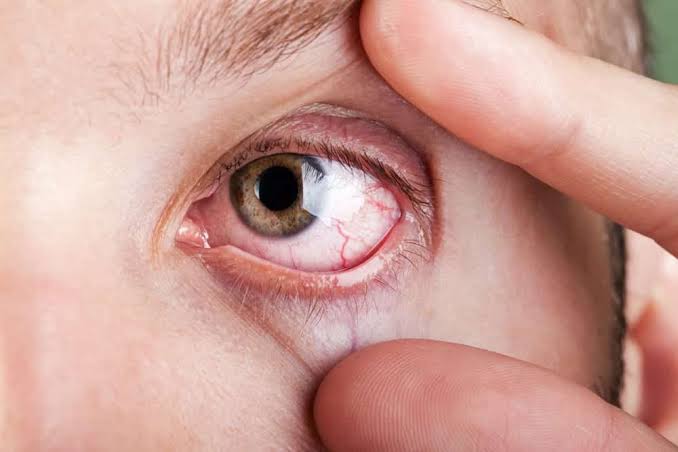
Eye pain from rubbing usually comes from one of five things: dry eyes, allergies, a foreign body, mild inflammation, or a tiny corneal scratch. The cornea has an extremely dense nerve supply, so even small irritation feels sharp and disproportionate to the actual damage.
Your cornea is one of the most nerve-dense tissues in your entire body. That’s by design — it warns you fast when something threatens your vision.
When you rub, you’re pressing your eyelid, eyelashes, and any trapped debris directly against this sensitive surface. Friction that would feel like nothing on your arm can feel sharp and burning on your eye.
Rubbing also increases pressure inside the eye for a few seconds at a time. Repeated pressure spikes, done often enough, are linked to long-term corneal thinning and shape changes.
Dry eyes lack enough tear film to protect the corneal surface. Rubbing a dry eye removes what little lubrication remains and creates direct friction on exposed nerve endings.
People who stare at screens for hours, wear contacts too long, or live in dry or air-conditioned environments are especially prone to this. The pain often feels gritty, burning, or like sand is caught under the eyelid.
Pollen, dust, and pet dander trigger histamine release in the eye’s surface tissue. This causes itching so intense that rubbing feels almost involuntary.
Unfortunately, rubbing ruptures more of the histamine-releasing cells, which makes the itching and burning worse in a frustrating cycle. Allergy-related eye pain usually comes with redness, watering, and puffy eyelids.
A corneal abrasion is a literal scratch on the clear front surface of the eye. It is one of the most frequent results of aggressive or repeated eye rubbing.
Even a microscopic scratch can cause sudden, sharp pain, light sensitivity, and the feeling that something is stuck in your eye. Most minor abrasions heal within 24 to 72 hours, but larger ones need medical care.
A speck of dust, an eyelash, or a grain of sand can lodge against the eye’s surface. Rubbing drags that particle across the cornea instead of dislodging it.
This is one of the most common ways people accidentally create a corneal scratch while trying to relieve irritation. Flushing with water or saline is safer than rubbing.
Viral or bacterial conjunctivitis inflames the thin membrane covering the eye. It’s usually itchy and gritty rather than sharply painful, but rubbing increases inflammation and can spread infection to the other eye.
A stye is a small, tender bump caused by a blocked oil gland near the eyelash line. Rubbing directly over a stye increases localized pressure and pain, and can push bacteria deeper into the gland.
Lenses worn too long, damaged lenses, or lenses with trapped debris underneath create friction against the cornea. Rubbing while wearing contacts multiplies that friction and raises the risk of a scratch significantly.

| Pain Description | Likely Cause | Urgency |
|---|---|---|
| Gritty, dry, worse by evening | Dry eye disease | Low — home care |
| Intense itching before pain | Eye allergies | Low — antihistamines |
| Sudden sharp pain, feels like something is stuck | Corneal abrasion | Moderate — see a doctor if it persists past 24 hours |
| Pain plus thick discharge | Bacterial infection | Moderate to high |
| Pain with blurred vision or light sensitivity | Possible deeper corneal injury | High — seek care same day |
| Pain with vision loss, severe swelling, or trauma | Emergency | High — go to urgent care or ER |
This is the single most important step. Continued rubbing deepens any existing scratch and pushes debris further into the eye.
Gently flush the eye to remove dust, pollen, or debris. Never use your fingers or a cloth directly on the eyeball.
Preservative-free artificial tears reduce friction and soothe irritation caused by dryness or minor scratching. Cool (not frozen) compresses can also calm inflammation.
Blinking naturally spreads tears across the surface and can help dislodge small particles without added pressure or friction.
Oral or eye-drop antihistamines interrupt the itch-rub cycle that allergies create, which reduces the temptation to rub in the first place.
Optometrists commonly point to dry eye and allergies as the two biggest drivers behind chronic eye rubbing. Addressing the root cause — not just the symptom — breaks the cycle for good.
Keep a small bottle of preservative-free artificial tears in your bag or desk. Reaching for drops instead of your knuckles trains a healthier habit over time.
If allergies are seasonal, starting antihistamines a week before your usual flare-up window can prevent the itch-rub cycle from starting at all.
Seek same-day or emergency care if you notice any of the following:
An eye doctor typically uses a slit lamp exam and a fluorescein dye test to check for corneal scratches. The dye highlights any break in the eye’s surface under a special light, making even tiny abrasions easy to spot.
If infection is suspected, they may also swab for bacterial or viral culture. Diagnosis is usually quick, and most causes are treatable the same day.
Repeated touching keeps irritating an already sensitive surface, often a mild scratch or dry patch, so pain returns with every new contact.
Mild, brief discomfort after one rub is common and usually fades within minutes. Pain that lingers past an hour deserves attention.
Occasional gentle rubbing is generally harmless. Frequent, forceful rubbing over time is linked to corneal thinning and, in rare cases, keratoconus.
Corneal nerve damage and dryness can cause real pain without visible redness, since the surface layer often looks fine to the naked eye.
Minor irritation typically resolves within a few hours. A corneal abrasion usually improves within 24 to 72 hours with proper care.
Yes, resting the eyelid closed for short periods can reduce pain from a scratch, since blinking repeatedly over an irritated surface adds friction.
Yes. Allergic reactions release histamine that makes eyes intensely itchy, and rubbing on top of that inflammation produces real pain.
Most people describe it as a sudden, sharp, gritty sensation, like something is stuck in the eye, along with tearing and light sensitivity.
No. Redness-relief drops don’t address dryness or scratches and can mask symptoms without helping the underlying cause.
Reduced blinking during sleep combined with lower humidity can dry out an already irritated eye, intensifying discomfort overnight.
Yes. Lenses add an extra surface that traps debris and increases friction, which raises the risk of a scratch significantly.
Go immediately if pain is severe, vision is affected, there’s heavy discharge, or you suspect an object is still in the eye.
Watering is a reflex response meant to flush out irritants and protect the corneal surface from further friction damage.
Yes. Fatigue reduces blink rate and tear production, leaving eyes drier and more sensitive to friction from rubbing.
It can happen if one eye received more direct pressure or contains a foreign particle the other doesn’t.
Tears combined with rubbing pressure can further irritate an already inflamed eyelid margin and conjunctiva.
Children should be gently discouraged from rubbing, since their eyes are just as sensitive and prone to scratches as adults’ eyes.
Not necessarily. Pain alone doesn’t confirm infection — discharge, crusting, or spreading redness are stronger infection indicators.
Rubbing offers brief relief by stimulating nerve endings, but that same pressure often increases inflammation once the initial sensation fades.
Preservative-free artificial tears are the safest first choice for most rubbing-related irritation and mild dryness.
Yes. Dehydration reduces tear production, leaving less natural lubrication and making the eye more vulnerable to friction.
Pain without redness often points to dryness or a very small abrasion that hasn’t triggered visible inflammation yet.
An optometrist can diagnose and treat most causes of rubbing-related eye pain and will refer you to an ophthalmologist if needed.
Rubbing itself doesn’t cause a stye, but it can irritate an existing blocked gland and make early stye symptoms more painful.
Occasional gentle rubbing upon waking is usually fine, but frequent or forceful morning rubbing can still contribute to long-term irritation.
Eye pain when rubbing almost always traces back to dryness, allergies, a foreign body, or a small corneal scratch. Most cases improve quickly once you stop rubbing and start using lubricating drops or gentle rinsing instead.
Pay close attention to pain that lingers past 24 hours, worsens, or comes with vision changes or discharge. Those signs mean it’s time to see an eye doctor rather than wait it out. Early attention protects both your comfort and your long-term eye health.