
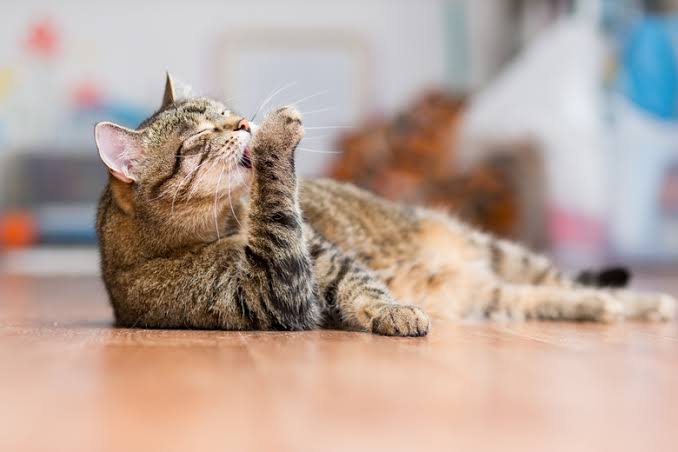
If you’re asking why is my cat pulling her hair out, you’ve likely spotted bald patches, clumps of fur on the carpet, or a coat that suddenly looks thin and uneven. This behavior, called overgrooming, is more common than most cat owners realize.
Contrary to popular belief, hair pulling in cats is usually not a random quirk. Veterinarians consistently point to a physical cause first, with stress-related grooming being far less common than people assume.
A cat pulling her hair out is usually caused by an itch-related trigger like fleas, mites, or allergies, though pain from conditions like cystitis or arthritis can also cause it. Stress-driven overgrooming, called psychogenic alopecia, is real but far less common than medical causes.
Overgrooming crosses the line from normal self-care into compulsive licking, chewing, or hair pulling. You may not always catch your cat in the act.
Instead, you might notice hairballs increasing, bald patches appearing, or fur clumps on furniture and floors. The skin underneath can look red, irritated, or thickened over time.
Veterinary dermatologists are clear on this point: most cats who pull their hair out have an underlying medical reason. Behavioral causes are real but far less common than people expect.
| Sign | Points To |
|---|---|
| Hair loss on belly, thighs, or lower back | Fleas, allergies, or parasites |
| Hair loss around one specific joint | Pain, such as arthritis |
| Hair loss on the abdomen only | Possible bladder or GI discomfort |
| Grooming increases after a household change | Stress-related overgrooming |
| Bald patches with no obvious trigger | Needs full veterinary workup |
Physical discomfort is the most frequent driver of feline hair pulling. The table below summarizes the most common medical triggers.
| Cause | How It Triggers Hair Pulling |
|---|---|
| Flea allergy dermatitis | A single flea bite can cause intense, ongoing itching |
| Environmental allergies | Pollen, dust mites, or mold irritate the skin |
| Food allergies | Certain proteins trigger chronic itchiness |
| Mites | Parasites burrow into skin and cause irritation |
| Bacterial or fungal infections | Skin barrier damage worsens itching |
| Hyperthyroidism | Hormonal imbalance affects skin and coat |
| Internal pain (cystitis, arthritis) | Cats groom over the painful area for relief |
Flea allergy dermatitis is one of the single most common reasons cats overgroom. Even one flea bite can cause an intense reaction in a sensitive cat.
Because cats groom so thoroughly, they often remove the evidence before you ever spot a flea. The most commonly affected areas are the belly, inner thighs, lower back, and the base of the tail.
Cats can develop allergies at any point in life, not just as kittens. Environmental allergens like pollen, dust mites, and mold are common culprits, as are specific proteins in food.
Diagnosing allergies usually involves a step-by-step process. Vets often start with a flea and parasite check, then move toward a food elimination trial or environmental allergy testing.
Sometimes a cat overgrooms a specific area not because it itches, but because it hurts. This kind of targeted grooming gives important diagnostic clues.
Psychogenic alopecia is the medical term for hair loss caused by compulsive, stress-driven grooming. It’s a genuine condition, but it’s diagnosed only after ruling out medical causes first.
Common stressors include a new pet, a new baby, moving homes, construction noise, or even an outdoor cat visible through a window. Grooming releases calming endorphins, which is why stressed cats turn to it repeatedly.
The location of hair loss often narrows down the likely cause. This pattern can help guide the conversation with your vet.
A proper diagnosis usually rules out physical causes before considering behavior. Skipping this process risks missing a treatable medical condition.
Treatment always follows the diagnosis rather than guessing at a fix. The right approach depends heavily on what’s actually driving the behavior.
| Cause | Typical Treatment |
|---|---|
| Fleas | Vet-prescribed flea prevention and home treatment |
| Allergies | Elimination diet, antihistamines, or allergy testing |
| Infections | Antibiotics or antifungal medication |
| Pain-related grooming | Treating the underlying medical condition |
| Stress-related overgrooming | Environmental enrichment, routine, pheromone therapy |
Once medical causes are ruled out, environmental changes can meaningfully help. These steps focus on giving your cat more security and stimulation.
Hair pulling should never be dismissed as a quirky habit. A vet visit is warranted anytime you notice ongoing or worsening symptoms.
No, hair pulling beyond normal grooming usually signals an underlying issue. Most cases have a medical cause, though stress-related overgrooming is also possible.
Itch-related triggers like flea allergy dermatitis and environmental allergies are the most common causes. Behavioral causes like stress are real but far less frequent.
Yes, in cases of psychogenic alopecia, stress can drive compulsive grooming severe enough to cause bald patches. This diagnosis is only made after ruling out medical causes.
The belly, inner thighs, lower back, and tail base are the most commonly affected areas. The specific location can offer clues about the underlying cause.
Yes, cats with flea allergy dermatitis can have an intense reaction to just one bite. The itching and resulting overgrooming can last for weeks.
No, hair pulling should always start with a veterinary evaluation. Without knowing the true cause, home remedies risk masking a treatable condition.
Yes, certain proteins in cat food can trigger chronic itchiness and hair pulling. A food elimination trial is often used to identify the specific trigger.
Not always, since cats often remove loose hair through grooming before you notice thinning. Bald patches or skin irritation are usually the first visible signs.
Yes, cats in pain from arthritis may overgroom around the affected joint for relief. This licking can wear down or remove fur in that specific area.
They typically start with a physical exam, flea check, skin scraping, and blood work. If all of these come back normal, a stress-related cause becomes more likely.
For stress-related cases, yes, environmental enrichment and consistent routines can meaningfully reduce the behavior. This won’t help if the cause is medical, which is why diagnosis comes first.
Some evidence suggests breeds like Siamese may be more predisposed to stress-related overgrooming. However, medical causes can affect any breed equally.
Yes, hormonal imbalances from hyperthyroidism can affect skin and coat health, sometimes leading to overgrooming. A blood panel can screen for this condition.
It’s not usually an emergency, but it does warrant a prompt vet visit rather than a wait-and-see approach. Signs of infection or visible pain should be addressed sooner.
Yes, though it’s considered a less common cause compared to allergies or pain. Increasing playtime and mental stimulation can help address boredom-driven grooming.
A cat pulling her hair out is a real signal worth taking seriously, and the good news is that most cases trace back to a treatable medical cause. Fleas, allergies, and pain from conditions like cystitis or arthritis explain the majority of cases, while stress-driven psychogenic alopecia accounts for a smaller share.
The most reliable path forward is a veterinary evaluation that rules out physical causes first. With the right diagnosis, whether it’s flea treatment, an allergy plan, pain management, or stress reduction, most cats return to their normal, healthy coat within weeks to a few months.