
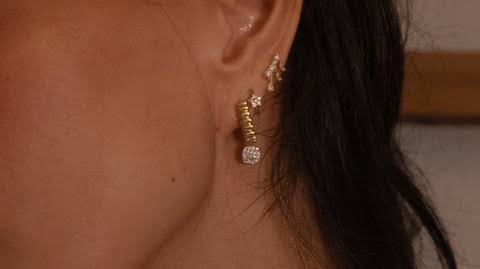
Why do my earrings smell, even though you shower and clean them regularly? This is one of the most common questions people ask about their piercings, and the honest answer is that almost everyone experiences it at some point, whether their ears are freshly pierced or decades old.
The odor, often jokingly called “ear cheese,” usually comes from a harmless mix of skin oils, sweat, and dead skin cells trapped around the earring post. In rarer cases, it can signal an allergic reaction or an infection that needs attention.
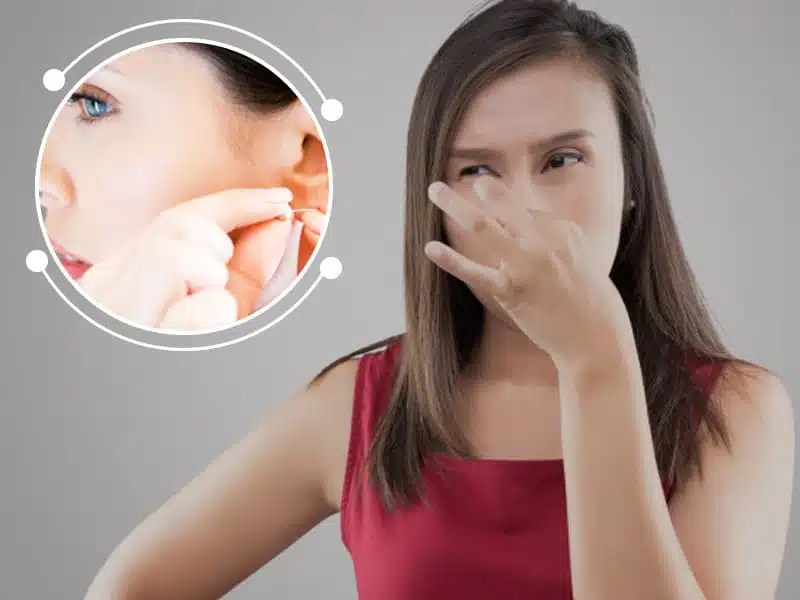
Earring odor develops when natural body substances get trapped in the small, low-airflow space around the piercing. Over time, this buildup breaks down and produces a distinct, cheese-like smell.
Below is a quick summary table of the most common contributing factors before we explain each one in detail.
| Cause | How Common | Usually Serious? |
|---|---|---|
| Sebum (skin oil) buildup | Very common | No |
| Dead skin cell accumulation | Very common | No |
| Sweat and bacteria | Very common | No |
| Metal allergy or sensitivity | Common | Sometimes |
| Hair or skin product residue | Common | No |
| Infrequent cleaning | Common | No |
| Wearing earrings while sleeping | Common | No |
| Piercing infection | Uncommon | Yes |
| Embedded earring | Rare | Yes |
| New or healing piercing | Common | No |
Sebum is the natural oil your skin produces to stay moisturized, and it collects easily around the tight space of a pierced earlobe. Because this area has limited airflow, sebum cannot evaporate or wash away as easily as it does elsewhere on the body.
Over time, this trapped oil mixes with other debris and starts producing an unpleasant smell.
Regularly cleaning both the earring and the piercing site helps prevent sebum from building up to noticeable levels, especially for people with naturally oilier skin who may need to clean more often than others.
Dead skin cells accumulate around the piercing tract because they do not shed as easily as skin cells elsewhere on the body. This buildup combines with oil and moisture to create a thick, smelly residue often nicknamed “ear cheese.”
This is one of the most universal causes of earring odor and affects nearly everyone who wears earrings regularly.
Gently cleaning the earlobe and rotating the earring during cleaning can help dislodge trapped dead skin.
Sweat combined with trapped skin oils creates a moist environment that bacteria thrive in. As bacteria break down these organic substances, they release the volatile compounds responsible for the smell.
Physical activity, hot weather, and tight-fitting earring backs can all increase moisture buildup around the piercing.
Keeping the area dry and clean reduces the bacterial activity that causes the strongest odors.
Certain metals, especially nickel, cobalt, and chromium, can trigger allergic reactions in sensitive individuals. These reactions often increase discharge and odor around the piercing site.
| Metal | Allergy Risk | Odor Risk |
|---|---|---|
| Nickel | High | High |
| Cobalt | Moderate | Moderate |
| Surgical steel | Low | Low |
| Titanium | Very low | Very low |
| Solid gold (14k+) | Low | Low |
| Plastic or mixed alloys | Moderate | Moderate |
Switching to hypoallergenic materials like titanium or surgical steel often resolves odor linked to metal sensitivity, and many people notice a difference within just a week or two of making the change.
Hairspray, dry shampoo, perfume, and lotion can settle around the ears without you realizing it, especially if applied close to the earlobes. This residue mixes with natural oils and contributes to a stronger smell over time.
Rinsing the ear area after using these products can prevent buildup from accumulating unnoticed.
Being mindful of where you spray or apply products is a simple, often overlooked prevention step.
Keeping earrings in continuously, especially during sleep or workouts, traps additional sweat and debris against the skin. This prolonged contact gives bacteria more time to multiply and produce odor.
Removing earrings periodically allows the piercing site to air out and reduces buildup significantly.
If continuous wear is necessary for a new piercing, extra attention to cleaning becomes even more important.
Freshly pierced ears are more prone to odor because the body is still healing the puncture wound. During this healing period, some discharge is normal and can combine with oils to create a temporary smell.
This is especially common in the first few weeks after getting pierced.
Following your piercer’s aftercare instructions closely helps minimize odor while the piercing heals properly.
Skipping regular cleaning is one of the simplest and most common reasons earrings start to smell. Without routine maintenance, oils, sweat, and skin cells accumulate steadily over days or weeks.
| Cleaning Frequency | Odor Likelihood |
|---|---|
| Daily | Low |
| Every few days | Moderate |
| Weekly | High |
| Rarely or never | Very high |
Building a consistent cleaning habit is one of the most effective ways to prevent odor from returning.
While most earring odor is harmless, certain signs suggest a possible infection that needs medical attention. Infections typically bring more than just an unpleasant smell.
| Symptom | Normal Buildup | Possible Infection |
|---|---|---|
| Smell | Mild, waxy | Sharp, foul, or sweet-sick |
| Discharge color | Off-white | Yellow, green, or bloody |
| Redness | Minimal | Persistent or spreading |
| Pain | Mild tenderness | Increasing or throbbing |
| Swelling | None or slight | Noticeable and growing |
If you notice these infection signs, especially spreading redness, warmth, or fever, seek medical care promptly, since piercing infections can worsen quickly if left untreated.
An embedded earring occurs when the jewelry becomes partially or fully surrounded by skin tissue, often due to a backing that is too tight. This traps debris beneath the skin and can cause both odor and pain.
This issue is more likely with cartilage piercings or earrings worn with overly snug backs.
A professional piercer or doctor should address embedded jewelry rather than attempting to remove it yourself, since improper removal can worsen tissue damage or introduce further infection.
Cleaning both the jewelry and the piercing site is essential for eliminating odor effectively.
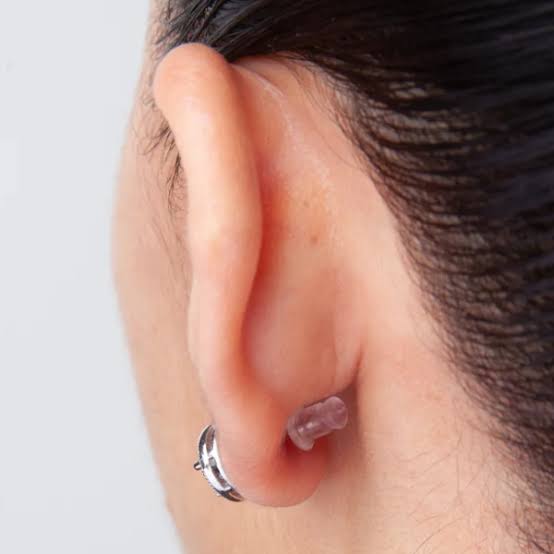
Choosing the right earring material can significantly reduce how often odor builds up.
Earring backs and posts can wear down or trap bacteria over time, making periodic replacement worthwhile. Most experts recommend replacing earrings every six to twelve months, depending on material and wear frequency.
Signs that it may be time to replace your earrings include persistent odor despite cleaning, visible tarnish, or skin irritation.
Investing in higher-quality, hypoallergenic earrings often reduces how frequently replacement is needed, saving both money and the hassle of managing recurring odor issues.
Small daily adjustments can make a big difference in keeping earrings fresh.
As skin ages, collagen naturally breaks down, which can change the shape and texture of the earlobe over time. These changes can create more folds and creases where oils and debris can collect.
This means older adults may notice earring odor more frequently, even with consistent hygiene habits.
Adjusting cleaning frequency and earring style as skin changes can help manage this natural shift, and choosing lighter, well-ventilated jewelry can also reduce strain on aging skin.
People with stretched piercings, often called gauges, can experience stronger odor due to the larger surface area involved. Dead skin cells, oils, and sometimes healing fluid accumulate more easily in these wider piercings.
Materials like wood or poorly sterilized jewelry are especially prone to trapping bacteria in stretched piercings.
Regular cleaning with appropriate products designed for stretched ears helps reduce odor and supports healing, and choosing body-safe materials from the start can prevent many odor issues before they begin.
Not everyone experiences earring odor at the same rate, and several personal factors can influence how quickly buildup forms. Understanding your own risk factors can help you tailor your cleaning routine.
| Factor | Increases Odor Risk |
|---|---|
| Oily skin type | Yes |
| Frequent sweating or exercise | Yes |
| Tight-fitting earring backs | Yes |
| Cartilage or stretched piercings | Yes |
| Sensitive or reactive skin | Yes |
| Naturally dry skin | Lower risk |
People with oilier skin or more active lifestyles may need to clean their earrings more frequently than others to stay ahead of buildup.
It can be difficult to know whether the smell you’re noticing is simply normal buildup or something that needs closer attention. Paying attention to how the odor behaves over time is key.
Normal buildup tends to be mild, waxy, and improves quickly once you clean the area, without any accompanying pain or skin changes.
A problem is more likely if the smell is sharp or foul, keeps returning despite cleaning, or is joined by redness, swelling, or discharge that changes color.
Cartilage piercings, including helix, tragus, and conch piercings, tend to heal more slowly than earlobe piercings and can be more prone to odor. The reduced blood flow to cartilage tissue means healing takes longer and irritation is more common.
Because these piercings often sit in tighter spaces, airflow is limited, which allows oils and debris to build up more easily.
Extra care and slightly more frequent cleaning are usually recommended for cartilage piercings compared to standard earlobe piercings, along with patience since full healing can take several months longer.
People who wear hearing aids alongside earrings may notice increased odor due to the additional device sitting close to the ear canal. Hearing aids can trap moisture and warmth, creating another site where bacteria can thrive.
Regularly cleaning both the hearing aid and any nearby piercings helps reduce the combined effect on odor.
This is a commonly overlooked factor, especially for older adults managing both hearing aids and long-term piercings.

Certain habits can unintentionally worsen odor, even when you think you are keeping up with hygiene.
Several gentle, natural approaches can help manage mild odor alongside standard cleaning.
The type of earring back you use can significantly affect airflow and moisture buildup around the piercing. Tight, non-breathable backs trap more debris than looser, well-ventilated designs.
| Earring Back Type | Airflow | Odor Risk |
|---|---|---|
| Push backs (standard) | Low | Higher |
| Screw backs | Very low | Higher |
| Flat, disc-style backs | Moderate | Moderate |
| Open, breathable backs | High | Lower |
Switching to breathable backs, especially for daily-wear earrings, can noticeably reduce how often odor builds up, making it a simple upgrade for anyone dealing with frequent smell issues.
A short, repeatable checklist can make earring care feel effortless rather than like a chore. Following the same steps each week builds a habit that keeps odor from returning.
Sticking to this routine, even loosely, prevents most of the buildup that leads to noticeable odor over time.
The smell comes from a natural buildup of skin oils, dead skin cells, sweat, and bacteria around the piercing. This is very common and usually not a sign of poor hygiene.
Yes, mild odor is normal and affects most people who wear earrings regularly. It only becomes concerning if paired with pain, redness, or unusual discharge.
Remove and wash earrings with mild soap and warm water, then wipe metal posts with isopropyl alcohol. Clean the piercing site separately with sterile saline.
Yes, allergies to nickel, cobalt, or chromium can increase discharge and odor around the piercing. Switching to titanium or surgical steel often resolves this.
Cleaning your earrings and piercing area every other day, ideally when you wash your hair, helps prevent buildup. Daily cleaning is even better for people prone to stronger odor.
Yes, wearing earrings continuously, including while sleeping, traps sweat and oils against the skin. Removing them periodically allows the area to air out.
You should be concerned if the smell is paired with redness, swelling, pain, or yellow or green discharge. These can indicate an infection that needs medical attention.
Yes, materials like titanium, surgical steel, and solid gold reduce irritation and buildup compared to nickel or mixed alloys. This often leads to noticeably less odor over time.
Yes, freshly pierced ears often produce some discharge and odor while healing, which is normal in the first few weeks. Following aftercare instructions helps minimize this.
Buildup alone rarely leads to infection if cleaned within a few days, but neglecting it for weeks increases the risk. Consistent cleaning is the best way to prevent this progression.
For most people, earring odor is a manageable, recurring part of wearing jewelry rather than a sign of a serious health issue. With a consistent cleaning routine and the right materials, buildup can be kept to a minimum indefinitely.
People with metal sensitivities or chronic buildup may need to experiment with different materials or backs before finding a long-term solution that works for their skin.
Staying attentive to changes in smell, discharge, or skin condition ensures that any early signs of infection are caught and treated quickly rather than allowed to worsen.
A smelly earring is one of the most common and least talked about piercing concerns, but in most cases, it comes down to a harmless mix of skin oils, sweat, dead skin cells, and bacteria trapped in a low-airflow space.
Metal allergies, product residue, and infrequent cleaning can all make the smell worse, while hypoallergenic materials and a consistent cleaning routine usually solve the problem.
Pay closer attention if the odor comes with redness, swelling, pain, or unusual discharge, since these can point to an infection or an embedded earring that needs professional care.
For most people, simply washing earrings regularly, choosing quality materials like titanium or surgical steel, and giving piercings a break from constant wear is enough to keep the smell away for good. When in doubt, a doctor or professional piercer can quickly confirm whether what you’re dealing with is normal buildup or something that needs treatment.