
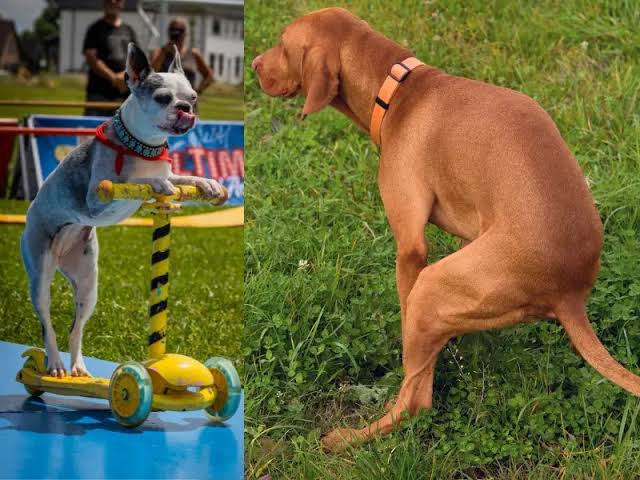
Why do dogs scoot on their butt across the living room floor at the worst possible moment? It looks funny, but this behavior almost always means your dog is uncomfortable somewhere around their rear end.
The most common cause is full or impacted anal glands, though parasites, allergies, leftover stool, and skin irritation can all trigger the same dragging motion.
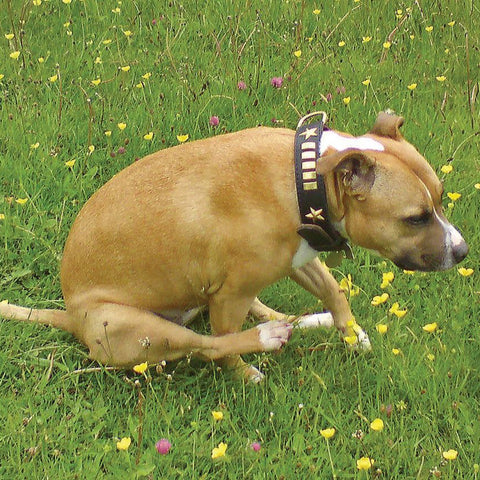
Scooting happens when a dog drags their rear end along the floor or carpet while sitting or lying down. It’s an instinctive attempt to relieve an itch, pressure, or pain they can’t otherwise reach.
Unlike scratching with a paw, scooting lets a dog apply direct pressure and friction to the anal area. This makes it an effective, if awkward, way for dogs to self-soothe when something back there feels wrong.
Most dogs will only scoot a few times before stopping once the itch or pressure is relieved. If the behavior repeats daily or seems to worsen, it’s a clear signal that the underlying cause needs more than a quick self-soothing session to resolve.
Most cases of scooting trace back to one of a handful of well-known causes. Below, we break down each one in detail so you can better identify what might be affecting your dog.
Dogs have two small anal sacs located just inside the rectum that release a strong-smelling fluid during bowel movements. When these glands don’t empty properly, they become full and uncomfortable, pushing your dog to scoot for relief.
If impacted glands aren’t addressed, bacteria can build up and cause a painful infection or abscess. This often comes with visible swelling, redness, or a foul discharge near the anus.
Tapeworms, roundworms, hookworms, and whipworms can all cause intense itching around a dog’s rear end. Tapeworm segments often look like small grains of rice near the anus or in fresh stool.
Long-haired dogs are especially prone to trapping bits of stool in the fur around their tail and rear. This leftover debris irritates the skin and prompts scooting simply to clean the area.
Certain proteins, grains, or additives in dog food can trigger digestive upset and skin inflammation. This combination often leads to itching around the anus and general scooting behavior.
Pollen, dust mites, and grass can cause the same kind of itchy, inflamed skin as food allergies. Dogs with environmental allergies often scoot alongside other symptoms like paw licking or ear infections.
Firm stool is what naturally applies pressure to empty the anal glands during a bowel movement. A diet lacking in fiber can lead to soft stool or constipation, both of which prevent the glands from emptying properly.
Clipper burn, razor nicks, or harsh shampoo can leave the skin around a dog’s rear end raw and itchy after a grooming session. This type of scooting typically appears shortly after a trip to the groomer.
Bacterial or yeast infections around the anal area can cause soreness, itching, and an unpleasant smell. These infections sometimes develop as a secondary issue after prolonged scooting has already irritated the skin.
Small tears in the skin lining the anus can be painful, especially during or after a bowel movement. Though less common in dogs than in humans, these fissures can absolutely trigger frequent scooting.
Female dogs with a UTI may scoot due to burning or itching sensations during urination. This cause is less frequent than anal gland issues but worth mentioning to your vet if other causes are ruled out.
In rare cases, part of the rectum can protrude from the anus, which is uncomfortable and requires prompt veterinary attention. This condition looks like a small, reddish mass near the anal opening.
Occasionally, a dog learns that scooting gets an instant reaction from their owner. If a vet has ruled out medical causes, this learned behavior may simply be your dog seeking attention.
| Cause | Typical Signs | Usually Needs |
|---|---|---|
| Anal gland impaction | Scooting, licking, fishy odor | Manual gland expression |
| Anal gland infection or abscess | Swelling, redness, discharge | Veterinary treatment, antibiotics |
| Intestinal parasites | Rice-like segments, itching, diarrhea | Deworming medication |
| Fecal debris in fur | Matted fur, visible residue | Cleaning, trimming |
| Food allergy | Itchy skin, soft stool, ear infections | Diet change |
| Environmental allergy | Seasonal itching, paw licking | Allergy management |
| Low-fiber diet | Soft stool, recurring gland issues | Higher-fiber diet |
| Grooming irritation | Redness right after grooming | Gentle products, time to heal |
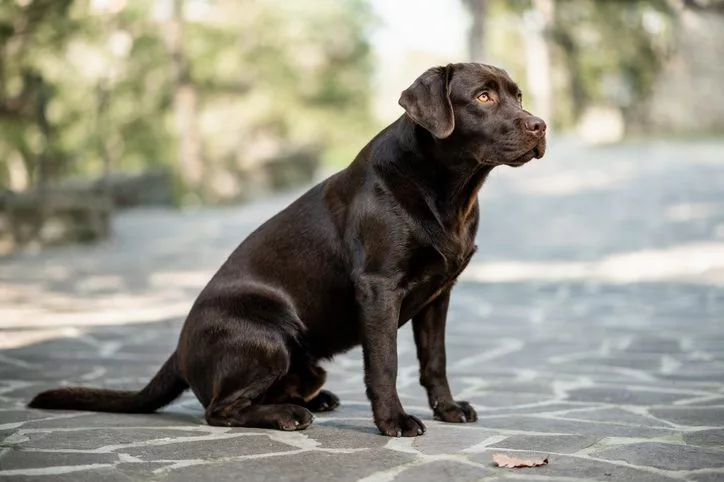
While any dog can scoot, certain body types and coat styles make some breeds more likely to experience this issue. Knowing whether your dog’s breed is at higher risk can help you stay proactive.
Chihuahuas, Dachshunds, and Toy Poodles have narrower anal gland ducts, which makes impaction more likely. Owners of these breeds should watch closely for early signs of scooting.
Bulldogs and similarly built breeds are prone to skin fold irritation and inflammation near the rear. Their compact body shape can also make natural gland expression less efficient.
Poodles, Spaniels, and other long-coated dogs are more likely to trap fecal matter in the fur around their tail. Regular trimming in this area can meaningfully reduce their risk of irritation.
A single scooting incident usually isn’t an emergency, but repeated or frequent scooting deserves real attention. Left untreated, minor gland irritation can progress into a painful infection or abscess.
Persistent scooting can also cause secondary skin damage from constant friction against the floor. That raw, irritated skin then becomes an easy entry point for bacteria, compounding the original problem.
While a veterinary visit is important for frequent or worsening scooting, there are a few things you can try at home for mild or occasional cases.
Use dog-safe wipes to gently clean your dog’s rear end, especially after bowel movements. This helps remove trapped debris before it has a chance to cause irritation.
Canned pumpkin, sweet potato, or green beans can help firm up stool and support natural gland expression. Firmer stool applies the pressure glands need to empty on their own during defecation.
Keeping the fur short around your dog’s tail and anus reduces the chance of trapped fecal matter. This is especially helpful for long-haired breeds prone to matting in this area.
A warm, damp cloth held gently against the area can ease mild irritation from grooming or minor gland discomfort. Avoid this method if you notice swelling or suspect an infection.
An oatmeal-based or hypoallergenic shampoo can soothe irritated skin without stripping natural oils. Always rinse thoroughly to avoid leaving residue that could cause further irritation.
| Remedy | Best For | Notes |
|---|---|---|
| Dog-safe wipes | Fecal debris, minor cleanliness issues | Use after bowel movements |
| High-fiber additions | Constipation, recurring gland fullness | Introduce gradually |
| Fur trimming | Long-haired dogs, matting | Ask a groomer for help if unsure |
| Warm compress | Mild grooming irritation | Skip if swelling is present |
| Hypoallergenic shampoo | General skin irritation | Rinse thoroughly |
Some causes of scooting need more than home care and should be evaluated by a professional as soon as possible. Knowing the red flags helps you act quickly when it matters most.
| Symptom | Possible Meaning |
|---|---|
| Swelling or redness near the anus | Anal gland infection or abscess |
| Foul-smelling discharge | Infected or ruptured anal gland |
| Blood in stool or near the anus | Fissure, parasite, or internal issue |
| Rice-like segments in feces | Tapeworm infestation |
| Scooting lasting more than a few days | Underlying issue needing diagnosis |
| Visible tissue protruding from the anus | Rectal prolapse, requires urgent care |
| Fever or lethargy alongside scooting | Possible infection or systemic illness |
If you notice any of these signs, schedule a veterinary exam rather than continuing home treatment alone. Your vet can determine the exact cause and recommend appropriate medication or a gland expression procedure.
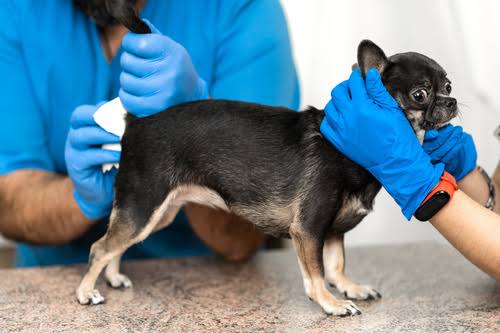
Understanding what to expect can make a scooting-related appointment feel less stressful for both you and your dog. Most visits follow a similar, straightforward process.
Your veterinarian will check the anal area for swelling, redness, discharge, or other visible abnormalities. This exam alone often reveals whether anal glands or another issue are to blame.
A stool sample helps identify intestinal parasites like tapeworms or roundworms that might be causing irritation. This test is quick and gives clear direction for treatment if parasites are found.
If glands are impacted, your vet or a trained technician can manually express them to relieve pressure immediately. Most straightforward cases see quick relief after just one expression session.
For dogs with recurring symptoms, your vet may recommend allergy testing or bloodwork to look for an underlying condition. This step is especially useful if simple causes have already been ruled out.
Understanding potential costs can help you plan ahead if your dog needs veterinary treatment for scooting. Prices vary by location, but general ranges give a helpful starting point.
| Treatment | Estimated Cost Range |
|---|---|
| Anal gland expression | $20 to $50 |
| Fecal parasite test | $25 to $60 |
| Deworming medication | $15 to $40 |
| Abscess treatment or surgery | $300 to $1,500 |
| Allergy testing | $200 to $400 |
Addressing minor issues early, like scheduling a routine gland expression, is almost always far less expensive than treating an infection or abscess that developed from neglect.
Long-term prevention is almost always more effective than repeatedly treating the same recurring problem. A few consistent habits can lower your dog’s risk significantly.
A diet with adequate fiber supports firm stool, which helps anal glands empty naturally with every bowel movement. Ask your vet about the best fiber sources for your dog’s specific needs.
Monthly flea, tick, and dewormer treatments greatly reduce the risk of parasite-related itching and scooting. Consistency matters more than any single treatment on its own.
Regular exams let your vet catch early signs of gland impaction, allergies, or infection before they worsen. Many vets recommend checking anal glands during routine annual visits.
Regular bathing and trimming around the tail area reduces trapped debris and matting, especially for long-haired breeds. This simple habit prevents a large share of hygiene-related scooting cases.
Overweight dogs are more prone to anal gland issues due to reduced muscle tone around the rectal area. Keeping your dog at a healthy weight supports natural gland function over time.
Owners sometimes confuse scooting with other normal behaviors, which can lead to unnecessary worry or missed warning signs. Knowing the difference helps you respond appropriately.
Tail chasing is typically playful and energetic, often ending in spinning circles. Scooting, by contrast, involves the dog sitting down and dragging their rear across the ground with clear purpose.
Some dogs lick their rear end instead of scooting, especially if they’re more flexible or smaller in size. Both behaviors usually point to the same underlying causes, like gland fullness or irritation.
Rolling on the back often signals full-body itchiness, frequently linked to skin allergies or flea bites. Scooting is more localized and almost always centers on the anal region specifically.
Age can influence both the likely cause of scooting and how it should be managed. Puppies and senior dogs often need slightly different approaches.
Young puppies are more likely to scoot due to parasites picked up from their environment or mother. Regular deworming schedules recommended by your vet are especially important during this stage.
Older dogs may scoot due to reduced muscle tone around the anal glands, making natural expression less effective. Arthritis and reduced mobility can also make grooming and self-cleaning harder for senior dogs.
While anal gland issues affect both sexes equally, a few causes are more specific to female dogs. Recognizing these differences helps narrow down the likely cause faster.
Female dogs can scoot due to vulvar itching or urinary tract infections, which present differently from typical anal gland discomfort. If your female dog scoots frequently along with unusual urination habits, mention this specifically to your veterinarian.
A few misconceptions about scooting circulate widely among pet owners, and clearing them up can prevent unnecessary worry or delayed treatment.
While parasites can cause scooting, anal gland issues are actually the most common underlying cause. A fecal test is the only reliable way to confirm or rule out worms.
A single scooting episode is rarely urgent and often resolves on its own. Frequent or worsening scooting, however, does warrant a veterinary visit.
While small breeds are more prone to gland impaction, dogs of every size and breed can experience scooting. Large breeds are just as susceptible to allergies, parasites, and hygiene-related irritation.
Scooting on carpet usually means your dog has an itch, irritation, or full anal glands. The rough carpet texture provides friction that a dog can’t achieve with just licking or scratching.
Yes, occasional scooting once or twice isn’t usually a concern. Frequent or daily scooting, however, typically points to an underlying issue that needs veterinary attention.
It’s possible, but incorrect technique can injure the delicate gland tissue. Most veterinarians recommend leaving this task to a professional unless you’ve been properly trained.
Not always, but tapeworms are a common cause of anal itching that leads to scooting. Rice-like segments near the anus or in stool are a strong sign of tapeworm infection.
High-fiber foods like pumpkin, sweet potato, and green beans support firmer stool. Firmer stool applies natural pressure that helps anal glands empty during bowel movements.
Yes, both food and environmental allergies commonly cause itchy, inflamed skin around the anus. Managing the underlying allergy usually resolves the associated scooting behavior.
Occasional scooting after grooming often means mild razor burn or product irritation, which usually resolves quickly. Persistent scooting or visible nicks should be checked by your vet.
Swelling, redness, and a foul discharge near the anus are strong signs of infection. These symptoms need prompt veterinary treatment rather than home care alone.
Yes, but only after a vet has ruled out medical causes first. Some dogs learn that scooting draws immediate attention from their owner.
See a vet if scooting is frequent, lasts more than a couple of days, or comes with swelling, discharge, or blood. These signs usually indicate a problem that needs professional diagnosis and treatment.
Dogs scoot their butts for a wide range of reasons, from full anal glands and intestinal parasites to food allergies, trapped fecal matter, and grooming irritation.
While an occasional scoot is rarely serious, frequent or persistent scooting almost always signals discomfort that deserves attention. Simple home habits like adding fiber to your dog’s diet, keeping the rear end clean, and staying current on parasite prevention can meaningfully reduce how often this behavior occurs.
However, home care has its limits, and symptoms like swelling, discharge, blood, or scooting that lasts more than a few days call for a proper veterinary exam.
Addressing the root cause early not only stops the embarrassing floor drags but also prevents minor irritation from turning into a painful infection. When in doubt, a quick trip to the vet will give you clear answers and get your dog back to comfortable, scoot-free days.