
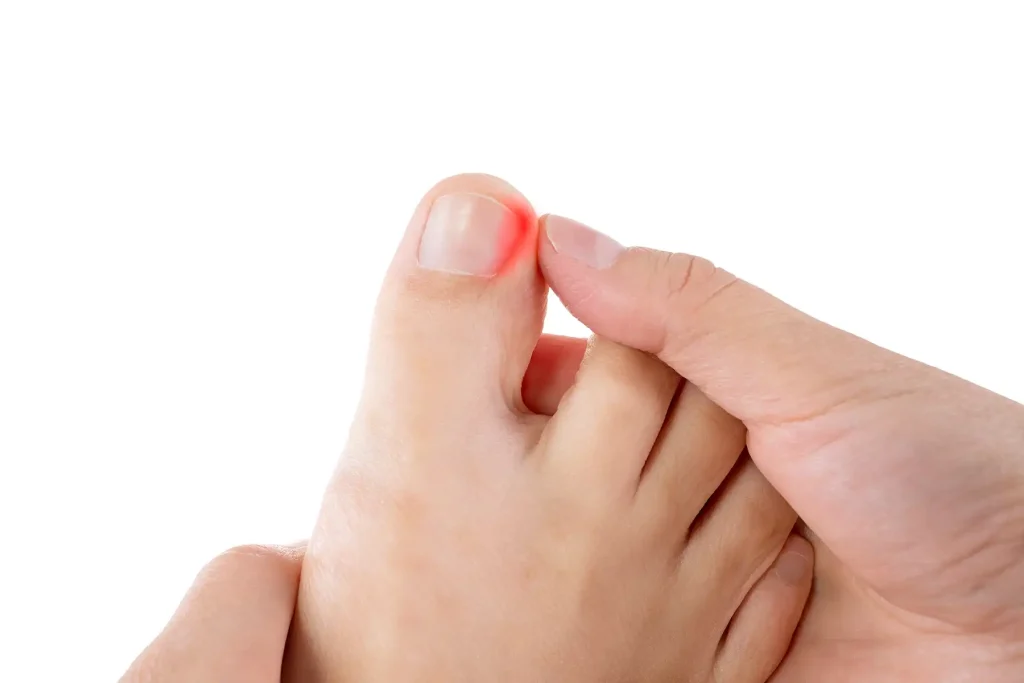
Why do my toenails smell? In most cases, it’s a fungal or bacterial infection thriving in the warm, moist space under your nail. Sweaty shoes, trapped moisture, and trimmed nail debris all create the perfect breeding ground.
The good news is that toenail odor almost always has a clear, treatable cause. It’s rarely something to panic about, but it’s also not something to ignore, since untreated fungus tends to spread and worsen over time, potentially affecting nearby nails as well.

A smelly toenail usually signals that fungi, bacteria, or trapped debris are breaking down under the nail plate.
The smell often gets stronger right after cutting your nails, since trimming releases trapped compounds and debris.
Some people describe the odor as musty or sour, while others compare it to a strong, aged cheese smell.
The intensity of the smell often correlates with how advanced the underlying infection or buildup has become.
Certain groups are more likely to develop persistent toenail odor than others.
Athletes and people who wear closed athletic shoes for hours experience more sweat buildup, raising their risk significantly.
People with diabetes or circulation issues are more prone to infections that heal slowly and produce stronger odor.
Older adults often have thicker, slower-growing nails that are more vulnerable to fungal invasion over time.
Anyone who frequently visits public pools, gyms, or nail salons has more exposure to fungal spores in shared spaces.
People with a family history of nail fungus also appear to have a higher genetic susceptibility to developing the same infections.
Toenail odor almost always traces back to a handful of well-known causes.
Below are the most common triggers, ranked from the most frequent to the less common ones.
Fungal nail infection, medically called onychomycosis, is the leading cause of smelly toenails.
Fungi thrive in warm, dark, moist environments, which is exactly what sweaty shoes and socks provide throughout the day.
As the fungus breaks down keratin, the protein that makes up your nail, it releases foul-smelling byproducts.
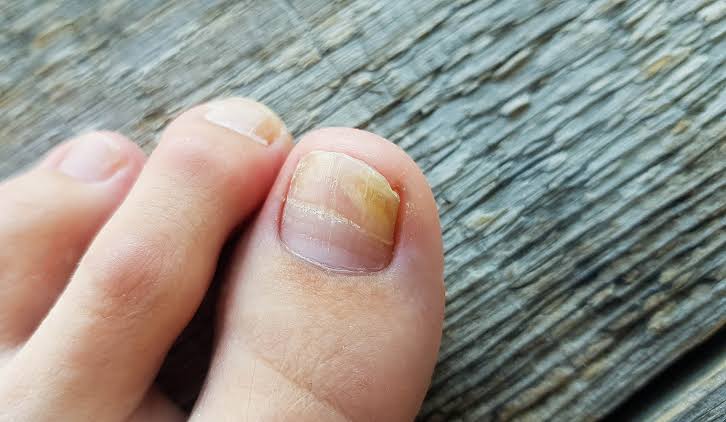
Infected nails often look thickened, brittle, and discolored in shades of yellow, brown, or white.
This condition accounts for roughly half of all nail-related problems and appears far more often in toenails than fingernails.
Left untreated, the infection typically spreads to nearby nails and can become progressively harder to clear.
It’s more common than many people realize, and there’s no need to feel embarrassed about seeking treatment early.
Bacteria multiply quickly in moisture trapped under or around the toenail, especially if fungus has already weakened the nail.
These bacteria release volatile compounds similar to the ones responsible for regular foot odor.
Redness, swelling, or drainage around the nail can signal an active bacterial infection rather than fungus alone.
Bacterial infections can develop independently or take hold in a nail already weakened by fungus or trauma.
A specific bacteria called Brevibacterium is often responsible for the strong, cheese-like smell some people notice.
Interestingly, this same bacteria is used in making strong cheeses like Limburger, which explains the eerily similar odor.
Brevibacterium thrives in the same damp, warm conditions as fungus, so the two often appear together.
As fungus breaks down keratin, it creates more debris for Brevibacterium to feed on, which can intensify the smell further.
Dead skin cells, cuticle fragments, and sock fibers can accumulate under the nail and slowly decompose.
This debris buildup creates odor even without an active fungal or bacterial infection, though it can also feed one.
Regular cleaning under the nail edge helps prevent this type of buildup from accumulating in the first place.
Feet contain a high concentration of sweat glands, and trapped moisture inside shoes creates an ideal environment for odor-causing microbes.
Non-breathable shoes and synthetic socks make this worse by locking moisture against the skin and nail all day.
Athlete’s foot is a fungal skin infection that can spread from the skin between your toes directly into the nail.
Once it reaches the nail, it often triggers the same odor and discoloration seen in onychomycosis.
Infrequent washing, wearing the same damp socks repeatedly, or skipping thorough drying between toes all contribute to nail odor.
Dirty or shared nail clippers can also introduce fungus or bacteria to a previously healthy nail.
Stubbed toes, dropped objects, or repetitive pressure from tight shoes can damage the nail plate.
Damaged nails are more vulnerable to fungal infection, which can then lead to the smell developing over time.
People with diabetes or poor circulation face a higher risk of fungal and bacterial nail infections.
Reduced blood flow can slow healing and make it harder for the body to fight off an existing infection.
Regular foot checks are especially important for people managing diabetes, since minor nail issues can escalate quickly if left unnoticed.
| Cause | Typical Sign | Why It Smells |
|---|---|---|
| Fungal infection (onychomycosis) | Thick, yellow, brittle nail | Fungus breaks down keratin |
| Bacterial infection | Redness, swelling, drainage | Bacteria release volatile compounds |
| Brevibacterium | Strong cheese-like smell | Same bacteria used in cheese-making |
| Keratin debris buildup | Dark buildup under nail | Decomposing dead skin and fibers |
| Sweaty feet / trapped moisture | Damp socks and shoes | Warm, moist microbe breeding ground |
| Athlete’s foot spreading | Itchy, flaky skin near nail | Fungus moves from skin to nail |
| Nail trauma | Discolored or misshapen nail | Damage opens the door to infection |
Ordinary sweat-related odor usually fades quickly after washing and drying your feet thoroughly.
Fungal odor, on the other hand, tends to return quickly and gets noticeably worse after trimming the nail.
Look for thickening, crumbling texture, or a yellow-to-brown discoloration, since these strongly suggest fungus rather than simple sweat.
A creamy yellow or greenish-black buildup underneath the nail is often where the strongest odor originates.
Streaking within the nail or lifting of the nail from the nail bed are additional signs that point toward a fungal cause.
Bacterial nail odor often comes with visible redness or swelling around the nail fold.
You may also notice drainage, tenderness when pressed, or warmth in the surrounding skin.
Bacterial infections can develop on their own or alongside an existing fungal infection, making the smell more intense.
Unlike fungal odor, bacterial-related smell often responds faster to thorough cleaning and antibacterial soap.
Occasional mild odor after a long day in sweaty shoes is normal and not a medical concern.
But persistent, worsening odor combined with pain, swelling, or nail lifting from the nail bed needs professional evaluation.
People with diabetes should treat any nail infection seriously, since complications can progress faster and heal more slowly.
Spreading redness, increasing pain, or fever alongside a smelly nail can indicate a more serious infection requiring urgent care.
In rare cases, an untreated bacterial infection can progress to cellulitis, a deeper skin infection needing prompt antibiotic treatment.
Myth: smelly toenails always mean poor hygiene. In reality, even clean feet can develop fungal infections in the right conditions.
Myth: the smell will go away on its own. Fungal infections rarely resolve without treatment and often worsen over time.
Myth: nail polish hides the problem safely. Polish can actually trap moisture and make an existing infection worse.
Myth: only older adults get smelly toenail fungus. Athletes and younger people in sweaty shoes are just as susceptible.
A podiatrist typically starts by visually examining the nail’s color, texture, and thickness.
Physical appearance alone can suggest fungus, but a lab test called a mycology test confirms the diagnosis accurately.
This test involves taking a small nail or debris sample and analyzing it for fungal presence.
Confirming the exact cause helps your doctor recommend the right treatment instead of guessing between fungal and bacterial options.
In some cases, doctors also check for underlying conditions like diabetes or circulation issues that may be contributing to slow healing.
Getting a clear diagnosis early usually means shorter treatment time and a lower chance of the infection spreading further.
Treatment depends heavily on whether fungus, bacteria, or simple debris buildup is behind the smell.
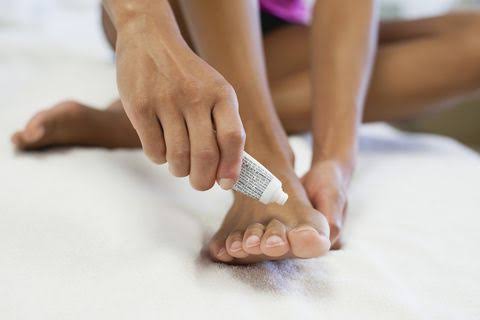
Antifungal creams, medicated lacquers, and sprays can help with mild fungal infections.
These treatments often take several months of consistent use to fully clear the infection and the odor.
Consistency matters more than strength here, since skipping applications gives the fungus a chance to regrow.
For more severe or stubborn infections, doctors may prescribe oral antifungal medication.
These are generally more effective than topical treatments but require monitoring due to potential side effects.
Your doctor may recommend periodic blood tests during treatment to check liver function while you’re on the medication.
Laser treatment targets fungus beneath the nail bed, reaching areas that topical creams often can’t penetrate.
Many patients choose this option because it’s painless, requires no downtime, and avoids the liver-related risks of oral medication.
The laser reaches fungus beneath the nail bed, an area that topical creams often struggle to penetrate effectively.
Debridement involves gradually shaving down the damaged nail so antifungal treatment can reach the infection more effectively.
In severe, long-standing cases, full nail removal may be recommended, allowing a healthy new nail to grow in over time.
Recovery from nail removal typically takes several months, and keeping the area clean during regrowth is essential.
For bacterial-driven odor, antibacterial soap washes and thorough drying often resolve mild cases without further treatment.
Persistent bacterial infections may require a topical or oral antibiotic prescribed by your doctor.
| Cause | Recommended Treatment |
|---|---|
| Mild fungal infection | OTC antifungal cream or medicated lacquer |
| Severe or stubborn fungus | Prescription oral antifungal medication |
| Deep or resistant fungus | Laser therapy |
| Long-term nail damage | Debridement or nail removal |
| Bacterial infection | Antibacterial wash or prescribed antibiotic |
| Simple debris buildup | Regular cleaning and thorough drying |
Simple sweat-related odor usually clears up within a day or two of improved hygiene and drying habits.
Mild fungal infections treated with topical antifungals can take three to six months to fully resolve, since nails grow slowly.
Laser therapy often shows visible improvement within a few weeks, though full nail regrowth still takes several months.
Severe or long-standing infections treated with oral medication or nail removal may take up to a year for the nail to look completely normal again.
Good daily habits go a long way toward preventing smelly toenails from developing or coming back.
Most of these steps take only a few extra minutes a day but make a significant difference over time.
Wash your feet daily with soap and water, paying close attention to the area under and around each nail.
Dry your feet completely afterward, especially between the toes, since leftover moisture feeds fungus and bacteria.
A hair dryer on a cool setting can help fully dry hard-to-reach areas between the toes, especially before putting on socks and shoes.
Keep nails trimmed straight across and filed smooth to reduce trapped debris and pressure on the nail bed.
Sanitize your clippers regularly and avoid sharing nail tools with others to prevent spreading infection.
Cutting nails too short or rounding the edges can increase the risk of ingrown nails, which adds another source of irritation.
Clean under the nail edge gently with a soft brush after trimming to remove any leftover debris.
Wear moisture-wicking socks to reduce sweat buildup throughout the day.
Change socks daily, or more often if your feet sweat heavily or get wet.
Rotate between two or more pairs of shoes so each pair fully dries out before you wear it again.
Choose shoes made from breathable materials like leather or mesh instead of non-breathable synthetic fabrics.
If possible, remove insoles overnight so they can air out fully before you wear the shoes again.
Applying antifungal powder or spray inside your shoes helps control moisture and limit fungal growth.
This is especially useful for people who sweat heavily or spend long hours in closed shoes.
Reapplying powder after workouts or long days keeps moisture levels low and discourages fungal growth.
Look for powders containing miconazole or tolnaftate, both known for their effectiveness against common foot fungus.
Wear sandals or flip-flops in locker rooms, public showers, and pool areas to avoid picking up fungus from shared surfaces.
Avoid walking barefoot in these spaces, since fungal spores can survive on damp floors for extended periods.
Bring your own pedicure tools to nail salons when possible, or confirm the salon sterilizes equipment between clients.
Choosing a salon that uses single-use liners for foot baths adds an extra layer of protection against shared infections.
Tea tree oil and vinegar soaks are popular home remedies people try for mild fungal odor.
Some studies suggest tea tree oil has mild antifungal properties, though results are inconsistent compared to proven medical treatments.
Vinegar soaks may help control odor and surface bacteria, but they rarely clear a true fungal infection on their own.
These remedies can be a helpful addition to hygiene routines, but they shouldn’t replace proper diagnosis and treatment for a confirmed infection from a doctor.
A balanced diet and good overall foot care support stronger, healthier nails that resist infection more easily.
Managing chronic conditions like diabetes helps reduce your risk of developing fungal or bacterial nail infections in the first place.
Regular pedicures at a clean, reputable salon can help, but always confirm that tools are properly sanitized between clients.
Avoid nail polish for extended periods without breaks, since trapped moisture under polish can encourage fungal growth.
Inspecting your feet and nails weekly helps you catch early signs of discoloration or thickening before they become harder to treat.
See a podiatrist if the smell persists despite consistent hygiene and over-the-counter treatment for several weeks.
You should also seek care if the nail becomes increasingly thick, discolored, painful, or starts lifting from the nail bed.
Anyone with diabetes or a weakened immune system should see a specialist promptly rather than waiting to see if it improves.
Persistent odor accompanied by spreading redness, drainage, or fever needs urgent medical attention.
Early treatment is generally faster, cheaper, and more successful than waiting until the infection has spread to multiple nails.
A bacteria called Brevibacterium, also used in cheese-making, often causes this smell when combined with fungus and moisture.
No, it can also come from bacteria, sweat, or trapped debris. A podiatrist can confirm the exact cause.
Trimming releases trapped fungal debris and compounds that were sealed under the nail, intensifying the odor temporarily.
Mild cases often improve with hygiene, drying, and OTC antifungal treatment. Persistent cases need professional care.
Topical treatments can take several months, while laser or oral medication may show faster results within weeks.
Yes, fungal infections can spread to other nails, skin, or people through shared tools, socks, or damp surfaces.
Yes, diabetes increases infection risk and slows healing, making smelly nail infections more likely and harder to treat.
Yes, trapping moisture under polish for long periods can encourage fungal growth and worsen odor over time.
It’s often described as musty, sour, or strongly cheese-like, especially in advanced infections.
See a doctor if odor persists for weeks, worsens, or comes with pain, swelling, or nail discoloration.
Smelly toenails are almost always caused by fungus, bacteria, or trapped moisture and debris building up under the nail. While it can feel embarrassing, it’s an extremely common issue with clear, treatable causes ranging from sweaty shoes to onychomycosis and even a specific cheese-linked bacteria.
Good hygiene, breathable footwear, and prompt attention to early signs like discoloration or thickening go a long way toward preventing the problem from escalating. Mild cases often respond well to over-the-counter antifungal treatment and consistent foot care at home.
If the smell keeps returning despite your best efforts, or the nail looks increasingly damaged, don’t wait it out. A podiatrist can confirm the exact cause with a simple test and get you on a treatment plan that actually resolves the odor for good, rather than just masking it temporarily.