
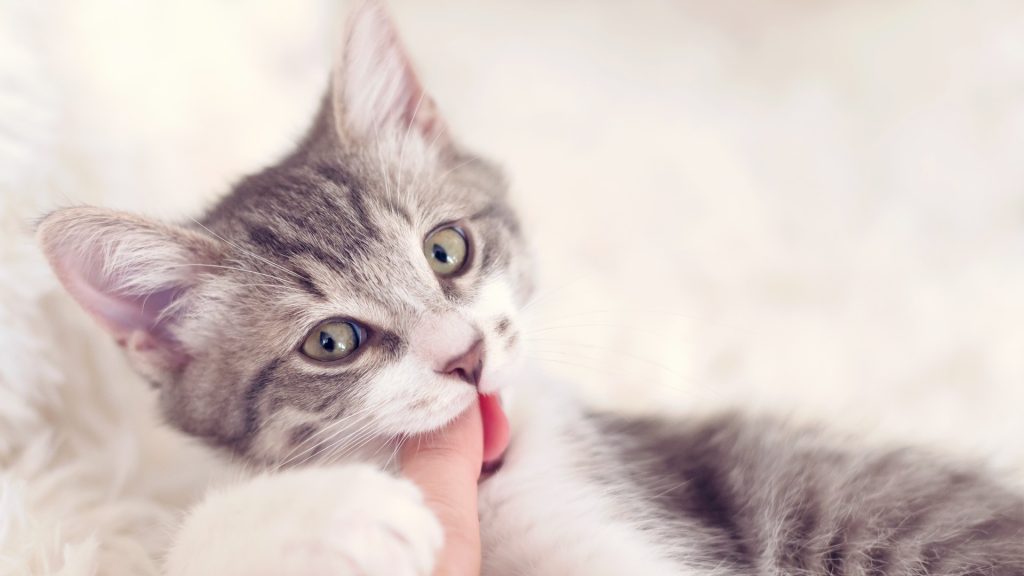
Why does my cat keep biting me even when I’m just petting or playing with her? It’s one of the most common questions cat owners search for, especially when the biting seems to come out of nowhere.
Cats don’t rely on words to communicate, so biting often becomes their way of expressing overstimulation, fear, playfulness, or even affection. Understanding the difference between these bite types is the first step toward a calmer, safer relationship with your cat.
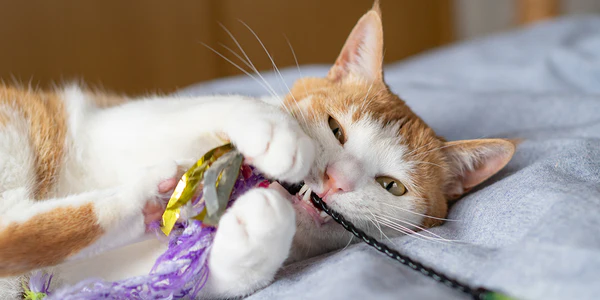
Most cat bites fall into a few clear categories: play biting, overstimulation, fear or stress, redirected aggression, and pain-related biting.
Play biting is the most common in kittens and young cats, since biting mimics natural hunting behavior. It’s usually gentle but can still hurt.
Overstimulation happens when petting continues past your cat’s comfort threshold. Fear-based and pain-related bites tend to be sudden, harder, and linked to specific triggers.
| Cause | Typical Bite Style | Common Trigger |
|---|---|---|
| Play biting | Gentle, quick nips | Hands or feet used as toys |
| Overstimulation | Sudden bite mid-pet | Prolonged petting sessions |
| Fear or stress | Hard, defensive bite | Loud noises, unfamiliar people |
| Redirected aggression | Sudden, intense bite | Another animal or stimulus outside |
| Pain or illness | Bite when touched in one spot | Arthritis, dental pain, injury |
| Love bites | Very light nibble | Petting, cuddling, bonding moments |
| Attention-seeking | Repeated light bites | Hunger, boredom, dirty litter box |
Kittens often learn to bite hands and feet during their early socialization period, especially if they were encouraged to play this way as babies.
This type of biting mimics natural hunting behavior, since cats are instinctive predators even when raised entirely indoors.
Redirecting play toward toys instead of hands early on helps prevent this habit from carrying into adulthood, when adult teeth make bites more painful.
Overstimulation is one of the most frequently reported reasons cats bite their owners, even ones who are normally affectionate and calm.
This happens when petting continues longer than the cat is comfortable with, often during long cuddle sessions or extended belly rubs.
Watching for early warning signs and stopping petting before your cat reaches its limit can prevent the bite entirely.
Cats almost always give warning signals before biting, even if the bite feels sudden to their owner.
A flicking or thumping tail, flattened ears, dilated pupils, and tense body posture are all classic pre-bite signals worth watching closely.
Skin twitching along the back, a low growl, or a sudden stillness can also signal that your cat needs space immediately.
| Warning Sign | What It Usually Means |
|---|---|
| Flicking or thumping tail | Growing irritation or overstimulation |
| Flattened ears | Fear, stress, or annoyance |
| Dilated pupils | Overstimulation or fear response |
| Tense, still body | About to react defensively |
| Low growl or hiss | Clear warning to back off |
| Skin twitching | Sensitivity or discomfort |
Frightened or stressed cats often bite defensively rather than out of aggression toward their owner specifically.
Loud noises, unfamiliar visitors, sudden movements, or being handled roughly can all trigger this kind of protective bite.
These bites tend to be harder and more sudden than play bites, since the cat is reacting instinctively to a perceived threat.
Redirected aggression happens when a cat becomes agitated by something it can’t reach, like another animal outside a window, and then bites the nearest person instead.
This type of biting can seem completely unprovoked, since the real trigger has nothing to do with the owner at all.
Recognizing the actual source of frustration, such as an outdoor cat or loud noise, helps prevent future redirected bites.
Not all biting is negative. Cats sometimes give gentle “love bites” while purring or slow blinking as a sign of trust and affection.
These bites are usually light, don’t break the skin, and happen during calm petting or cuddling sessions rather than active play.
Learning to tell love bites apart from warning bites helps owners respond appropriately instead of overreacting to harmless affection.
If a normally gentle cat suddenly starts biting, an underlying medical issue is worth ruling out before assuming it’s purely behavioral.
Dental pain, arthritis, skin irritation, or an injury can all make normal touch uncomfortable, especially in specific spots on the body.
Scheduling a veterinary visit is recommended anytime biting appears suddenly and doesn’t match your cat’s usual personality or habits.
Cats sometimes bite as a direct way of communicating an unmet need, since they can’t simply tell you what’s wrong.
A dirty litter box, an empty food bowl, or a lack of playtime can all lead to light, repeated nipping meant to get your attention.
Keeping a consistent routine for feeding, litter box cleaning, and play sessions often reduces this type of attention-seeking behavior significantly.
| Bite Type | Recommended Owner Response |
|---|---|
| Play bite | Redirect to a toy immediately |
| Overstimulation bite | Stop petting, give space |
| Fear-based bite | Stay calm, avoid sudden movement |
| Redirected aggression | Remove the outside trigger if possible |
| Pain-related bite | Schedule a veterinary checkup |
| Love bite | Continue calm, gentle interaction |
| Attention-seeking bite | Address the unmet need (food, play, litter) |
Staying still and calm is the safest immediate response, since sudden movements or loud reactions can make an already stressed cat bite harder.
Removing yourself slowly from the situation gives your cat space and time to calm down without escalating the interaction further.
Once the bite has happened, cleaning the wound with soap and warm water helps reduce the risk of infection from bacteria in a cat’s mouth.
Cat teeth have small grooves that harbor bacteria, which transfer into the skin the moment a bite breaks the surface.
This is why even seemingly minor cat bites can sometimes lead to redness, swelling, or infection within a day or two.
Seeking medical attention for any bite that shows increasing pain, swelling, or doesn’t heal properly is always the safer choice.
Using toys instead of hands during play is one of the most effective long-term fixes for chronic biting behavior.
Rewarding your cat with treats or praise when they play gently teaches them that good things follow calm behavior, not biting. This consistency, repeated over several weeks, builds a lasting habit rather than a temporary fix.
Interrupting play immediately after a bite by walking away removes the fun and teaches your cat that biting ends the interaction.
| Technique | How It Helps |
|---|---|
| Use toys, not hands, during play | Redirects hunting instinct away from skin |
| Reward gentle play with treats | Reinforces calm, bite-free behavior |
| Walk away after a bite | Teaches biting ends the fun |
| Learn individual triggers | Prevents situations that lead to bites |
| Maintain a consistent routine | Reduces attention-seeking bites |
| Supervise children around cats | Prevents accidental rough handling |
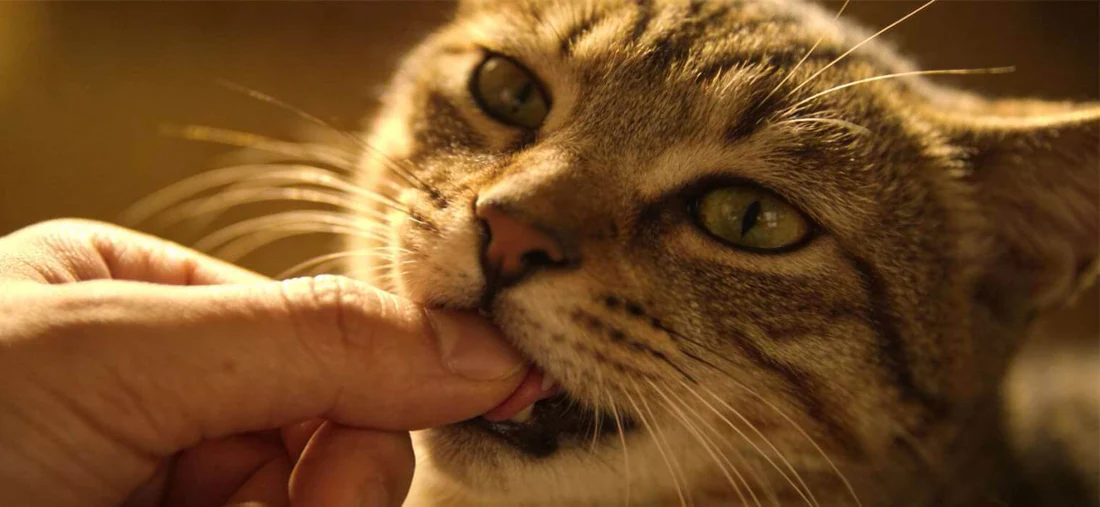
Letting your cat know you’re approaching, rather than sneaking up on them, reduces the chance of a startled, defensive bite.
Allowing your cat to sleep undisturbed and initiate contact when they choose builds trust and lowers overall stress levels.
Watching for early warning signs like tail flicking or flattened ears lets you stop an interaction before it escalates into a bite.
Children are more likely to be bitten because they may not recognize warning signs or may handle cats too roughly without meaning to.
Supervising interactions between young kids and cats, and teaching children to recognize tail flicking or ear position, helps prevent painful surprises.
In multi-pet homes, redirected aggression toward other animals can sometimes spill over onto humans nearby, so separating agitated pets quickly is helpful.
A sudden change in biting behavior, especially in an older or previously calm cat, is a strong reason to schedule a veterinary exam.
Veterinarians can rule out arthritis, dental disease, or other medical causes that might explain new or worsening biting behavior.
For behavioral cases without a medical cause, a certified cat behaviorist can help identify triggers and design a tailored training plan.
| Situation | Recommended Step |
|---|---|
| Sudden biting with no clear cause | Veterinary exam |
| Biting when touched in one specific spot | Veterinary exam for pain or injury |
| Frequent, unpredictable aggression | Certified cat behaviorist |
| Biting linked to a new pet or environment change | Behaviorist consultation |
| Bite wound showing infection signs | Medical attention for the wound |
Consistent, positive interactions over time help cats build trust and reduce their reliance on biting as a communication tool.
Respecting your cat’s individual tolerance for petting, noise, and handling shows them that their boundaries are recognized and respected.
Over weeks and months, most cats reduce biting significantly once their needs, triggers, and comfort limits are properly understood and addressed.
Some cats tolerate petting well but bite specifically during grooming, nail trims, or when picked up in certain ways.
This often happens because grooming touches sensitive areas like the belly, paws, or tail base, which many cats find uncomfortable even when otherwise affectionate.
Going slowly, using treats during grooming sessions, and stopping before your cat becomes tense can make these interactions far less likely to end in a bite.
While individual personality matters more than breed, some breeds are commonly described as more vocal, energetic, or prone to nipping during play.
Highly active breeds often have stronger hunting instincts, which can translate into more frequent play biting if not redirected early with proper toys.
Regardless of breed, early socialization and consistent training play a much bigger role in biting frequency than genetics alone.
Many owners believe biting always means a cat is angry or aggressive, but plenty of bites are simply overstimulation or misdirected play instincts.
Another common myth is that punishing a cat for biting teaches them to stop. In reality, punishment often increases fear and can make biting worse.
Some also assume older cats never bite unless provoked. In truth, sudden biting in senior cats is frequently linked to pain rather than mood.
Nipping usually refers to light, quick mouth contact that doesn’t break the skin, often seen during play or affectionate moments.
Biting, on the other hand, involves more pressure and is more likely to cause pain, bruising, or a puncture wound.
Understanding this distinction helps owners respond appropriately, treating gentle nips differently than harder, more deliberate bites tied to fear or pain.
Wand toys and fishing-pole style toys let cats chase and pounce without ever making contact with human hands or feet.
Soft plush toys designed for kicking and biting give cats an appropriate outlet for their natural predatory instincts during solo or interactive play.
Rotating toys regularly keeps play sessions engaging and reduces the chances your cat gets bored and turns to nipping for stimulation instead.
| Toy Type | Best Use Case |
|---|---|
| Wand or fishing-pole toys | Interactive play without hand contact |
| Kicker or plush toys | Solo biting and kicking outlet |
| Puzzle feeders | Mental stimulation to reduce boredom biting |
| Laser pointers | Chasing instinct without physical contact |
| Catnip-filled toys | Extra engagement during play sessions |
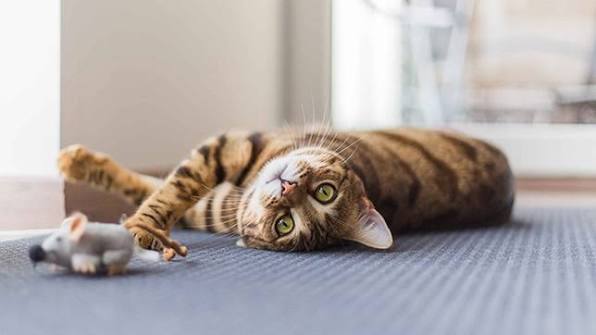
New pets, new furniture, moving homes, or even rearranged rooms can all increase stress levels in cats, sometimes leading to more frequent biting.
Cats are highly sensitive to changes in their environment, and unfamiliar smells or layouts can trigger defensive behavior during this adjustment period.
Giving your cat time, familiar hiding spots, and a predictable routine during transitions often reduces stress-related biting within a few weeks.
Older cats often develop arthritis or other age-related conditions that make certain types of touch uncomfortable, even if they previously enjoyed being handled that way.
A senior cat that suddenly resists being picked up or touched near the hips or spine may be signaling joint pain rather than irritation.
Routine veterinary checkups become increasingly important as cats age, helping catch and manage pain-related biting before it becomes a frequent issue.
Setting aside dedicated playtime each day helps burn off energy and reduces the likelihood of your cat redirecting hunting instincts onto your hands.
Keeping the litter box clean, food and water available, and a predictable daily schedule all reduce stress-driven and attention-seeking biting.
Combining these habits with attentive body language reading creates a home environment where biting becomes far less frequent over time.
Every cat has a unique tolerance level for petting, noise, and handling, which is why the same interaction can be fine one day and trigger a bite the next.
Keeping a mental note of situations that lead to biting, such as belly rubs or being picked up suddenly, helps you avoid repeating those patterns.
Over time, this awareness allows you to tailor your interactions specifically to what your cat enjoys, significantly lowering the overall frequency of bites.
Patience matters more than quick fixes when it comes to changing biting behavior, since most cats improve gradually rather than overnight.
Celebrating small wins, like a play session that ends without a bite, reinforces the progress you and your cat are making together.
Combining medical checkups, consistent training, appropriate toys, and attentive body language reading gives you the best possible chance at lasting improvement.
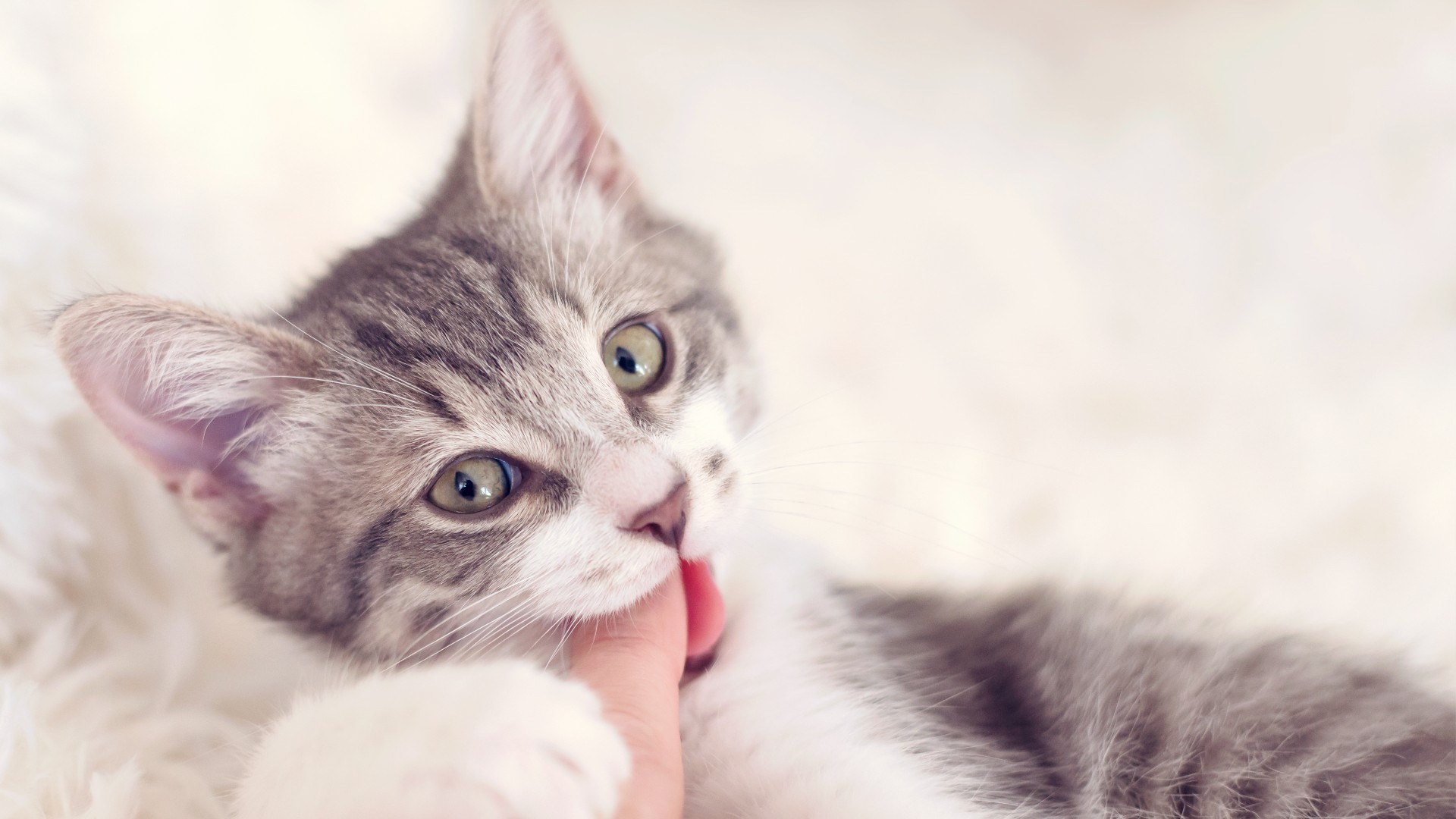
This is usually caused by overstimulation during petting. Watch for tail flicking or flattened ears and stop petting before it escalates.
Sudden biting with no clear trigger may signal pain, illness, or redirected aggression. A veterinary checkup is recommended to rule out medical causes.
Love bites are gentle and paired with relaxed body language like purring. Aggressive bites involve flattened ears, tension, or a flicking tail.
Avoid using your hands as toys and redirect biting toward appropriate cat toys instead. Consistency early on prevents the habit from continuing into adulthood.
Yes, stress and anxiety often trigger defensive biting, especially around loud noises or unfamiliar situations. Reducing stressors can help significantly.
Yes, cat bites can cause bacterial infections due to bacteria on their teeth. Clean the wound promptly and seek medical care if it worsens.
Redirected aggression happens when a cat is agitated by something else, like another animal, and bites the nearest person instead. Removing the trigger helps.
No, punishment can increase fear and worsen biting behavior. Positive reinforcement and redirection are far more effective long-term solutions.
Sudden biting in an older cat often points to pain from arthritis, dental disease, or another medical issue. A vet visit is strongly recommended.
Consult a behaviorist if biting is frequent, unpredictable, or doesn’t improve after ruling out medical causes and adjusting handling habits.
Cat biting is rarely random, even when it feels sudden or confusing to an owner. Whether it stems from playful instinct, overstimulation, fear, redirected aggression, or an underlying medical issue, every single bite is your cat’s own way of communicating something important to you.
Learning to recognize early warning signs like tail flicking, flattened ears, and tense posture gives you the chance to stop interactions before they escalate.
Redirecting play toward toys, respecting your cat’s limits, and maintaining a consistent daily routine all help reduce biting over time and strengthen the bond you share.
If biting appears suddenly, worsens, or seems disconnected from any clear trigger, a veterinary visit or consultation with a certified cat behaviorist is the safest next step.
Tracking your cat’s specific triggers, sticking to a predictable routine, and using appropriate toys during play all add up over time. With genuine patience and the right consistent approach, most cats and their owners can build a calmer, bite-free relationship that lasts for many years to come.