

Why are my legs tingling is one of the most searched health questions in 2026, and for good reason.
That pins-and-needles sensation can range from a harmless posture issue to an early warning sign of a serious nerve or vascular condition.
Millions of people experience leg tingling every day, yet most do not know what is causing it or when to worry.

Leg tingling is medically called paresthesia. It refers to an abnormal sensation in the legs that feels like pins and needles, prickling, crawling, or a mild electric buzz.
It can affect the whole leg, just the calf, the thigh, the foot, or even just the toes. Sometimes it comes with numbness, weakness, or a feeling of coolness in the limb.
The sensation can be short-lived and harmless, such as when your leg falls asleep after sitting cross-legged. But when it keeps coming back or does not go away, it usually signals something deeper.
| Type | Example Cause | Urgency Level |
|---|---|---|
| Temporary / Positional | Sitting too long, crossed legs | Low |
| Nerve-related | Sciatica, peripheral neuropathy | Medium to High |
| Vascular | PAD, DVT, poor circulation | High |
| Metabolic | Diabetes, vitamin B12 deficiency | Medium |
| Neurological | Multiple sclerosis, tarsal tunnel | High |
| Lifestyle / Emotional | Anxiety, stress, dehydration | Low to Medium |
The most common reason your legs tingle is nerve compression. When sustained pressure is placed on a nerve, the signal it sends to your brain gets distorted, producing that familiar pins-and-needles feeling.
Sitting in one position too long, wearing tight clothing, or crossing your legs for extended periods are all everyday culprits. The tingling typically goes away once you move and relieve the pressure.
If the pinching happens at a structural level, such as in your spine, the tingling becomes chronic and needs medical attention.
Sciatica happens when the sciatic nerve, the longest nerve in the body running from your lower back down each leg, becomes compressed or irritated. The result is tingling, numbness, or sharp shooting pain that radiates from the lower back through the buttock and down one leg.
Herniated spinal discs and spinal stenosis are the most common triggers. Sciatica usually affects only one side of the body, which is a key diagnostic clue.
Physical therapy, stretching, anti-inflammatory medications, and in severe cases, surgery can relieve sciatica-related leg tingling effectively.
Peripheral neuropathy is damage to the peripheral nerves that carry signals between your brain, spinal cord, and the rest of your body. When these nerves are damaged, they misfire, causing tingling, burning, and numbness, especially in the legs and feet.
Diabetes is the leading cause of peripheral neuropathy. Vitamin deficiencies, certain medications, alcohol abuse, and infections can also cause it.
The tingling in diabetic neuropathy usually starts in the toes and moves upward in a stocking-like pattern, and it tends to be worse at night.
High blood sugar over a long period damages the tiny blood vessels that supply your nerves. This leads to a gradual, burning or tingling sensation that usually appears in both feet and legs simultaneously.
Over 20 million people in the United States have some form of neuropathy affecting their legs or feet. Diabetes is responsible for a large share of those cases.
Controlling blood sugar is the most important treatment step. Medications like gabapentin or pregabalin may be prescribed to reduce nerve pain and tingling.
Peripheral artery disease occurs when arteries narrow due to plaque buildup, reducing blood flow to the legs. When your legs do not get enough oxygen-rich blood, nerves start sending distress signals in the form of tingling, cramping, and pain.
PAD-related tingling is often triggered or worsened by physical activity. In mild cases, you notice it only after walking or climbing stairs. As the condition progresses, tingling can become constant even at rest.
Treatment includes lifestyle changes, antiplatelet medications, statins, supervised walking programs, and in severe cases, angioplasty or stent placement to physically open narrowed arteries.
General poor circulation, even without a formal PAD diagnosis, can cause tingling in the legs. Blood flow that is sluggish due to prolonged sitting, smoking, obesity, or a sedentary lifestyle fails to deliver enough oxygen and nutrients to leg nerves.
Walking more frequently, quitting smoking, and maintaining a healthy weight all significantly improve circulation and reduce tingling episodes.
Medical evaluation is still important if you notice persistent tingling, swelling, or skin color changes in your lower legs.
A blood clot in the deep veins of the leg, known as deep vein thrombosis, can cause tingling along with swelling, redness, and a throbbing ache in the calf or thigh. DVT is a medical emergency because the clot can dislodge and travel to the lungs, causing a life-threatening pulmonary embolism.
If your leg tingling is sudden, one-sided, and accompanied by visible swelling or warmth, seek emergency care immediately.
Treatment involves blood thinners (anticoagulants) to dissolve the clot and prevent new ones from forming.
Your nerves need B vitamins to function properly. B12 in particular is critical for maintaining the myelin sheath, the protective coating around your nerves. When B12 or folate levels drop too low, nerve signals become erratic, producing tingling and numbness in the legs.
People who follow strict vegan or vegetarian diets, older adults, and those with conditions affecting nutrient absorption are most at risk.
A simple blood test can confirm a deficiency, and supplementation usually resolves tingling within weeks to months.

Multiple sclerosis is an autoimmune disease where the immune system attacks the myelin sheaths protecting nerve fibers in the brain and spinal cord. Tingling and numbness in the legs are among the earliest and most common symptoms of MS.
MS-related tingling can affect both sides of the body or shift location unpredictably. It is often accompanied by fatigue, vision problems, and balance issues.
There is no cure for MS, but disease-modifying therapies and corticosteroids can reduce flare-ups and slow the progression of nerve damage.
Restless leg syndrome is a neurological disorder that causes an overwhelming urge to move your legs, usually accompanied by crawling, tingling, or creeping sensations. Symptoms are almost always worse at rest and in the evening or nighttime hours.
RLS can severely disrupt sleep and quality of life. The exact cause is not fully understood, but iron deficiency, dopamine imbalances, pregnancy, and kidney disease are known contributors.
Treatment options include iron supplementation if levels are low, dopamine agonists, lifestyle changes, and nerve stimulation therapies.
Anxiety triggers a fight-or-flight response that floods the body with stress hormones. These hormones cause rapid breathing, muscle tension, and altered blood flow, all of which can produce tingling sensations in the legs, arms, and face.
Hyperventilation during a panic attack changes carbon dioxide levels in the blood, which directly causes paresthesia throughout the body.
Managing anxiety through therapy, breathing exercises, meditation, and in some cases medication can eliminate stress-induced leg tingling completely.
Tarsal tunnel syndrome occurs when the tibial nerve, which runs along the inside of the ankle, becomes compressed inside the narrow tarsal tunnel. This causes tingling, numbness, and burning that radiates from the ankle into the foot and lower leg.
It is the foot and ankle equivalent of carpal tunnel syndrome. Athletes, people who stand for long periods, and those with flat feet are more susceptible.
Treatment includes rest, orthotics, anti-inflammatory medications, physical therapy, and sometimes surgical release of the tunnel to decompress the nerve.
Spinal stenosis is the narrowing of the spinal canal that puts pressure on the nerves running through the spine. When it affects the lumbar region, it can cause tingling, numbness, and weakness in one or both legs.
The tingling from spinal stenosis often worsens with standing or walking and improves when you sit down or lean forward. This pattern is known as neurogenic claudication.
Treatment ranges from physical therapy and pain management to epidural steroid injections and, in severe cases, spinal decompression surgery.
Leg tingling is common during pregnancy, especially in the third trimester. The growing uterus puts pressure on the sciatic nerve and pelvic blood vessels, reducing circulation and nerve function in the legs.
Water retention can also compress nerves, particularly in the feet and lower legs. These sensations typically resolve after delivery.
Gentle stretching, side-sleeping positions, compression stockings, and staying hydrated can all ease pregnancy-related leg tingling.
Your nerves rely on the right balance of electrolytes, including potassium, calcium, magnesium, and sodium, to transmit signals correctly. When these levels drop too low due to dehydration, excessive sweating, poor diet, or certain medications, nerve signaling goes haywire.
The result can be tingling, muscle cramps, and weakness in the legs. Athletes, people on diuretics, and those with gastrointestinal illnesses are especially at risk.
Replenishing electrolytes through proper hydration, electrolyte drinks, or supplements quickly resolves this type of tingling in most cases.
| Where It Tingles | Likely Cause |
|---|---|
| Both legs, feet first, worse at night | Diabetic neuropathy |
| One leg, from lower back downward | Sciatica or herniated disc |
| Ankle and foot | Tarsal tunnel syndrome |
| Both legs when walking, relieves with rest | PAD or spinal stenosis |
| Leg plus swelling and warmth | DVT (emergency) |
| Legs plus face or hands | Anxiety, MS, or hyperventilation |
| Thigh only | Meralgia paresthetica |
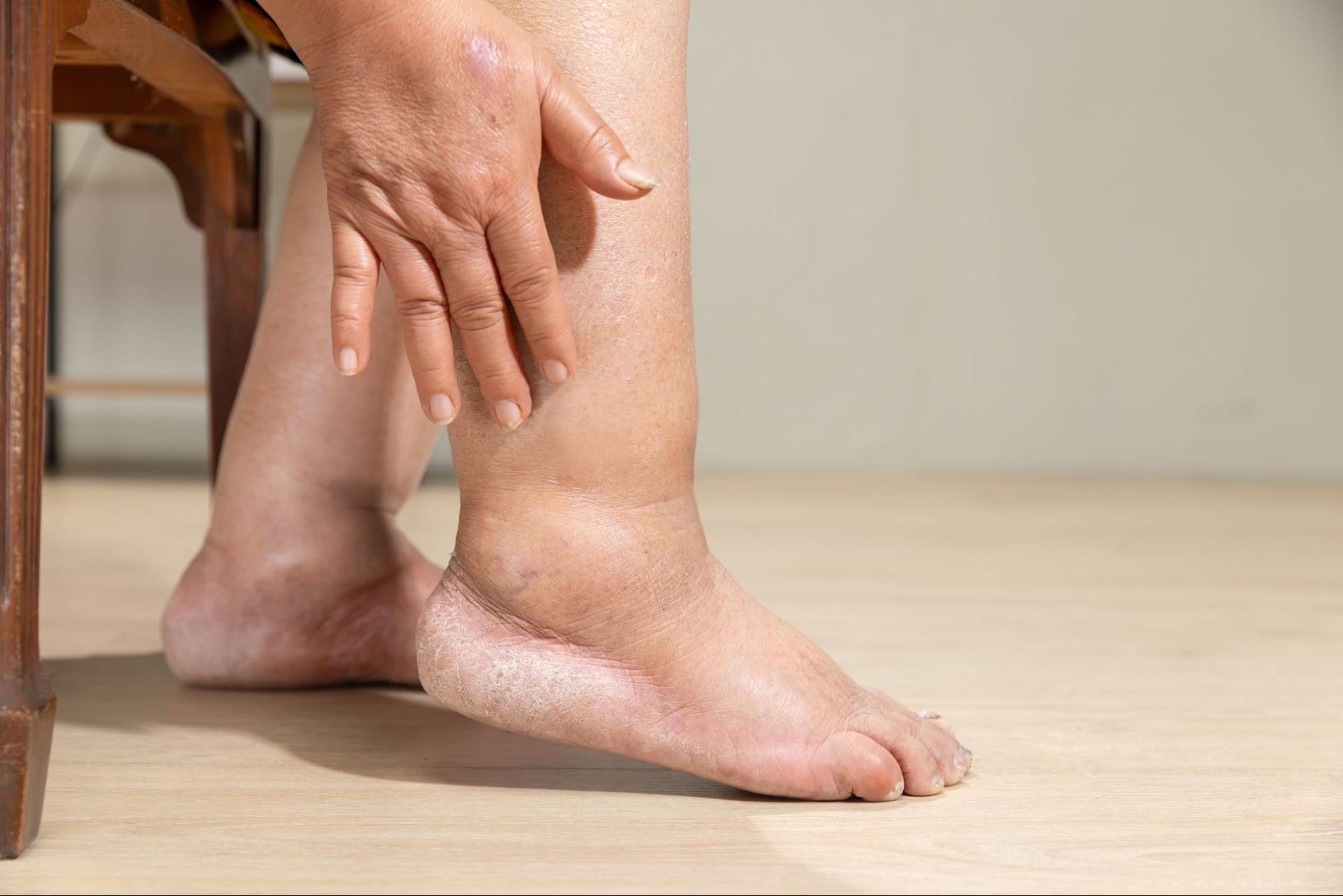
Your doctor will start with a detailed medical history and physical examination, paying close attention to your nervous system. They may ask when the tingling started, what makes it better or worse, whether it is on one or both sides, and if you have other symptoms.
Common diagnostic tests include blood tests to check for diabetes, vitamin deficiencies, and thyroid function. Nerve conduction studies and electromyography (EMG) measure how well your nerves and muscles respond to electrical signals.
Imaging tests like MRI or CT scans may be ordered to check for disc problems, spinal stenosis, or signs of MS. If DVT is suspected, an ultrasound of the leg veins is typically the first step.
Improving your posture, walking more regularly, and avoiding prolonged sitting are the first steps for circulation and nerve-related tingling. Quitting smoking dramatically improves vascular health and reduces nerve damage risk.
A diet rich in B vitamins, magnesium, and antioxidants supports nerve function and reduces systemic inflammation. Staying well-hydrated helps maintain proper electrolyte balance.
Treatment depends on the root cause. Gabapentin and pregabalin are commonly prescribed for nerve pain and tingling from neuropathy or MS. Antiplatelet drugs and statins are used when PAD or cardiovascular disease is the cause.
Vitamin B12 injections or high-dose oral supplements are prescribed for deficiency. Dopamine agonists like pramipexole or ropinirole are first-line treatments for restless leg syndrome.
Targeted exercises that strengthen core muscles and improve spinal alignment can relieve nerve compression from sciatica or spinal stenosis. Stretching programs are especially effective for reducing sciatic nerve irritation.
Physical therapists can also design supervised walking programs that help build collateral circulation in patients with PAD, naturally routing blood around blocked arteries to relieve tingling.
For severe PAD, minimally invasive procedures like angioplasty, stent placement, or atherectomy can restore blood flow to the legs. These are highly effective at eliminating vascular tingling.
Surgical options for nerve compression include spinal decompression for stenosis, discectomy for herniated discs, and tarsal tunnel release. Surgery is typically a last resort after conservative options have been exhausted.
Massage can temporarily improve circulation and reduce nerve compression in the legs. Hot and cold therapy helps reduce inflammation and improve blood flow around affected nerves.
Acupuncture, yoga, and mindfulness-based stress reduction have shown benefit for anxiety-related tingling and for managing chronic neuropathic pain. Always discuss complementary therapies with your doctor before starting them.
Not all leg tingling is an emergency, but some situations require urgent care. Seek immediate medical attention if leg tingling appears suddenly after a head, neck, or back injury.
Go to the emergency room if tingling is accompanied by sudden leg weakness, loss of bladder or bowel control, slurred speech, vision changes, confusion, or difficulty walking. These symptoms can indicate a stroke or serious spinal injury.
Contact your doctor promptly if tingling is persistent, spreads to other parts of your body, is only on one side, worsens over time, comes with visible swelling or skin color changes, or is affecting your ability to walk or sleep.
| Red Flag Symptom | Possible Cause | Action |
|---|---|---|
| Sudden one-sided leg weakness + tingling | Stroke or TIA | Emergency room now |
| Leg swelling + tingling + warmth | DVT | Emergency room now |
| Loss of bladder or bowel control | Spinal cord compression | Emergency room now |
| Tingling after neck or back injury | Spinal injury | Emergency room now |
| Gradual worsening over weeks | MS, PAD, neuropathy | Doctor this week |
| Tingling only at night | RLS, diabetic neuropathy | Schedule doctor visit |
Staying physically active is one of the best things you can do. Even a 30-minute walk each day improves circulation, reduces nerve compression risk, and helps control blood sugar.
Maintaining a healthy weight reduces pressure on your spine and blood vessels. Getting regular checkups to monitor blood sugar, cholesterol, and B12 levels helps catch problems before they damage nerves.
Avoid sitting in one position for too long. If you have a desk job, set a timer to stand and move every 30 to 45 minutes. Wear properly fitting footwear that does not compress nerves in your feet or ankles.
Nighttime leg tingling is most often caused by restless leg syndrome, diabetic neuropathy, or poor circulation. These conditions tend to worsen during rest when there is less movement to stimulate blood flow.
Yes. Anxiety triggers hyperventilation and alters blood flow, which directly causes tingling in the legs, arms, and face. Managing stress usually resolves it.
It can be. Diabetic neuropathy causes gradual burning and tingling that starts in both feet and moves upward. A blood sugar test can confirm or rule out diabetes as the cause.
Worry if the tingling is sudden, one-sided, comes with swelling or weakness, follows an injury, or does not improve after position changes. These warrant urgent medical evaluation.
Yes. Low levels of vitamin B12 or folate damage the myelin sheath around your nerves, causing tingling and numbness. A simple blood test can identify the deficiency.
Tingling is a common early MS symptom, but it has many other causes. MS is typically accompanied by fatigue, vision problems, and balance issues. An MRI and neurologist evaluation are needed to diagnose MS.
Yes. Sitting slouched or in the same position too long compresses nerves and reduces blood flow to the legs. Improving posture and moving regularly usually resolves this quickly.
For positional tingling, change positions and gently shake your leg. For circulation-related tingling, a short walk can help. For persistent causes, treatment of the underlying condition is the only lasting solution.
Yes. Dehydration disrupts electrolyte balance, which impairs nerve signal transmission. Drinking enough water and replenishing electrolytes typically resolves this type of tingling.
Tingling in both legs often points to systemic causes like diabetic neuropathy, MS, vitamin deficiency, or spinal stenosis. One-sided tingling more commonly indicates sciatica or localized nerve compression.
Why are my legs tingling is a question that deserves a real answer, not guesswork. Leg tingling is one of the most common neurological symptoms people experience, and it can stem from something as simple as sitting in the wrong position or as serious as peripheral artery disease, diabetes, or multiple sclerosis.
The key is understanding the pattern, such as when it happens, where it occurs, which side is affected, and what other symptoms accompany it, so you can identify the cause and act accordingly. Most cases of leg tingling respond well to treatment once the root cause is identified.
Whether that means improving your posture, correcting a vitamin deficiency, managing blood sugar, or undergoing a minimally invasive vascular procedure, solutions are available.
Do not ignore persistent or worsening tingling. The sooner you seek a proper diagnosis, the better your chances of a full recovery and long-term leg health.