
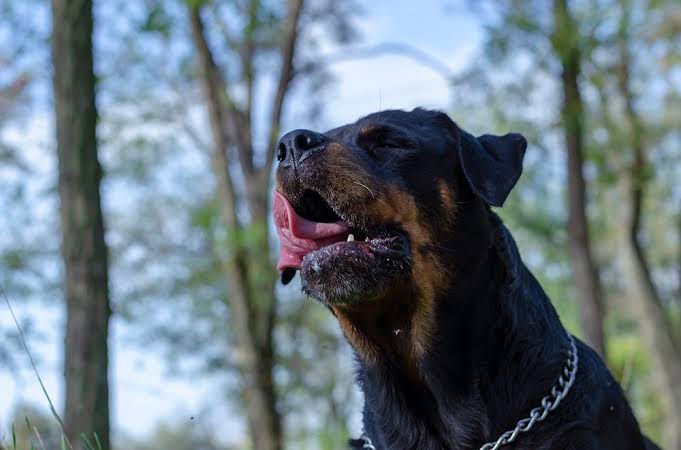
Why is my dog hacking is one of the most common worries pet parents type into a search bar the moment they hear that rough, throat-clearing sound. It can happen suddenly, without warning, and it often sounds far scarier than it actually is.
In most cases, hacking is simply your dog’s body trying to clear irritation from the throat or airway. But sometimes it points to something more serious, like kennel cough, a collapsing trachea, or even early heart disease.
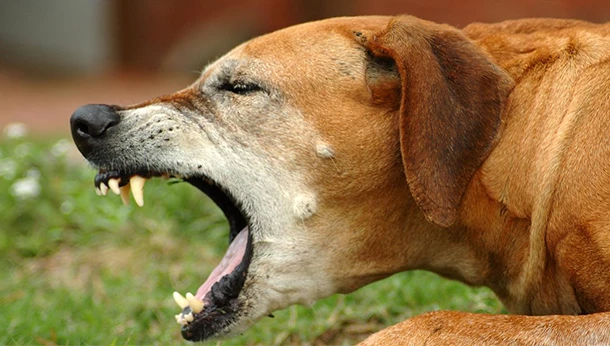
Dog hacking usually sounds like a dry, forceful cough followed by a gagging or retching motion.
It is different from a wet, productive cough that brings up mucus or fluid.
Many owners describe it as their dog sounding like something is stuck in the throat, even when nothing is actually there.
Hacking is technically a type of cough, but it has a distinct dry, harsh quality that stands out from other cough sounds.
A wet cough sounds moist and often ends with swallowing, while hacking sounds rough and dry.
Understanding this difference helps you describe the sound accurately when you speak with your veterinarian.
There are many possible reasons behind a hacking episode, ranging from mild and temporary to serious and chronic.
The table below summarizes the most frequent causes veterinarians see in dogs of all ages.
| Cause | Typical Sound | Urgency Level |
|---|---|---|
| Kennel cough | Dry, honking hack | Low to moderate |
| Tracheal collapse | Honking, goose-like hack | Moderate |
| Heart disease | Hacking at night or rest | High |
| Foreign object | Sudden, forceful hacking | Emergency |
| Environmental irritants | Mild, occasional hack | Low |
| Heartworm disease | Progressive hacking cough | High |
| Chronic bronchitis | Persistent dry hack | Moderate |
| Reverse sneezing | Snorting, honking burst | Low |
Kennel cough, also called infectious tracheobronchitis, is one of the most common reasons dogs develop a sudden hacking cough.
It spreads easily in places where dogs gather, such as boarding facilities, dog parks, and grooming salons.
Most healthy dogs recover within one to two weeks, though puppies and senior dogs should still be monitored closely.
Small and toy breeds are especially prone to tracheal collapse, a condition where the windpipe’s cartilage rings weaken over time.
This produces a distinctive honking hack that often worsens with excitement, collar pressure, or hot weather.
Weight management and switching to a harness instead of a collar can meaningfully reduce episodes.
As dogs age, the heart can enlarge or weaken, which puts pressure on nearby airways or allows fluid to build up in the lungs.
This often triggers a hacking cough specifically at night or shortly after lying down.
Other warning signs include fatigue, labored breathing, and pale or bluish gums, all of which need prompt veterinary evaluation.
Sometimes a dog inhales or swallows something that becomes lodged in the throat or upper airway, such as a stick, toy piece, or grass awn.
This typically causes sudden, forceful hacking paired with gagging or pawing at the mouth.
If your dog is struggling to breathe or pawing frantically, this is an emergency that requires immediate veterinary attention.
Dust, pollen, smoke, cleaning sprays, and strong perfumes can all irritate a dog’s airway and set off a hacking episode.
This type of hacking is usually mild, occurs occasionally, and resolves once the irritant is removed from the environment.
Improving ventilation and switching to fragrance-free cleaning products often prevents future episodes.

Heartworm disease is transmitted through mosquito bites and causes worms to migrate into the heart and lungs over time.
A progressive hacking cough that gradually worsens is often one of the earliest visible warning signs.
Left untreated, heartworm disease can lead to exercise intolerance and serious, sometimes irreversible, heart damage.
Chronic bronchitis is long-term inflammation of the airways where no single identifiable trigger is ever found.
It leads to a persistent, dry hacking cough that tends to worsen with exercise or excitement.
While this condition cannot be cured outright, anti-inflammatory medication can manage symptoms well for years.
Reverse sneezing produces a snorting, honking sound that many owners mistake for hacking or even choking.
It happens when the soft palate spasms, usually triggered by excitement, eating quickly, or nasal irritation.
Episodes are brief and harmless, typically resolving on their own within seconds to about a minute.
Hacking rarely occurs completely alone when something more serious is happening in the body.
Paying close attention to any accompanying symptoms helps you judge how urgently your dog needs veterinary care.
| Warning Sign | Possible Meaning |
|---|---|
| Lethargy or low energy | Infection or systemic illness |
| Loss of appetite | Underlying infection or pain |
| Nasal discharge | Respiratory infection |
| Fever | Active infection |
| Blue or pale gums | Emergency oxygen deficiency |
| Collapse | Emergency cardiac or respiratory event |
| Hacking longer than a few minutes | Possible airway obstruction |
Occasional hacking after drinking water quickly or sniffing dust is usually harmless and nothing to panic about.
But certain warning signs mean you should contact an emergency vet immediately rather than waiting to see if it passes.
Seek urgent care if your dog struggles to breathe, shows blue or pale gums, collapses, or cannot stop hacking for several minutes straight.
A vet visit for hacking typically starts with a physical examination and a detailed history of when the episodes began.
Chest X-rays are commonly used to evaluate the lungs, heart size, and airway structure for abnormalities.
Additional tests such as bloodwork, a nasal swab, or an endoscopy may be recommended depending on what the initial exam reveals.
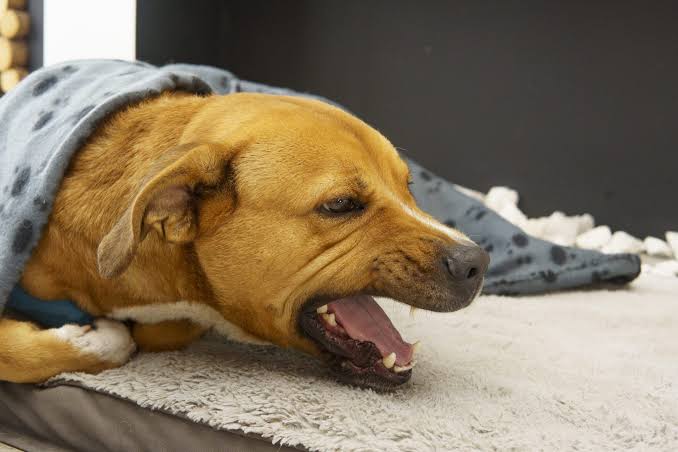
Being prepared with clear details can speed up diagnosis and help your veterinarian narrow down the possible causes faster.
Try to note when the hacking started, how often it occurs, and whether it happens more during activity or at rest.
A short video of your dog hacking at home is often extremely helpful, since dogs do not always cough on cue at the clinic.
Treatment for hacking depends entirely on the underlying cause identified by your veterinarian.
The table below outlines typical approaches used for the most common causes of dog hacking.
| Cause | Typical Treatment |
|---|---|
| Kennel cough | Rest, isolation, sometimes antibiotics |
| Tracheal collapse | Weight control, harness use, medication or surgery |
| Heart disease | Cardiac medication, dietary changes |
| Foreign object | Emergency removal, possible surgery |
| Environmental irritants | Removing the trigger, improved ventilation |
| Heartworm disease | Prescribed treatment protocol, prevention going forward |
| Chronic bronchitis | Anti-inflammatory medication, lifestyle adjustments |
For mild, occasional hacking with no other symptoms, a few simple home adjustments can make a real difference.
Using a harness instead of a collar reduces pressure on the throat and trachea during walks.
Keeping the air clean, using a humidifier if needed, and avoiding smoke or strong sprays around your dog can also help significantly.
Human cough medicines are not safe for dogs and should never be given without direct veterinary guidance.
Many over-the-counter formulas contain ingredients that are toxic to dogs, even in small amounts.
Always consult your veterinarian before giving any medication, even ones that seem harmless for humans.
Certain breeds are genetically predisposed to conditions that commonly cause hacking, which is worth knowing as an owner.
| Breed Type | Common Related Condition |
|---|---|
| Yorkshire Terriers, Chihuahuas | Tracheal collapse |
| Pugs, Bulldogs, Boston Terriers | Airway sensitivity, brachycephalic issues |
| Senior large breeds | Heart-related hacking |
| Dogs frequenting boarding or daycare | Kennel cough |
Puppies with hacking are more often dealing with kennel cough, parasites, or a foreign object caught in the throat.
Adult dogs commonly hack due to environmental irritants, allergies, or early tracheal issues in predisposed breeds.
Senior dogs are more likely to hack due to chronic bronchitis, heart disease, or age-related airway weakening.
Keeping vaccinations current, including the kennel cough vaccine, significantly lowers the risk of infectious hacking triggers.
Maintaining a healthy weight reduces strain on the trachea and heart, both common contributors to chronic hacking.
Routine veterinary checkups can catch early signs of heart disease or airway problems before hacking becomes severe.
Hacking caused by mild irritants often resolves within a day or two once the trigger is removed.
Kennel cough typically clears up within one to two weeks with rest and supportive care.
Chronic conditions like bronchitis, tracheal collapse, or heart disease may cause hacking that comes and goes over months or years without ongoing management.
Many dogs with manageable chronic conditions like tracheal collapse or bronchitis go on to live full, comfortable lives.
Consistent medication schedules, weight management, and avoiding known triggers all contribute to fewer and milder episodes.
Working closely with your veterinarian ensures the treatment plan adjusts as your dog’s needs change over time.
Regular follow-up visits allow your vet to track progress through physical exams or repeat imaging, catching any changes early.
Many owners find that once a chronic condition is properly managed, hacking episodes become far less frequent and far less alarming to witness.
Some dogs hack briefly right after intense play, running, or a burst of excitement, especially if they have a sensitive trachea.
This type of hacking is usually short-lived and stops once the dog calms down and breathing returns to normal.
If it happens consistently after even mild activity, it is worth mentioning to your vet, since it can be an early sign of tracheal weakness.
Dogs that gulp food or water quickly sometimes hack or gag shortly afterward as their body tries to clear the throat.
Using a slow-feeder bowl or offering smaller, more frequent meals can reduce this type of hacking significantly.
If hacking after meals becomes frequent or severe, dental issues or throat sensitivity should also be ruled out by a vet.
Overweight dogs place extra pressure on their trachea and airways, which can worsen conditions like tracheal collapse and chronic bronchitis.
Extra body fat around the neck and chest also makes breathing generally more labored, even without an underlying disease.
Maintaining a healthy weight through portion control and regular exercise is one of the simplest ways to reduce hacking episodes over time.
Highly anxious or excitable dogs sometimes hack more frequently due to rapid, shallow breathing patterns during stressful moments.
This is more common in dogs with an already sensitive airway, such as small breeds prone to tracheal collapse.
Calm, low-stress handling during walks and car rides can help reduce the frequency of stress-related hacking episodes.
Some dogs hack more during specific seasons due to pollen, dry air, or extreme temperature changes affecting the airway.
Winter heating systems can dry out indoor air, making airways more prone to irritation and hacking for sensitive dogs.
A humidifier during dry months and keeping pollen exposure low during allergy season can both help reduce seasonal hacking.
Owners sometimes confuse hacking with other unusual sounds dogs make, which can lead to either unnecessary worry or missed warning signs.
| Sound | Likely Cause | Concern Level |
|---|---|---|
| Dry, repetitive hack | Airway irritation, kennel cough | Low to moderate |
| Honking hack | Tracheal collapse | Moderate |
| Snorting or reverse sneeze | Soft palate spasm | Low |
| Wheezing | Narrowed airway, allergies | Moderate |
| Gagging with retching | Foreign object or nausea | Moderate to emergency |
Dogs often stop coughing the moment they enter a stressful or unfamiliar environment like a vet clinic.
A short video recorded at home captures the exact sound, frequency, and posture your dog shows during a real episode.
This small step often saves time during diagnosis and helps your vet distinguish between hacking, gagging, and reverse sneezing more accurately.
Most causes of hacking, when identified early, respond well to treatment or lifestyle changes that reduce future episodes.
Even chronic conditions like tracheal collapse or bronchitis are very manageable with consistent veterinary care and simple home adjustments.
Dogs diagnosed early and treated appropriately generally maintain a good quality of life well into their senior years.
Puppies have smaller, more delicate airways, so even mild irritants can trigger a hacking episode more easily than in adult dogs.
Because their immune systems are still developing, puppies are also more vulnerable to kennel cough and other infectious causes of hacking.
Any puppy hacking alongside lethargy, fever, or poor appetite should be seen by a vet promptly, since young dogs can decline faster than adults.
Coming prepared with specific questions helps you get the most useful information out of a short appointment.
Ask whether the hacking is likely airway-related or heart-related, since the two require very different treatment paths.
It also helps to ask about warning signs that would mean an urgent recheck is needed between scheduled visits.
Keeping a brief daily log of hacking frequency, triggers, and duration helps track whether a condition is improving or worsening.
Noting details like time of day, activity level, and any new environmental changes can reveal patterns you might otherwise miss.
Sharing this log with your veterinarian at follow-up visits makes it much easier to fine-tune an ongoing treatment plan.
Even a simple notes app on your phone works well for this purpose, and photos or short clips can be added alongside the written notes for extra context.
Waiting too long to seek care is one of the most common mistakes, especially when hacking is dismissed as “just a cold.”
Giving human medications without veterinary approval is another frequent error that can cause more harm than the original hacking.
Ignoring accompanying symptoms like fatigue or appetite loss, assuming they are unrelated, can also delay diagnosis of a more serious underlying cause.
Skipping recommended follow-up tests because a dog “seems fine” between episodes is another mistake that can allow a manageable condition to progress unnoticed.
Sudden hacking is often caused by a mild irritant, a foreign object, or the start of an infection like kennel cough.
It becomes an emergency if your dog struggles to breathe, has blue gums, collapses, or cannot stop hacking for several minutes.
Kennel cough typically produces a dry, honking hack that can sound alarming but usually is not life-threatening in healthy adult dogs.
Yes, seasonal or environmental allergies can irritate the airway and trigger occasional hacking, especially during high pollen seasons.
If hacking persists more than a couple of days or comes with other symptoms, a veterinary visit is strongly recommended.
Yes, small breeds are more prone to tracheal collapse, which commonly causes a distinctive honking hack.
Hacking that happens mainly at night or after lying down can indicate heart-related fluid buildup and should be checked by a vet.
No, human cough medicine can be toxic to dogs, so any medication should only be given under veterinary guidance.
Vets typically use a physical exam, chest X-rays, and sometimes bloodwork or an endoscopy to identify the underlying cause.
Mild hacking from irritants or brief excitement often resolves on its own, but persistent hacking usually needs professional evaluation.
Why is my dog hacking is a question every pet parent will likely ask at some point, and the answer ranges from completely harmless to genuinely urgent. Mild hacking after sniffing dust or drinking water quickly is rarely a cause for concern.
Persistent, worsening, or symptom-heavy hacking, on the other hand, can point to kennel cough, tracheal collapse, heart disease, or even a foreign object lodged in the throat.
Paying attention to the sound, frequency, and accompanying symptoms helps you judge how quickly action is needed. When in doubt, a quick call or visit to your veterinarian is always the safest choice.
With the right diagnosis and treatment plan, most dogs that hack go on to live healthy, comfortable lives alongside their families.