

Why does the roof of my mouth itch, especially right after eating, during allergy season, or for seemingly no reason at all? It’s a strange, hard-to-ignore sensation that sends many people searching for answers.
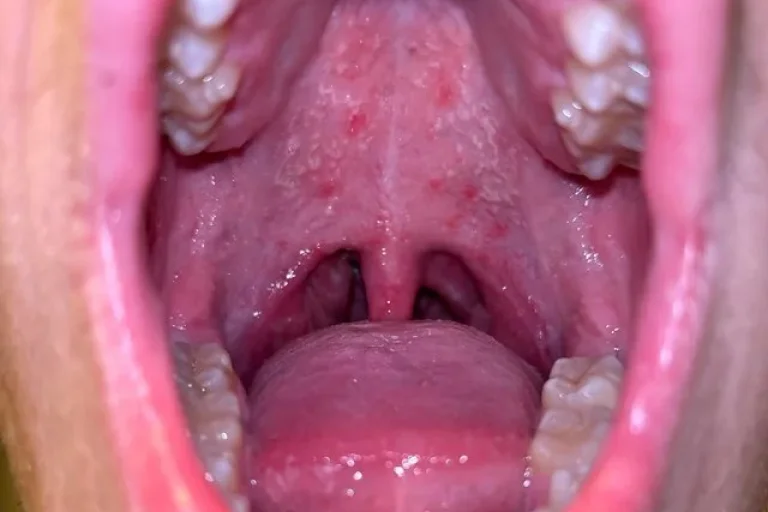
The palate, or roof of the mouth, is packed with nerve endings and mucous glands, which makes it especially sensitive to allergens, dryness, infections, and even certain foods. Most cases are mild and temporary, but some point to conditions like oral allergy syndrome that deserve attention.

The roof of your mouth, known medically as the palate, is made up of two distinct parts working together.
The hard palate is the bony front section covered by a thin mucous membrane, while the soft palate is the muscular back portion ending in the uvula.
Both areas contain nerve endings and mucous glands that detect temperature, texture, and potential irritants, which explains why itching can show up so easily here.
Itchy roof of mouth causes generally fall into a few categories: allergic reactions, infections, dryness, irritation, and less commonly, chronic conditions.
Allergy-related itching, including oral allergy syndrome, is one of the most frequently reported causes, especially when it happens right after eating raw fruits or vegetables.
Infections like the common cold, oral thrush, or cold sores can also trigger itching, along with simple dryness from dehydration or certain medications.
| Cause | Typical Trigger | Common Additional Symptoms |
|---|---|---|
| Oral allergy syndrome | Raw fruits, vegetables, nuts | Tingling lips, tongue, throat |
| Seasonal allergies (hay fever) | Pollen, dust, mold | Itchy ears, sneezing, congestion |
| Dry mouth | Dehydration, medications, mouth breathing | Rough or tight feeling palate |
| Oral thrush | Candida yeast overgrowth | White patches, soreness |
| Cold or flu | Viral infection | Sore throat, congestion |
| Cold sores | Herpes virus | Tingling before blisters appear |
| Acid reflux | Stomach acid irritation | Burning sensation, sore throat |
| Burns or irritation | Hot food, accidental bite | Temporary soreness while healing |
Oral allergy syndrome, also called pollen-food syndrome, happens when proteins in raw fruits or vegetables cross-react with pollen allergens your immune system already recognizes.
Common triggers include apples, cherries, and almonds for people with birch pollen allergies, or melons and bananas for those sensitive to ragweed.
Symptoms usually start almost immediately after eating the raw trigger food and often fade once the food is fully swallowed or the fruit is cooked.
| Pollen Allergy | Foods That May Trigger Itching |
|---|---|
| Birch pollen | Apples, cherries, almonds, peaches |
| Ragweed | Melons, bananas, zucchini |
| Grass pollen | Tomatoes, oranges, peaches |
| Mugwort | Celery, carrots, spices |
If the roof of your mouth and your ears itch at the same time, seasonal allergies like hay fever are a likely explanation.
Despite the name, hay fever has nothing to do with hay or fever. It usually points to sensitivity toward pollen, dust, mold, or smoke.
Sneezing, watery eyes, and nasal congestion often accompany this type of itching, especially during high-pollen seasons in spring and fall.
When your mouth doesn’t produce enough saliva, the palate can become dry, tight, and easily irritated, leading to a persistent itchy feeling.
Dehydration, certain medications like antihistamines and antidepressants, and simple mouth breathing are all common contributors to reduced saliva flow.
Staying hydrated, using sugar-free gum, and addressing any underlying medication side effects usually improves this type of itching within a short time.
Oral thrush is caused by an overgrowth of Candida, a yeast that naturally lives in the mouth but can multiply excessively under certain conditions.
Denture wearers, people on antibiotics or inhaled steroids, and those with diabetes or weakened immunity are more likely to develop this infection.
White patches on the palate or tongue, along with soreness and itching, are the classic signs that point toward a fungal infection rather than allergies.
Viral illnesses like the common cold, flu, or COVID-19 can inflame the mucous membranes throughout the nose, throat, and mouth.
This inflammation often creates a scratchy, itchy sensation on the palate that appears alongside more typical symptoms like sore throat and congestion.
Since these infections are viral, symptoms usually resolve on their own within a week or two with rest and proper hydration.

The herpes simplex virus, responsible for cold sores, can cause a tingling or itching sensation around the lips and roof of the mouth before any visible blisters appear.
This early warning sensation typically shows up a day or two before the actual sore develops on or near the lips.
Recognizing this pattern early allows for faster treatment with antiviral creams, which work best when applied at the very first sign of tingling.
Stomach acid that sprays upward into the throat and mouth, sometimes called acid splash, can inflame the soft palate and cause an itchy or burning sensation.
This tends to happen during or shortly after eating, especially with spicy, acidic, or fatty foods that trigger reflux more easily.
Managing reflux through diet changes, smaller meals, and avoiding lying down right after eating often reduces this type of palate irritation significantly.
The roof of the mouth is delicate tissue, making it especially vulnerable to burns from hot food or drinks, sometimes nicknamed a pizza burn.
Accidental bites or rough textures from crunchy foods can also create small areas of irritation on the palate.
As the tissue heals over the following days, mild itching is often simply part of the natural recovery process rather than a separate condition.
| When Itching Occurs | Likely Cause |
|---|---|
| Immediately after eating raw fruit | Oral allergy syndrome |
| Alongside itchy ears and sneezing | Seasonal allergies |
| With dry, tight-feeling mouth | Dehydration or medication side effect |
| With white patches on tongue or palate | Oral thrush |
| With sore throat and congestion | Viral infection |
| Before a lip blister appears | Cold sore (herpes simplex) |
| After spicy or acidic meals | Acid reflux |
| After eating very hot food | Burn or physical irritation |
Hormonal fluctuations, particularly during pregnancy or menstrual cycles, can make oral tissues more sensitive, sometimes leading to itching, dryness, or mild burning.
Lichen planus, a chronic autoimmune condition, can cause lace-like white patches and itching inside the mouth, including on the palate.
Rare mucosal diseases like pemphigus vulgaris or mucous membrane pemphigoid can also blister and irritate the palate, though these are far less common.
In some cases, itching on the roof of the mouth stems from nerve irritation rather than an allergic or infectious cause.
This type of neuropathic itch can feel persistent or unusual compared to typical allergy-related sensations and may not respond to standard allergy treatments.
If itching continues despite ruling out common causes, discussing nerve-related possibilities with a doctor can help clarify what’s actually happening.
Severe and sudden allergic reactions can lead to anaphylaxis, a medical emergency involving swelling that may block the airway.
Warning signs include rapid swelling of the lips, tongue, or throat, difficulty breathing, dizziness, or a sudden widespread rash alongside the itching.
Anyone experiencing these symptoms should seek emergency medical care immediately rather than waiting to see if symptoms improve on their own.
| Mild Symptoms | Symptoms That Need Urgent Care |
|---|---|
| Occasional itching after certain foods | Rapid swelling of lips, tongue, or throat |
| Mild dryness or tingling | Difficulty breathing or swallowing |
| Itching that fades within minutes | Widespread hives or rash |
| Itching tied to a known allergy | Dizziness or fainting alongside itching |
A simple saltwater rinse can soothe irritation and reduce mild inflammation on the palate within a few uses.
Staying well hydrated throughout the day helps maintain healthy saliva flow, which naturally reduces dryness-related itching.
Avoiding known trigger foods, especially raw fruits linked to oral allergy syndrome, is one of the most effective ways to prevent repeat episodes.
| Remedy | How It Helps |
|---|---|
| Saltwater rinse | Soothes irritation and reduces inflammation |
| Increased water intake | Restores saliva flow, reduces dryness |
| Cooking trigger fruits | Breaks down cross-reactive proteins |
| Sugar-free gum | Stimulates saliva production |
| Avoiding known allergens | Prevents repeat allergic itching |
| Cool compress near jaw | Eases mild swelling or discomfort |
Keeping a simple food diary that notes what you ate before itching started can help identify patterns tied to oral allergy syndrome.
Testing whether cooking a suspected trigger fruit, like an apple or peach, eliminates the itching can confirm a pollen-food cross-reaction.
Sharing this information with an allergist makes formal testing faster and more accurate, since you’ll already have a shortlist of likely culprits.
A physical exam of the mouth, checking for white patches, redness, or visible lesions, is usually the first diagnostic step.
Allergy testing, either through skin prick tests or blood work, can confirm whether pollen or specific food proteins are driving the reaction.
For suspected infections like oral thrush, a simple swab or visual exam is often enough to confirm the diagnosis and start treatment.
| Suspected Cause | Common Diagnostic Method |
|---|---|
| Oral allergy syndrome | Allergy skin or blood testing |
| Oral thrush | Visual exam, oral swab |
| Acid reflux | Symptom review, possible endoscopy |
| Autoimmune condition (lichen planus) | Oral exam, possible biopsy |
| Viral infection | Symptom review, possible viral test |
Antihistamines or allergy drops can help manage oral allergy syndrome and seasonal allergy symptoms over the long term.
Antifungal medication is the standard treatment for oral thrush, while antiviral creams work best for cold sores when applied early.
For dryness-related itching, adjusting medication with a doctor’s guidance or simply increasing water intake often resolves the issue without further treatment.
| Cause | Common Treatment |
|---|---|
| Oral allergy syndrome | Antihistamines, allergy drops, avoiding raw trigger foods |
| Oral thrush | Antifungal medication |
| Cold sores | Antiviral cream at first sign of tingling |
| Dry mouth | Hydration, medication review |
| Acid reflux | Diet changes, reflux medication if needed |
| Seasonal allergies | Antihistamines, allergen avoidance |
Avoiding raw versions of known trigger fruits, or simply cooking them first, can prevent most oral allergy syndrome flare-ups.
Managing seasonal allergies proactively with antihistamines before pollen season peaks can reduce the frequency of itching tied to hay fever.
Practicing good oral hygiene and staying hydrated throughout the day helps prevent both dryness-related irritation and fungal overgrowth.
Persistent itching lasting more than a week or two, without a clear connection to food or allergies, is worth discussing with a doctor.
Visible white patches, sores that won’t heal, or unexplained swelling all warrant a professional evaluation rather than continued home treatment.
If you suspect oral allergy syndrome or a broader food allergy, an allergist can run targeted tests to confirm specific triggers and guide treatment.
Children can experience an itchy palate for many of the same reasons as adults, though allergies and viral infections tend to be the most common culprits.
Kids with seasonal allergies may rub or complain about their mouth and ears itching at the same time, especially during high-pollen months.
Since children may struggle to describe the sensation clearly, watching for related signs like sneezing, congestion, or reluctance to eat certain foods can help pinpoint the cause.
Itching and burning can feel similar, but they often point to different underlying causes on the roof of the mouth.
Itching is more commonly linked to allergies, dryness, or early infection, while burning sensations are frequently tied to acid reflux, spicy foods, or nerve-related sensitivity.
Paying attention to which sensation you’re experiencing, and what triggers it, helps guide you and your doctor toward the right diagnosis faster.
Choosing cooked or canned versions of fruits known to trigger oral allergy syndrome can allow you to still enjoy them without the itching.
Limiting spicy, acidic, or extremely hot foods reduces irritation for anyone prone to reflux-related or heat-related palate discomfort.
Maintaining consistent hydration throughout the day, rather than only drinking water occasionally, keeps saliva production steady and reduces dryness-related itching.
| Category | Examples |
|---|---|
| Common oral allergy syndrome triggers | Raw apples, cherries, almonds, melons |
| Reflux-aggravating foods | Spicy dishes, citrus, fried or fatty foods |
| Soothing options | Cooked fruits, cool water, plain yogurt |
| Hydration boosters | Water, herbal tea, water-rich vegetables |
Since dry mouth and fungal infections are more common in people with diabetes, it’s worth mentioning persistent itching to your doctor if you have this condition.
Autoimmune conditions like lichen planus, while less common, may require a biopsy or specialist referral if patches or lesions don’t resolve on their own.
Anyone on long-term medications known to reduce saliva, such as certain antidepressants or antihistamines, should discuss alternatives if dry mouth becomes a persistent problem.
Nighttime itching is sometimes linked to mouth breathing during sleep, which dries out the palate more than daytime breathing patterns typically do.
Acid reflux can also worsen at night when lying flat, allowing stomach acid to travel upward more easily and irritate the soft palate.
Using a humidifier, adjusting sleep position, or addressing reflux with evening dietary changes can all help reduce this nighttime pattern.
Noting the time of day, foods eaten, and any other symptoms alongside each itching episode builds a clearer picture over just a few weeks.
This record becomes especially useful during doctor or allergist visits, since specific patterns often point directly to the underlying cause.
Small details, like whether itching improves after cooking a fruit or worsens after certain medications, can speed up diagnosis considerably.
This is often oral allergy syndrome, where fruit proteins cross-react with pollen allergens. Cooking the fruit usually reduces or eliminates the itching.
Itchy mouth and ears together commonly point to seasonal allergies like hay fever. Pollen, dust, or mold are typical triggers.
Yes, reduced saliva from dehydration or medications can make the roof of the mouth feel dry, tight, and itchy.
It can be. Oral thrush and viral infections like colds or flu often cause itching alongside other symptoms like soreness or congestion.
Symptoms usually start immediately after eating raw fruits or vegetables and fade quickly. Cooking the food often prevents the reaction.
Yes, stomach acid reaching the throat and mouth can inflame the soft palate, causing an itchy or burning sensation.
Seek urgent care if you notice rapid swelling of the lips, tongue, or throat, or difficulty breathing alongside the itching.
Saltwater rinses, staying hydrated, and avoiding known trigger foods are simple, effective first steps for mild cases.
Yes, tingling or itching around the lips and palate often precedes a cold sore by a day or two.
Yes, if itching happens repeatedly after specific foods or during certain seasons, an allergist can confirm triggers through targeted testing.
An itchy roof of the mouth is usually harmless and tied to common causes like oral allergy syndrome, seasonal allergies, dry mouth, or a mild infection. Paying attention to when the itching happens, especially in relation to specific foods or pollen seasons, often reveals the underlying trigger fairly quickly.
Simple home remedies like saltwater rinses, staying hydrated, and avoiding known trigger foods resolve most mild cases without further treatment. However, persistent itching, visible sores, or sudden swelling of the lips, tongue, or throat are signs that warrant prompt medical attention.
If you keep asking yourself why the roof of your mouth itches, tracking your symptoms and consulting a doctor or allergist is the most reliable way to get lasting answers and relief.