
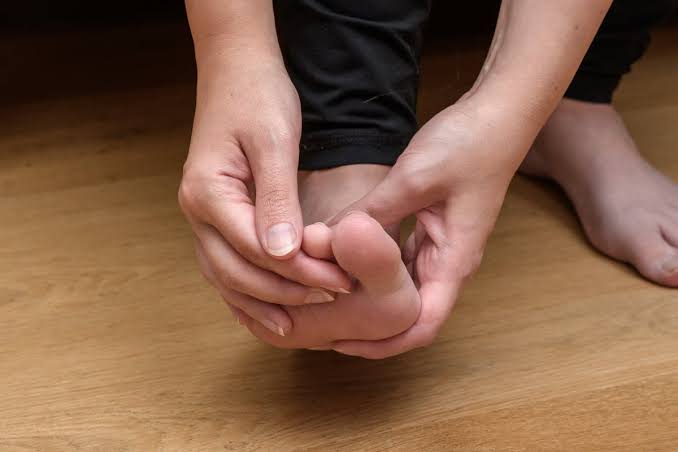
Why does my toe feel numb is a question that pops up the moment you notice tingling, “pins and needles,” or a complete loss of feeling in one or more toes. Sometimes it fades in minutes, and other times it lingers for hours or even days.
Toe numbness happens when something interrupts the normal signal between your nerves and your brain. This interruption can be as simple as tight shoes or as significant as nerve damage from an underlying condition.
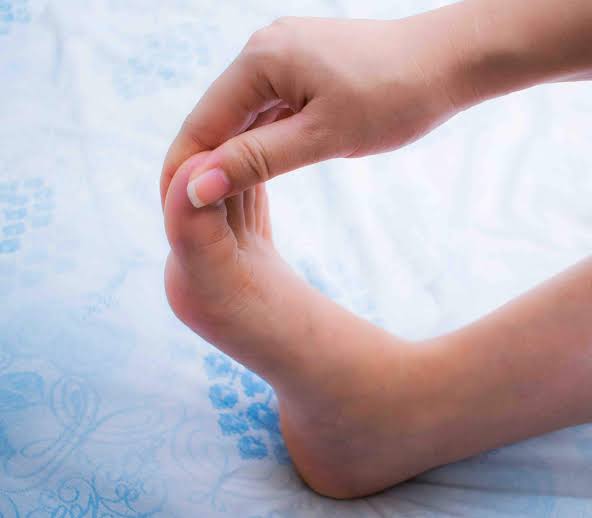
Toe numbness is a loss of normal sensation in one or more toes, often described as tingling, “pins and needles,” or a complete absence of feeling. It happens when nerve signals traveling between your toes and your brain get disrupted.
Because toes sit at the very end of your nervous and circulatory systems, they are especially vulnerable to nerve compression, poor circulation, and nerve damage. This is why numbness so often starts in the toes before spreading elsewhere.
Most cases are temporary and harmless, but numbness that repeats often or does not go away deserves closer attention.
Numb toes can result from something as minor as sitting cross-legged too long or something as significant as diabetes-related nerve damage. Below are the most frequent causes seen in clinical practice.
Pressure on a nerve from sitting, kneeling, or wearing tight shoes can temporarily cut off normal nerve signaling. This creates the classic pins-and-needles feeling that goes away once pressure is relieved.
This type of numbness usually resolves within minutes and is not a sign of permanent damage in most healthy people.
Shoes that squeeze the toes or restrict circulation can compress nerves and blood vessels in the foot. Narrow toe boxes and high heels are especially common culprits.
Switching to wider, properly fitted shoes often resolves numbness that only happens during or after wearing certain footwear.
Cold temperatures reduce blood flow to the extremities as the body prioritizes warming the core organs. This can cause toes to feel numb, especially when feet are also wet.
Prolonged cold exposure can progress to frostbite, which causes permanent tissue damage if not treated quickly.
Peripheral neuropathy is nerve damage that disrupts communication between nerves and the brain. Toes are particularly vulnerable because they require the longest nerve pathways in the body.
Numbness from peripheral neuropathy often develops gradually and may be accompanied by burning or tingling sensations.
Diabetic peripheral neuropathy is nerve damage caused by long-term high blood sugar, and it is one of the leading causes of foot and toe numbness. It typically starts in the toes and spreads in a “stocking” pattern affecting both feet.
Because sensation fades gradually, injuries or wounds can go unnoticed, making daily foot checks essential for people with diabetes.
Morton’s neuroma is a thickening of tissue around a nerve, most often located between the third and fourth toes. It commonly causes a burning sensation along with numbness in the affected toes.
People often describe it as feeling like a pebble is stuck inside the shoe, and symptoms typically worsen in tight or narrow footwear.
Low levels of B12, B1, or B6 are well-recognized causes of numbness because these vitamins are essential for healthy nerve function. Deficiency can lead to peripheral neuropathy that often begins in the toes.
This cause is easily overlooked but can usually be corrected with dietary changes or supplementation once identified.
Reduced blood flow to the feet, often linked to conditions like peripheral artery disease, can starve nerves of oxygen and trigger numbness. This is more common in smokers and people with cardiovascular risk factors.
Numbness from poor circulation is often accompanied by cold feet, pale skin, or slow-healing wounds on the toes.
A herniated disc or other spinal issue can compress nerves that travel down to the feet, causing numbness that originates far from the toes themselves. This type of numbness may come with lower back pain or numbness extending up the leg.
Tarsal tunnel syndrome involves compression of a nerve in a narrow space near the inner ankle. This can cause numbness, tingling, and burning that radiates into the toes.
The table below summarizes these causes at a glance.
| Cause | Typical Pattern |
|---|---|
| Nerve compression | Sudden, resolves within minutes |
| Tight footwear | Occurs during or after wearing certain shoes |
| Cold exposure | Worse in cold or wet conditions |
| Peripheral neuropathy | Gradual onset, may include burning |
| Diabetic neuropathy | Both feet, “stocking” pattern |
| Morton’s neuroma | Between 3rd and 4th toes, one foot |
| B12 deficiency | Gradual, may include fatigue |
| Poor circulation | Cold feet, pale skin |
| Spinal problems | Numbness extends up the leg |
| Tarsal tunnel syndrome | Numbness near inner ankle and toes |

The location of your numbness can offer useful clues about the underlying cause. Big toe numbness is often linked to nerve compression, bunions, gout, or circulation problems, since the big toe carries more weight-bearing pressure than the others.
Numbness between the third and fourth toes is a hallmark sign of Morton’s neuroma, especially when paired with a burning sensation in the ball of the foot.
Numbness affecting all toes on both feet, in a symmetrical pattern, is more typical of diabetic or peripheral neuropathy rather than a localized mechanical issue.
The table below compares these patterns for quick reference.
| Location of Numbness | Likely Cause |
|---|---|
| Big toe only | Nerve compression, bunion, gout, poor circulation |
| Between 3rd and 4th toes | Morton’s neuroma |
| All toes, both feet | Diabetic or peripheral neuropathy |
| One foot only | Local nerve compression or injury |
Occasional numbness after sitting cross-legged, wearing tight shoes, or spending time in the cold is almost always harmless and temporary. It typically resolves within minutes once normal circulation and nerve signaling return.
Numbness becomes more concerning when it happens frequently, lasts for hours, affects both feet symmetrically, or comes with additional symptoms like pain, weakness, or color changes in the skin.
Persistent numbness is often your body’s way of signaling an underlying issue that needs proper evaluation rather than something to ignore.
Numbness rarely shows up completely alone, and the symptoms around it can help identify the cause. Burning or tingling sensations often point toward nerve-related causes like neuropathy or Morton’s neuroma.
Cold skin and a pale or bluish color suggest a circulation-related cause rather than a purely nerve-based one. Pain that worsens with certain shoes strongly suggests a mechanical cause like nerve compression or a neuroma.
Weakness or difficulty moving the toes, on the other hand, may indicate a more significant nerve or spinal issue that needs prompt medical attention.
A doctor typically starts by asking about the pattern, duration, and triggers of your numbness, along with your medical history. This history alone often narrows down the likely cause significantly.
A physical exam usually includes checking reflexes, pulse strength in the feet, and sensation testing with light touch or a tuning fork. This helps distinguish between nerve, circulation, and structural causes.
If diabetes or a vitamin deficiency is suspected, blood tests can confirm blood sugar levels and nutrient levels quickly. Nerve conduction studies may be used for more complex or persistent cases to measure how well electrical signals travel through the nerves.
Imaging like an X-ray or MRI may be ordered if a spinal problem, Morton’s neuroma, or structural foot issue is suspected. The table below outlines these tests and what they help confirm.
| Test | What It Helps Diagnose |
|---|---|
| Reflex and sensation exam | General nerve function |
| Pulse check in feet | Circulation problems |
| Blood sugar test | Diabetic neuropathy |
| Vitamin B12 test | Nutritional deficiency |
| Nerve conduction study | Peripheral neuropathy |
| MRI or X-ray | Spinal issues, Morton’s neuroma |
Many cases of numb toes respond well to simple changes at home, especially when the cause is mechanical or circulation-related. These remedies target common everyday triggers.
Choosing shoes with a wider toe box reduces pressure on nerves and improves circulation to the toes. Avoiding high heels and overly tight footwear can prevent numbness from returning.
Standing up and walking around every 30 to 60 minutes prevents prolonged nerve compression from sitting or kneeling too long. This is especially helpful for people with desk jobs.
If cold exposure is the cause, warming your feet slowly with warm (not hot) water or socks helps restore normal circulation. Avoid direct heat sources, which can cause burns on numb skin.
Gently massaging the feet and toes can stimulate blood flow and ease mild nerve compression. Simple toe stretches may also relieve pressure from tight muscles or tendons.
For people with diabetes, keeping blood sugar within a healthy range is the most effective way to slow or prevent further nerve damage. Regular foot checks are essential to catch injuries early.
Adding B12-rich foods like eggs, dairy, and lean meats, or taking a supplement if recommended by a doctor, can help resolve numbness linked to vitamin deficiency.
The table below summarizes these remedies alongside the cause they target.
| Remedy | Best For |
|---|---|
| Wider, properly fitted shoes | Nerve compression, Morton’s neuroma |
| Movement breaks | Prolonged sitting or kneeling |
| Gradual warming | Cold-related numbness |
| Foot massage and stretching | Mild nerve compression |
| Blood sugar management | Diabetic neuropathy |
| B12-rich foods or supplements | Vitamin deficiency-related numbness |

When home care is not enough, treatment depends heavily on the underlying cause identified during diagnosis. For diabetic neuropathy, doctors focus on blood sugar control along with medications that help manage nerve pain and discomfort.
Morton’s neuroma is often treated with shoe modifications, custom orthotics, or specific exercises, and a steroid injection may be used for more persistent cases. Circulation-related numbness may require treatment of the underlying cardiovascular issue, along with lifestyle changes like quitting smoking.
For nerve compression from a spinal issue or tarsal tunnel syndrome, physical therapy or, in more severe cases, surgery may be recommended to relieve pressure on the affected nerve.
In cases linked to vitamin deficiency, doctors may prescribe higher-dose supplements or injections if dietary changes alone are not enough to restore normal nerve function. Follow-up blood testing is often used to confirm that levels have returned to a healthy range.
Small daily habits can meaningfully reduce how often your toes go numb. Choosing socks and shoes that do not constrict circulation is one of the simplest and most effective preventive steps.
Avoiding smoking helps protect circulation, since smoking narrows blood vessels and reduces blood flow to the extremities over time. Staying active with regular movement throughout the day also prevents prolonged nerve compression.
Keeping feet warm and dry in cold weather reduces the risk of cold-related numbness and frostbite. Regular checkups are especially important for people with diabetes, since early detection of neuropathy can prevent more serious complications.
Occasional, brief numbness that resolves on its own is rarely a cause for concern. However, numbness that is frequent, long-lasting, or affects both feet symmetrically should be evaluated by a doctor.
Seek medical care right away if toe numbness comes with facial drooping, sudden weakness, slurred speech, or numbness spreading rapidly through the body, since these can be signs of a stroke or other emergency.
A podiatrist or primary care doctor can help identify whether your numbness is linked to footwear, circulation, nerve compression, or an underlying condition like diabetes, and recommend treatment tailored to the actual cause.
Certain groups face a higher chance of experiencing frequent or persistent toe numbness due to underlying health or lifestyle factors. Recognizing these risk factors can help with earlier prevention and detection.
People with diabetes are at the highest risk, since prolonged high blood sugar directly damages the small nerves that supply the feet. Older adults also face increased risk simply due to natural changes in circulation and nerve function over time.
Smokers are more prone to circulation-related numbness because smoking narrows blood vessels and reduces blood flow to the extremities. People who are overweight or obese may also experience more pressure-related nerve compression in the feet.
Athletes and runners can develop numbness from repetitive pressure or poorly fitted athletic shoes, especially during long-distance activity. The table below summarizes these risk groups.
| Risk Group | Why They Are More Prone to Numb Toes |
|---|---|
| People with diabetes | High blood sugar damages peripheral nerves |
| Older adults | Natural decline in circulation and nerve function |
| Smokers | Narrowed blood vessels reduce blood flow |
| Overweight individuals | Increased pressure on feet and nerves |
| Runners and athletes | Repetitive pressure, tight athletic footwear |
Understanding whether your numbness is a one-time event or a repeating pattern is one of the most useful ways to judge how serious it might be. The two categories often point toward very different causes.
Temporary numbness usually has an obvious trigger, such as sitting cross-legged, wearing tight shoes for a few hours, or brief cold exposure. It resolves quickly once the trigger is removed and does not usually require medical treatment.
Chronic numbness lasts for weeks or longer, often has no clear single trigger, and may gradually worsen over time. This pattern is more commonly linked to nerve damage, diabetes, or a structural issue that needs proper diagnosis.
| Feature | Temporary Numbness | Chronic Numbness |
|---|---|---|
| Duration | Minutes to a few hours | Weeks or longer |
| Trigger | Usually obvious (shoes, sitting, cold) | Often unclear or gradual |
| Resolution | Quick once trigger is removed | May persist or worsen without treatment |
| Underlying cause | Mechanical or temperature-related | Often nerve, circulation, or metabolic related |
It is often caused by minor nerve compression from sitting, tight shoes, or cold exposure. If it happens frequently without an obvious trigger, it may point to nerve damage or poor circulation.
Yes, diabetic neuropathy is a leading cause of toe numbness, often starting in both feet. It usually develops gradually and worsens with poorly controlled blood sugar.
Yes, shoes with a narrow toe box or high heels can compress nerves and restrict blood flow. Switching to wider, properly fitted footwear often resolves this quickly.
Big toe numbness is often linked to nerve compression, bunions, gout, or reduced circulation. It can also result from prolonged pressure on that specific area.
This pattern is a classic sign of Morton’s neuroma, a thickened nerve tissue in the ball of the foot. It often comes with a burning sensation and worsens in tight shoes.
Yes, low B12, B1, or B6 levels can lead to nerve damage that often starts in the toes. Correcting the deficiency can improve or resolve symptoms over time.
Yes, cold temperatures reduce blood flow to the toes as the body protects its core organs. Prolonged exposure can lead to frostbite if not warmed promptly.
Yes, reduced blood flow starves nerves of oxygen, leading to numbness, cold skin, and sometimes pale or bluish toes. This is more common in smokers and people with cardiovascular risk factors.
You should be concerned if numbness is frequent, long-lasting, affects both feet, or comes with weakness or pain. Sudden numbness with facial drooping or slurred speech needs emergency care.
Wearing properly fitted shoes, taking movement breaks, and managing conditions like diabetes can help. Warming cold feet gradually and improving circulation also reduce numbness over time.
A numb toe is usually harmless and linked to something simple like tight shoes, cold weather, or sitting in one position too long. In these cases, the feeling typically returns within minutes once normal circulation and nerve signaling are restored.
However, numbness that happens often, lasts for hours, affects both feet, or comes with burning, weakness, or pain can point to a more significant issue like diabetic neuropathy, Morton’s neuroma, poor circulation, or a spinal problem.
If you have been wondering why does my toe feel numb on a regular basis, tracking the pattern and triggers can help your doctor pinpoint the cause quickly. Early evaluation makes treatment more effective and helps protect your long-term nerve and foot health.