
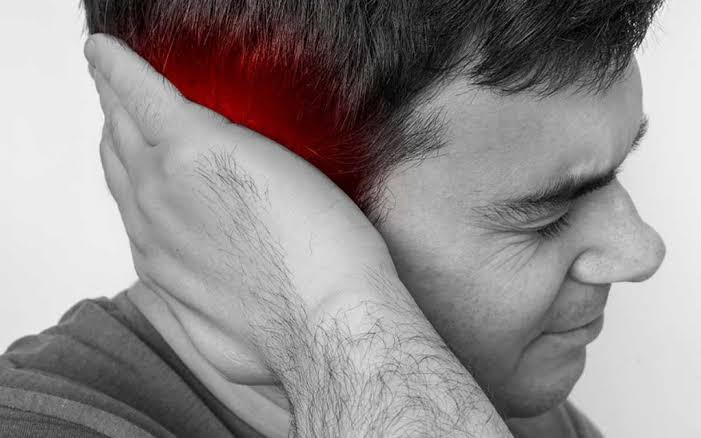
Why do I hear static in my ear is a question that catches most people off guard the first time it happens, especially since the sound seems to come from nowhere.
This static, buzzing, or hissing sensation is most often linked to tinnitus, but it can also point to something as simple as earwax buildup or pressure changes in the ear.

Static in the ear usually refers to a sound that only you can hear, without any outside source producing it.
People describe it in different ways, including static, hissing, buzzing, crackling, humming, or even a radio-like noise between stations.
In most cases, this sensation is a form of tinnitus, a very common condition rather than a rare or unusual problem.
Static in the ear can come from the inner ear, the middle ear, or even outside factors like medication or sinus pressure.
The most frequent underlying cause is tinnitus, which affects a large share of adults at some point in their lives.
Other common causes include earwax blockage, eustachian tube dysfunction, loud noise exposure, ear infections, and TMJ-related joint problems.
Tinnitus is the perception of sound, such as ringing, buzzing, hissing, or static, without any actual external noise present.
Research suggests tinnitus affects more than 15% of the global adult population, making it one of the most common ear-related complaints worldwide.
Subjective tinnitus is only audible to the person experiencing it and accounts for the vast majority of cases reported.
Objective tinnitus is rare and can sometimes be heard by a doctor during an examination, often linked to blood flow or muscle spasms near the ear.
Tinnitus is commonly linked to damage in the tiny hair cells inside the inner ear, which can happen from noise exposure or natural aging.
Researchers believe the brain’s nerve cells may increase activity to compensate for reduced hearing input, which can create the sensation of internal static or ringing.
Excess earwax is one of the simplest and most treatable causes of static or muffled sounds in the ear.
When wax blocks the ear canal, it can trap sound waves and create an echo-like or static-like effect as sound tries to pass through.
This type of static often comes with a feeling of fullness or slightly reduced hearing on the affected side.
The eustachian tube is a small passage that connects the middle ear to the back of the throat and helps balance ear pressure.
When this tube does not open and close properly, it can trap air or fluid, creating a crackling or static sound, especially when swallowing or yawning.
This is a common cause of static that worsens with altitude changes, flying, or during a cold or sinus infection.
Prolonged exposure to loud noise, such as concerts, machinery, or headphones at high volume, can damage the delicate hair cells inside the inner ear.
Once these hair cells are damaged, they often do not regenerate, which is why noise-induced static or ringing can become a long-term issue.
Even a single very loud event, like an explosion or a gunshot, can cause sudden static or ringing that lingers for hours or longer.
Infections in the middle or inner ear can cause inflammation and fluid buildup, both of which can create static, crackling, or muffled sounds.
This type of static is often accompanied by pain, a feeling of pressure, or temporary hearing changes until the infection clears.
The temporomandibular joint (TMJ) connects your jaw to your skull and sits very close to the ear canal.
When this joint is inflamed or misaligned, it can create a clicking, crackling, or static-like noise that often gets worse while chewing or talking.
If static noise seems to line up with jaw movement or speaking, TMJ dysfunction is a strong possible explanation.
As people age, the hair cells in the inner ear naturally wear down, and hearing sensitivity gradually decreases.
This hearing loss is frequently linked with tinnitus, since the brain may respond to reduced sound input by generating internal static or ringing.
Certain medications are known as ototoxic, meaning they can affect hearing and contribute to tinnitus or static-like sounds as a side effect.
Common examples include some antibiotics, high doses of aspirin, certain diuretics, and specific chemotherapy drugs.
If static in the ear started shortly after beginning a new medication, it is worth mentioning this to your doctor.
Meniere’s disease is an inner ear disorder that affects balance and hearing, often causing episodes of ringing, static, vertigo, and pressure in one ear.
This condition tends to come in episodes rather than being constant, and it usually affects only one ear at a time.
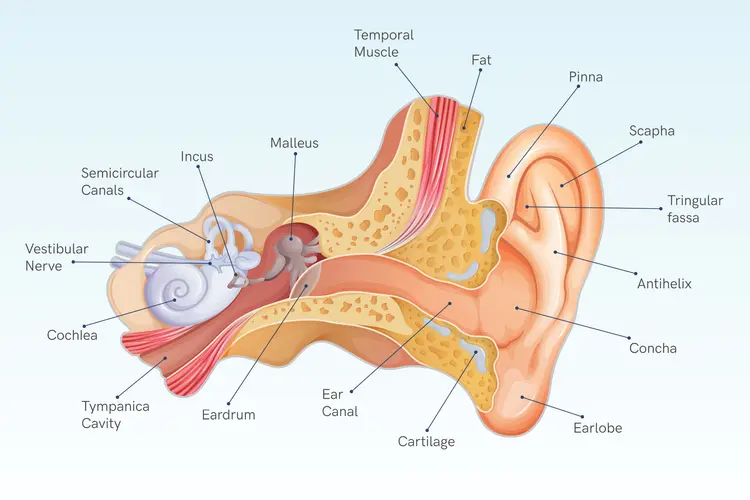
Sinus infections and seasonal allergies can cause swelling around the eustachian tube, leading to pressure changes and static or crackling sounds in the ear.
This type of static often improves once the underlying congestion clears, either on its own or with allergy treatment.
Whether the static occurs in one ear or both can offer helpful clues about the underlying cause.
| Pattern | Possible Causes |
|---|---|
| One ear only | Earwax buildup, ear infection, Meniere’s disease, eustachian tube dysfunction on one side |
| Both ears | Age-related hearing loss, long-term noise exposure, certain medications |
| Comes and goes | Sinus congestion, allergies, altitude changes, TMJ movement |
| Constant and steady | Chronic tinnitus, ongoing hearing loss |
This pattern is a helpful starting point, but it should not replace a full hearing evaluation if the static persists.
Not everyone experiences the same sound, even though many people use the word static to describe it.
| Sound Description | Commonly Linked To |
|---|---|
| Static or radio-like hiss | Tinnitus, hearing loss |
| Crackling or popping | Eustachian tube dysfunction, TMJ |
| Buzzing or humming | Tinnitus, muscle spasms near the ear |
| Clicking | TMJ disorder, objective tinnitus |
| Whooshing (pulsing with heartbeat) | Blood flow-related objective tinnitus |
Describing the exact sound to your doctor can help narrow down which of these causes is most likely.
Most cases of static in the ear are not dangerous, but certain symptoms should prompt a quicker medical response.
| Red Flag Symptom | Why It Matters |
|---|---|
| Sudden hearing loss in one ear | May indicate sudden sensorineural hearing loss, a time-sensitive condition |
| Static with severe dizziness or vertigo | Could suggest Meniere’s disease or an inner ear disorder |
| Static after a head injury | May indicate damage to the ear structures or nerves |
| Pulsing static in sync with your heartbeat | Could point to a vascular issue that needs evaluation |
| Static with ear pain and fever | May indicate an infection that needs prompt treatment |
If you notice any of these signs, contact a doctor quickly instead of waiting to see if the static goes away on its own.
Because static can come from several different sources, doctors typically use a combination of tools to identify the cause.
A physical exam of the ear canal and eardrum can quickly reveal issues like earwax buildup, infection, or fluid behind the eardrum.
A hearing test, called an audiogram, measures how well you hear different pitches and volumes, helping detect hearing loss linked to tinnitus.
In some cases, imaging like an MRI or CT scan may be used to rule out structural issues or blood vessel-related causes.
| Test | What It Helps Identify |
|---|---|
| Physical ear exam | Earwax, infection, fluid buildup |
| Audiogram (hearing test) | Hearing loss, tinnitus severity |
| Tympanometry | Eustachian tube dysfunction, middle ear pressure |
| MRI or CT scan | Structural or vascular causes |
| Blood tests | Underlying conditions like thyroid issues |
For mild or occasional static, several simple steps can help reduce the noise or discomfort while you monitor the symptom.
These steps are best suited for mild, non-urgent static, not for sudden hearing loss or severe symptoms, which need prompt medical care.

When static in the ear is linked to tinnitus, treatment usually focuses on managing the symptom rather than eliminating the sound completely.
Hearing aids can help by amplifying outside sound, which often makes internal static or ringing less noticeable throughout the day.
Sound therapy, including white noise machines or specialized tinnitus maskers, can help the brain shift focus away from the internal noise.
Cognitive behavioral therapy has also shown strong results in helping people manage the emotional impact of chronic tinnitus, even when the sound itself remains.
For causes like earwax buildup, ear infections, or eustachian tube dysfunction, treating the underlying issue often resolves the static noise entirely.
While not every cause of static in the ear can be prevented, several habits can lower your overall risk.
Wearing ear protection around loud machinery, concerts, or power tools helps protect the inner ear’s delicate hair cells from damage.
Keeping the volume moderate when using headphones, and following the general rule of taking breaks every hour, supports long-term hearing health.
Treating sinus infections and allergies promptly can reduce the pressure changes that often lead to eustachian tube-related static.
Routine hearing checkups become especially useful after age 50, since age-related hearing loss and tinnitus risk both increase over time.
Beyond the causes already covered, a few less common conditions can also produce static or noise-like sensations in the ear.
Elevated blood pressure can sometimes cause a pulsing or whooshing static that syncs with your heartbeat, since blood flow near the ear becomes more noticeable.
Both an overactive and underactive thyroid can affect blood flow and metabolism in ways that occasionally contribute to tinnitus-like static symptoms.
This is a rare, usually benign tumor on the nerve connecting the ear to the brain, and it can cause one-sided static, ringing, or hearing loss.
Because this condition is uncommon but serious, doctors typically recommend imaging if one-sided static comes with progressive hearing loss or balance problems.
Trauma to the head or neck can damage nerves or structures involved in hearing, sometimes triggering sudden or ongoing static-like sounds.
It can be easy to assume every ear noise is “just tinnitus,” but a few key differences can help separate it from other causes.
| Feature | Tinnitus | Eustachian Tube Dysfunction | Earwax Buildup |
|---|---|---|---|
| Sound Pattern | Constant or intermittent ringing/static | Crackling with swallowing or pressure changes | Muffled static, comes with fullness |
| Trigger | Noise exposure, aging, stress | Colds, allergies, altitude change | Poor ear hygiene, cotton swab use |
| Hearing Impact | May include mild hearing loss | Temporary muffled hearing | Noticeable muffled hearing |
| Typical Fix | Sound therapy, hearing aids, management | Treating congestion, Valsalva maneuver | Professional ear cleaning |
This comparison can help you have a more informed conversation with your doctor about what might be causing your specific symptoms.
Bringing notes on when the sound started, what it sounds like, and any triggers you have noticed can make this conversation even more productive.
Many people notice static or ringing more at night, simply because background noise during the day usually masks it.
This heightened nighttime awareness can make it harder to fall asleep, which in turn can make the perceived static feel louder the next day.
Using a fan, white noise machine, or soft background sound at night is a commonly recommended way to reduce this nighttime awareness.
Establishing a consistent sleep routine and limiting screen time before bed can also help reduce the overall stress that tends to worsen tinnitus symptoms.
Persistent static or ringing in the ear can affect concentration, sleep quality, and overall mood, especially when the noise is constant.
Studies suggest that around 1 in 5 people with tinnitus find that it noticeably affects their daily life and emotional wellbeing.
Support groups, counseling, and structured tinnitus management programs can help reduce the frustration and anxiety that sometimes come with this symptom.
If ongoing static noise is affecting your sleep or mental wellbeing, it is worth mentioning this specifically to your doctor, since support options exist.
Many people find that once they understand the likely cause behind their static, the noise itself feels less distressing, even if it takes time to fully resolve.
Before moving into the FAQ section, here is a condensed overview tying together the main causes discussed in this guide.
| Cause | Typical Sound | Usually Affects |
|---|---|---|
| Tinnitus | Static, ringing, hissing | One or both ears |
| Earwax buildup | Muffled static, fullness | Usually one ear |
| Eustachian tube dysfunction | Crackling, popping | One or both ears |
| Loud noise exposure | Ringing, static | Often both ears |
| TMJ disorder | Clicking, static with jaw movement | One or both ears |
This table is a helpful starting point, but persistent or unexplained static always deserves a proper hearing evaluation.
Sudden static is often linked to earwax buildup, pressure changes, or a new case of tinnitus triggered by noise exposure or stress.
Yes, static is one of the most common ways people describe tinnitus, along with ringing, buzzing, and hissing sounds.
Yes, excess earwax can block the ear canal and trap sound waves, creating a static or muffled hearing effect.
This is usually caused by eustachian tube dysfunction, where the tube does not open and close smoothly to balance ear pressure.
Yes, stress and anxiety are known to increase how loud or noticeable tinnitus and static sounds seem throughout the day.
Static in one ear can be caused by earwax, infection, or Meniere’s disease, and persistent one-sided symptoms should be checked by a doctor.
Yes, loud noise can permanently damage inner ear hair cells, leading to long-term tinnitus or static-like sounds.
Yes, TMJ disorder can cause clicking or static noises near the ear, especially during chewing or jaw movement.
See a doctor if static is sudden, paired with hearing loss, severe dizziness, ear pain, or occurs after a head injury.
Treatable causes like earwax or infections often resolve completely, while chronic tinnitus is usually managed rather than fully cured.
Static in the ear can feel alarming the first time it happens, but in most cases, it points to a common and manageable cause such as tinnitus, earwax buildup, or eustachian tube dysfunction.
Paying attention to whether the sound affects one ear or both, whether it comes and goes, and what other symptoms accompany it can help narrow down the likely cause.
Mild, occasional static often improves with simple home care like gentle ear hygiene, stress management, and protecting your hearing from loud noise. However, sudden hearing loss, severe dizziness, or static following an injury should always be evaluated by a doctor right away.
If you are still asking why do I hear static in my ear after trying basic self-care, a hearing specialist can pinpoint the exact cause and recommend the right next steps.