
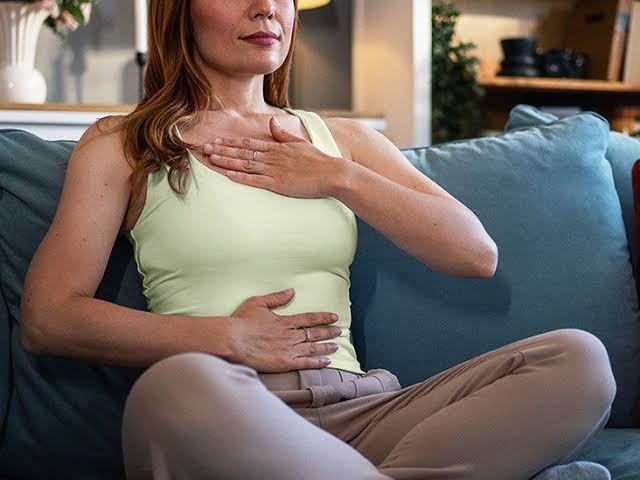
If you find yourself asking why is it hard to breathe when I lay down, you’re describing a real medical symptom with a name: orthopnea. It refers to shortness of breath that shows up specifically when lying flat and improves once you sit or stand up.
This isn’t something to brush off as random discomfort. Orthopnea often points to how your heart, lungs, or airway are handling a simple change in body position.
This guide explains exactly why lying flat triggers breathlessness, the most common underlying causes, and when the symptom needs urgent medical attention.

Difficulty breathing when lying down, called orthopnea, usually happens because gravity shifts fluid and blood toward the chest, adding pressure on the heart and lungs. Common causes include heart failure, COPD, asthma, sleep apnea, obesity, and GERD, and sudden severe breathlessness needs emergency care.
Orthopnea is the medical term for breathlessness that appears specifically when lying flat. The name comes from Greek roots meaning “straight” and “to breathe.”
It differs from general shortness of breath, called dyspnea, which can happen in any position. Orthopnea is defined by its pattern: worse lying down, better sitting up.
Standing or sitting lets gravity pull fluid and blood toward your legs and lower body. Lying flat reverses that, sending more blood back toward your chest and lungs.
For a healthy heart, this shift causes no problems at all. But if the heart can’t pump the extra blood efficiently, pressure builds in the lung’s blood vessels, and fluid can begin to leak into lung tissue.
Lying flat also changes how your lungs physically sit in your chest. They move into a position that reduces their ability to expand fully, which adds to the sensation of breathlessness.
Most cases trace back to a condition affecting the heart, lungs, or airway. The table below summarizes the most frequently cited causes.
| Cause | How It Affects Breathing |
|---|---|
| Congestive heart failure | Fluid builds up in the lungs as the heart struggles to pump |
| COPD | Narrowed airways make lying flat especially difficult |
| Asthma | Airway inflammation can worsen when reclined |
| Obstructive sleep apnea | The airway partially collapses during sleep |
| Obesity | Extra weight on the chest and abdomen limits lung expansion |
| GERD | Acid reflux while lying flat can trigger airway irritation |
| Anxiety | Can create a sensation of breathlessness without a physical blockage |
Heart failure is the most classic and most studied cause of orthopnea. When the heart’s pumping ability weakens, lying down sends more blood toward the lungs than the heart can handle.
This causes fluid to accumulate in lung tissue, a condition called pulmonary edema. Many people with heart-related orthopnea find they need two or three pillows just to sleep comfortably, sometimes called “pillow orthopnea.”
Chronic lung diseases can also make lying flat noticeably harder. COPD narrows the airways and reduces lung elasticity, both of which worsen when gravity works against you.
Severe asthma can behave similarly, especially during a flare-up. Excess mucus production in some lung conditions adds another layer of difficulty when lying flat.
Obstructive sleep apnea causes the airway to narrow or collapse repeatedly during sleep. Lying flat on your back often makes this worse, since gravity allows soft tissue to fall backward into the airway.
People with untreated sleep apnea frequently report choking sensations, loud snoring, and waking up gasping for air. A sleep study is usually needed to confirm the diagnosis.
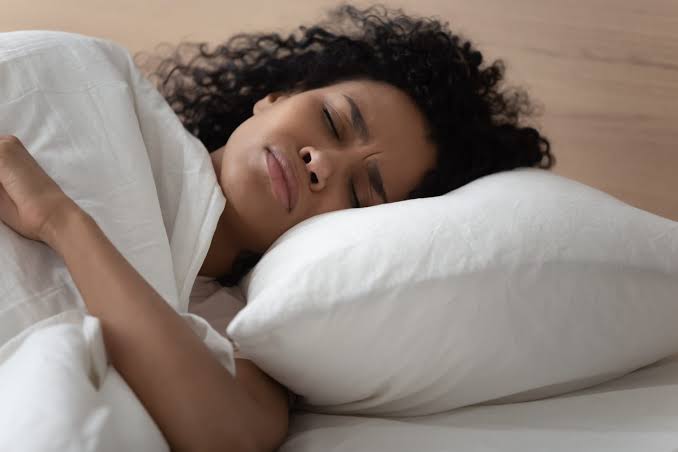
Several similar-sounding terms describe breathing problems tied to body position. Knowing the difference can help you describe symptoms accurately to a doctor.
| Term | What It Means |
|---|---|
| Dyspnea | General shortness of breath in any position |
| Orthopnea | Breathlessness when lying flat, relieved by sitting up |
| Paroxysmal nocturnal dyspnea | Sudden breathlessness that wakes you from sleep |
| Trepopnea | Breathlessness when lying on one specific side |
| Platypnea | The opposite pattern: worse sitting up, better lying down |
Certain symptoms alongside breathing trouble mean you should seek emergency care immediately. Do not wait to see if these improve on their own.
Not every case of orthopnea requires an ER visit, but it should never be ignored long-term. Schedule an appointment if you notice any of the following developing gradually.
A doctor will typically start by asking detailed questions about your symptoms before ordering any tests. Be ready to describe when the breathlessness started and how it has changed.
| Step | What It Checks For |
|---|---|
| Physical exam | Listens for abnormal heart and lung sounds |
| Chest X-ray | Looks for fluid buildup or lung abnormalities |
| Echocardiogram | Evaluates how well the heart is pumping |
| Sleep study | Diagnoses obstructive or central sleep apnea |
| Blood tests | Checks for markers of heart strain or infection |
While you wait for a medical evaluation, a few adjustments can offer real relief. These are supportive measures, not substitutes for treatment.
Why Am I So Weak? Causes, Symptoms & Treatment
Why Are My Legs Tingling? Causes & Treatment
Why Is My Neck So Stiff? Easy Ways to Relieve Pain
Why Does My Throat Hurt at Night? GERD or Allergies?
Why Am I Burping Eggs? Signs You Shouldn’t Ignore
Why Is My Mouth Watering? Reasons & Fixes
Why Does the Back of My Tongue Hurt? Is It Serious?
Why Does the Roof of My Mouth Itch? When to Worry
Why Does My Toe Feel Numb? What It Could Mean
Why Are My Teeth Transparent? Signs of Enamel Loss
Why Do I Hear Static in My Ear? What It Means
Why Does My Floss Smell Like Poop? What It Means
Why Do My Toenails Smell? Signs & Treatment
Why Does My Pinky Toe Hurt? When to See a Doctor
Why Do My Earrings Smell? Causes & Solutions
Why Do People Eat Cornstarch? Benefits or Risks?
Why Is My Dog Hacking? Signs, Causes & Treatment
Why Did My Cat Pee on Me? Causes & What to Do
Why Does My Cat Keep Biting Me? Signs & Fixes
Why Does My Cat Have a Bald Spot? Common Causes
Why Do Dogs Scoot on Their Butt? Causes & Solutions
Why Does My Phone Keep Freezing? Find Out Why
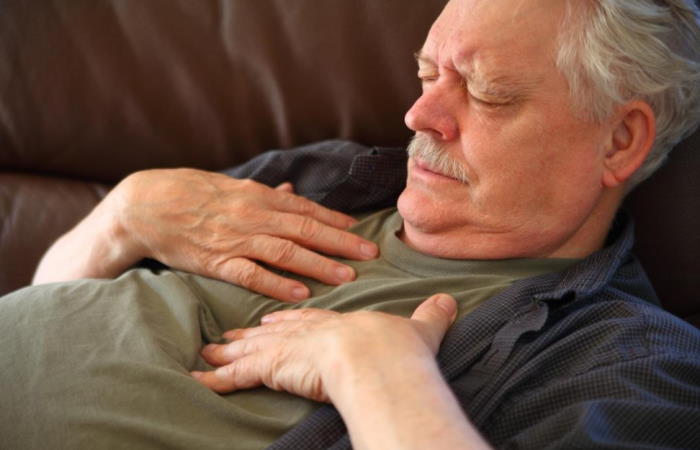
Orthopnea is difficulty breathing that happens specifically when you lie flat and gets better when you sit up. It’s a symptom, not a disease itself, and usually points to an underlying heart or lung issue.
No, occasional mild breathlessness after a big meal can happen, but a consistent pattern every time you lie down is not normal. It’s worth discussing with a doctor.
Yes, anxiety can create a real sensation of breathlessness even without a physical blockage. However, it’s important to rule out heart and lung causes first.
Needing two or more pillows just to breathe comfortably, sometimes called “pillow orthopnea,” can signal worsening fluid buildup. Mention this specific detail to your doctor.
No, while heart failure is the most classic cause, lung conditions like COPD and asthma, along with sleep apnea and obesity, can also cause it. A doctor can help identify the specific cause.
Yes, excess weight around the chest and abdomen can press on the diaphragm and limit lung expansion. This can cause orthopnea even without an underlying heart or lung disease.
Orthopnea is breathlessness while lying flat that can happen whether you’re awake or asleep. Sleep apnea specifically involves repeated airway blockages during sleep, though the two conditions can occur together.
If it comes on suddenly, is severe, or comes with chest pain, blue lips, or fainting, yes, seek emergency care immediately. Gradual, mild symptoms still warrant a prompt doctor’s visit.
Yes, acid reflux can irritate the airway when you’re lying flat, sometimes triggering coughing or breathlessness. Avoiding large meals before bed and elevating your head can help.
Common tests include a physical exam, chest X-ray, echocardiogram, blood work, and sometimes a sleep study. The specific combination depends on your symptoms and history.
Some pregnant women experience breathlessness when lying flat due to pressure from the growing uterus on the diaphragm. It’s still worth mentioning to your OB, especially if it’s severe.
That specific pattern is called paroxysmal nocturnal dyspnea, a related but distinct symptom. It’s considered a more severe sign and should be evaluated promptly.
For orthopnea related to obesity, yes, weight loss can meaningfully reduce pressure on the diaphragm and improve symptoms. Your doctor can help determine if this applies to your case.
For many people, sleeping propped up or on your side reduces symptoms compared to lying flat on your back. However, treating the underlying cause matters more long-term.
Some can with proper treatment and medication management, while others need elevation permanently. This varies significantly based on disease severity.
Struggling to breathe when you lie down, medically known as orthopnea, is a symptom worth taking seriously rather than dismissing as poor sleep positioning. It most often points to how well your heart and lungs are handling the shift in blood flow that happens when you recline.
Heart failure, COPD, asthma, sleep apnea, obesity, and GERD are among the most common underlying causes, and each has its own path to diagnosis and treatment. If breathlessness shows up suddenly or comes with chest pain, fainting, or blue-tinged lips, treat it as an emergency; for gradual or mild symptoms, a prompt doctor’s visit can identify the cause and get you breathing easier again.