
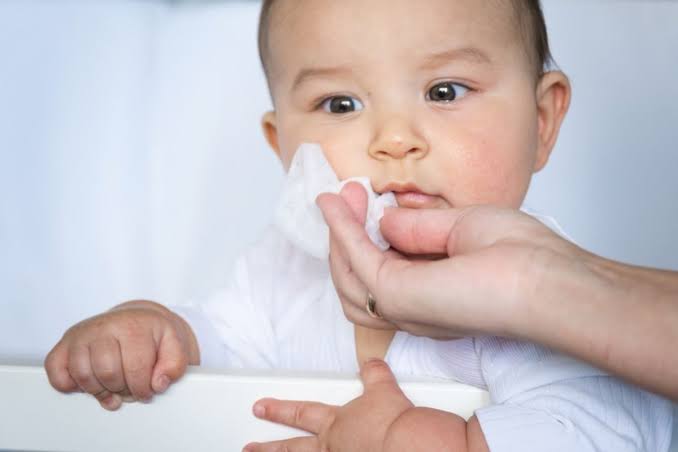
If you’re wondering Why Is My 3 Month Old Drooling So Much, you’re far from alone. Somewhere around this age, babies seem to transform into little drool machines almost overnight.
The good news is that this is one of the most well-documented and harmless stages of infant development. It has far more to do with growing salivary glands than with teething, despite what many parents assume.
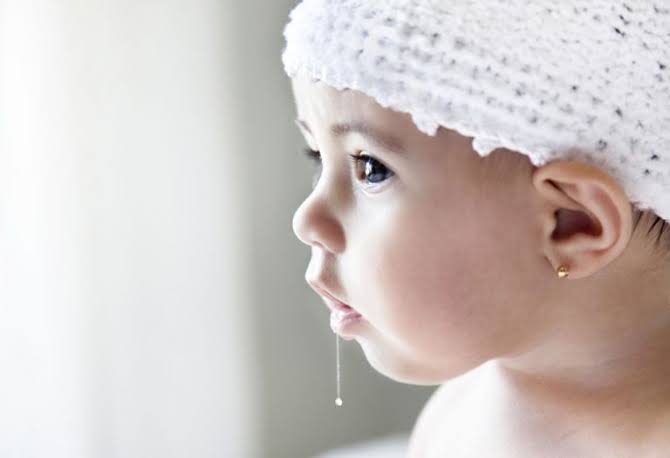
A 3 month old drools a lot because salivary glands are ramping up production while the mouth muscles needed to swallow saliva consistently are still developing. This is a normal milestone, not usually teething, and most babies outgrow heavy drooling by 18 to 24 months.
At birth, babies produce very little saliva because the nerve connections to their salivary glands aren’t fully active yet. Around 2 to 3 months, those connections strengthen and saliva production rises sharply.
This timing is not a coincidence. It lines up with your baby’s growing readiness for future solid foods, even though that stage is still months away.
Many parents assume increased drool at 3 months signals teeth are coming soon. In most cases, that assumption doesn’t match the timeline.
The average first tooth appears closer to 6 to 8 months of age. Drooling at 3 months is almost always about salivary gland maturity, not an imminent tooth.
| Sign | Points To |
|---|---|
| Drooling starts around 2 to 3 months, no other symptoms | Normal salivary gland development |
| Drooling plus chewing on hands and fussiness around 5 to 7 months | Possible early teething |
| Drooling plus fever, congestion, or reduced appetite | Possible illness |
| Drooling that interferes with breathing or feeding | Needs medical evaluation |
Drool isn’t just messy, it serves real developmental purposes. Saliva contains enzymes that begin breaking down starches in preparation for solid foods.
It also acts as a natural antacid, helping soothe a baby’s digestive tract. On top of that, saliva helps keep the mouth moist and supports early oral exploration.
Swallowing saliva consistently requires coordinated muscle control in the lips, tongue, and throat. At 3 months, these muscles are still developing and swallowing remains a largely reflexive action.
Babies also spend a lot of time on their backs with their mouths slightly open. Combined with underdeveloped swallowing reflexes, saliva simply flows out rather than being swallowed automatically.
Most drooling at this age falls into a few completely normal categories. Understanding these can ease a lot of new-parent worry.

While rare, certain patterns are worth mentioning to your pediatrician. These don’t always mean something serious, but they deserve a proper evaluation.
Mild gastroesophageal reflux (GER) can sometimes increase saliva production. The extra saliva helps neutralize stomach acid that travels back up the esophagus.
GERD-related drooling usually comes with other signs, like frequent spit-up or visible discomfort during or after feeds. If you notice this pattern, it’s worth flagging at your baby’s next checkup.
Heavy drooling is temporary, but it can be genuinely messy in the meantime. A few simple habits make daily life easier.
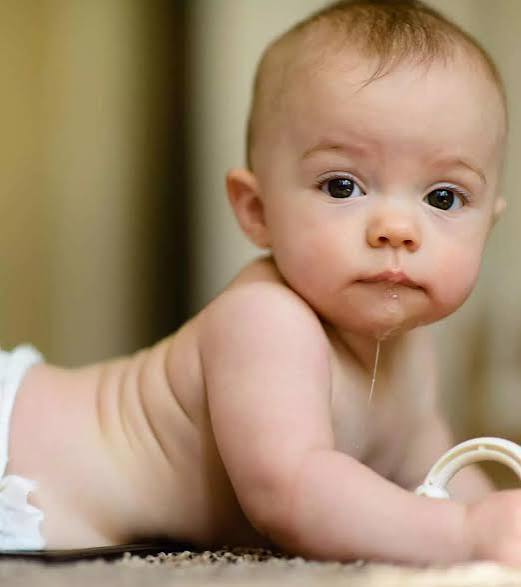
Constant moisture on delicate skin can lead to a red, irritated rash around the chin, neck, and chest. This is common and usually easy to manage at home.
Keep the area clean and pat it dry rather than rubbing. A thin layer of fragrance-free ointment can create a protective barrier between skin and saliva.
Most drooling at 3 months needs no medical attention at all. Still, certain combinations of symptoms warrant a call sooner rather than later.
Why Do I Have a Bad Taste in My Mouth? Relief Tips
Why Is My Mouth Watering? Reasons & Fixes
Why Does the Roof of My Mouth Itch? When to Worry
Why Does the Back of My Tongue Hurt? Is It Serious?
Why Does My Throat Hurt at Night? GERD or Allergies?
Why Does My Floss Smell Like Poop? What It Means
Why Am I So Weak? Causes, Symptoms & Treatment
Why Are My Legs Tingling? Causes & Treatment
Why Are My Teeth Transparent? Signs of Enamel Loss
Why Does My Toe Feel Numb? What It Could Mean
Why Is My Neck So Stiff? Easy Ways to Relieve Pain
Why Do I Hear Static in My Ear? What It Means
Why Do My Toenails Smell? Signs & Treatment
Why Does My Pinky Toe Hurt? When to See a Doctor
Why Do My Earrings Smell? Causes & Solutions
Why Do People Eat Cornstarch? Benefits or Risks?
Why Is My Dog Hacking? Signs, Causes & Treatment
Why Did My Cat Pee on Me? Causes & What to Do
Why Does My Cat Keep Biting Me? Signs & Fixes
Why Does My Cat Have a Bald Spot? Common Causes
Why Do Dogs Scoot on Their Butt? Causes & Solutions
How Modern Nursery Programs Scaffold Social-Emotional Intelligence
Yes, constant drooling around 3 months is very common and reflects normal salivary gland development. Most babies drool heavily until their swallowing muscles mature further.
Not usually. The average first tooth appears closer to 6 to 8 months, so drooling this early is more about salivary gland maturity than teething.
Most babies see a significant drop in drooling between 12 and 24 months as their mouth muscles and swallowing reflex mature. Some drooling can continue into early toddlerhood.
It can be, especially if paired with fever, congestion, or reduced appetite. On its own, heavy drooling at 3 months is usually not a sign of illness.
No, drooling during sleep is very common at this age since swallowing reflexes are still developing. It typically improves as your baby grows.
Keep your baby’s chin and neck dry with soft cloths, change wet bibs often, and apply a fragrance-free barrier ointment. This helps protect sensitive skin from constant moisture.
Yes, mild reflux can increase saliva production as the body tries to neutralize stomach acid. This usually comes with other signs like frequent spit-up.
Yes, hand and finger chewing stimulates saliva production and is a normal part of oral exploration at this age. It doesn’t necessarily mean teething is imminent.
Trouble breathing, difficulty swallowing, persistent fever, or a noticeable drop in feeding all warrant a call to your pediatrician. Isolated drooling without these signs is rarely concerning.
Yes, since babies swallow more consistently while using a pacifier, saliva can build up and spill out once it’s removed. This is a normal, temporary pattern.
In rare cases, persistent drooling well beyond the typical age range can be linked to neurological or developmental issues. This is uncommon and usually accompanied by other developmental signs.
There’s no strict number, but soaked bibs and frequent clothing changes are common and considered normal. What matters more is whether other symptoms accompany the drooling.
Yes, saliva contains enzymes like ptyalin that begin breaking down starches and also acts as a natural antacid. It plays a genuine role in preparing your baby’s digestive system.
Nasal allergies and upper respiratory infections can sometimes increase drooling indirectly. If you suspect allergies, mention the pattern to your pediatrician.
A 3 month old drooling constantly is one of the most normal, well-documented stages of early infant development. It reflects growing salivary glands paired with mouth muscles that are still learning to coordinate swallowing, not an early sign of teething in most cases.
Keep an eye out for accompanying symptoms like fever, breathing trouble, or feeding difficulties, since these are the signs that actually warrant a pediatrician visit. Otherwise, stock up on bibs, keep your baby’s skin dry, and know that the drooliest stage will pass as your baby approaches their second birthday.