

Why do my heels hurt when I wake up? For most people, that sharp, stabbing pain with your very first steps out of bed points to plantar fasciitis, a common overnight tightening of the tissue that supports your arch.
This guide walks through every likely cause of morning heel pain, what your specific symptoms are telling you, and the exact steps that bring real relief — plus when it’s time to see a podiatrist.

Morning heel pain is most often caused by plantar fasciitis, a condition where the thick band of tissue under your foot tightens overnight and gets suddenly stretched with your first steps. Achilles tendinitis, heel spurs, and stress fractures are less common but related causes.
While you sleep, your foot naturally points downward, which allows the plantar fascia and surrounding tissue to shorten and tighten. This is a normal resting position, not an injury on its own.
The moment you stand and put weight on your foot, that tightened tissue is forced to stretch rapidly. This sudden stretch is what creates the sharp, stabbing “first-step pain” so many people describe.
Pain typically eases within 10 to 20 minutes of walking, once the tissue warms up and loosens. It often returns after sitting for a long stretch during the day.
This is by far the leading cause of morning heel pain, affecting millions of adults. The plantar fascia is a thick band of tissue running from your heel bone to your toes, supporting your arch with every step.
Overuse, long hours on your feet, unsupportive shoes, and tight calf muscles all contribute to irritation of this tissue. Pain is usually sharpest at the bottom of the heel, closest to the arch.
The Achilles tendon connects your calf muscle to the back of your heel. Like the plantar fascia, it tightens overnight and becomes painfully stiff when you first stand.
Unlike plantar fasciitis, Achilles tendinitis pain is often felt at the back of the heel rather than the bottom, and it tends to linger throughout the day rather than easing quickly.
A heel spur is a small, bony growth that can form where the plantar fascia attaches to the heel bone. Spurs themselves are often painless bystanders — the real pain usually comes from inflammation in the surrounding soft tissue.
A stress fracture in the heel bone causes a deep, persistent ache that tends to worsen with impact rather than ease with movement. It often follows a sudden jump in activity, mileage, or a change to harder walking or running surfaces.
Blood flow to the feet naturally slows while you’re inactive during sleep. Reduced circulation to the heel and surrounding tissue can intensify stiffness and discomfort the moment you get moving.
People with rheumatoid arthritis or other inflammatory joint conditions are at higher risk of developing plantar fasciitis-like symptoms. Inflammation tends to peak overnight, which is why joint-related heel pain often feels worse in the morning.
Flat feet and overpronation put extra strain on the plantar fascia and Achilles tendon throughout the day. That accumulated strain often shows up as sharp discomfort the following morning.

| Symptom Pattern | Likely Cause | What to Do |
|---|---|---|
| Sharp pain at bottom of heel, eases after walking | Plantar fasciitis | Stretching, supportive shoes, night splint |
| Pain at back of heel, lingers all day | Achilles tendinitis | Calf stretches, rest, activity modification |
| Deep ache that worsens with impact | Possible stress fracture | See a podiatrist promptly |
| General stiffness across both feet | Circulation or overnight inactivity | Gentle movement, warm-up stretches |
| Heel pain with joint pain elsewhere | Possible inflammatory arthritis | Medical evaluation recommended |
| Pain with swelling, redness, or warmth | Possible infection or acute injury | Seek medical care same day |
While still in bed, gently flex your foot up and down or use a towel around your toes to pull your foot toward you. This pre-stretches the plantar fascia before it takes your full body weight.
Stand at arm’s length from a wall, step one foot back, and lean forward while keeping your back heel flat on the floor. Hold for 20 to 30 seconds and repeat on both sides, even if only one heel hurts.
Rolling your foot over a frozen water bottle or tennis ball for two to three minutes massages the plantar fascia and increases circulation. This is especially effective done first thing in the morning.
Applying an ice pack to the heel for 15 to 20 minutes helps reduce inflammation-related pain. This works best after activity rather than immediately before your first steps.
Walking barefoot on hard floors right after waking adds unnecessary strain. Keep supportive shoes or slippers with arch support near your bed.
A night splint holds your foot at roughly a 90-degree angle while you sleep, keeping the plantar fascia gently stretched overnight instead of allowing it to tighten. Many people notice relief within days of consistent use.
Custom or over-the-counter orthotics redistribute pressure away from the painful area and provide added arch support throughout the day. Physical therapy can also teach targeted stretches and strengthening exercises for longer-term relief.
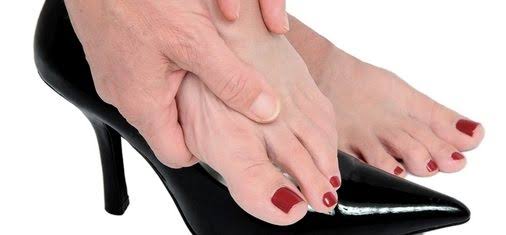
Podiatrists consistently point to consistency as the biggest factor in recovery. Stretching once won’t help — doing it three times a day, every day, is what actually retrains the tissue.
Replacing running or walking shoes every 400 to 500 miles prevents the gradual loss of cushioning that contributes to repeated flare-ups. Cross-training with low-impact activities like swimming or cycling gives the plantar fascia a break while keeping you active.
Most cases of morning heel pain improve with home care within a few weeks. See a podiatrist if:
A podiatrist typically starts with a physical exam, checking for tenderness at the heel bone and testing foot flexibility. They may perform a windlass test, which reproduces plantar fascia pain by flexing the toes upward.
If a stress fracture, arthritis, or nerve involvement is suspected, imaging such as X-rays, an MRI, or a bone scan may be ordered to rule out other causes.
Overnight, the plantar fascia tightens because your foot rests in a relaxed, pointed position. Standing suddenly stretches that tightened tissue, causing sharp first-step pain.
Most people feel relief within 10 to 20 minutes of walking as the tissue warms up. Chronic cases may take several weeks of consistent treatment to fully resolve.
No. While plantar fasciitis is the most common cause, Achilles tendinitis, heel spurs, stress fractures, and arthritis can all produce similar morning pain.
Yes. Flat feet and overpronation place extra strain on the plantar fascia throughout the day, which often shows up as morning stiffness and pain.
Yes, for many people. Night splints keep the foot gently stretched overnight, preventing the plantar fascia from tightening and reducing first-step pain.
Shoes with strong arch support, cushioned heels, and a firm heel counter reduce strain on the plantar fascia. Avoid flat, unsupportive shoes during flare-ups.
Yes. Extra body weight increases pressure on the plantar fascia and heel with every step, which can intensify morning pain significantly.
Stretch while still lying down, before your first full-weight step. This pre-loosens the tissue and reduces the intensity of first-step pain.
The plantar fascia loosens with movement but tightens again after long periods of sitting or standing still, causing pain to return.
It can be. People with rheumatoid arthritis or other inflammatory conditions often notice worse joint and heel stiffness after long periods of rest.
Low-impact activity is usually fine, but high-impact exercise can worsen plantar fasciitis. Reduce intensity and consult a podiatrist if pain persists.
Stress fractures typically cause a deep ache that worsens with impact rather than easing with movement, unlike typical plantar fasciitis pain.
Yes. Rolling the arch over a tennis ball or frozen water bottle massages the plantar fascia, improves circulation, and can ease stiffness.
Icing is most effective after activity to reduce inflammation, rather than immediately before your first steps in the morning.
See a podiatrist if pain lasts more than six weeks, worsens, prevents walking, or comes with swelling, redness, or numbness.
Yes. Reduced blood flow to the feet during sleep can add to stiffness and discomfort that shows up the moment you start moving.
Usually not directly. Heel spurs are often painless; the real source of pain is typically inflammation in the surrounding soft tissue.
Yes. Worn-out shoes lose cushioning and arch support over time, increasing strain on the plantar fascia and contributing to heel pain.
It often does. Hard floors provide no cushioning or arch support, increasing strain on an already irritated plantar fascia.
Orthotics can meaningfully reduce pain by redistributing pressure away from the heel and supporting the arch throughout the day.
For mild cases, consistent stretching three times a day is often enough. More persistent cases usually need additional treatments like night splints or orthotics.
Yes. Runners face repetitive strain on the plantar fascia, especially with sudden increases in mileage or a switch to harder running surfaces.
Yes. Long periods of inactivity allow the plantar fascia to tighten, similar to what happens overnight, contributing to stiffness upon standing.
Diagnosis is usually clinical, based on a physical exam and the windlass test. Imaging is used mainly to rule out fractures or other conditions.
Surgery is rare and reserved for cases that don’t improve after several months of consistent non-surgical treatment.
Waking up with sharp heel pain almost always traces back to the plantar fascia tightening overnight, most commonly from plantar fasciitis. Consistent stretching, supportive footwear, and simple habit changes bring real relief for most people within a few weeks.
Pay attention to pain that lasts beyond six weeks, worsens, or comes with swelling or numbness — those are signs it’s time to see a podiatrist rather than wait it out. Catching the cause early keeps a manageable problem from becoming a long-term one.