
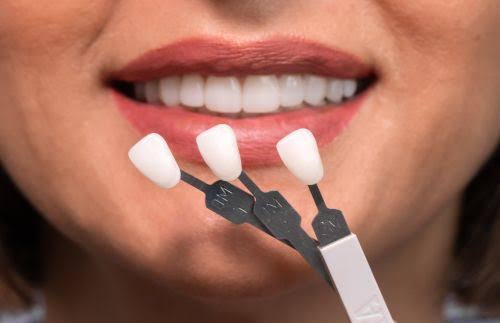
If you’ve been searching “why veneers are bad,” you’ve probably seen a mix of horror stories and glowing reviews, which makes the decision feel more confusing than it should. The honest answer is that veneers aren’t inherently bad, but they come with permanent trade-offs that deserve a closer look before you commit.
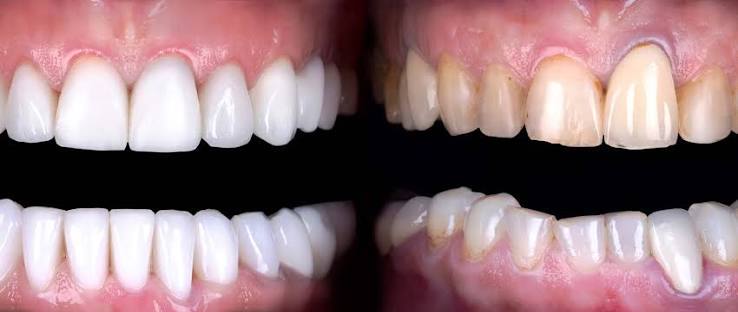
Veneers aren’t inherently harmful, but they involve permanent enamel removal, potential sensitivity, ongoing maintenance, and a real risk of complications if placed poorly. The reality is that veneers are not inherently bad, and when carefully planned and placed by an experienced dentist, they can transform a smile, but like any dental procedure they come with real risks, limitations, and responsibilities.
Before weighing the downsides, it helps to understand what veneers physically do to your teeth. Dental veneers are ultra-thin shells, typically 0.5mm thick, custom-crafted from porcelain or composite resin and permanently bonded to the front surface of your teeth.
There are two main types, and they don’t perform equally. Porcelain veneers are considered the gold standard for natural appearance and typically last 10 to 15 years or longer, while composite resin veneers are less expensive but more prone to staining and generally last 5 to 7 years.
This is the single biggest reason people question veneers. Before veneers are placed, your dentist must shave down your tooth enamel, and according to the Journal of the American Dental Association, that enamel does not grow back, ever.
Once that step happens, there’s no going back to your natural, untouched tooth. One of the most significant downsides is that veneers are usually irreversible, since a small amount of enamel is typically removed from the tooth surface and enamel does not grow back.
Removing enamel exposes more sensitive layers underneath. Removing enamel can expose the more sensitive parts of your teeth, which is why hot coffee or cold drinks can suddenly feel uncomfortable.
This sensitivity is common but usually temporary. Some people may experience increased sensitivity to hot or cold foods after getting veneers.
Veneers are a significant financial commitment. The average cost of a dental veneer can range between $4,500 and $6,500, and they aren’t typically covered by insurance.
Veneers are durable, but they aren’t indestructible. Although veneers are strong, they can chip or crack under excessive pressure, such as from teeth grinding or biting hard objects.
Placement quality matters enormously here. If not placed perfectly, veneers can irritate your gums, and you may experience redness, swelling, or even gum recession over time.
A poor bond can cause serious problems down the line. Veneers can detach from the tooth if the bonding process isn’t fully successful, and a loose veneer can create a breeding ground for bacteria and lead to tooth decay over time.
Veneers cover the tooth, but they don’t make it immune to disease. A common misconception is that a tooth covered by a veneer is protected from cavities, but your natural tooth is still underneath and can still decay if bacteria reach it.
Aesthetics depend heavily on execution. You risk ending up with an unnatural, uniform look if your dentist doesn’t customize the veneers properly.
Veneers don’t last forever, even with excellent care. Veneers are durable but not permanent, and they may need to be replaced after 10 to 15 years, adding to the long-term cost.
Most serious complications trace back to execution, not the treatment itself. The real risks come from poor diagnosis or execution, not from the veneers themselves, and when applied correctly by a qualified professional, veneers can enhance a smile without compromising dental health.
Provider quality and material choice make a measurable difference. Aggressive drilling from providers who over-prepare teeth increases the risk of sensitivity and complications, and cheap materials like low-quality porcelain or composite can discolor, chip, or look fake over time.

| Factor | Well-Placed Veneers | Poorly-Placed Veneers |
|---|---|---|
| Enamel removal | Minimal, precisely measured | Excessive, over-prepared |
| Gum fit | Comfortable, natural gumline | Irritation, redness, recession |
| Appearance | Custom-matched, natural look | Uniform, “fake” or bulky look |
| Bonding | Secure, long-lasting | Loose, prone to detaching |
| Longevity | 10-15+ years with care | Fails within a few years |
Veneers aren’t the right fit for everyone, regardless of how skilled the dentist is. The most significant drawbacks of dental veneers include their irreversibility, high cost, and unsuitability for patients with active gum disease, decay, or bruxism, all of which should be evaluated before proceeding.
Underlying oral health issues need to be resolved first. Veneers are only an option if you’re free of extensive cavities and gum disease, and if you have serious oral health issues, you should address those first before exploring cosmetic treatments.
Teeth grinding is a particular concern for durability. If you habitually grind or clench your teeth, veneers might not last long, since grinding can chip or crack the thin porcelain, and dentists often suggest nightguards, orthodontics, or composite bonding first.
| Pros | Cons |
|---|---|
| Dramatically improves smile appearance | Enamel removal is permanent |
| Porcelain resists staining long-term | High cost, rarely covered by insurance |
| Can correct chips, gaps, and discoloration | Requires lifelong maintenance or replacement |
| Long lifespan with proper care (10-15 years) | Risk of sensitivity, especially early on |
| Custom-matched to your natural smile | Underlying tooth can still decay |
Choosing an experienced dentist reduces the risk of gum tissue irritation and ensures the veneers sit comfortably and naturally along the gumline.
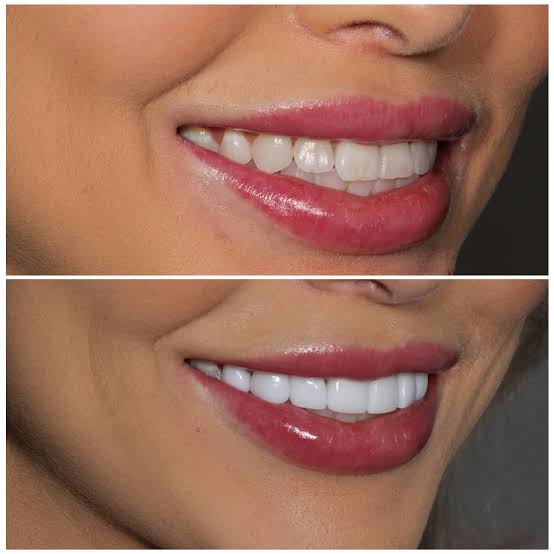
| Alternative | Best For | Reversible? |
|---|---|---|
| Professional whitening | Discoloration only | Yes |
| Composite bonding | Minor chips or gaps | Mostly reversible |
| Orthodontics/Invisalign | Misalignment issues | Yes |
| Nightguard | Bruxism/grinding protection | Yes |
| Crowns | Severely damaged teeth | No |
Ask yourself the harder question before booking a consultation. If you’re chasing the perfect smile, ask yourself whether you’re ready to permanently alter healthy teeth for a cosmetic fix, and consider getting a second opinion before making a permanent decision.
Veneers aren’t inherently bad, but they permanently alter your natural tooth structure and require lifelong maintenance or eventual replacement.
Not if placed correctly, but the underlying tooth can still decay, and poor placement can cause gum irritation or long-term damage.
No. Most veneers require enamel removal, which is permanent, meaning you’ll always need some form of covering on those teeth going forward.
Some patients have active gum disease, untreated decay, or bruxism, all of which need to be addressed before veneers can succeed long term.
Sensitivity is usually temporary and fades within days to weeks, though it can persist if too much enamel was removed during preparation.
Porcelain veneers generally range from $4,500 to $6,500 depending on materials and how many teeth are treated, and they aren’t usually covered by insurance.
Yes, though it’s uncommon with proper bonding. A loose veneer should be treated promptly since it can trap bacteria and lead to decay.
They can, if poorly designed or if the wrong shade, size, or shape is chosen. A skilled dentist customizes veneers to match your natural smile.
No. The natural tooth underneath a veneer can still decay if bacteria reach it, so regular oral hygiene remains essential.
It’s risky. Grinding can chip or crack veneers, so many dentists recommend a nightguard or treating bruxism before proceeding.
Porcelain veneers typically last 10 to 15 years or longer with proper care, while composite veneers usually last 5 to 7 years.
A chipped or cracked veneer usually needs to be repaired or replaced by a dentist, since the damage typically can’t be undone at home.
Poorly fitted veneers can irritate gum tissue and increase the risk of inflammation, but well-placed veneers shouldn’t cause gum disease.
Porcelain is more stain-resistant and durable, while composite is cheaper and faster to apply but more prone to staining and shorter-lived.
Yes. Even well-maintained veneers typically need replacement after 10 to 15 years due to normal wear.
Existing cavities and decay should be treated before veneers are placed, since underlying issues can compromise the results.
Enamel doesn’t regenerate, so once it’s removed, your tooth permanently depends on a veneer, crown, or other covering for protection.
No-prep or minimal-prep veneers preserve more natural enamel and may be reversible in some cases, though they aren’t right for every smile.
Yes. Avoiding hard foods, wearing a nightguard if needed, and maintaining regular dental visits all help veneers last longer.
Yes. Because the procedure is permanent and costly, a second opinion helps confirm it’s the right choice for your specific dental health.
Veneers aren’t inherently bad, but they’re a permanent, costly commitment with real risks tied mostly to enamel removal, sensitivity, and the skill of the provider.
Choosing an experienced dentist, addressing existing dental issues first, and understanding the long-term maintenance involved can make the difference between a smile you love and one you regret. If you’re still unsure, a second opinion and an honest conversation about alternatives are always worth the time.