
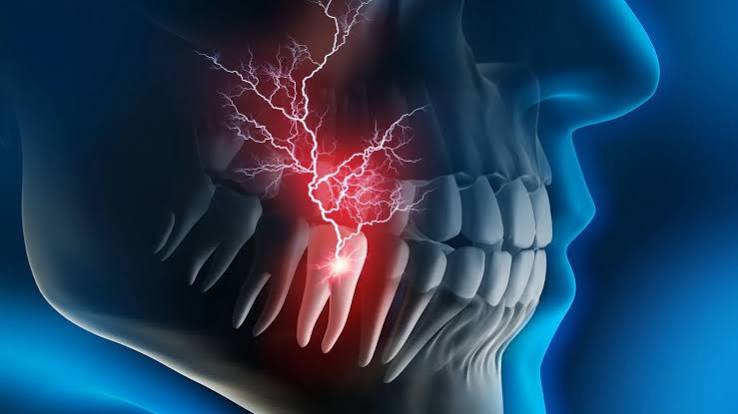
If you’re asking “why is my tooth throbbing,” the pulsing, heartbeat-like ache is usually your body’s way of flagging inflammation or infection inside the tooth or gums. It can feel worse at night, when chewing, or with hot and cold foods.
This guide breaks down the most common causes, what the pain pattern means, simple relief steps you can try today, and the clear signs that mean you need a dentist right away.
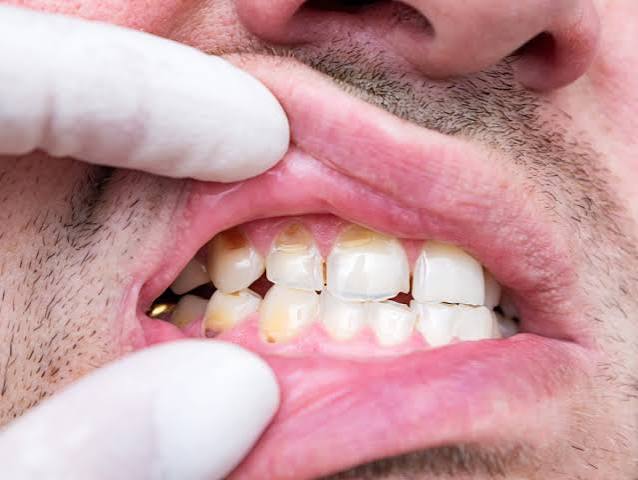
A throbbing tooth almost always points to inflamed or infected dental pulp — the nerve and blood vessel tissue at the center of your tooth. When that pulp becomes irritated, the increased blood flow to the area creates the rhythmic, pulsing sensation. Common triggers include cavities, abscesses, cracked teeth, gum disease, and even sinus pressure.
A throbbing sensation feels different from a dull ache or a sharp jab. That pulsing quality comes from increased blood flow to an inflamed area — it’s your body’s inflammatory response reacting to irritation, pressure, or bacteria near a nerve.
The throbbing can be constant or come and go depending on your position, temperature exposure, or activity level, since inflammation tends to swell and ease along with these changes. That’s part of why the pain doesn’t always feel steady.
Decay is usually the starting point. It’s the most common reason for tooth pain, occurring when bacteria eat through the hard enamel outer layer of a tooth.
Early decay may not hurt at all. In the early stages, a cavity often causes no constant discomfort, but sensitivity tends to show up when eating or drinking, and the pain becomes more frequent as the cavity progresses.
An abscess is one of the most painful causes of throbbing pain. It’s a pocket of pus at the root tip or in the gums, and it causes throbbing pain that intensifies with pressure — sometimes along with swelling, fever, or a bad taste in the mouth.
This type of infection needs prompt professional care. Left untreated, it can spread beyond the tooth into the jaw and surrounding tissue.
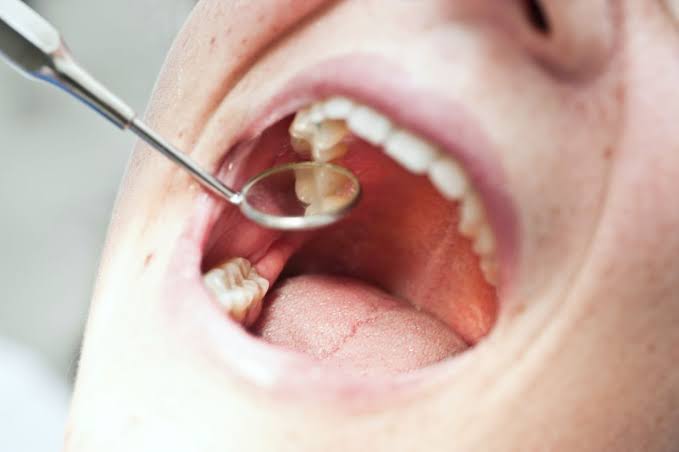
Cracks aren’t always visible to the eye. A hairline fracture can go unnoticed, but the pressure of chewing can force it open slightly and irritate the nerve inside. These cracks typically come from grinding, chewing hard foods, or trauma.
Inflamed gums can cause throbbing that radiates along the jaw. Gingivitis and periodontitis can leave gums swollen, tender, and prone to bleeding, and advanced gum disease can lead to tooth loosening and pain — especially if infection develops under the gumline.
Nighttime grinding puts constant strain on your teeth. Grinding, often during sleep, wears down enamel and irritates the tooth pulp, which can lead to soreness or throbbing — especially noticeable first thing in the morning.
Sometimes the pain has nothing to do with your teeth at all. A sinus infection can create pressure in the maxillary sinuses located near your upper teeth, producing a dull, throbbing pain that mimics a toothache.
Some throbbing after treatment is expected. If it follows a recent filling, crown, or other dental work, some sensitivity for a week or two is normal. Persistent pain beyond that suggests the bite needs adjusting or the restoration needs a follow-up look.
An impacted tooth can trigger deep, radiating throbbing. When a wisdom tooth becomes impacted, it can cause swelling, pain when chewing, jaw pain, and difficulty opening the mouth.
Exposed dentin can create a sharp, pulsing reaction to temperature. This nerve pain happens when enamel wears down, causing sensitivity to hot or cold foods — often from teeth whitening products, receding gums, or untreated cavities.
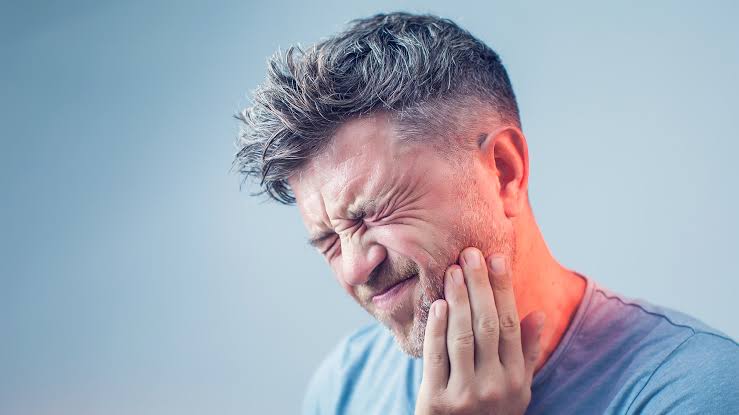
Throbbing rarely shows up alone. Watch for these accompanying signs, since they help point toward the underlying cause:
Not every throbbing tooth needs an emergency visit, but some symptoms mean you shouldn’t wait. Severe or unrelenting pain, facial swelling, fever, difficulty swallowing or breathing, trauma, nonstop bleeding, or a knocked-out or loose adult tooth all call for an emergency dentist right away.
If you notice chills, rapidly spreading swelling, or trouble opening your mouth, treat this as urgent — fever, chills, and fatigue can signal that an infection is escalating and your immune system is straining to keep up.
These steps won’t fix the underlying problem, but they can ease discomfort until you see a dentist:
A short bout of sensitivity can sometimes resolve on its own, but persistent throbbing rarely does. If a toothache lingers for longer than a day or two, it’s time to call a dentist so they can find the cause and recommend treatment.
Don’t wait it out if the pain is intensifying or spreading. Pain that lasts more than a day or two, worsens over time, or comes with swelling, fever, or a bad taste should be checked immediately — these can be signs of a serious infection.
Your dentist will start by asking about your symptoms and pain pattern — whether the throbbing comes and goes or is continuous, along with any other symptoms like fever, swelling, or drainage.
X-rays are usually part of the process too, helping confirm exactly what’s causing the pain after the initial exam.
| Cause | Typical Symptoms | Common Treatment |
|---|---|---|
| Cavity or decay | Sensitivity, gradual pain increase | Filling, cleaning |
| Dental abscess | Swelling, fever, bad taste | Antibiotics, drainage, root canal |
| Cracked tooth | Sharp pain when biting | Bonding, crown, root canal |
| Gum disease | Bleeding, swollen gums | Deep cleaning, periodontal treatment |
| Sinus infection | Pressure in upper back teeth | Sinus treatment, decongestants |
| Bruxism | Morning soreness, worn enamel | Night guard, bite adjustment |
| Recent dental work | Lingering sensitivity | Bite adjustment or follow-up visit |
If decay or a faulty filling is the cause, repairing the tooth often stops the pain. If the nerve itself is infected, it typically needs to be removed via root canal treatment to stop the throbbing.
| Approach | Pros | Cons |
|---|---|---|
| Salt water rinse | Gentle, reduces bacteria | Doesn’t treat infection source |
| OTC pain relievers | Fast, accessible relief | Temporary, masks the problem |
| Cold compress | Reduces swelling | Doesn’t stop underlying decay |
| Numbing gel | Quick localized relief | Short-lasting effect |
Regular cleanings, prompt treatment of small issues, and daily flossing are simple habits that go a long way toward preventing future throbbing pain.
Throbbing that eases and returns doesn’t mean the problem is gone. Sometimes an infection flares up before the immune system temporarily calms it, but without treatment it usually comes back — often worse than before. Treat any recurring throb as a reason to book an appointment, not a reason to wait.
Throbbing can come from internal pulp inflammation that isn’t triggered by surface pressure. This often points to early nerve irritation or a developing infection deep inside the tooth.
Lying down increases blood flow to your head, which can intensify the pulsing sensation. Pressure changes at night often make existing inflammation feel more noticeable.
Mild sensitivity from minor irritation can settle down, but decay, cracks, and infections do not heal without treatment. Pain that fades temporarily often returns worse later.
Not always. It can also come from gum inflammation, grinding, sinus pressure, or recent dental work, though infection is one of the most common causes.
It depends on the cause. Minor irritation may ease in a day, while decay or infection-related pain typically continues or worsens until treated.
Ibuprofen is often recommended because it reduces both pain and inflammation, though acetaminophen is a safe alternative if ibuprofen isn’t suitable for you.
Yes. Upper back teeth sit close to the sinus cavities, so sinus congestion can create pressure that feels like a dental ache.
Blood flow redistributes when you’re horizontal, which can raise pressure inside an already inflamed tooth and intensify the throb.
Only if you have facial swelling, fever, difficulty breathing or swallowing, or trauma. Otherwise, an emergency dentist is the right first call.
Indirectly, yes. Stress often leads to clenching or grinding, which strains teeth and gums and can trigger throbbing pain.
Exposed dentin or inflamed pulp reacts strongly to temperature changes, so cold water can trigger a sharp increase in throbbing.
Mild sensitivity for one to two weeks is common. Throbbing that continues beyond that usually means the bite needs adjusting or the filling needs a follow-up.
It can. Throbbing tied to infected or dying pulp is one of the main reasons dentists recommend root canal treatment.
Localized throbbing usually points to a specific problem in that tooth, such as a cavity, crack, or abscess, rather than a broader issue.
Yes. Pressure from an impacted or erupting wisdom tooth can radiate to neighboring teeth and feel like general throbbing pain.
It can be a sign of pulp damage, but only a dentist can confirm this with an exam and X-rays.
Chewing adds pressure to an already inflamed or cracked area, which can intensify the pulsing sensation temporarily.
Yes. Advanced gum inflammation can cause throbbing pain even when the tooth itself has no decay.
No. Aspirin should be swallowed, not applied to the gum, since direct contact can burn and irritate the tissue.
Intermittent throbbing often reflects fluctuating inflammation, which can respond to activity, temperature, or even your sleeping position.
Throbbing tooth pain is your body’s way of signaling inflammation or infection that needs attention. While home remedies can ease discomfort temporarily, only a dentist can identify and treat the actual cause. If your pain lasts more than a day or two, or comes with swelling or fever, don’t wait to book an appointment.