
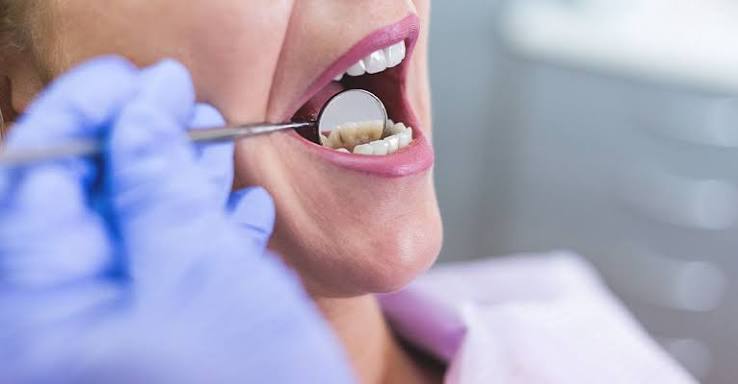
If you’re wondering “why does my front tooth hurt,” the answer usually comes down to thinner enamel, hidden decay, gum changes, or pressure from somewhere else entirely, like your sinuses. Front teeth take on more exposure to temperature and habits than back teeth, which makes them prone to their own set of problems.
This guide covers every common cause of front tooth pain, how to tell them apart, simple relief steps, and exactly when it’s time to call a dentist.
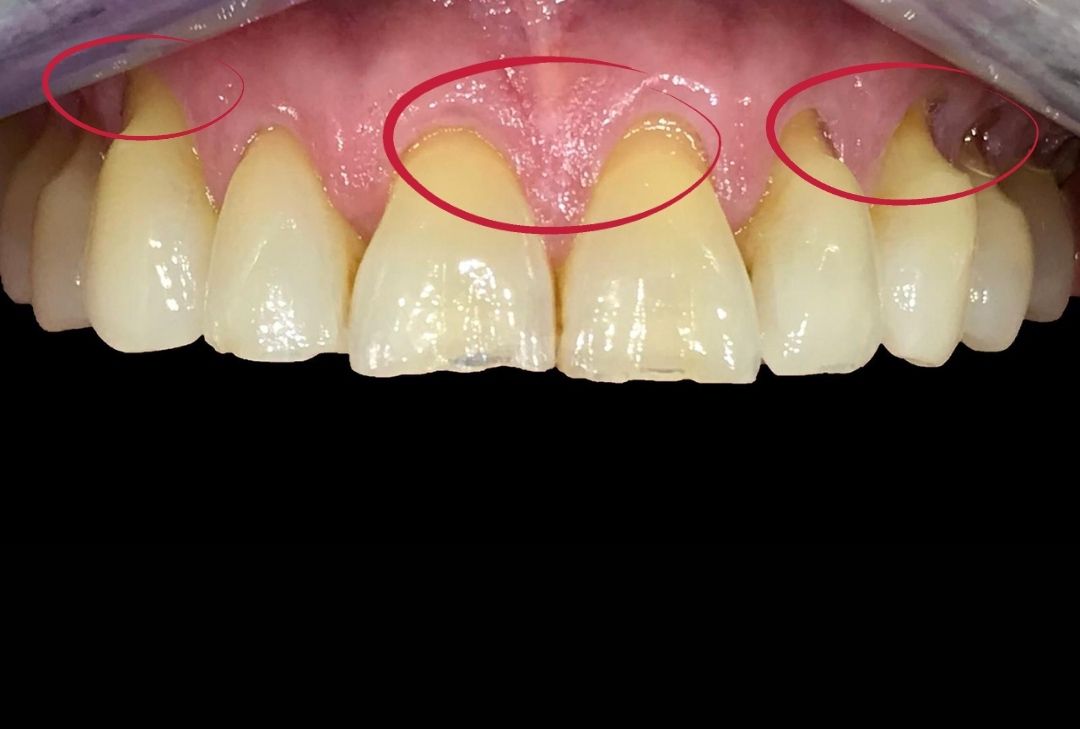
Front tooth pain is often caused by enamel erosion, an early cavity, gum recession, or a cracked tooth from biting something hard. Front teeth, also known as incisors, tend to be exposed to more environmental factors than back teeth, and they have thinner enamel — one reason they can be more sensitive.
Front teeth work differently than molars, and that changes how they react to problems. They come into contact with temperature changes first and often bear the brunt of habits that can be harmful to teeth, which makes them one of the first to show sensitivity.
Because the enamel layer is thinner here, minor damage shows up faster. Thin enamel exposes the nerves more easily, causing sensitivity — one of the most common reasons front teeth react before other teeth do.
Front teeth are not immune to cavities, even though people often assume decay only affects back teeth. They can develop cavities too, especially if plaque builds up or oral hygiene is inconsistent, and even small cavities in front teeth can cause significant discomfort.
Decay isn’t always visible at first. Roughly 26% of American adults have untreated tooth decay, and it often causes cavities that are hard to detect in the early stages.
Worn enamel is one of the most common triggers for sharp front tooth pain. Sensitive teeth can be a sign of enamel loss, and exposed dentin can make it painful to eat or drink something hot, cold, sweet, or sour.
When gums pull back, the sensitive root surface becomes exposed. Gum recession causes tooth roots to become exposed, which triggers pain, and it’s one of the usual culprits behind sudden front tooth sensitivity.
A crack doesn’t have to be visible to cause pain. Sharp tooth pain when biting down on food is often a sign of a cracked tooth.
A blow to the mouth can cause damage that isn’t obvious right away. Delayed pain is common with dental trauma, since the pulp may take time to develop inflammation or infection, and microscopic cracks can worsen gradually.
A tooth that darkens after an injury is a warning sign, since discoloration after trauma signals internal damage that needs attention.
Your upper front teeth sit close to your sinus cavities. The maxillary sinuses sit right above the upper jaw, and when sinus pressure builds, it can compress the nerves connected to your teeth, causing what’s called a sinus toothache.
Grinding puts repeated stress on your teeth, including the front ones. Bruxism is a common cause of aching teeth, and if left untreated, chronic tooth grinding can wear away enamel, putting teeth at increased risk for infection or decay.
Inflamed gums can radiate pain directly to the front teeth. Look out for swelling, redness, or bleeding when brushing or flossing as signs that an infection may be involved.
Some sensitivity after treatment is expected and temporary. Whitening products or fillings can cause a short-lived increase in sensitivity in your front teeth.
Not every front tooth ache comes from the tooth itself. Conditions that affect your nerves, sinuses, or jaw can also cause dental-feeling pain, and knowing the difference helps you get the right care. Pain related to a TMJ disorder, in particular, can be hard to distinguish from pain caused by other dental issues.

| Feature | Dental Pain | Non-Dental Pain (Sinus/TMJ/Nerve) |
|---|---|---|
| Location | Usually one specific tooth | Broader jaw or facial area |
| Pattern | Comes and goes, worsens with hot/cold or biting | More constant, throbbing |
| Triggers | Temperature, chewing, sugar | Congestion, jaw movement, stress |
| Dentist exam | Cavity, crack, or infection found | Teeth appear healthy |
| Relief method | Dental treatment fixes it | Requires medical evaluation |
A typical toothache comes and goes and gets worse when the tooth is exposed to hot or cold foods or when chewing or biting with that tooth, while non-dental facial pain tends to be more constant and isn’t limited to one tooth.
Some symptoms mean you shouldn’t wait for a routine appointment. Unbearable tooth pain along with fever and chills means you’re likely having a dental emergency, and you should call a dentist or go to the nearest emergency room right away.
Trauma to a front tooth also needs prompt evaluation, even if the pain feels manageable. Even if pain seems mild or fades temporarily, it’s important to have a dentist evaluate any injury to your front teeth, since early intervention can prevent infections, nerve damage, or tooth loss.
Rinsing with warm salt water and using a desensitizing toothpaste can help ease discomfort, along with avoiding extremely hot or cold foods until the pain subsides.
| Cause | Typical Symptoms | Common Treatment |
|---|---|---|
| Cavity or decay | Gradual pain, discoloration | Filling, cleaning |
| Enamel erosion/sensitivity | Pain with hot, cold, or sweet | Desensitizing toothpaste, fluoride |
| Gum recession | Root exposure, sensitivity | Bonding, sealants, gum treatment |
| Cracked tooth | Sharp pain when biting | Bonding, crown, root canal |
| Dental trauma | Pain after injury, discoloration | Monitoring, root canal if needed |
| Sinus pressure | Pain in multiple upper teeth | Sinus treatment, decongestants |
| Bruxism | Aching teeth, worn enamel | Night guard, bite adjustment |
| Gum disease | Swelling, bleeding gums | Deep cleaning, periodontal care |
| Approach | Pros | Cons |
|---|---|---|
| Desensitizing toothpaste | Easy, affordable, gradual relief | Takes days to weeks to work |
| Salt water rinse | Gentle, reduces bacteria | Doesn’t fix structural damage |
| OTC pain relievers | Fast, accessible | Temporary, doesn’t treat the cause |
| Soft-bristled brush | Prevents further enamel wear | Won’t reverse existing damage |
| Cold compress | Reduces swelling from trauma | Not effective for cavity-related pain |
Pain that lingers or keeps returning is a signal worth acting on. If front tooth pain lingers or keeps coming back, it’s time to book an appointment, since ignoring early signs often leads to more complex problems.
Persistent sensitivity is also worth checking, even if it seems mild — discomfort that continues for more than a few days deserves a look, even if it doesn’t seem serious at first.

A tooth that “looks fine” isn’t always fine. If your dentist says your teeth look fine but pain continues, it might be time to get a second opinion from a medical provider, since nerve, sinus, or jaw-related conditions can mimic dental pain.
This usually points to a crack, a loose filling, or an area of decay that puts pressure on the nerve when force is applied.
Yes. Front teeth can develop cavities just like molars, especially where plaque builds up near the gumline.
Pain without visible damage can come from enamel erosion, early decay, sinus pressure, or referred pain from the jaw or nerves.
Yes. Upper front teeth sit close to the sinus cavities, so congestion or infection can create pressure that feels like tooth pain.
Whitening products can temporarily increase sensitivity by affecting the outer enamel layer, which usually resolves within a few days.
Occasional sensitivity to cold air can happen with thin enamel, but pain that’s frequent or severe is worth having checked.
Yes. Bruxism puts repeated stress on all teeth, including the front ones, and can wear down enamel over time.
Even minor trauma can cause internal nerve inflammation that takes hours or days to become noticeable.
Yes. A darkening tooth after trauma can signal internal damage and should be checked by a dentist.
Yes. Exposed tooth roots from gum recession are more sensitive to temperature and pressure, even without any decay.
Sinus-related pain usually affects several upper teeth at once and comes with congestion, while dental pain is typically isolated to one tooth.
Indirectly, yes. Stress often leads to jaw clenching or teeth grinding, which can strain the front teeth and cause soreness.
Lying down can increase blood flow and pressure in an inflamed tooth, making pain feel more noticeable at night.
Yes. TMJ-related pain can radiate to the teeth, including the front ones, and may be mistaken for a dental problem.
Mild sensitivity for a few days to a couple of weeks is common, but pain that persists longer should be evaluated.
Sweet sensitivity usually points to enamel erosion or an early cavity that exposes the nerve-rich dentin layer.
Yes. Even a small chip can expose sensitive inner layers of the tooth and cause noticeable pain.
Ibuprofen is often recommended for its anti-inflammatory effect, though acetaminophen is a safe alternative if needed.
Treat it as an emergency if you have severe pain with fever, swelling, or a recent traumatic injury to the tooth.
Yes. Brushing too hard can wear down enamel and irritate gums, both of which can lead to front tooth sensitivity.
Front tooth pain can come from something as simple as sensitivity or as serious as decay, trauma, or infection. Because front teeth have thinner enamel and more exposure to daily wear, they often show symptoms early. If the pain lasts more than a day or two, or comes with swelling, discoloration, or fever, it’s time to have a dentist take a closer look.