
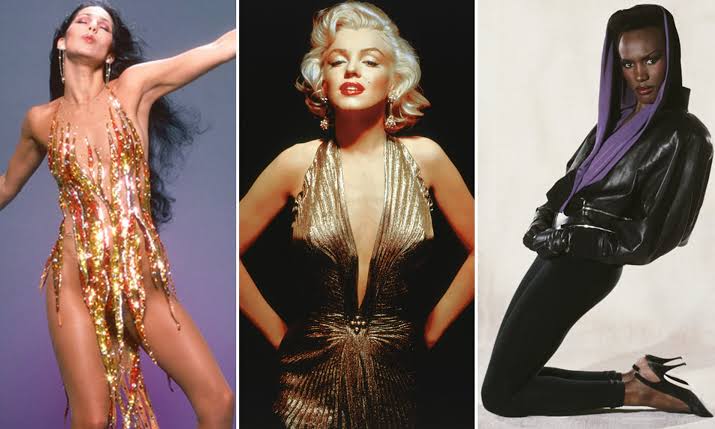
Scroll through any red carpet arrival gallery or paparazzi shot of a celebrity grabbing coffee, and a pattern starts to emerge fast. The clothes change season to season, the handbags rotate, but a certain kind of sunglasses silhouette keeps showing up again and again on the women whose style actually holds up over time. It’s rarely the loudest piece in the outfit. It’s usually the one doing the most quiet work.
The Frame Behind the Signature Look
A lot of that silhouette traces back to one name: Tom Ford women’s sunglasses that style icons reach for again and again tend to share a few unmistakable traits, oversized but structured shapes, a metal “T” hinge detail at the temple, and lenses built to flatter rather than just shade. It’s a look that reads as effortless from a distance but is actually the product of deliberate, meticulous design, which is exactly the kind of detail that separates an accessory people remember from one they forget the moment they look away.
Why the Name Carries So Much Weight
To understand why that design language holds up, it helps to know where it came from. Tom Ford built his reputation first as the designer who revived Gucci in the 1990s, transforming what Vogue once called a “logo-laden” brand into one defined by a very different kind of sex appeal, before doing the same for Yves Saint Laurent and eventually launching his own label in 2005. That track record of taking an aesthetic and making it unmistakably his own is the same instinct that shows up in every pair of sunglasses carrying his name. The eyewear isn’t a side project tacked onto a fashion empire. It’s a continuation of the exact same design philosophy that made him one of the most influential names in modern luxury.
A Wardrobe Built Around a Few Statement Pieces
This is really a specific application of a much broader style principle. A well-curated wardrobe isn’t about owning dozens of pieces; it’s about building around a handful of timeless, versatile ones that do a disproportionate amount of the visual work. Sunglasses fit that logic perfectly. A single, genuinely excellent pair can anchor a dozen different outfits across a dozen different occasions, which makes the case for investing in one strong option instead of cycling through several forgettable ones.
The Legacy That Keeps This Relevant
It’s also worth remembering that this isn’t a new phenomenon dressed up as a trend. Style icons across generations have understood that a signature accessory can define a public image as much as any single outfit does. Supermodels who defined entire eras of fashion built careers on exactly this kind of visual consistency, a handful of recognizable choices repeated and refined until they became inseparable from the person wearing them. A great pair of sunglasses works the same way at a more personal, everyday scale: wear the same excellent pair often enough, and it stops being an accessory and starts being part of how people picture you.
What Actually Makes a Frame Worth the Investment
Beyond the name on the frame, a few concrete details separate a genuinely well-made pair from one that simply looks the part in a photo. Acetate quality matters more than most people realize, a well-made frame should feel substantial without being heavy, and should hold its shape after being worn in heat or tossed into a bag. Hinge construction is another detail worth checking closely, since a loose or poorly built hinge is usually the first thing to fail on a cheaper frame. And lens clarity, not just tint, affects how the world actually looks through the glasses, not just how the face looks from the outside.
The Function Underneath the Fashion
It’s easy to get swept up in silhouette and forget that sunglasses still have one non-negotiable job. The single most important spec on any pair, regardless of how striking the design is, is 100% protection from UVA and UVB rays. A beautifully designed frame that skips that basic protection isn’t actually doing its job, no matter how well it photographs. The reassuring part is that a genuinely well-made designer pair is generally built to meet that standard as a baseline, which means the real decision comes down to the part that’s actually fun: shape, finish, and how it makes you feel putting it on.
Choosing the Shape That Actually Suits You
Before chasing whatever silhouette is trending, it’s worth thinking honestly about face shape the way any good stylist would. Rounder faces often look sharper in a more angular, structured frame, since the contrast flatters rather than echoes the face’s natural curves. Angular, more defined faces tend to soften nicely in a rounder or slightly curved silhouette. Oval faces have the most flexibility and can generally carry almost any shape well. None of this means avoiding a bold, oversized frame entirely. It just means picking the specific version of that trend that’s actually proportioned for your own features, rather than the one that happened to look best on someone else’s face in a magazine.
Building a Look Around One Excellent Pair
The most efficient way to build a sunglasses wardrobe isn’t chasing every new silhouette each season. It’s identifying one or two shapes that consistently work for your face and your existing style, investing properly in those, and treating anything else as a seasonal experiment rather than a replacement. A classic, well-proportioned frame in a neutral tone will outlast almost any passing micro-trend, while a bolder, more architectural pair can be the single piece that updates a familiar outfit without requiring anything else in the wardrobe to change.
Final Thoughts
The best accessories have always done two things at once: they look effortless, and they say something specific about the person wearing them without requiring a word of explanation. A great pair of designer sunglasses checks both boxes in a way surprisingly few other accessories manage, equal parts fashion statement and genuine eye protection, built to last well beyond a single season. Whether the goal is a timeless everyday pair or something bold enough to anchor an entire look, the detail that actually matters is simple: choose the frame that makes your face and your personal style feel unmistakably like you, the same instinct that’s defined every great style icon long before sunglasses ever became a red carpet staple.