
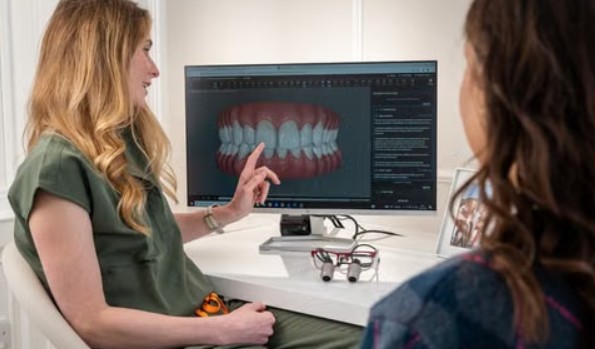
Choosing the right dental provider is an important step for anyone considering orthodontic treatment. dePacific Dental braces clinic in Singapore provides an option for people exploring braces and looking for professional dental care. For those researching a braces clinic in Singapore, understanding the treatment process, available options, and factors to consider can make it easier to approach orthodontic care with confidence.
Orthodontic treatment focuses on improving the alignment and positioning of the teeth and, in some cases, the bite. Braces use controlled pressure to gradually guide teeth towards their planned positions over a period of time.
People may consider braces because of crowded teeth, gaps, crooked teeth or certain bite concerns. The appropriate treatment depends on the individual’s dental structure, oral health and desired outcome.
A dental consultation is usually the starting point. The dental professional can assess the teeth and discuss whether braces are suitable.
Orthodontic treatment usually involves multiple appointments over an extended period. Choosing a suitable clinic can therefore affect the overall treatment experience.
Patients may wish to consider the clinic’s range of orthodontic services, approach to treatment planning and the level of follow-up care provided. Communication is also useful, as patients should feel comfortable asking questions about their treatment.
A clinic that takes time to explain the process can help patients understand what to expect before committing to treatment.
People searching for a braces clinic Singapore may encounter different types of orthodontic appliances. Traditional metal braces remain widely used and consist of brackets and wires that apply controlled pressure to the teeth.
Ceramic braces are another option. They use tooth-coloured or less noticeable brackets, which can appeal to people who prefer a more discreet appearance.
The choice between different types of braces depends on factors such as the complexity of the dental issue, aesthetic preferences and the recommendation of the dental professional.
An initial consultation provides an opportunity to assess the condition of the teeth and discuss orthodontic concerns. The dental professional may examine tooth alignment, spacing and the patient’s bite.
Relevant dental records may also be taken as part of the assessment and treatment planning process. Based on the findings, the dentist can explain potential treatment options and provide information about what the process may involve.
Patients can use this appointment to ask questions about expected treatment duration, appointment frequency, oral hygiene and aftercare.
Once a treatment plan has been established, the braces are fitted and the teeth are monitored through regular appointments. Adjustments may be made throughout the treatment period to continue guiding the teeth.
Some pressure or mild discomfort can occur after braces are first fitted or adjusted. This generally forms part of the process as the teeth gradually respond to the orthodontic forces.
Treatment duration varies depending on the individual. More complex alignment issues may require a longer treatment period than relatively minor concerns.
Good oral hygiene becomes particularly important during orthodontic treatment. Brackets and wires can create additional areas where food particles and plaque may collect.
Patients should brush carefully around the braces and clean between the teeth as recommended by their dental professional. Regular dental check-ups can also help monitor overall oral health throughout treatment.
Diet may require some adjustments as well. Hard or sticky foods can damage braces, so following the clinic’s recommendations can help reduce the risk of broken brackets or wires.
Cost is naturally an important consideration when selecting orthodontic treatment. Patients should look beyond the initial price and understand what is included in the overall treatment plan.
Questions about consultation fees, braces, adjustment appointments, retainers and follow-up care can help provide a clearer picture of the total commitment.
Patients should also consider the time involved. Braces generally require regular appointments, so choosing a clinic that is convenient and fits into one’s schedule can make ongoing treatment easier to manage.
The treatment process does not necessarily end when the braces are removed. Teeth can naturally shift after orthodontic treatment, which is why retainers are commonly recommended.
Retainers help maintain the position achieved during treatment. The type of retainer and wearing schedule can vary depending on the patient’s needs.
Following the dental professional’s instructions for retainer use can help maintain the results and support long-term alignment.
Choosing a suitable braces clinic Singapore can make a significant difference to the orthodontic treatment experience. Patients should consider the available braces options, treatment approach, professional guidance, cost and ongoing follow-up care before making a decision.
For those considering dePacific Dental braces clinic in Singapore, arranging a consultation can be a useful first step towards understanding their orthodontic needs and available treatment options. With proper planning, regular appointments and consistent oral care, braces can help support improved dental alignment and a more confident smile.