
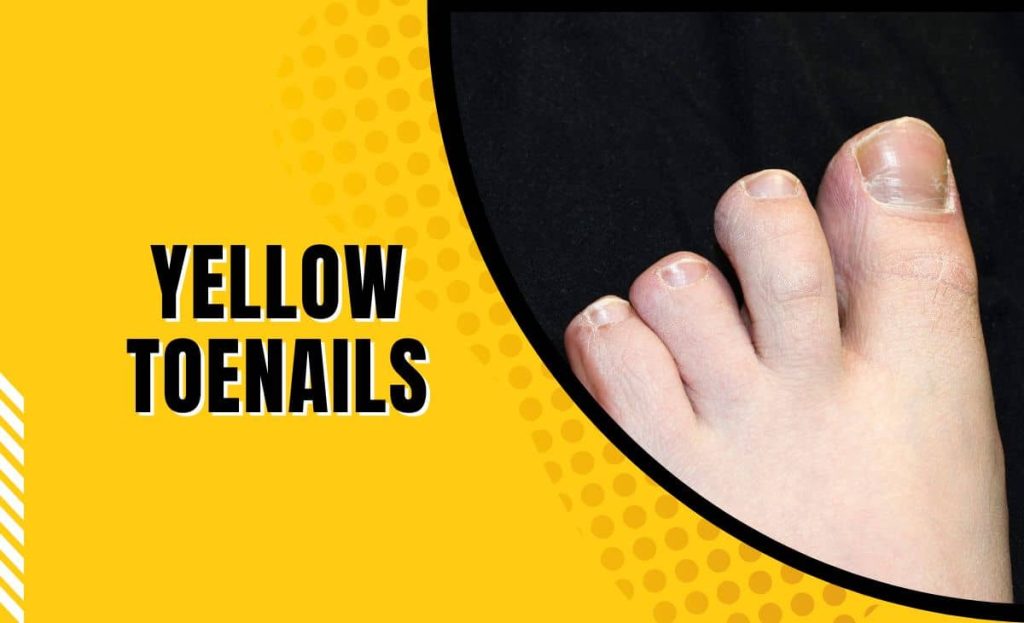
Why are my toenails yellow — this is one of the most searched foot health questions online, and for good reason. Yellow toenails affect millions of people every year and can signal anything from a simple nail polish stain to a stubborn fungal infection.
The good news is that most causes are treatable at home or with basic medical help.
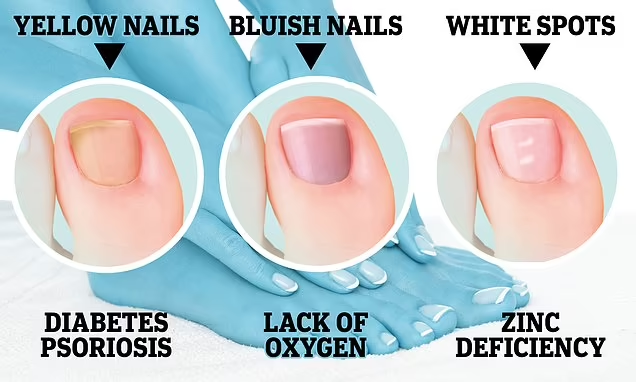
Yellow toenails do not happen for one single reason. There are several causes — some harmless, some needing treatment.
Understanding the root cause is the most important step before choosing any fix.
Toenail fungus, medically called onychomycosis, is the leading reason why toenails turn yellow. It affects roughly 10% of all adults and up to 50% of people over age 70.
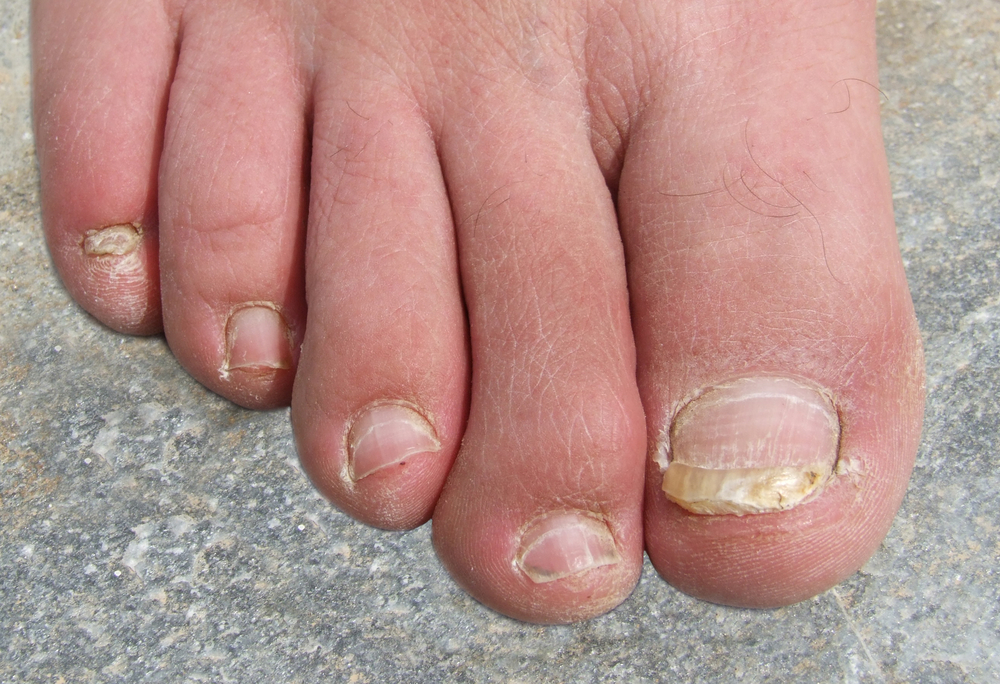
Fungi thrive in warm, moist environments — inside your shoes, in locker rooms, and around pool decks. Once the fungus gets under the nail through a tiny crack or break in the skin, it feeds on keratin and causes the nail to discolor.
Signs it is toenail fungus:
The most common fungal subtypes are distal subungual onychomycosis (affects the nail tip and underside) and candida yeast infection. Both need antifungal treatment to clear up.
Wearing dark red, orange, or yellow nail polish — especially without a base coat — is a very common and completely harmless cause of yellow toenails.
The pigments in darker polishes seep into the nail plate over time. When you remove the polish, the stain stays behind.
This type of yellowing is purely cosmetic. It will grow out on its own as the nail grows. No medical treatment is needed.
Quick fix: Let nails breathe for 2–4 weeks, soak in diluted vinegar (1 part vinegar, 4 parts water), and always use a clear base coat before colored polish.
As you get older, your toenails naturally change. Blood circulation to the feet decreases, nail growth slows down, and the nail plate gets thicker. All of these changes can produce a yellow or yellowish-brown color.
This is normal and harmless in most cases. However, thicker nails in older adults are more vulnerable to fungal infections, so it is important to keep an eye on other symptoms.
Diabetes is a well-known contributor to yellow toenails. It affects nail color in two main ways.
First, high blood sugar can break down collagen, which alters the structure of the nail plate and causes discoloration. Second, diabetes weakens the immune system, making the feet much more susceptible to fungal infections.
People with diabetes should never ignore yellow toenails. Even a minor fungal infection can escalate into a serious foot problem without proper care.
If you have plaque psoriasis, there is roughly a 90% chance you will also develop nail psoriasis at some point. Nail psoriasis causes yellowing, pitting, thickening, and even separation of the nail from the nail bed.
Treatment depends on the severity. A dermatologist may recommend steroid injections directly into the nail cuticle or systemic biologic medications for widespread skin involvement.
Yellow nail syndrome is a rare genetic disorder that causes the nails to turn pale yellow or greenish, grow extremely slowly, become thick, and sometimes fall off entirely.
It is linked to respiratory conditions (like chronic lung infections or bronchiectasis) and lymphedema — a swelling of the legs caused by fluid buildup in the lymphatic system.
If your yellow nails are accompanied by breathing problems or leg swelling, see a doctor immediately. Treatment involves managing the underlying condition, vitamin E supplements, and sometimes corticosteroids.
Several other conditions can also cause yellow toenails, including:
| Medical Condition | How It Affects Nails |
|---|---|
| Tuberculosis | Disrupts blood flow and nail nutrition |
| Jaundice (liver disease) | Yellow pigment deposits in nails |
| Bronchiectasis | Slows nail growth and alters color |
| Peripheral vascular disease | Reduces circulation to the extremities |
| Rheumatoid arthritis | Can trigger yellow nail syndrome |
| Thyroid disease | Associated with nail discoloration |
Repeated pressure, tight shoes, or a direct injury to the toenail can cause the nail bed to bruise or the nail plate to discolor as it grows out.
This is especially common with the big toenail because it absorbs the most pressure during walking and running. The yellowing in this case is usually temporary and fades as the nail grows.
Ingrown toenails create a pocket between the nail and skin where bacteria can collect. Inflammation and minor infection in this area can change the color of the nail.
The nail may appear yellow or brownish along the edge where it is growing into the skin.
Deficiencies in certain vitamins — especially vitamin E — have been linked to yellowish nail discoloration. Poor nutrition affects keratin production and overall nail health.
Eating a balanced diet and considering a vitamin E supplement can make a visible difference in nail color and strength over time.
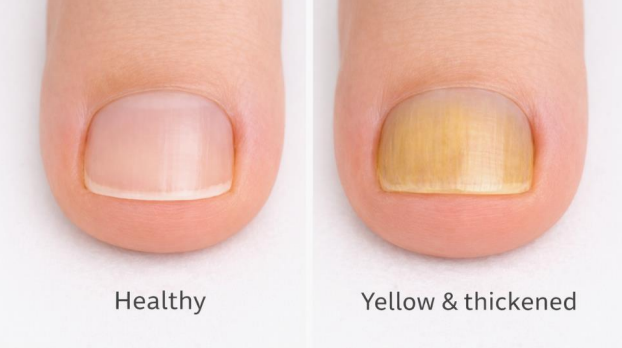
Now for the part you really came for — how to actually fix yellow toenails.
The right treatment depends entirely on the cause. Here is a full breakdown.
Tea Tree Oil
Tea tree oil has natural antifungal and antibacterial properties. Apply it directly to the affected nail with a cotton ball once or twice a day.
Research is mixed, but several small studies show it can slow fungal growth. It works best for mild or early-stage infections.
Vicks VapoRub
This is one of the more surprising home remedies — but it actually has some evidence behind it. A 2024 study found that 83% of participants with toenail fungus saw improvement using Vicks VapoRub as a complementary treatment.
Apply a thin layer to the nail each night and cover with a sock. Results take months, but many people see gradual improvement.
Baking Soda Soak
Soaking your feet in warm water mixed with baking soda creates an alkaline environment that inhibits fungal growth. Do this for 15–20 minutes, 2–3 times a week.
This method also helps soften thick nails, making topical treatments more effective at penetrating the nail plate.
Apple Cider Vinegar Soak
Vinegar creates an acidic environment that discourages fungal growth. Mix equal parts apple cider vinegar and warm water and soak your feet for 20 minutes daily.
It also helps clear up nail polish staining. For stain removal specifically, try 1 part vinegar to 4 parts water.
Coconut Oil
Coconut oil contains caprylic acid, which has antifungal properties. Rub it into the nail and surrounding skin twice a day.
It works best as a supporting treatment alongside other remedies rather than as a standalone fix.
Vitamin E Oil
Applying vitamin E oil directly to the nail can help with nail discoloration caused by nutrient deficiency or yellow nail syndrome. It also helps nails stay moisturized and flexible.
| OTC Product Type | How It Works | Best For |
|---|---|---|
| Antifungal nail cream | Applied to nail surface | Mild fungal infections |
| Antifungal powder | Applied to shoes and feet | Prevention and mild cases |
| Antifungal nail polish | Applied like nail polish | Early-stage onychomycosis |
| Nail filing kit | Thins the nail for better absorption | Improving OTC cream penetration |
OTC options work best for mild infections. If the infection has spread to multiple nails or is deeply embedded under the nail plate, you will likely need prescription treatment.
Ciclopirox (Penlac/Cicloda)
This is one of the most commonly prescribed topical antifungal medications. It is applied to the nail like nail polish once a day.
Ciclopirox works by targeting the fungal cell membrane. Treatment usually lasts 48 weeks.
Oral Antifungal Medications
For more severe infections, oral antifungal drugs (like terbinafine or itraconazole) are significantly more effective than topical treatments. They work through the bloodstream to attack fungus from underneath the nail.
Treatment typically runs 6–12 weeks for toenails. Side effects are possible, so a doctor will monitor liver function during the course.
Laser Treatment
Laser therapy for toenail fungus is an emerging option. A podiatrist uses targeted laser energy to destroy the fungus under the nail without damaging surrounding tissue.
It is not always covered by insurance, but results are generally faster than medication-only approaches.
Nail Debridement
A podiatrist can trim, thin, or partially remove an infected nail to reduce the infected nail matter and improve how well topical treatments penetrate.
This is often done alongside topical or oral antifungal medication for better results.
Even the best treatment will not work well if you do not fix the habits that caused the problem in the first place.
Daily habits that help:
Keep your feet clean and completely dry after washing. Fungi love moisture — do not give it any.
Trim your toenails straight across with clean clippers. Rounding the edges can lead to ingrown nails and more entry points for fungus.
Change your socks every day. Choose moisture-wicking or breathable materials over cotton, which holds moisture.
Rotate your shoes so they dry out fully between wears. Spray the inside of old shoes with antifungal powder or spray regularly.
Wear flip-flops or shower shoes in public locker rooms, pool areas, and gym showers — every single time.
Do not share nail clippers, files, or towels with others.
Always apply a clear base coat before colored nail polish to create a protective barrier.
Most yellow toenail cases can be treated at home or with OTC products. However, some situations require professional evaluation.
See a doctor if:
A podiatrist can collect nail clippings for lab analysis to confirm whether a fungal infection is present and what type it is — which helps determine the most effective treatment.
Prevention is always easier than treatment. Once you have had toenail fungus, you are more prone to getting it again.
Prevention checklist:
| Habit | Frequency |
|---|---|
| Wash and dry feet thoroughly | Daily |
| Change socks | Daily |
| Trim nails straight across | Every 1–2 weeks |
| Apply antifungal powder to shoes | Weekly |
| Wear flip-flops in public wet areas | Every time |
| Inspect nails for early discoloration | Weekly |
| Use a base coat before nail polish | Every time |
| Get fitted for proper shoe size | Annually |
Wearing properly fitted shoes is critical. Feet can change shape and size with weight fluctuations and age. Shoes that are too tight cause repeated trauma to the big toenail — one of the most common causes of nail discoloration in runners and athletes.
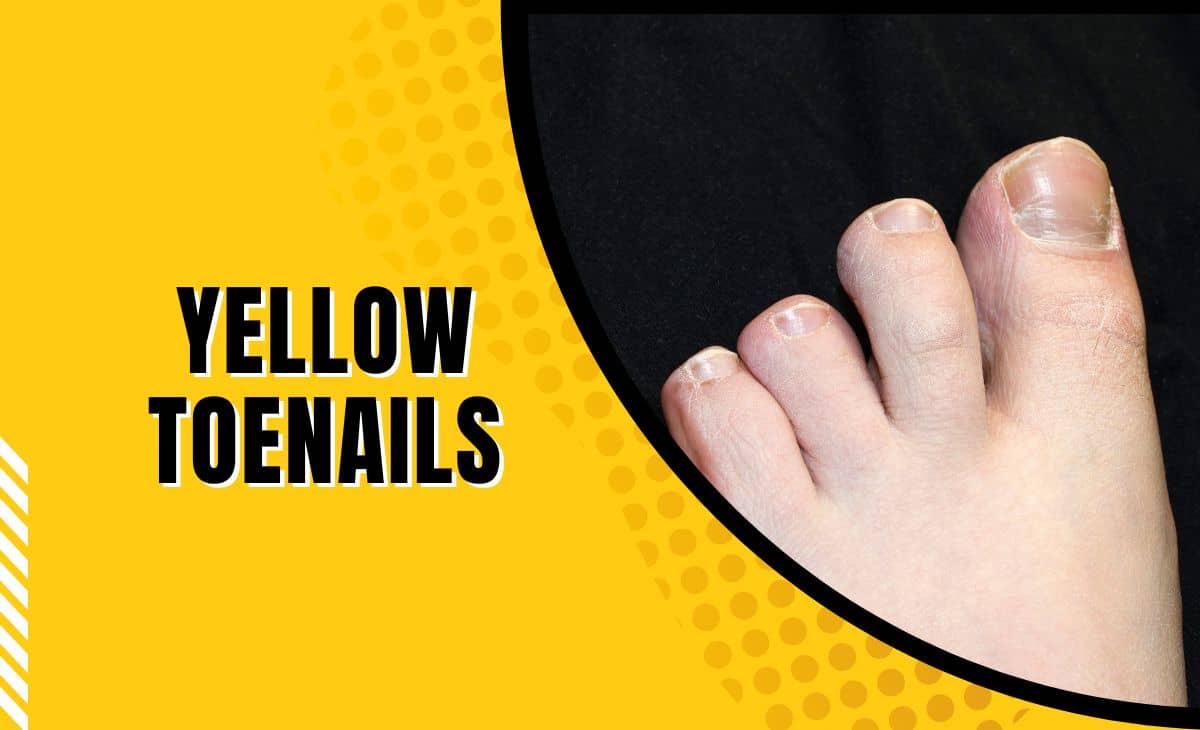
Not all yellow toenails are fungal. Here is how to quickly narrow down the cause.
| Symptom Pattern | Most Likely Cause |
|---|---|
| Yellow + thick + crumbly + smell | Toenail fungus (onychomycosis) |
| Yellow + was wearing dark nail polish | Nail polish stain |
| Yellow + thick + no other symptoms + older age | Natural aging |
| Yellow + have diabetes + gradual onset | Diabetes-related discoloration or fungus |
| Yellow + skin psoriasis elsewhere on body | Nail psoriasis |
| Yellow + leg swelling + breathing problems | Yellow nail syndrome |
| Yellow on one nail + recent injury | Nail trauma |
| Yellow + mild + no other symptoms | Possibly nail polish or vitamin deficiency |
For fungal infections, oral antifungal medication (prescribed by a doctor) clears the infection the fastest, usually within 6–12 weeks. For cosmetic staining, taking a break from nail polish and soaking nails in diluted vinegar speeds up the clearing process significantly.
If the cause is nail polish staining or minor trauma, yes — yellow toenails will grow out on their own over several weeks. Fungal infections, however, will not resolve without treatment and tend to get worse over time.
Yes, toenail fungus is contagious. It spreads through direct contact with infected surfaces — shared towels, nail tools, shower floors, and even other toenails. Always wear shower shoes in public areas and never share nail care tools.
Research is promising but limited. A 2024 study showed 83% improvement in participants using Vicks as a complementary treatment. It may help with mild infections, but it is not a replacement for prescription antifungal medication in severe cases.
Nail polish staining is flat, affects mainly the surface, and appears after removing polish. Fungal infection makes the nail thicker, crumbly, or foul-smelling, and usually starts at the nail edge or tip and progresses inward.
Topical treatments take 6–12 months. Oral antifungal medications usually work in 6–12 weeks. The full nail, however, takes 12–18 months to grow out completely and look normal again even after the fungus is eliminated.
Yes. Diabetes causes yellow toenails through two mechanisms: high blood sugar breaks down collagen in the nail plate, and a weakened immune system makes fungal infections far more likely. Diabetics should see a podiatrist at the first sign of nail discoloration.
Vitamin E is the most directly linked nutrient to nail discoloration. Biotin, zinc, and vitamin C also support healthy keratin production and overall nail strength. A good multivitamin alongside a balanced diet can visibly improve nail health.
Either is appropriate. Podiatrists specialize in foot health and are an excellent first choice. Dermatologists are better if you also have skin conditions like psoriasis that may be the underlying cause. If you are unsure, start with your primary care doctor.
It is best to avoid nail polish while treating a fungal infection, as polish traps moisture and makes it harder for treatments to penetrate the nail. Once the infection is cleared, always use a clear antifungal base coat before applying colored polish.
Yellow toenails are more common than most people realize, and in 2026, there are more effective fixes available than ever before.
Whether your yellow toenails are caused by toenail fungus, nail polish staining, aging, or an underlying health condition, the right treatment exists for your specific situation.
The key is identifying the cause first and then acting consistently — whether that means a daily tea tree oil application, an antifungal soak, or a prescription from your podiatrist.
Do not ignore yellow toenails, especially if you have diabetes. Start with the home remedies, track your progress, and seek professional help if things are not improving within 4–6 weeks.