
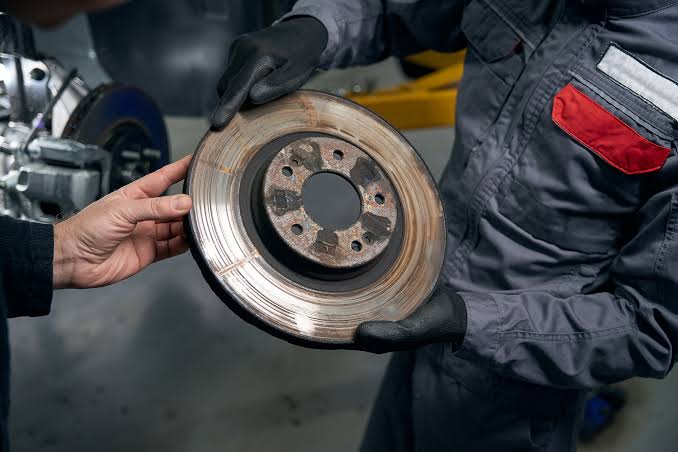
That deep, rhythmic “whop-whop-whop” coming from underneath your car is hard to ignore. It’s loud, unsettling, and doesn’t sound like anything a normal car should make.
If you’re wondering Why Does My Car Sound Like a Helicopter?, you’re dealing with one of a small set of common mechanical issues.
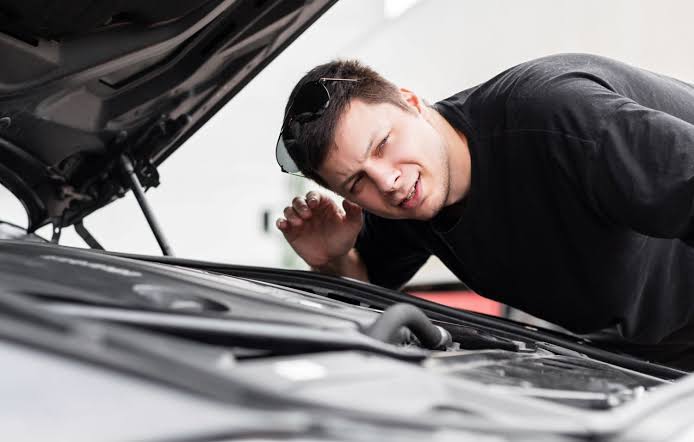
A car that sounds like a helicopter is most often caused by a worn wheel bearing, uneven or damaged tire tread, an exhaust leak, or a loose heat shield vibrating against nearby parts.
The sound typically gets louder as your speed increases, and it often changes when you turn the steering wheel.
A helicopter-like sound is your car’s way of telling you a rotating or vibrating component isn’t working the way it should.
Left unaddressed, many of these causes can worsen quickly and eventually affect handling, braking, or exhaust safety.
Diagnosing it early is almost always cheaper and safer than waiting until the noise gets worse.
Wheel bearings let your wheels spin smoothly while supporting the vehicle’s weight.
When a bearing wears out, it produces a humming or roaring noise that grows louder with speed and often shifts in pitch when you turn.
This is one of the most frequent causes of a helicopter-like sound and typically requires bearing replacement rather than a quick fix.
Tires with cupping, scalloping, or uneven wear patterns can create a rhythmic thumping noise that intensifies as you accelerate.
Internal tire damage, such as separated belts, can produce a similar rotor-like sound even if the tire looks fine from the outside.
Improper alignment, worn suspension parts, or skipped tire rotations are common root causes of this kind of wear.

A crack in the exhaust manifold, a hole in the muffler, or a broken hanger can all cause a loud, droning noise that resembles a low-flying helicopter.
This sound usually gets louder under acceleration and may be accompanied by a stronger exhaust smell.
Exhaust leaks should be repaired quickly, since they can allow exhaust gases to enter the cabin.
Heat shields protect nearby components from engine and exhaust heat, and they’re typically thin, lightweight metal.
When a shield’s mounting clips wear out, it can rattle and vibrate against other parts, creating a chopper-like sound that’s especially noticeable at certain speeds.
This is one of the more affordable fixes, often just requiring the shield to be re-secured or replaced.
Worn control arms, bushings, or shock absorbers can allow extra movement in the suspension, producing noise as the car travels over bumps or uneven pavement.
This often comes paired with a rougher ride quality or a car that feels less stable through turns.
Left unaddressed, worn suspension parts can accelerate tire wear and affect handling safety.
Underinflated tires can flap or thump against the road surface, especially at lower speeds, creating a sound some drivers describe as helicopter-like.
This is one of the easiest causes to rule out, since it only takes a quick pressure check at each tire.
Driving on significantly underinflated tires also increases the risk of a blowout, so it’s worth checking regardly.
| Cause | When It’s Loudest | Extra Warning Signs | Typical Fix Cost Range |
|---|---|---|---|
| Worn wheel bearing | Increases with speed | Noise changes when turning | Moderate to high |
| Damaged or worn tire | Increases with speed | Vibration, uneven tread wear | Low to moderate |
| Exhaust leak | Under acceleration | Stronger exhaust smell | Low to moderate |
| Loose heat shield | Certain speeds or idle | Rattling sound | Low |
| Worn suspension parts | Over bumps or turns | Rougher ride, handling issues | Moderate to high |
| Low tire pressure | Lower speeds | Flapping or thumping sound | Very low |

Acceleration adds speed and load, which makes noises from worn wheel bearings, damaged tires, or exhaust leaks more noticeable and louder.
Low-speed helicopter sounds are often linked to underinflated tires or CV joint issues, both of which are more noticeable when the wheels are turning slower.
It’s best to get it inspected soon rather than keep driving, since several causes, like a failing wheel bearing, can worsen unexpectedly.
Yes, a worn wheel bearing is one of the most common causes and typically produces a hum or roar that grows louder with speed.
This is a classic sign of a wheel bearing issue, since turning shifts weight and load differently onto the bearing that’s wearing out.
Yes, internal issues like separated tire belts can create a rotor-like sound without any obvious visible damage.
Costs vary by vehicle, but wheel bearing replacement is generally a moderate to higher-cost repair compared to simpler fixes like tire balancing.
New tires can occasionally cause noise if they weren’t balanced correctly, or if the tread design itself is naturally louder than your previous set.
Yes, a crack or leak in the exhaust system can create a loud, rhythmic droning sound that many drivers describe as helicopter-like.
This pattern often points to a CV joint or wheel bearing issue, since turning puts extra stress on these specific components.
It can be, especially if it’s related to wheel bearings, suspension parts, or exhaust leaks, all of which affect safety if ignored.
Yes, significantly underinflated tires can flap or thump audibly, particularly at lower speeds.
Try to notice which direction the sound seems loudest from inside the cabin, or have a passenger listen from outside while you drive slowly in a safe area.
A basic check of tire pressure and a visual inspection is safe to do yourself, but diagnosing bearings, suspension, or exhaust issues is best left to a professional.
It’s very unlikely to resolve without repair, since the underlying mechanical wear typically continues or worsens over time.
A car that sounds like a helicopter almost always points back to a handful of usual suspects: worn wheel bearings, damaged tires, exhaust leaks, or a loose heat shield.
Paying attention to when the noise happens, whether it’s speed-related, turn-related, or constant, makes it much easier to narrow down the cause.
If you can’t identify the source yourself, a quick professional inspection can save you from a bigger repair bill and keep your drive safe.