
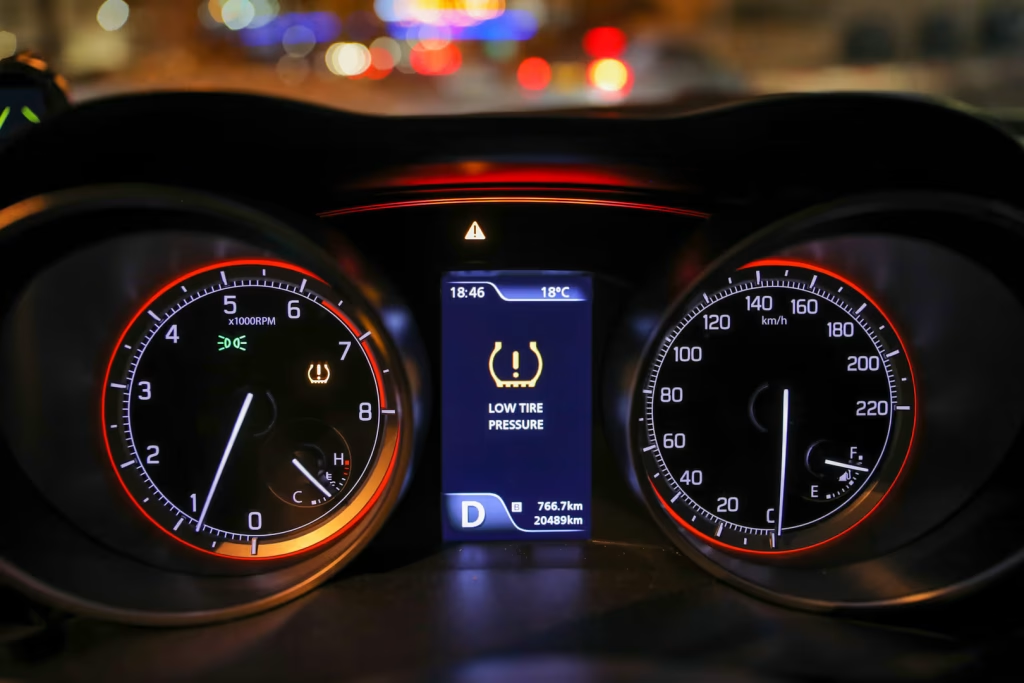
Why is my tire pressure light blinking? It means your Tire Pressure Monitoring System (TPMS) has detected a fault it cannot ignore — and it is telling you something is wrong beyond just low air.
A solid light usually means a tire is underinflated. A blinking light is a different signal entirely.
It points to a sensor failure, dead battery, system malfunction, or a calibration issue.
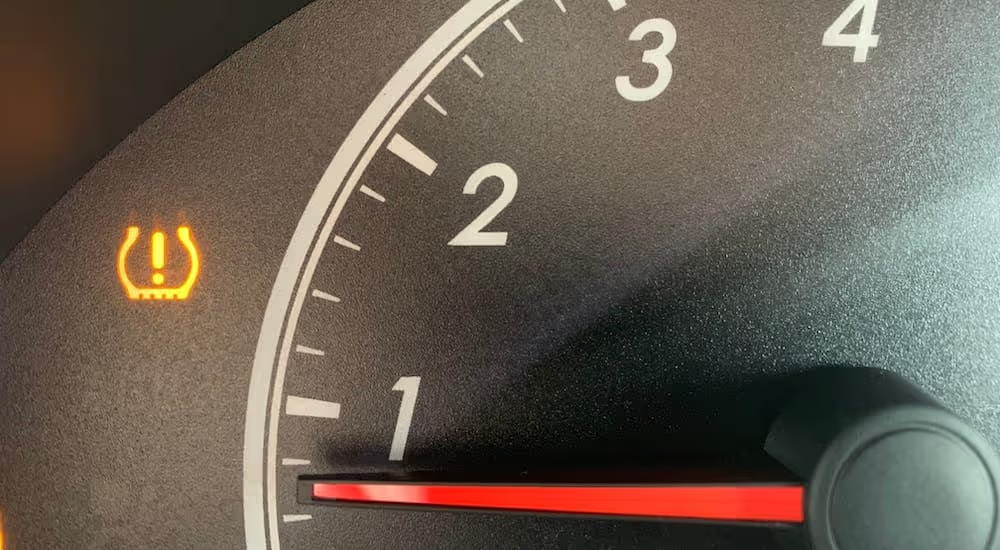
Most drivers confuse these two signals. They look similar on the dashboard but mean very different things.
A solid tire pressure light means at least one tire is 25% or more below the recommended PSI. That is the system working exactly as designed — inflate your tires and the light goes away.
A blinking tire pressure light means the TPMS system itself has a problem. It cannot reliably read one or more sensor signals. The blinking is the system telling you it cannot do its job.
Quick comparison:
| Light Behavior | What It Means | Urgency |
|---|---|---|
| Solid ON | One or more tires low on air | Moderate — inflate soon |
| Blinks for 60–90 sec then stays solid | Sensor fault or system error on startup | High — needs diagnosis |
| Blinks continuously while driving | Active system malfunction | High — check immediately |
| Comes on then goes off | Borderline pressure or temperature shift | Low — monitor closely |
TPMS stands for Tire Pressure Monitoring System. It has been federally required on all new vehicles sold in the United States since 2008.
The system uses sensors mounted inside each wheel to monitor tire pressure in real time. When pressure drops 25% below the manufacturer’s recommendation, the dashboard light activates.
Two types of TPMS exist:
Direct TPMS uses individual pressure sensors inside each tire that transmit actual PSI readings to the vehicle’s computer. Most modern cars use this system.
Indirect TPMS does not use pressure sensors at all. It monitors wheel rotation speeds through the ABS system. An underinflated tire rotates faster, which triggers the alert. This system is simpler but less precise.
When the TPMS light blinks rather than staying solid, it almost always points to a problem in the direct TPMS sensor system — not just tire pressure.
Even though a blinking light often signals a system fault, the first thing to check is always actual tire pressure. Sometimes one tire drops low enough to confuse the sensor into sending intermittent or incorrect signals.
Cold weather is the most common trigger. For every 10°F drop in temperature, tires lose approximately 1 PSI of pressure. A cold overnight snap can drop all four tires below the threshold without any leak present.
Recommended PSI by common vehicle type:
| Vehicle Type | Typical Front PSI | Typical Rear PSI |
|---|---|---|
| Sedan / Compact Car | 32–35 | 30–35 |
| SUV / Crossover | 35–40 | 35–40 |
| Pickup Truck | 35–45 | 40–65 |
| Minivan | 35–41 | 35–41 |
Always use the PSI printed on the sticker inside your driver-side door jamb — not the number on the tire sidewall. The sidewall shows maximum pressure, not recommended pressure.
This is the single most common cause of a blinking TPMS light. TPMS sensors run on small internal lithium batteries that are not replaceable — when the battery dies, the entire sensor must be replaced.
Most TPMS sensor batteries last 5 to 10 years depending on driving frequency, temperature exposure, and the brand of sensor. A dead or weak battery means the sensor stops transmitting. The TPMS module cannot receive a signal, detects the sensor as missing, and triggers a blinking alert.
Signs your sensor battery is failing:
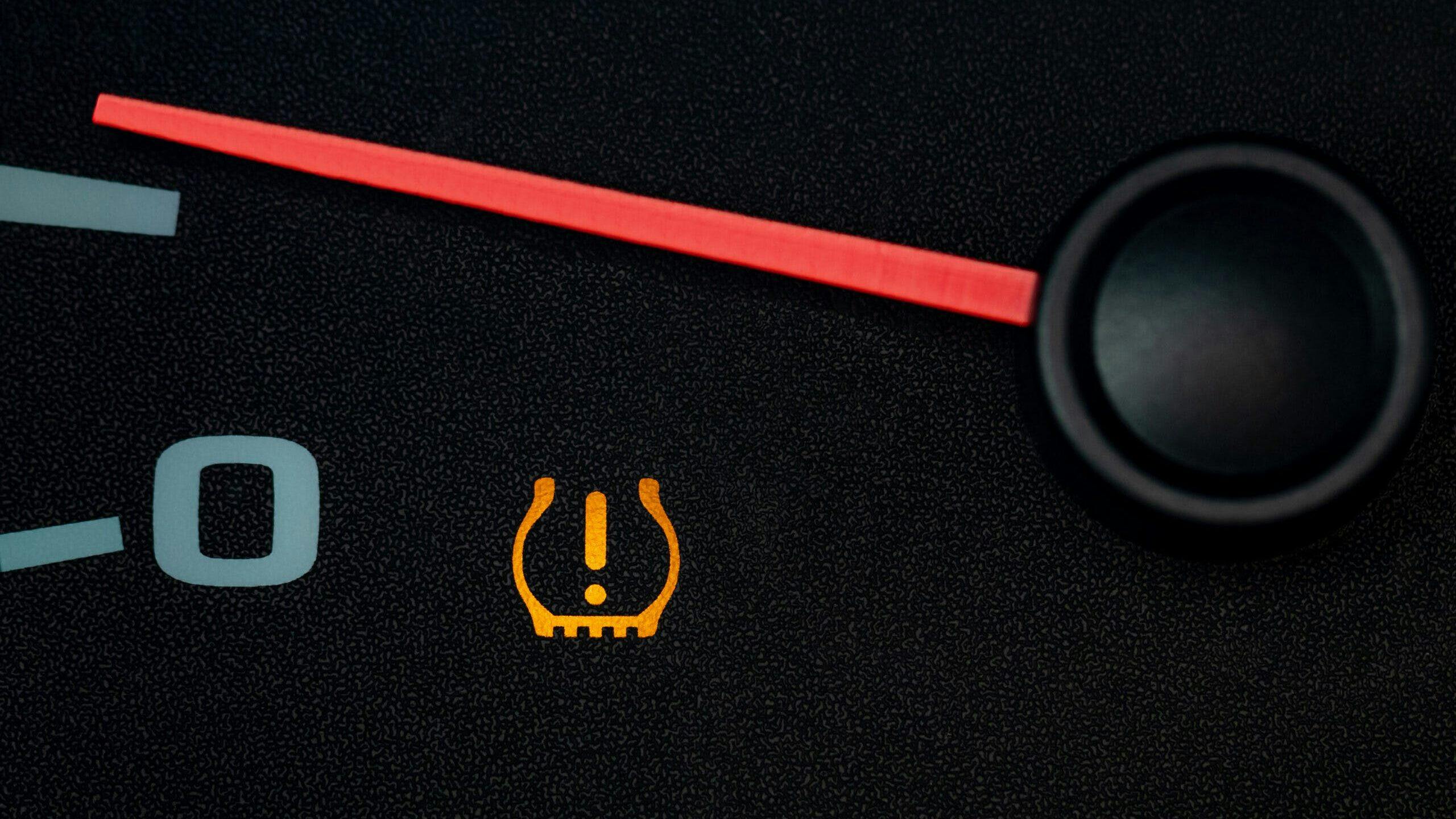
The light blinks at startup and continues blinking even after driving for 10 to 20 minutes. The problem is worse in cold weather since cold reduces battery output. The issue appears on the same tire position consistently every time.
If your vehicle is 7 to 10 years old and you have never replaced TPMS sensors, battery failure is the most likely diagnosis.
Sensor replacement cost:
| Repair Type | DIY Cost | Shop Cost (Per Sensor) |
|---|---|---|
| Sensor replacement only | $20–$60 per sensor | $50–$150 including labor |
| Full set of 4 sensors | $80–$200 parts | $200–$600 at a shop |
| Sensor relearn/programming only | $0 with a scan tool | $25–$75 at a shop |
If your TPMS light started blinking after new tires were installed, a rotation, or after fitting new wheels, the sensors likely lost their calibration or were not reprogrammed.
Each TPMS sensor has a unique ID code registered to your vehicle’s computer. When sensors are moved to different wheel positions (as happens during rotation), many vehicles require a relearn procedure. Without it, the computer looks for a signal in the wrong location and triggers a fault.
New aftermarket wheels can be an even bigger issue. If the installer forgot to transfer the original TPMS sensors to the new wheels, or installed incompatible replacement sensors without programming them, the system will blink every time you start the car.
Always confirm with your tire shop that TPMS sensors were checked, transferred, or reprogrammed after any tire work.
Temperature is a major driver of TPMS alerts, both solid and blinking. Cold air is denser, which means tire pressure drops as temperatures fall.
The blinking version of this problem happens when temperatures fluctuate rapidly. A tire might drop enough pressure on a cold morning to confuse a borderline sensor, then return to normal pressure as the day warms — causing the light to blink and then turn off on its own.
This is especially common in fall and winter when day-to-night temperature swings are largest. It is also more likely on older vehicles where sensors are already near the end of their battery life.
Rule of thumb: For every 10°F temperature drop, expect to lose about 1 PSI across all four tires. A 30°F overnight drop can drop tires by 3 PSI — enough to trigger a warning on vehicles already running at minimum recommended pressure.
Physical damage to a sensor can cause a blinking light even when the battery is fine. Sensors sit inside the wheel, mounted to the valve stem or band-mounted to the rim.
Damage happens from road hazards (potholes, curb strikes), corrosion on the valve stem, or improper tire mounting where the technician accidentally breaks the sensor during dismounting.
A damaged sensor transmits corrupted data or stops transmitting entirely. The TPMS module reads this as a system fault and triggers the blinking alert.
How to identify a damaged sensor: The blinking pattern is tied to one specific wheel position consistently. A TPMS diagnostic scan will show a fault code for that exact sensor ID.
Less common but more serious — the TPMS control module itself can fail. This is the computer component that receives signals from all four sensors and processes them.
A faulty module may fail to communicate with sensors that are actually working fine. It can also send false fault codes, causing blinking even when all sensors and tires are in perfect condition.
Module failure is usually confirmed only after ruling out sensor issues with a diagnostic scan. It typically requires dealer or specialist repair and can cost $150 to $500 depending on the vehicle.
TPMS sensors transmit radio frequency signals, typically at 315 MHz or 433 MHz. In rare cases, nearby interference can disrupt these signals.
Sources of interference include certain aftermarket electronics, proximity to industrial equipment, or even RF-blocking wheel covers. The TPMS module loses the sensor signal and triggers a fault blink.
This type of problem is intermittent and location-dependent. If the light blinks in certain areas and not others, interference is worth considering — though it is the least common cause.
Many vehicles include a TPMS sensor in the spare tire as well. If the spare has a dead sensor battery or low pressure, it can trigger a blinking warning on some vehicle models.
This catches a lot of drivers off guard because they are not thinking about the spare when diagnosing a TPMS issue. Check the spare tire pressure if all four main tires are properly inflated and the light is still blinking.
Follow these steps in order before spending money at a shop.
Use a quality tire pressure gauge on cold tires (driven less than 1 mile). Check all four tires and the spare.
Inflate any low tire to the PSI shown on the driver-side door jamb sticker. Do not use the PSI on the tire sidewall.
After inflating, drive at speeds above 15 mph for 10 to 20 minutes. Many vehicles auto-reset the TPMS once they confirm correct pressure across all sensors.
Many vehicles have a TPMS reset button located under the steering column or in the glove box. Check your owner’s manual for exact location.
Turn the ignition to the ON position without starting the engine. Press and hold the TPMS reset button until the dashboard light blinks three times, then release. Start the car and drive for 20 minutes to allow the system to recalibrate.
This works for many cases where sensors need to re-sync with the control module after a pressure change or minor glitch.
Some vehicles use indirect TPMS or require wheel speed data to auto-recalibrate. Driving above 50 mph for 10 to 20 minutes allows the system to collect speed data from all four wheels and reset automatically.
If the light goes off after highway driving and stays off, the issue was likely a temporary pressure drop or borderline reading.

If the light keeps blinking after steps 1 through 3, connect an OBD2 scanner to your vehicle’s diagnostic port (usually under the dashboard on the driver’s side).
A TPMS-capable scanner reads specific fault codes that identify which sensor is failing, what the exact fault is, and whether the module is reporting errors. Basic OBD2 readers cost $20 to $80. Professional TPMS-specific tools are more expensive but give detailed sensor data including battery voltage and signal strength.
Common TPMS fault codes and what they mean:
| OBD2 Code | Meaning |
|---|---|
| C0750 | Tire pressure sensor fault (general) |
| C0775 | Left rear tire pressure sensor circuit |
| C0765 | Right rear tire pressure sensor circuit |
| C0755 | Right front tire pressure sensor circuit |
| B2477 | TPMS module configuration error |
If the scan confirms a dead or failing sensor, the sensor must be replaced. TPMS sensor batteries are not serviceable — the entire sensor unit is replaced as one piece.
After installing a new sensor, the vehicle’s computer must be programmed with the new sensor’s unique ID. This is called a “relearn procedure” and requires either a TPMS programming tool or a visit to a shop.
Skipping the relearn after sensor replacement will keep the light blinking because the computer still expects to hear from the old sensor ID.
As an absolute last resort, disconnecting the vehicle battery for 15 to 20 minutes can clear some TPMS error codes stored in the computer’s memory.
This is not a fix for a physical sensor problem. It only clears software fault codes. If the underlying issue remains, the light will return within a short drive.
Only try this after all other steps have failed and before committing to an expensive shop visit.
The answer depends on what is causing the blink. Here is a practical guide:
Safe to drive (short term): If all four tires are visually normal and correctly inflated, and the blinking is due to a sensor or calibration issue, driving to a shop is generally safe.
Use caution: If you are unsure whether tires are properly inflated, do not assume the TPMS will warn you accurately. A blinking light means the system may not be monitoring correctly.
Stop and check immediately: If a tire looks visibly low, flat, or if you hear or feel anything unusual (vibration, pulling, noise), pull over and inspect before continuing.
Never ignore a blinking TPMS light for weeks or months. Even if the immediate cause is just a sensor issue, you are driving without a working pressure monitor. The next time a tire actually goes dangerously low, you may not get any warning at all.
Different manufacturers use slightly different reset procedures. Here is a quick reference:
| Brand | Reset Method |
|---|---|
| Toyota / Lexus | Hold TPMS button under steering wheel until light blinks 3x, then drive 20 min |
| Honda / Acura | Calibration button in Settings menu or hold button near steering column |
| Ford / Lincoln | Inflate tires, drive above 25 mph for 2 minutes; some models need a scan tool |
| GM / Chevrolet | Drive above 15 mph for 10 min, or use reset button if equipped |
| BMW / Mercedes | Reinitialize via iDrive or MBUX settings menu under Tires |
| Nissan / Infiniti | Hold TPMS button until light blinks, release, drive 20 min at 16+ mph |
| Jeep / Ram / Dodge | Use SET button in cluster menu or drive at 15–25 mph for several minutes |
Always confirm your exact procedure in the owner’s manual. Incorrect reset attempts on some models can cause the system to enter a fault state that requires a dealer scan tool.
Repair costs vary widely depending on the cause.
| Fix Required | Estimated Cost |
|---|---|
| Inflate tires to correct PSI | $0 (free at gas station) |
| Manual TPMS reset at home | $0 |
| OBD2 scan at auto parts store | $0 (many do it free) |
| Single TPMS sensor replacement | $50–$150 at a shop |
| Full set of 4 sensors replaced | $200–$600 at a shop |
| TPMS relearn/programming only | $25–$75 at a shop |
| TPMS control module replacement | $150–$500 depending on vehicle |
Many auto parts stores (AutoZone, O’Reilly, Advance Auto) will read TPMS fault codes for free. This narrows down the problem before you spend anything.
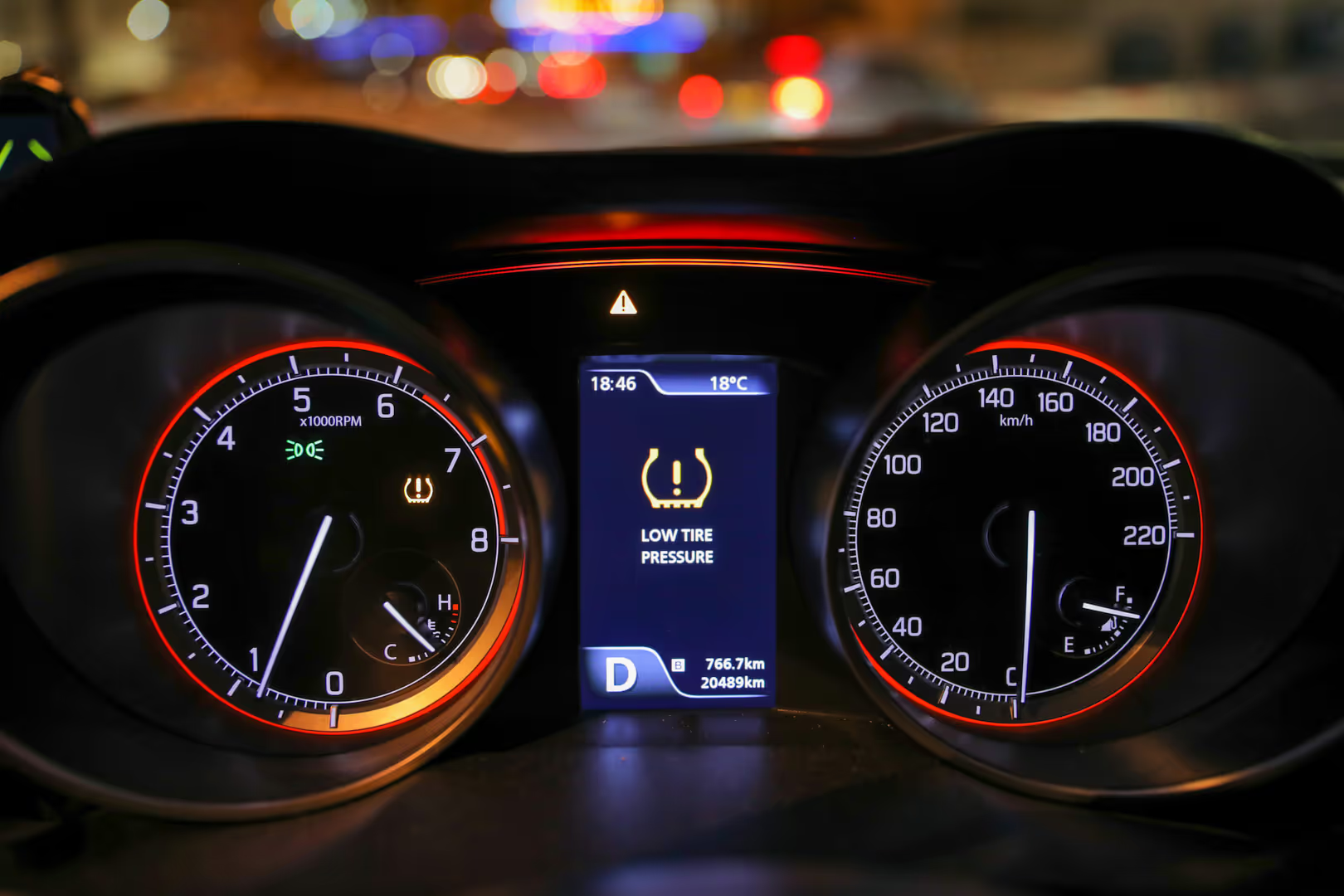
Preventing the blinking light is far easier and cheaper than fixing it after the fact.
Check tire pressure monthly — Use a quality gauge on cold tires every 30 days. Do not rely solely on the TPMS to monitor your pressure.
Adjust for seasons — Inflate tires slightly before winter arrives, since pressure will drop with cold. This keeps you from tripping the threshold on cold mornings.
Tell your shop about TPMS at every service — Remind your tire technician to check, transfer, and reprogram sensors any time tires are rotated, replaced, or new wheels are installed.
Budget for sensor replacement at 7 to 10 years — If your vehicle is approaching this age and has never had sensors replaced, factor in this cost during the next tire service.
Use a quality aftermarket sensor — If sensors must be replaced, choose OEM-quality sensors from brands like Schrader, Continental, or Huf rather than bargain sensors that may not communicate reliably with your vehicle’s computer.
A blinking light with correct tire pressure almost always points to a TPMS sensor issue — usually a dead battery, damaged sensor, or calibration problem after tire work. The tires themselves are fine but the monitoring system has a fault.
It is safe for a short trip to a shop if tires are visually normal and correctly inflated. However, a blinking light means the system is not monitoring properly, so you should not ignore it for long.
Inflate all tires to the correct PSI, then hold the TPMS reset button until the light blinks three times. Drive at 15–50 mph for 10–20 minutes. If the light stays on, use an OBD2 scanner to check for fault codes.
Cold air contracts and drops tire pressure roughly 1 PSI per 10°F. On cold mornings your tires may drop below the threshold temporarily, triggering the alert. Inflating tires slightly above minimum recommended PSI before winter helps prevent this.
Most TPMS sensor batteries last 5 to 10 years under normal driving conditions. Cold climates and frequent driving can shorten battery life. Once the battery dies, the entire sensor unit must be replaced — the battery is not serviceable separately.
After a tire change or rotation, sensors may need to be reprogrammed or relearned. If the shop did not reprogram the sensors after installation, the vehicle’s computer cannot match sensor IDs to wheel positions, causing a blinking fault.
Direct TPMS uses physical sensors inside each tire to measure actual PSI. Indirect TPMS uses wheel speed data from the ABS system to estimate pressure. A blinking light is almost always a direct TPMS sensor problem — indirect systems rarely blink.
Costs range from $0 (inflate tires and reset at home) to $600+ if all four sensors need replacement. A single sensor replacement typically costs $50 to $150 at a shop including labor and programming.
You can purchase the sensor, but replacing it requires dismounting the tire, installing the sensor, remounting the tire, and then programming the new sensor ID into the vehicle’s computer. Most DIYers skip the last step, which keeps the light blinking. A shop visit for programming alone costs $25 to $75.
Sometimes. If the cause was a temporary pressure drop from cold weather, the light may turn off once tires warm up and pressure normalizes. If the cause is a dead sensor battery or system fault, the light will not turn off on its own and requires a fix.
A blinking tire pressure light is your car’s way of saying the TPMS system itself is not functioning correctly — and that is a more serious signal than a simple low-pressure warning.
The most common causes in 2026 are dead sensor batteries, miscalibrated sensors after tire work, and cold-weather pressure drops that push borderline sensors into fault mode.
Start with the free fixes: check tire pressure, try the manual reset, and drive for 20 minutes. If the light keeps blinking, an OBD2 scan will identify the exact sensor causing the fault.
Most repairs are straightforward and affordable when caught early.
The worst thing you can do is ignore a blinking TPMS light, because it means you are driving without a working tire pressure monitor — and the next time a tire goes dangerously low, you may not get any warning at all.