
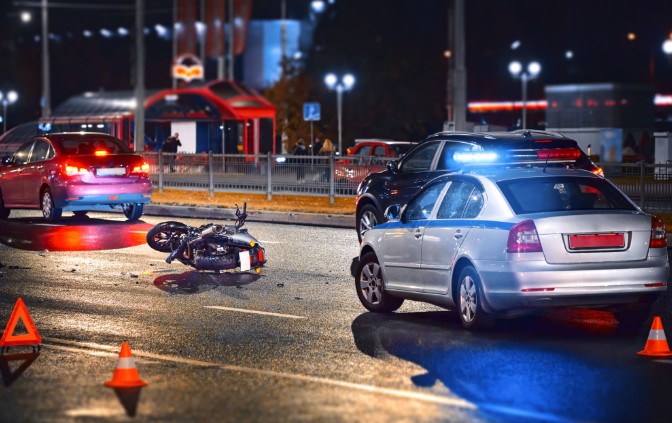
Intersections depend on trust between machines and people. Drivers trust the lights above them. Riders trust that traffic will move only when the signal allows it. Cities trust that the system guiding thousands of vehicles each day is working exactly as designed. A motorcycle collision can sometimes break that trust in ways that are not immediately visible. Attention quickly turns toward speed, visibility, and driver decisions, while the traffic signal quietly escapes the conversation.
Questions surrounding responsibility, evidence, and even motorcycle accident compensation can become more complicated if the signal itself played a part in what happened.
Traffic signals create order by telling vehicles when to stop, slow down, or move forward. Most of the time, they perform this task so well that drivers stop thinking about them entirely.
That confidence creates a problem after a collision because people naturally assume the signal worked properly unless someone proves otherwise. Investigators may focus on the actions of the drivers while the equipment controlling the intersection receives little attention during the early stages.
A functioning signal disappears into the background. A malfunctioning one can influence every decision made at the intersection without anyone realizing it immediately.
Motorcycles depend heavily on predictability. Riders often have less time and less physical protection than occupants inside larger vehicles. Unexpected movements from surrounding traffic can quickly become dangerous.
Traffic lights rely on timing systems that manage the movement of vehicles from several directions at once. If those sequences fail or change unexpectedly, drivers may enter intersections believing they have the right of way while another vehicle believes exactly the same thing.
Even a short timing problem can create confusion that lasts only seconds but carries lasting consequences.
Some traffic systems use sensors placed beneath the roadway to detect vehicles waiting at intersections. Smaller motorcycles may occasionally fail to trigger those systems correctly, leaving riders facing unusually long waits or uncertain decisions about how to proceed.
This issue has been discussed for years in communities with older traffic equipment.
Trees, construction equipment, weather conditions, or poor placement can make signals harder to notice. A driver reacting late to a light change may create sudden movements that affect everyone nearby.
Motorcyclists often have fewer options available once traffic patterns become unpredictable.
Cars and trucks provide barriers, airbags, and larger areas of protection during collisions. Motorcycles do not offer those same advantages.
Riders also depend heavily on balance and road position. Sudden braking, emergency swerving, or unexpected turns can create additional risks even if contact with another vehicle never occurs.
Intersections already require riders to watch turning vehicles, changing lanes, pedestrians, and traffic flow all at once. Adding signal confusion to that environment increases the pressure significantly.
Small disruptions often create larger consequences for motorcycles than they do for other vehicles.
Not every collision involving a traffic signal means the equipment failed. Drivers make mistakes, become distracted, or misjudge distances every day.
The challenge appears because signal issues and driver mistakes can sometimes look very similar at first glance. A witness may believe someone ran a light without knowing that the signal sequence itself behaved unexpectedly.
Sorting through those possibilities takes more than assumptions. It often requires records, timing information, and technical review of the intersection itself.
The answer is not always visible from the roadway alone.
Investigators often rely on several sources to understand events leading up to a collision.
Traffic cameras, nearby businesses, and witness observations may help establish timelines and vehicle movements that are difficult to recreate later.
Maintenance reports and timing records can reveal whether repairs, malfunctions, or previous complaints existed before the incident occurred.
The location of damage, final resting positions, and roadway markings often help experts understand how vehicles entered the intersection and where decisions were made.
Early investigations often focus on visible evidence because it is immediately available. Traffic equipment operates quietly in the background and may not attract attention unless someone specifically asks questions about it.
Signals can also return to normal operation after temporary problems disappear. By the time investigators revisit the location, the issue may no longer be visible.
That creates a situation where important details slowly fade while attention remains focused elsewhere.
Motorcycle collisions at intersections often seem straightforward during the first review of events. A closer look sometimes reveals that the signal controlling traffic deserves attention as well. Timing systems, maintenance records, and detection equipment can all become important pieces of the larger picture. Discussions surrounding motorcycle accident compensation occasionally grow beyond the actions of the people involved because the intersection itself may have had more influence than anyone first believed.