
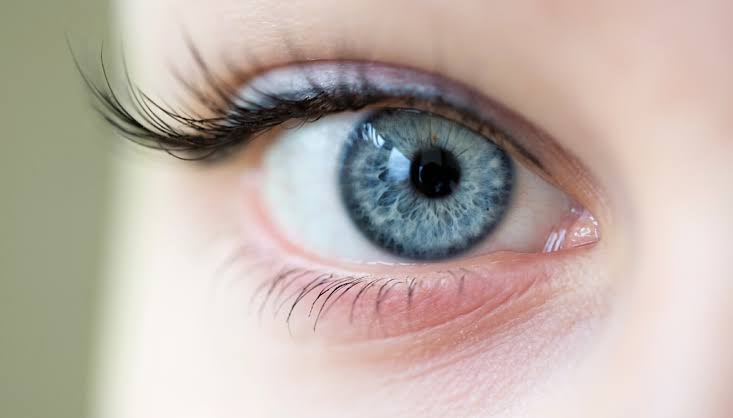
Why Do My Eyes Change Color From Blue to Green? For most people, the answer is completely harmless — light, clothing, and even mood can make light-colored eyes appear to shift shades throughout the day.
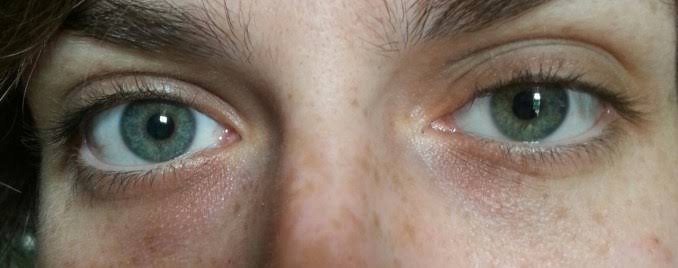
Eyes that appear to change from blue to green are usually not actually changing color at all. Light-colored eyes like blue and hazel are highly reactive to lighting, clothing color, and pupil size, which creates the illusion of a shift. True, permanent color changes in adulthood are rare and worth having checked by an eye doctor.
Eye color comes from melanin, a pigment in the iris. Brown eyes have a lot of melanin, while blue and green eyes have very little, which is exactly why they’re so sensitive to outside influences.
With less pigment absorbing light, blue and green eyes reflect more of it back, making them far more likely to appear to change shade depending on conditions around you.
The way light scatters inside your eye, known as the Tyndall effect, changes depending on the light source and angle. Bright sunlight, indoor lighting, and shade can all make the same pair of eyes look noticeably different.
This is one of the most common explanations and requires no medical concern at all.
Wearing a certain shirt color can visually pull out more blue or green tones in your eyes through simple color contrast. Your eyes aren’t actually changing — the surrounding colors are just highlighting different parts of your natural eye color.
Makeup, especially eyeshadow in complementary shades, can create the same optical effect.
Many people report their eyes looking different when they’re excited, upset, or crying. This isn’t a true color change, but rather a combination of pupil size changes and increased moisture affecting how light reflects off the eye’s surface.
When your pupil dilates or constricts, it changes how much of your iris is visible and how light interacts with it. Dim rooms, bright sunlight, or even certain medications can shift pupil size and create the appearance of a slightly different eye color.
Roughly 10 to 15% of people with light-colored eyes experience gradual color changes as they age, since pigment in the iris can shift or degrade slowly over the years. This is typically a slow, subtle process rather than a sudden shift.
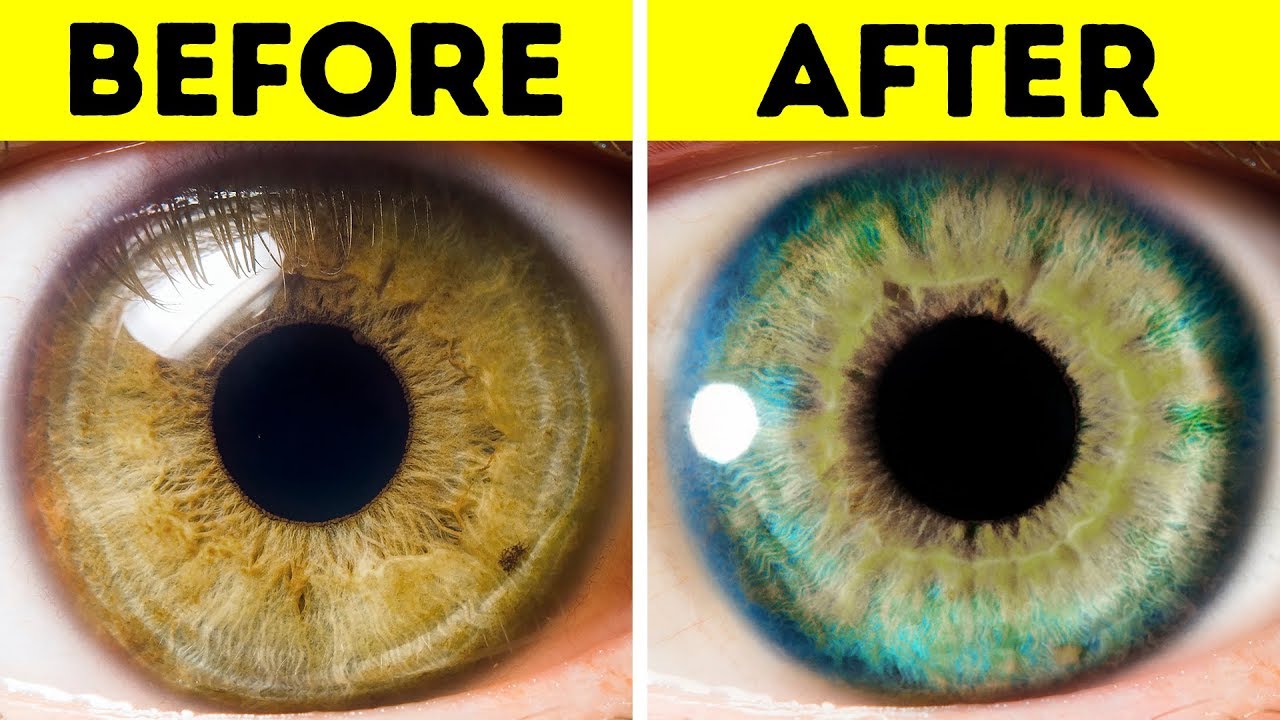
This condition affects a nerve pathway to the eye and can cause one eye to appear lighter than the other. It’s often accompanied by a drooping eyelid and a smaller pupil on the affected side.
This is a rare, chronic, mild inflammation of the front part of the eye. Over time, it can cause gradual lightening of the iris in the affected eye, sometimes shifting a formerly darker eye toward a lighter hue.
In this type of glaucoma, pigment from the back of the iris becomes disrupted and can collect elsewhere in the eye, occasionally altering how the iris color appears from the front.
Certain prescription eye drops used to treat glaucoma are known to gradually darken iris color over months of use, particularly in eyes that start out lighter in color.
An injury to the eye can occasionally lead to color changes, sometimes linked to conditions like angle-recession glaucoma or a retained foreign object. Any color change following an injury deserves prompt evaluation.
| Sign | Likely an Illusion | Likely a Real Change |
|---|---|---|
| Happens depending on lighting or clothing | Yes | No |
| Both eyes appear affected equally | Yes | Sometimes |
| Only one eye is affected | No | Yes |
| Change happens gradually over months or years | Sometimes (aging) | Yes |
| Accompanied by eye pain, redness, or vision changes | No | Yes |
| Sudden onset with no clear external trigger | No | Yes |
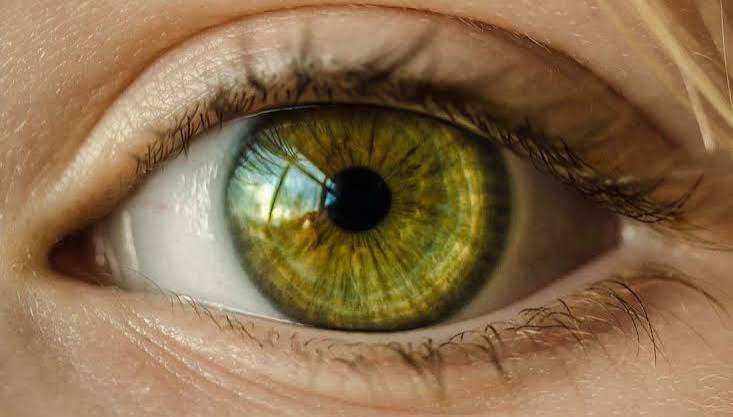
Yes. Most babies are born with grayish or bluish eyes that darken over the first several months of life as melanin develops. Most infants have the eye color they’ll keep for life by around nine months old, though subtle shifts can continue into early childhood.
A change in eye color during adulthood is rare and generally worth a professional look. See an ophthalmologist if you notice:
Ophthalmologists note that genuine adult eye color changes are uncommon enough that they always warrant a closer look, even when they seem minor. Bringing photos taken in consistent, natural lighting over time can help a doctor assess whether a change is real or simply due to environmental factors.
An eye doctor typically starts with a detailed history, asking when the change was first noticed and whether it affects one or both eyes. A slit lamp exam allows a close look at the iris structure, and additional testing may be used if inflammation, glaucoma, or nerve involvement is suspected.
This is usually an optical illusion caused by lighting, clothing color, or pupil size, not an actual change in your iris pigmentation.
It’s rare, but yes. Certain medical conditions, eye injuries, and some glaucoma medications can cause genuine, lasting color changes.
Yes. Most babies are born with grayish-blue eyes that darken over their first several months as melanin develops in the iris.
Not permanently. Crying can affect pupil size and eye moisture, which may make your eye color appear slightly different temporarily.
Yes, indirectly. Emotional states can influence pupil size, which changes how much iris is visible and how light reflects off it.
Camera flash, lighting, and color processing can all distort how eye color appears in photographs compared to natural light.
Yes, this is worth having checked. A color change affecting only one eye is more likely to indicate an underlying condition.
Yes. Certain prostaglandin-based glaucoma medications are known to gradually darken the iris with long-term use.
No. The Tyndall effect describes how light scatters within the eye, creating the appearance of different shades without any real pigment change.
No, colored contacts sit on top of your natural iris and don’t change its underlying pigmentation once removed.
Horner’s syndrome affects a nerve pathway to the eye and can cause one eye to appear lighter, often along with a drooping eyelid.
Yes, in some cases. Trauma can lead to conditions like angle-recession glaucoma, which may alter how the iris appears over time.
For some people, yes. About 10 to 15% of light-eyed individuals experience gradual color shifts as they age.
There’s no strong evidence that diet directly changes iris pigmentation, though overall eye health can be influenced by nutrition.
A sudden change is more concerning than a gradual one and should be evaluated by an eye doctor promptly.
It’s uncommon, but certain medications affecting pigmentation throughout the body could theoretically play a role and should be discussed with a doctor.
No. Heterochromia means having two different eye colors from birth or early development, while this topic refers to a shift in a single eye’s color over time.
Yes. Medications that dilate or constrict pupils can change how much iris is visible, creating the appearance of a color shift.
Melanin production can be stimulated by sunlight exposure over time, which may contribute to subtle darkening in some individuals.
If it’s accompanied by pain, sudden vision changes, or follows a recent injury, it should be treated as urgent and evaluated same day.
Yes. A slit lamp exam allows a doctor to closely examine iris structure and pigmentation to distinguish true change from illusion.
It can happen due to lighting and camera differences, but comparing consistent, natural-light photos gives the most accurate picture over time.
For most people, eyes shifting between blue and green is simply an optical effect created by lighting, clothing, mood, or pupil size, not an actual pigment change. True, lasting color changes in adulthood are uncommon but can signal conditions like Horner’s syndrome, Fuchs’ heterochromic iridocyclitis, or effects from certain medications.
If you notice a change affecting only one eye, developing suddenly, or accompanied by pain or vision changes, it’s worth getting checked by an eye doctor. In most other cases, you can simply enjoy watching your eyes shift shades with the light.