
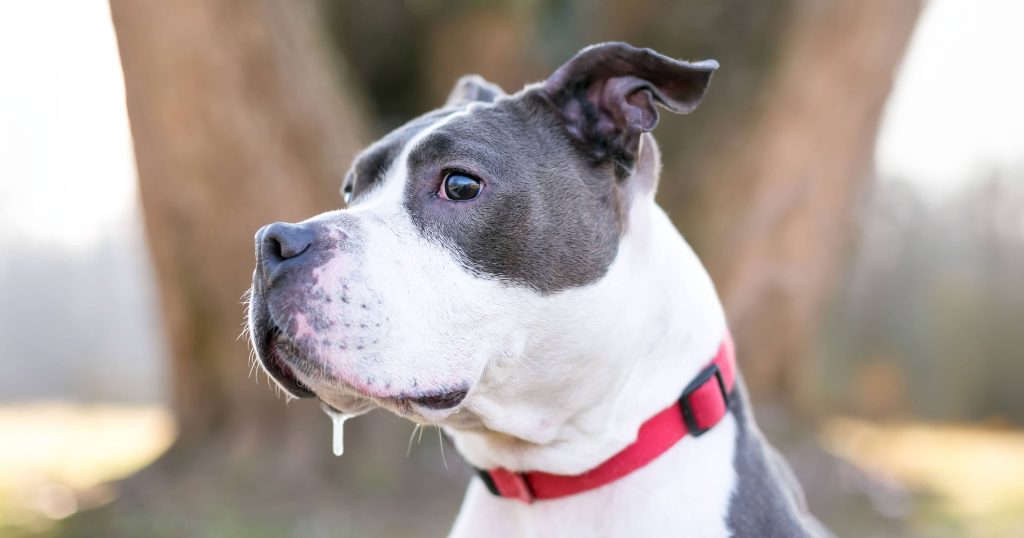
Why is my dog salivating so much all of a sudden? This is one of the most alarming things a dog owner can notice.
Sudden excessive drooling — also called hypersalivation or ptyalism — is not always normal, and it can mean anything from a mild stomach upset to a life-threatening emergency.
Some drooling is healthy and expected. But when the amount increases sharply overnight or within hours, your dog is telling you something is wrong.
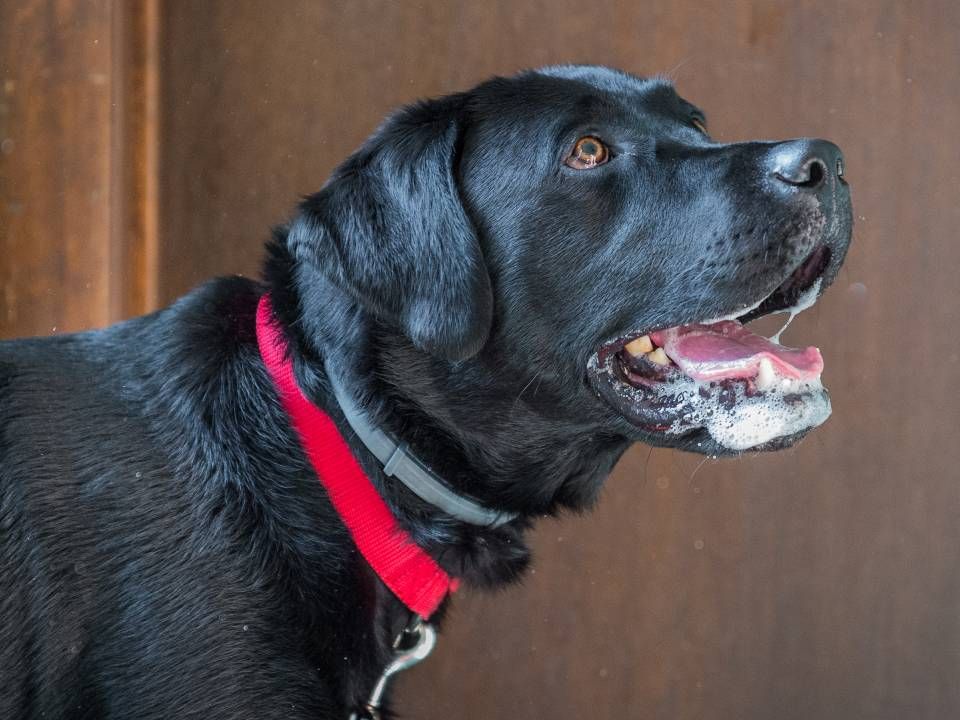
All dogs drool. Saliva plays an essential role in digestion, oral hygiene, and cooling. When your dog smells food or gets excited, the salivary glands near the jaw produce saliva that can escape the mouth — this is completely normal.
However, sudden or dramatic increases in drooling are a different matter. If your dog never drooled much and is now leaving wet spots everywhere, or if a normally moderate drooler is suddenly soaking through their collar, something has changed internally or externally.
Normal drooling happens in predictable situations — at mealtime, during play, or in the heat. Excessive or sudden drooling happens without an obvious trigger, persists beyond the situation, or comes paired with other symptoms like vomiting, pawing at the mouth, or lethargy.
There are many possible causes. Some are harmless and short-lived. Others require urgent veterinary care. Here is a complete breakdown.
Dental issues are the most common cause of sudden excessive drooling in dogs. Broken teeth, tooth-root abscesses, gum infections (gingivitis), mouth ulcers, and oral tumors all create pain and discomfort that triggers an increase in saliva production.
A dog with a painful mouth cannot swallow comfortably. Saliva builds up, overflows, and creates persistent, heavy drooling. You may also notice bad breath, reluctance to eat, or the dog chewing only on one side.
Dogs chew on everything — sticks, bones, toys, plastic. A piece of bone, a wood splinter, or a toy fragment lodged in the gums, between teeth, or in the throat causes immediate and dramatic drooling. The dog will often paw at its mouth, gag, or shake its head alongside the excessive salivation.
Check the mouth carefully if your dog suddenly starts drooling and seems distressed. Do not attempt to remove deeply lodged objects at home — call your vet immediately.
Nausea is a very common trigger for sudden hypersalivation. When a dog feels like vomiting, the body produces extra saliva as a protective mechanism for the esophagus. This is why dogs often drool heavily just before they vomit.
Causes of nausea-related drooling include eating spoiled food, dietary indiscretion (eating something they should not have), pancreatitis, gastritis, or intestinal blockage. If your dog vomits after drooling heavily, nausea is likely the root cause.
Toxin exposure is one of the most serious causes of sudden excessive drooling. When a dog ingests a poison, the body produces extra saliva as a defense mechanism to try to flush the harmful substance out.
Common dog toxins that trigger hypersalivation include:
If you suspect poisoning, do not wait. Contact a vet or the ASPCA Animal Poison Control Center immediately. Time is critical.
Dogs regulate body temperature primarily through panting. When a dog overheats, the panting intensifies dramatically — and so does drooling. Heatstroke can cause profuse, foamy drooling very quickly, especially in flat-faced breeds like Bulldogs, Pugs, and French Bulldogs.
Other signs of heatstroke alongside drooling include heavy panting, glazed eyes, staggering, dark red gums, and collapse. Heatstroke is a life-threatening emergency. Move your dog to a cool area, apply cool (not cold) water to the body, and get to a vet immediately.
Emotional states have a direct impact on saliva production. Dogs that are anxious, scared, or highly stressed often drool more than usual. This is especially common during car rides, thunderstorms, fireworks, vet visits, or exposure to new environments and people.
Unlike medical causes, anxiety-related drooling usually subsides once the stressful situation ends. You may notice other signs of stress alongside the drooling — trembling, panting, yawning, lip licking, and restlessness.
Many dogs experience motion sickness during car or boat rides. The vestibular system (responsible for balance) becomes disrupted by movement, triggering nausea and excessive salivation. Dogs with motion sickness may also whine, pace, drool heavily, and vomit during travel.
Puppies are more prone to motion sickness than adult dogs. Most dogs improve with age or with gradual desensitization to travel.
Drooling is a common sign before, during, and immediately after a seizure in dogs. If your dog drools excessively and also shows muscle twitching, paddling limbs, loss of consciousness, or confusion, a seizure is likely occurring.
Post-seizure drooling (in the ictal or postictal phase) can last for several minutes. Any suspected seizure should be reported to your veterinarian for proper diagnosis and management.
GDV — commonly called bloat — is a life-threatening condition where the stomach twists on itself. One of the early warning signs is sudden excessive drooling combined with a visibly swollen, tight abdomen, unproductive retching, and extreme restlessness.
GDV is a veterinary emergency. It affects large, deep-chested breeds most often — Great Danes, German Shepherds, Dobermans, Standard Poodles, and Weimaraners. If you see these signs together, get to an emergency vet within minutes.
Organ diseases — particularly kidney failure and liver disease — can cause a buildup of toxins in the bloodstream. This internal toxin accumulation irritates the stomach lining and triggers nausea and hypersalivation as secondary symptoms.
Dogs with organ disease may also show weight loss, increased thirst, frequent urination, yellowing of the eyes or gums (jaundice), or bad breath with a chemical or ammonia-like smell. These conditions require blood tests and veterinary management.
The salivary glands themselves can become blocked, infected, or develop a cyst (called a sialocele or salivary mucocele). When this happens, saliva builds up abnormally and drooling increases. You may notice swelling under the jaw or neck alongside the drooling.
If your dog is a young puppy between 3 and 6 months old, teething is a very common cause of sudden increased drooling. The discomfort of emerging adult teeth stimulates saliva production. This type of drooling is completely normal and resolves once teething is complete.
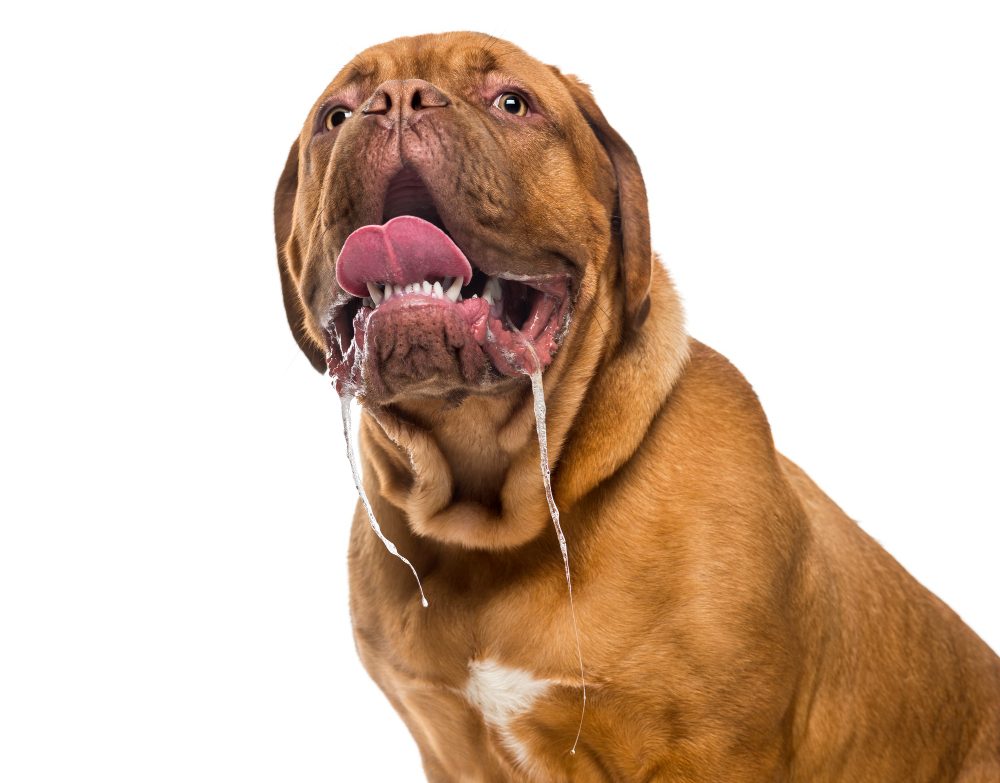
Certain dog breeds naturally produce more saliva due to the anatomy of their lips, jowls, and facial structure. Loose, floppy lips cannot contain saliva the way tighter-lipped breeds can.
| High-Drool Breeds | Reason |
|---|---|
| Saint Bernard | Extremely loose, heavy jowls |
| Bloodhound | Deep, pendulous lips |
| Mastiff (all types) | Very large, loose upper lips |
| Newfoundland | Heavy dewlaps trap and release saliva |
| Basset Hound | Long, loose lips and low-set face |
| Bulldog | Flat face with prominent jowls |
| Bernese Mountain Dog | Large jaw with loose lip folds |
For these breeds, moderate drooling is normal. However, even they can experience sudden spikes in drooling that go beyond their baseline — and these spikes still warrant attention.
Some causes of sudden salivation are urgent and require immediate veterinary care. Do not wait to see if it resolves on its own if you notice any of the following alongside excessive drooling:
| Emergency Sign | Possible Cause |
|---|---|
| Swollen, distended abdomen | GDV / Bloat |
| Pawing at mouth, gagging | Foreign object, toxin |
| Pale, white, or blue gums | Shock, internal bleeding |
| Collapse or extreme weakness | Heatstroke, poisoning, seizure |
| Foaming at the mouth | Seizure, toxin, heatstroke |
| Blood in drool | Oral injury, tumor, toxin |
| Sudden aggression or confusion | Neurological issue, rabies |
| Drooling after eating a plant | Plant toxin poisoning |
When in doubt, call your vet. A phone call can determine whether you need to rush in or monitor at home.
Act in steps. Stay calm and assess before rushing to conclusions.
Look inside the mouth for foreign objects, swelling, bleeding, broken teeth, or visible sores. Be careful — a dog in pain may bite even the most trusted owner. Use a flashlight if needed.
Think about what your dog may have gotten into. Were they in the garden near plants? Did they eat something off the floor? Were there pesticides, chemicals, or medications within reach?
Note any vomiting, diarrhea, swelling, breathing changes, behavioral changes, or mobility issues. These symptoms help your vet determine the cause quickly.
If drooling is sudden, severe, or paired with any other symptom — call your vet right away. Do not give home remedies or human medications without professional guidance. Some substances like hydrogen peroxide, used to induce vomiting in some cases, can cause harm if given incorrectly.
| Cause | Urgency Level | Action Needed |
|---|---|---|
| Food anticipation / Excitement | None | Normal — no action needed |
| Nausea / Mild stomach upset | Low | Monitor; withhold food briefly |
| Dental disease | Moderate | Schedule vet appointment |
| Foreign object in mouth | High | Vet visit same day |
| Anxiety / Motion sickness | Low-Moderate | Comfort; discuss with vet |
| Toxin / Poison ingestion | Emergency | Call vet or poison control immediately |
| Heatstroke | Emergency | Cool dog and rush to vet |
| GDV / Bloat | Emergency | Emergency vet within minutes |
| Seizures | Emergency | Vet care urgently |
| Kidney / Liver disease | High | Vet visit same day |
| Teething (puppies) | None | Normal; provide chew toys |
Your vet will take a systematic approach to identify the cause. The diagnostic process typically involves:
The vet will check the mouth, gums, teeth, throat, and lymph nodes. They look for inflammation, foreign bodies, dental disease, oral masses, and signs of trauma.
Blood work reveals organ function, signs of infection, toxin-related damage, or metabolic issues. Urine tests help assess kidney health.
X-rays or ultrasound may be ordered if GDV, esophageal obstruction, or organ disease is suspected. Chest X-rays can reveal aspiration pneumonia from excessive drool inhalation.
If seizure activity or neurological disease is suspected, the vet will assess reflexes, coordination, and cognitive responses.
Treatment depends entirely on the underlying cause. Here is what to expect:
If dental disease is the cause, the dog will likely need a professional dental cleaning under anesthesia, tooth extraction for abscessed or broken teeth, or antibiotics for oral infections.
Anti-nausea medications like maropitant citrate (Cerenia) are used when nausea is the trigger. Antibiotics treat bacterial infections. Anti-anxiety medications help dogs with stress-related hypersalivation.
Foreign body removal, oral tumor removal, salivary mucocele drainage, or GDV correction all require surgical intervention.
For heatstroke or toxin exposure, IV fluids, cooling treatments, and close monitoring in a hospital setting are required. The goal is to stabilize the dog and support organ function while the body recovers.
For anxiety-related drooling, a combination of behavior modification, calming aids (like pheromone diffusers or calming wraps), and sometimes prescription anti-anxiety medications can reduce stress drooling long-term.
Not all causes are preventable, but good habits reduce the risk significantly.
Brush your dog’s teeth regularly using a dog-safe toothpaste. Schedule a professional dental cleaning with your vet at least once a year. Good oral health prevents the most common cause of excessive drooling.
Keep toxic plants, household chemicals, medications, and human foods well out of reach. Learn which plants in your yard are toxic to dogs and remove or fence them off. Secure trash cans your dog might raid.
Never leave your dog in a parked car. Provide fresh water and shade at all times. Exercise during cooler parts of the day (early morning or evening) to prevent heatstroke.
Identify your dog’s stress triggers and work to desensitize them gradually. Use positive reinforcement, calming products, or consult a certified dog trainer for anxiety management.
Annual or biannual vet visits catch dental disease, organ problems, and other underlying health issues before they become severe. Early detection means simpler, less expensive treatment.
| Plant Name | Toxicity Level | Common Location |
|---|---|---|
| Sago Palm | Severe | Outdoor gardens |
| Azalea / Rhododendron | Moderate–Severe | Gardens, parks |
| Foxglove | Severe | Wildflower gardens |
| Lily of the Valley | Severe | Indoor/outdoor |
| Oleander | Severe | Warm-climate gardens |
| Mushrooms (wild) | Variable | Yards, woods |
| Autumn Crocus | Severe | Gardens |
| Daffodil (bulb) | Moderate | Spring gardens |
If your dog has chewed on any of these plants and begins drooling suddenly, treat it as an emergency.
Many dog owners notice their pets drool heavily in the car and wonder if it is sickness or nerves. Both are common, and sometimes they occur together.
Motion sickness in dogs is caused by inner ear disruption. Signs include drooling, lethargy, yawning, lip licking, and vomiting. It is more common in puppies and younger dogs.
Anxiety in the car looks similar but often starts before the car even moves — just at the sight of the car or the leash. The dog associates the car with a stressful destination (like the vet).
Your vet can prescribe anti-nausea medication (like Cerenia) or anti-anxiety support for frequent travelers. Gradual desensitization — starting with sitting in a parked car and building up — also helps anxious dogs over time.
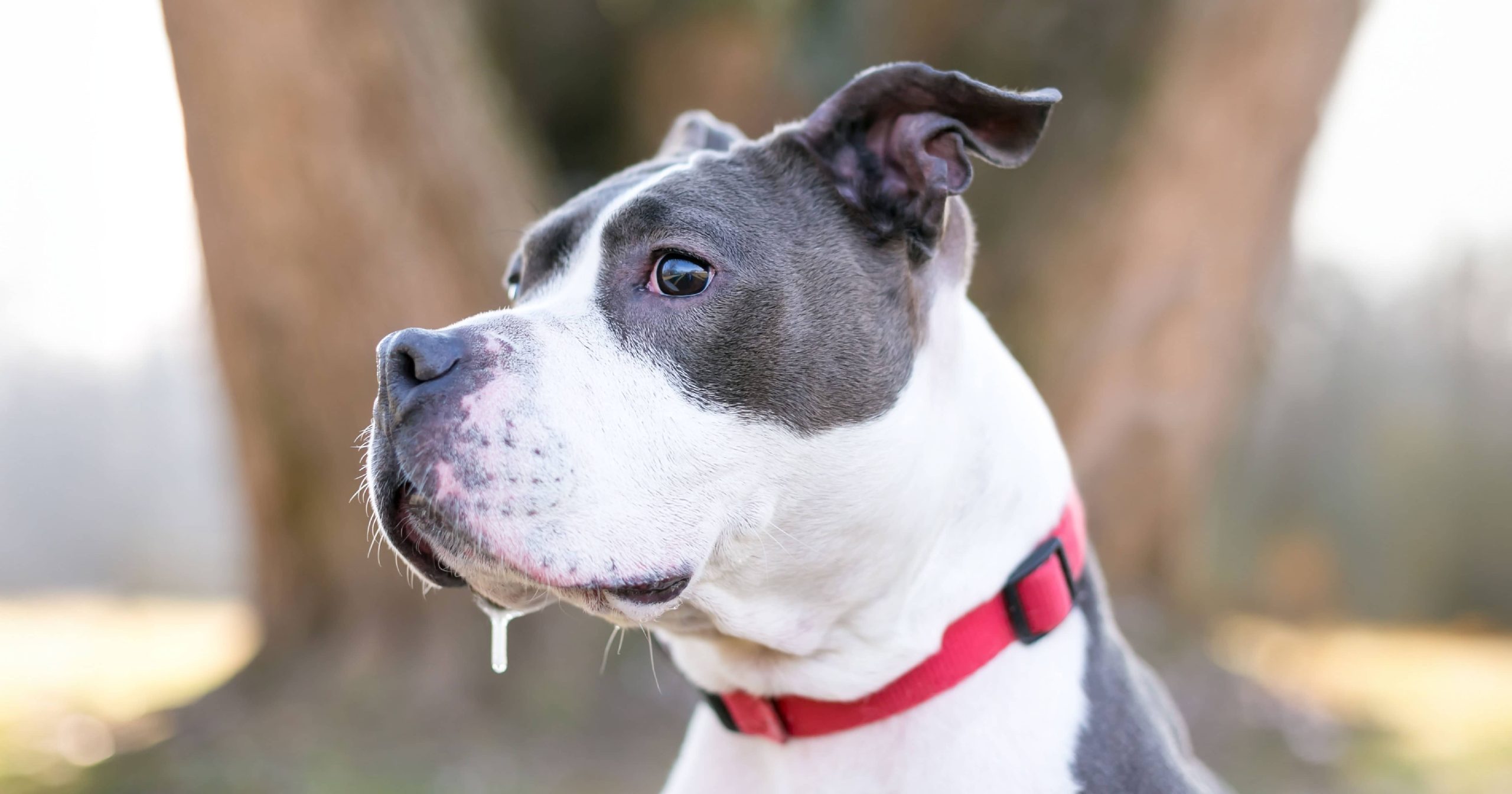
The texture and appearance of your dog’s drool can provide important clues.
| Drool Appearance | What It May Indicate |
|---|---|
| Clear and watery | Food anticipation, mild nausea, heat |
| Thick and ropy | Dehydration, dental disease, toxin |
| Foamy and white | Seizure, severe anxiety, toxin |
| Tinged with blood | Oral injury, tumor, severe gum disease |
| Yellow or green | Infection, bile-related nausea |
Any drool that is foamy, discolored, or mixed with blood warrants urgent veterinary evaluation.
Sudden excessive drooling usually signals an oral problem, nausea, toxin exposure, anxiety, or a serious condition like GDV or heatstroke. Always check for other symptoms and contact your vet if it persists.
It can be. If drooling is paired with swollen abdomen, collapse, foaming, blood, pale gums, or suspected poisoning, it is an emergency and you should go to a vet immediately.
Yes. Fear, stress, and anxiety directly trigger hypersalivation in dogs. Common triggers include thunderstorms, fireworks, car rides, new environments, and separation anxiety.
Toxic plants (sago palm, azalea), xylitol, grapes, chocolate, insecticides, and household chemicals all cause sudden drooling. Contact a vet or poison control center right away if exposure is suspected.
Car drooling is usually caused by motion sickness or travel anxiety. Both trigger nausea and hypersalivation. Your vet can prescribe medication to help with both conditions.
Yes. Tooth abscesses, gum infections, broken teeth, and oral ulcers are among the most common causes of sudden increased drooling. A vet dental exam will confirm it.
Offer water if drooling is mild and the dog is alert. However, do not force water and do not give food or water if vomiting, suspected bloat, or poisoning is involved until you speak with a vet.
Yes. Kidney failure causes toxin buildup in the blood, which leads to nausea and hypersalivation. Other signs include excessive thirst, lethargy, weight loss, and chemical-smelling breath.
Puppies between 3 and 6 months old drool more when teething. This is normal and temporary. However, if the puppy also seems unwell, check for toxin ingestion or illness.
Treatment depends on the cause — dental work for oral disease, anti-nausea medication for GI issues, IV fluids for poisoning or heatstroke, surgery for GDV or foreign bodies, and behavioral therapy for anxiety-related drooling.
Why is my dog salivating so much all of a sudden? The answer could be as simple as excitement over dinner — or as serious as a toxin in the system or a twisted stomach. The key is knowing the difference.
Sudden, unexplained drooling that is heavy, persistent, or paired with other symptoms is always worth a vet call.
The most common causes — dental disease, nausea, toxin exposure, anxiety, heatstroke, and GDV — are all very treatable when caught early.
The worst outcomes happen when owners wait too long hoping it will pass on its own.
Trust your instincts. You know your dog’s normal behavior better than anyone. If something feels off, act quickly.
Keep up with annual vet checkups, maintain your dog’s dental hygiene, dog-proof your home, and learn the emergency warning signs.
With the right knowledge and fast action, you can protect your dog and get them back to their happy, healthy self as quickly as possible.