
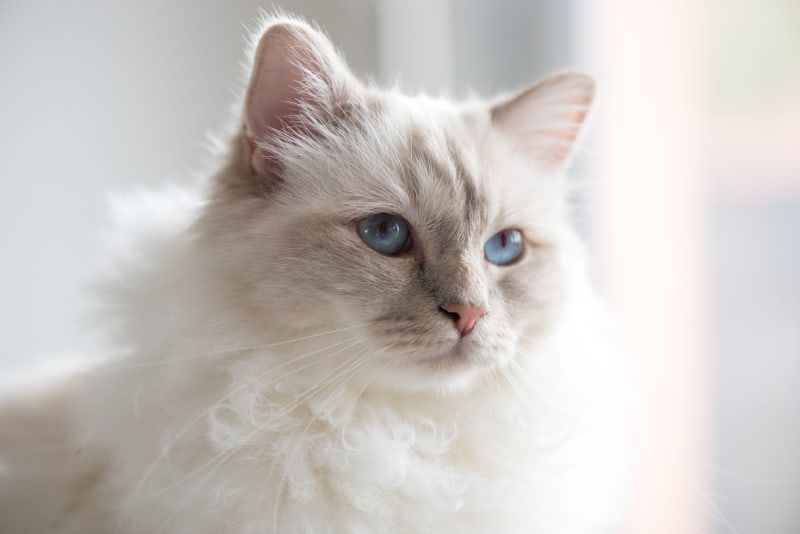
Why is my cat breathing fast? This is one of the most alarming questions a cat owner can face.
Fast breathing in cats — medically called tachypnea — can range from a harmless stress response to a life-threatening cardiac or respiratory emergency.
Knowing the difference could save your cat’s life.
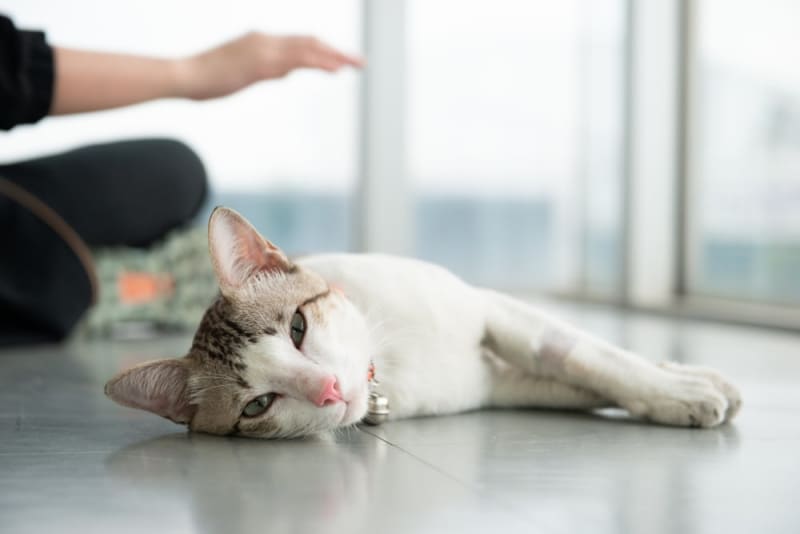
A healthy adult cat takes between 20 and 30 breaths per minute while resting or sleeping. Each complete breath counts as one inhale and one exhale — one full rise and fall of the chest.
Sleeping cats may drop slightly lower, to around 15 to 20 breaths per minute. This is normal and not a cause for concern.
Any resting respiratory rate consistently above 30 breaths per minute is considered elevated. A rate above 40 breaths per minute, especially if paired with visible effort or open-mouth breathing, is a medical red flag.
Cats are not dogs. Panting is normal in dogs after exercise but is almost always abnormal in cats. If your cat is breathing rapidly with its mouth open, treat it as an emergency until proven otherwise.
| Breathing Rate | Status | Action Needed |
|---|---|---|
| 15–20 breaths/min (sleeping) | Normal | None |
| 20–30 breaths/min (resting) | Normal | Monitor |
| 30–40 breaths/min (resting) | Elevated — borderline | Contact vet within hours |
| Above 40 breaths/min (resting) | Abnormal — tachypnea | Vet visit urgently |
| Open-mouth panting at rest | Always abnormal | Emergency vet now |
| Blue or pale gums | Oxygen deprivation | Emergency vet immediately |
Wait until your cat is calm and fully relaxed — not purring, not playing. Purring changes the chest movement pattern and makes an accurate count impossible.
Watch your cat’s chest or flank from a comfortable distance. You do not need to touch them. Count each rise and fall as one breath.
Use your phone timer and count the number of breaths in 30 seconds. Multiply that number by two to get the breaths per minute. Write it down with the date and time.
If your cat is difficult to observe directly, you can video record them from across the room and count the breaths afterward. This is especially useful for fast or subtle movements.
Track the number over several hours or days if breathing seems slightly elevated but your cat is otherwise acting normally. A written log with timestamps is extremely helpful when you speak to your vet.
Feline asthma affects an estimated 1 to 5 percent of all cats. It causes inflammation of the airways and is triggered by allergens like cigarette smoke, dust, pollen, certain cleaning products, and even scented candles.
Signs include wheezing, coughing, open-mouth breathing, and a hunched posture with the neck stretched forward. Some owners mistake an asthma attack for a cat trying to vomit or cough up a hairball — but the key difference is that nothing comes up, or only a small amount of frothy mucus appears.
Asthma is manageable with inhaled corticosteroids and bronchodilators. Some cats use a special feline inhaler with a spacer device.
Heart disease — particularly hypertrophic cardiomyopathy (HCM), the most common cardiac condition in cats — can cause fluid to build up around the lungs. This is called pleural effusion and makes breathing progressively harder.
A cat with early heart failure may show no symptoms at all until a sudden respiratory crisis occurs. This is why fast breathing while sleeping, consistently above 30 breaths per minute, is considered an early warning sign of heart failure by many veterinarians.
Treatment depends on the severity and may include diuretics to remove fluid, medications to manage heart function, and regular monitoring by a cardiologist.
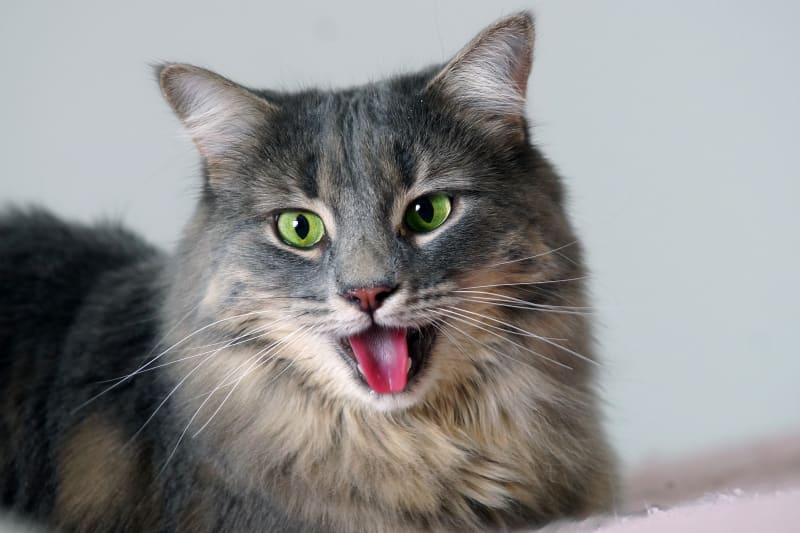
Pleural effusion means fluid has accumulated in the space between the lungs and the chest wall. This compresses the lungs and reduces the cat’s ability to breathe effectively. Rapid, shallow breathing is the hallmark symptom.
It is most commonly linked to heart disease, cancer, or infection. Treatment involves draining the fluid with a needle — a procedure called thoracocentesis — followed by addressing the underlying cause.
Upper respiratory infections (URIs) cause nasal congestion that forces cats to breathe through their mouths. Common culprits include feline herpesvirus and calicivirus, which are highly contagious among cats.
Lower respiratory infections like pneumonia can be more serious, affecting the lung tissue itself. Symptoms include fast breathing, lethargy, loss of appetite, and fever. Antibiotics or antiviral medications are used depending on the infectious agent.
Anemia means the blood has too few red blood cells to carry adequate oxygen to the body’s tissues. The body compensates by breathing faster to try to deliver more oxygen through the lungs.
Causes of anemia in cats include internal parasites, immune-mediated disease, kidney failure, or certain toxins. A blood test is needed to confirm anemia. Treatment addresses the root cause and may include iron supplementation, blood transfusions, or medications.
Cats in significant pain breathe faster. Unlike dogs, cats tend to hide their pain well, so if their breathing is elevated due to discomfort, the pain is usually severe. Sources of pain include urinary blockages, dental disease, injuries, or internal conditions like pancreatitis.
Fever also raises the respiratory rate because the body works harder to regulate its temperature. A rectal temperature above 39.5°C (103.1°F) is considered a fever in cats.
Cats do not regulate body temperature the way dogs do. They are poorly equipped for extreme heat and can develop heatstroke quickly in hot, poorly ventilated spaces. Symptoms include rapid breathing or panting, drooling, vomiting, disorientation, bright red gums, and collapse.
If you suspect heatstroke, move your cat to a cool area immediately, offer water, and get to a vet without delay. Do not use ice — gradual cooling is safer.
A trip to the vet, a loud noise, a new pet in the home, or a change in routine can all trigger rapid breathing in cats. Stress-related breathing is usually temporary and resolves within minutes once the trigger is removed.
If your cat breathes fast only during car rides or at the vet clinic but is otherwise healthy and calm at home, stress is likely the cause. Long-term anxiety may benefit from environmental enrichment or veterinary-prescribed calming support.
Cats that have been in an accident, a fall, or a fight may breathe rapidly from shock, pain, or internal bleeding. Even if a cat appears outwardly uninjured, internal trauma can be serious. Any cat involved in a traumatic event should be seen by a vet as soon as possible.
A ruptured diaphragm — which can occur after a severe impact — allows abdominal organs to shift into the chest cavity, severely compressing the lungs and causing dramatic breathing changes.
Severe allergic reactions can cause airway swelling that makes breathing extremely difficult, very fast, or labored. This is a true emergency. Shock — whether from blood loss, severe infection, or allergic reaction — also causes rapid, shallow breathing as the body struggles to maintain circulation.
If your cat collapses, is unresponsive, or has very pale or white gums alongside fast breathing, this is a life-threatening emergency requiring immediate veterinary attention.
Some symptoms mean you need to skip the phone call and go directly to an emergency vet clinic. Do not wait and monitor at home if you see any of the following.
| Emergency Sign | What It May Indicate |
|---|---|
| Blue, grey, or white gums | Severe oxygen deprivation (cyanosis) |
| Open-mouth breathing at rest | Respiratory distress or cardiac failure |
| Neck extended, elbows out | Active dyspnea — cat struggling to breathe |
| Collapse or unresponsiveness | Shock, cardiac arrest, or severe hypoxia |
| Breathing above 40 breaths/min at rest | Tachypnea requiring urgent diagnosis |
| Fast breathing plus no appetite | Possible cardiac or systemic illness |
| Panting with drooling and disorientation | Heatstroke |
| Blood from mouth or nose | Trauma, toxin, or severe infection |
When you arrive with a cat breathing fast, the vet team will typically place your cat in an oxygen cage immediately to stabilize breathing before any diagnostics begin.
After stabilization, the vet will perform a physical examination, listen to heart and lung sounds, check gum color and capillary refill time, and measure temperature. From there, diagnostics may include chest X-rays, blood tests, urinalysis, an echocardiogram (heart ultrasound), and blood oxygen measurement with a pulse oximeter.
Chest X-rays are one of the first and most valuable tools used to diagnose fast breathing in cats. They can reveal fluid around the lungs, signs of pneumonia, heart enlargement, masses or tumors, and diaphragmatic hernias.
X-rays are quick, non-invasive, and provide an enormous amount of information in a short time — which matters when a cat is in respiratory distress.
A complete blood count (CBC) can identify anemia, infection, or inflammation. A biochemistry panel checks organ function including kidneys and liver. These tests help the vet understand whether the problem is primarily respiratory or secondary to another systemic disease.
An echocardiogram is an ultrasound of the heart. It can detect hypertrophic cardiomyopathy, measure wall thickness, assess valve function, and identify fluid around the heart. This is the gold standard for diagnosing heart disease in cats.
Treatment for a cat breathing fast always depends on the underlying cause identified through diagnostics. There is no single treatment for rapid breathing because it is a symptom, not a diagnosis.
Common treatment approaches include oxygen therapy in an oxygen cage, thoracocentesis to drain pleural fluid, inhaled or oral corticosteroids for asthma, antibiotics for bacterial infections, diuretics like furosemide for congestive heart failure, bronchodilators to open the airways, and supportive care including IV fluids and pain management.
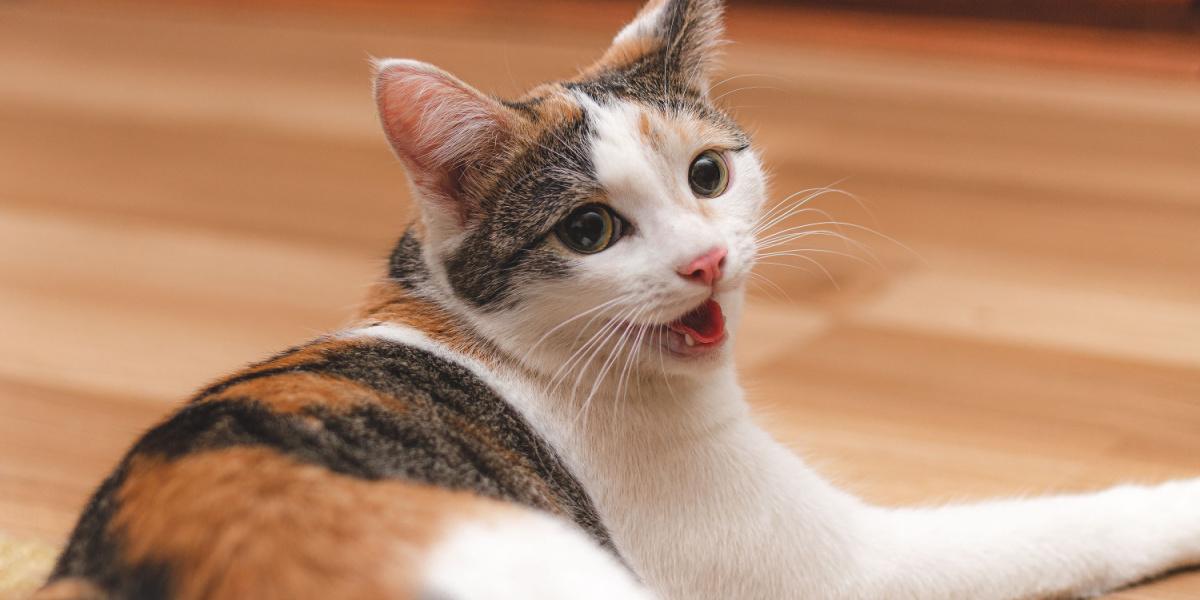
Cats with asthma or heart disease often require long-term management. This may include daily medications, regular weigh-ins (weight gain can signal fluid buildup in heart disease), environmental modifications to reduce allergens, and monthly or quarterly vet check-ins.
Many pet owners of asthmatic cats learn to use the AeroKat inhaler — a small feline-specific spacer mask designed to deliver medication safely and effectively. It takes patience to train a cat to accept it, but it dramatically improves quality of life for cats with moderate to severe asthma.
If your cat has asthma or allergies, reducing airborne irritants at home makes a significant difference. Switch to unscented, low-dust cat litter. Avoid aerosol sprays, scented candles, and air fresheners near your cat. Keep living areas well ventilated and vacuum regularly to reduce dust and dander.
Do not smoke near your cat — secondhand smoke is a documented trigger for feline asthma.
For cats with known heart disease or asthma, vets often recommend weekly or even daily resting respiratory rate (RRR) monitoring. Keeping a log allows you and your vet to catch changes early before a crisis develops.
A sudden increase of 10 or more breaths per minute compared to your cat’s baseline is a signal to call your vet that day — even if your cat seems otherwise normal.
Annual vet check-ups catch conditions like heart murmurs, early-stage anemia, and weight changes that could lead to respiratory problems down the line. Keeping vaccines current protects against viral respiratory infections. Parasite prevention guards against heartworm, which — though less common in cats than dogs — can cause severe breathing difficulty.
Some cats breathe slightly faster right after a meal, particularly if they ate quickly and swallowed air. This typically resolves within a few minutes. However, if fast breathing after eating is persistent or accompanied by drooling, vomiting, or a distended abdomen, it could signal megaesophagus or another gastrointestinal issue that needs investigation.
Brief rapid breathing after intense play is completely normal and mirrors how humans breathe after exercise. It should return to baseline within 5 to 10 minutes. If your cat is still breathing fast 15 minutes after play stops, or if it coughs or wheezes during play, speak to your vet — exercise intolerance can be an early sign of heart or lung disease.
Pregnant cats may breathe faster as the growing kittens press on the diaphragm and reduce lung capacity. This is especially noticeable in the final weeks of pregnancy. Rapid breathing during or immediately after labor can also indicate complications, and a vet should be on call during the birthing process.
Kittens have naturally higher respiratory rates than adult cats. A healthy kitten may breathe 20 to 40 times per minute. However, a kitten breathing with visible effort, clicking sounds, or extended neck posture at rest needs veterinary care immediately, as young cats can decline very quickly when unwell.
Older cats are significantly more prone to heart disease, lung tumors, anemia, and hyperthyroidism — all of which can cause fast breathing. If your senior cat develops a new pattern of rapid breathing at rest, treat it as medically significant regardless of whether other symptoms are present. Annual blood panels and check-ups become especially important for cats over 10 years of age.
Fast breathing in cats is most commonly caused by stress, asthma, heart disease, fluid around the lungs, or respiratory infections — a vet visit is needed to identify the exact cause.
A healthy resting cat takes 20 to 30 breaths per minute; sleeping cats may drop to 15 to 20 breaths per minute, which is still normal.
Go immediately if your cat has blue or pale gums, is breathing with its mouth open at rest, has its neck extended with elbows pointing outward, or has collapsed.
Occasional rapid breathing during REM sleep is normal, but a consistent resting rate above 30 breaths per minute while sleeping may signal early heart failure and warrants a vet call.
Yes — car rides, vet visits, loud noises, or household changes can all temporarily raise a cat’s breathing rate, but it should return to normal within a few minutes of the stressor being removed.
If your cat is eating, drinking, and behaving normally but breathing slightly fast, it could be mild stress or a subtle early condition — still worth a vet call within 24 hours if the elevated rate persists.
Yes, asthma is one of the most common causes of rapid breathing in cats and can range from mild wheezing to a life-threatening attack requiring emergency care.
Count chest rises and falls for 30 seconds while your cat is fully relaxed and not purring, then multiply by two to get breaths per minute.
Yes — hypertrophic cardiomyopathy and congestive heart failure often cause fluid to build up around the lungs, leading to rapid, shallow breathing that may develop suddenly with little warning.
The vet will stabilize the cat with oxygen, then run chest X-rays, bloodwork, and possibly an echocardiogram to find the cause and begin targeted treatment.
Why is my cat breathing fast? The answer can range from something as temporary as post-play excitement to something as serious as congestive heart failure or pleural effusion.
The key is knowing your cat’s normal baseline and recognizing when the pattern changes.
A healthy adult cat breathes 20 to 30 times per minute at rest.
Anything consistently above 30, especially with other symptoms like lethargy, loss of appetite, open-mouth breathing, or unusual gum color, demands prompt veterinary attention.
Do not wait and see when it comes to breathing problems in cats — they are experts at hiding illness, and by the time symptoms are obvious, the situation can escalate quickly.
Monitor your cat regularly, keep a breathing log if your cat has a known condition, reduce environmental triggers, and build a strong relationship with your vet.
Early detection and prompt action are the two things that matter most when your cat is breathing fast.