

If you keep asking “why do my eyes itch so much,” you’re dealing with one of the most common eye complaints there is. That itch can range from mildly annoying to genuinely hard to ignore.
The good news is that itchy eyes almost always have an identifiable cause, whether that’s allergies, dryness, an infection, or simple irritation. Once you know the cause, relief becomes much easier to find.
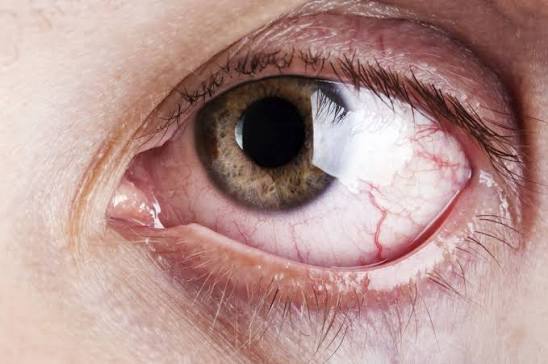
Itchy eyes are most often caused by allergic conjunctivitis, dry eye, digital eye strain, or an eye infection like pink eye. Allergens such as pollen, dust, and pet dander trigger histamine release, which leads to intense itching, especially in both eyes at once.
Dry, irritated, or infected eyes can cause similar symptoms, so identifying the exact trigger is the fastest path to relief.
It’s tempting to rub or scratch itchy eyes for quick relief. Unfortunately, rubbing usually makes things worse by releasing more histamine and increasing irritation.
Rubbing can also spread bacteria or viruses if an infection like pink eye is the cause. Try a cool compress or eye drops instead of scratching.
Allergens like pollen, dust, and pet dander trigger your immune system to release histamine. This reaction causes redness, watering, and intense itching, often in both eyes at the same time.
Dry eye happens when your eyes don’t produce enough tears or tears evaporate too fast. This leaves your eyes feeling scratchy, irritated, and itchy, especially after screen use.

Long hours staring at screens can stress your eyes and make them feel itchy and fatigued. Eye strain often comes with headaches and difficulty focusing as well.
Viral or bacterial conjunctivitis inflames the eye’s surface, turning the white part pink and triggering itching. This type is highly contagious and typically needs a doctor’s evaluation.
Blepharitis is inflammation of the eyelids, often caused by bacteria, clogged oil glands, or skin conditions like dandruff or rosacea. It can cause flaky, greasy eyelids along with persistent itching.
Contact lens solution, cosmetics, or even your regular soap can irritate sensitive eye tissue. Switching products or taking a break from lenses often helps identify the culprit.
Smoke, diesel exhaust, chlorine, and strong perfumes can all irritate the eyes. Avoiding exposure is usually the simplest and most effective fix.
A small piece of sand, dust, or an eyelash can cause sudden, sharp itching or irritation. Flushing the eye gently with clean water or saline often resolves this quickly.
| Symptom | Allergic Itchy Eyes | Eye Infection |
|---|---|---|
| Both eyes affected | Usually yes | Sometimes just one |
| Discharge | Watery | Thick, yellow, or green |
| Other symptoms | Sneezing, nasal congestion | Crusting, swelling |
| Contagious | No | Often yes |
| Typical trigger | Pollen, dust, pet dander | Bacteria or virus |
Most itchy eyes improve with simple home care, but some symptoms need professional evaluation. Contact an eye doctor if you notice any of the following.
Early evaluation helps prevent complications and rules out more serious eye conditions.

This pattern usually points to allergies, since allergens like pollen or pet dander typically affect both eyes at once.
Yes, rubbing can release more histamine, worsen irritation, and spread bacteria or viruses if an infection is present.
Yes, dry eye often causes a scratchy, itchy sensation in addition to the expected dryness, especially after screen use.
Allergies usually cause watery discharge in both eyes, while infections often bring thick discharge and may start in just one eye.
Yes, digital eye strain from prolonged screen use can cause itching, fatigue, and difficulty focusing.
Yes, contact lens solution or extended wear can irritate the eyes, sometimes triggering itching and redness.
Blepharitis is eyelid inflammation, often from bacteria or clogged oil glands, that commonly causes itching, flaking, and redness.
Over-the-counter antihistamine or lubricating eye drops are generally safe for occasional use, but check with a doctor for frequent use.
Stress itself doesn’t directly cause itching, but stress-related eye strain or reduced blinking can contribute to dryness and irritation.
Seasonal allergies to pollen or ragweed often cause itching that flares during specific months.
No, pink eye usually refers to infectious conjunctivitis, while allergic conjunctivitis is triggered by allergens rather than bacteria or viruses.
Yes, airborne pet dander can settle in a room and trigger itching even if you don’t touch the animal directly.
It’s a reasonable first step, since certain cosmetics can irritate sensitive eye tissue and worsen itching.
Yes, though allergies often come with sneezing or congestion, some people experience itchy eyes as their main symptom.
It can last as long as you’re exposed to the allergen, and may resolve once exposure stops or with antihistamine treatment.
Yes, tears can temporarily irritate the eye surface, leading to mild itching that usually resolves quickly.
Yes, dehydration can reduce tear production, contributing to dryness and itching in some people.
See a doctor if you have pain, vision changes, thick discharge, light sensitivity, or swelling that doesn’t improve.
Yes, in some people, food allergies can trigger systemic allergic reactions that include itchy, watery eyes.
No, expired eye drops can lose effectiveness or become contaminated, so it’s best to use a fresh bottle.
So, why do your eyes itch so much? In most cases, it comes down to allergies, dryness, digital eye strain, or a mild infection, all of which respond well to the right treatment.
Avoiding the urge to rub your eyes and identifying your specific trigger are the fastest ways to find relief. If the itching persists, worsens, or comes with pain or vision changes, it’s worth having an eye doctor take a closer look.