
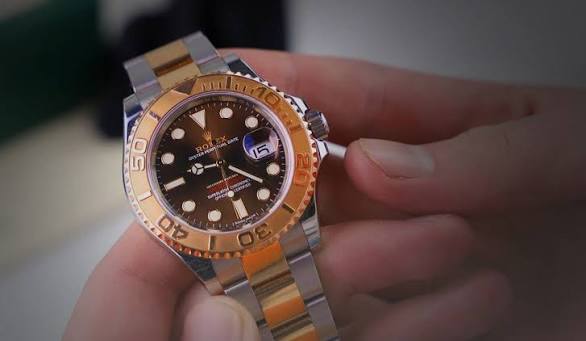
If you’re asking “why does my Rolex keep stopping,” the good news is it’s rarely a sign of a broken watch. Most stoppages come down to something simple, like a depleted power reserve, though a few causes point to something that needs professional attention.
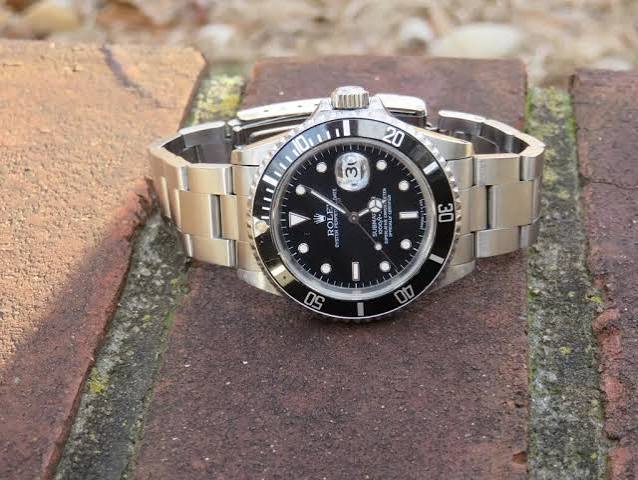
A Rolex most often stops because its power reserve has run out from not being worn or wound enough. Your Rolex stops running most often because its mainspring has completely unwound and used up the power reserve, working just like a wind-up toy car: you give it energy, the mainspring releases it slowly, and the watch keeps ticking.
Understanding the mechanism makes troubleshooting much easier. Every modern Rolex, apart from the vintage Oysterquartz models from the 1970s–80s, is powered by an automatic mechanical movement with no battery inside, and a small weighted rotor spins as you move your wrist to wind the mainspring and store energy.
That stored energy only lasts so long once you take the watch off. When fully wound, most Rolex movements hold a power reserve of around 48 to 72 hours, depending on the calibre, with newer Calibre 3200 series movements offering approximately 70 hours.
This is by far the most common and least concerning cause. When a watch sits stationary for longer than its power reserve capacity, it will naturally stop running, and the very first step in troubleshooting a stopped Rolex is to ensure it has enough power.
Even wearing the watch doesn’t guarantee it stays fully charged. If you wear your Rolex loosely or only for short periods, it may not get enough wrist action to stay fully charged.
Desk jobs and sedentary days are a common culprit. Usually this means the rotor isn’t catching enough movement to keep it wound, and desk-job routines often under-wind the watch.
This cause has become far more common in recent years. Smartphones, tablet covers, handbag clasps, laptop speakers, and even some kitchen appliances generate magnetic fields strong enough to magnetise the hairspring inside your Rolex movement.
Water resistance depends on the crown being properly secured. Rolex watches can occasionally allow moisture inside, usually as a result of aging gaskets or unexpected exposure to water, and condensation under the crystal can cause long-term damage if not dealt with quickly.
Time alone can affect how well the movement runs. When the watch is not worn for a long time, the lubricants inside the mechanical watch can dry up, causing damage to the movement.
Sometimes the issue is internal wear rather than a lack of power. The automatic winding rotor or mainspring could be slipping or worn, causing power loss, and regular servicing by a certified watchmaker includes cleaning, lubricating, and adjusting the movement to restore consistent operation.
The crown plays a bigger role than most owners realize. If your Rolex stops after running for hours, check the winding crown for proper sealing and engagement, and ensure the crown is fully screwed down to maintain water resistance and prevent dust ingress.
Rolex watches are durable, but not indestructible. A significant drop can jar internal components out of alignment, which can lead to stopping or erratic timekeeping.
Long-term neglect of routine maintenance eventually catches up with any mechanical watch. Mechanical watches, including Rolex watches, are more likely to stop working within the first ten years if maintenance schedules are not followed.

| Movement/Calibre | Approximate Power Reserve |
|---|---|
| Older Calibre 3135 (Submariner, Datejust) | Around 48 hours |
| Newer Calibre 3200 series | Approximately 70 hours |
| Modern Submariner movements | Up to 70 hours |
| General older Rolex movements | Roughly 48 hours |
Older movements such as the Calibre 3135 used in Submariner and Datejust models for decades typically hold less power than the newer Calibre 3200 series.
Unscrew the crown to the winding position, then turn it clockwise about 30 to 40 times, being gentle since forcing it might cause damage.
| Cause | Sign to Look For | Simple Fix |
|---|---|---|
| Depleted power reserve | Stopped after sitting unworn | Manual wind, 30-40 turns |
| Insufficient wrist motion | Runs low despite daily wear | Wear more, or use a winder |
| Magnetization | Erratic timekeeping, sudden gain/loss | Professional demagnetizing |
| Moisture inside case | Fog under the crystal | Immediate watchmaker visit |
| Worn mainspring | Stops repeatedly after winding | Full service |
| Crown issue | Stops after running for hours | Check crown seal, service |
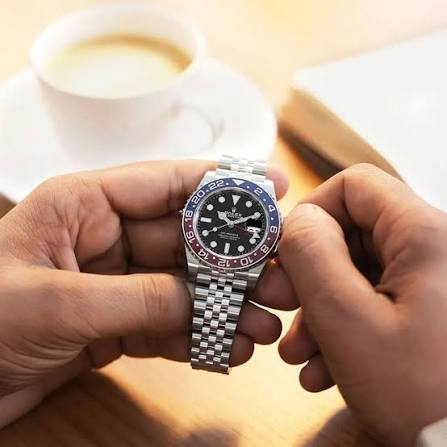
Many owners try this instinctively, but it isn’t the best long-term solution. Shaking the watch may provide enough energy to start ticking, but it will not be sufficient to fully charge it, meaning it may eventually stop again, and shaking it too violently may cause damage or unnecessary wear to the movement.
This is one of the most common myths about mechanical watches. Rolex watches are designed with a built-in mechanism that prevents overwinding, so it’s safe to wind until you feel resistance, knowing you’re not causing any damage.
A few specific signs mean it’s time to stop troubleshooting at home. Irregular ticking, a stuck crown that won’t wind or adjust the time, and any moisture visible under the crystal are all signs that indicate it’s time to visit a watchmaker.
Regular servicing prevents most long-term stoppage issues before they start. Expert watchmakers suggest servicing a Rolex every 3–4 years with regular use, or every 5–6 years with occasional wear.
Other sources suggest a slightly longer window depending on use. Even if the watch seems to be operating flawlessly, it’s worth scheduling a complete service every seven to ten years.
| Pros | Cons |
|---|---|
| Keeps the watch fully wound and ready to wear | Wrong TPD setting can cause under-winding |
| Convenient for rotating watch collections | Adds an upfront cost |
| Reduces need for frequent manual winding | Some watchmakers prefer manual winding for the movement’s longevity |
| Helps maintain consistent timekeeping | Requires correct rotation direction for your specific calibre |
Different calibers need different turns per day, and running the wrong setting means the watch still runs low on reserve even with the winder going.
A stopped Rolex is usually far less serious than it feels in the moment. A stopped Rolex is rarely a catastrophic malfunction; it usually acts as a reminder that even the finest timepieces need to be maintained.
Automatic watches rely on wrist motion for power, so once removed, the stored energy in the mainspring gradually depletes until the watch stops.
Not necessarily. Most stoppages are simply due to a depleted power reserve and are resolved with a manual wind.
Most Rolex models need about 30 to 40 full crown turns to reach a full charge from empty.
No. Rolex movements include a built-in mechanism that prevents overwinding, so turning until you feel resistance is safe.
If your daily activity doesn’t involve much wrist movement, the rotor may not generate enough energy to fully wind the watch.
Yes. Everyday items like phones, laptops, and speakers can magnetize the movement, causing erratic timekeeping or a full stop.
Signs include sudden gains or losses in accuracy, or the watch running significantly fast without any other clear cause.
It’s not recommended. Shaking can provide a temporary charge but won’t fully wind the watch and may cause unnecessary wear.
Most watchmakers recommend servicing every 5 to 10 years, depending on how often the watch is worn.
Yes. If water or condensation gets past the gaskets, it can interfere with the movement and cause serious internal damage.
It’s optional but helpful if you don’t wear your Rolex daily or rotate between multiple watches.
This pattern often points to a worn or slipping mainspring, or a crown that isn’t sealing and engaging properly.
Yes. A significant impact can jar internal components, leading to stoppage or inaccurate timekeeping.
Not usually. Most of the time it simply needs winding or more consistent wrist movement to stay charged.
Most models run between 48 and 72 hours on a full charge, with newer movements lasting up to about 70 hours.
If it stopped recently, the hands may still be close to accurate, but it needs winding to start running again.
Winding needs a firm, deliberate motion; a few light turns likely won’t be enough to meaningfully charge the mainspring.
If you don’t wear the watch daily or wear it loosely, more frequent winding or a watch winder may be necessary.
Random stopping despite proper winding is often a sign that it’s due for a professional service.
Sudden temperature changes can affect lubricants and movement performance, though it’s a less common cause than power reserve issues.
A stopped Rolex is almost always fixable, and in most cases it simply means the power reserve ran out from a lack of wrist movement. If winding it doesn’t solve the problem, or if you notice moisture, irregular ticking, or a stuck crown, it’s time to see a certified watchmaker. Staying on top of regular servicing is the best way to keep your Rolex running reliably for years to come.