
A dependable hot water system is an essential part of a comfortable and functional property because heated water supports many routine activities, including bathing, cleaning, washing dishes, laundry, and general household maintenance. When hot water becomes inconsistent, unavailable, or difficult to control, the inconvenience can quickly affect daily routines throughout the property. Although a water heater may operate quietly for years, it contains mechanical, electrical, gas, plumbing, and temperature-control components that experience normal wear over time. Sediment can accumulate, connections can deteriorate, valves can develop problems, and heating components can lose efficiency as equipment ages. Changes in household demand can also affect performance, particularly when additional fixtures, appliances, or occupants place greater demands on an existing system. For these reasons, reliable hot water depends not only on the equipment itself but also on correct sizing, professional installation, appropriate maintenance, water quality, plumbing conditions, and timely repairs. Understanding how hot water systems operate and recognizing early signs of trouble can help property owners protect their equipment, reduce unexpected interruptions, and make better decisions about maintenance and eventual replacement.
Hot water equipment is connected to several parts of the property’s plumbing infrastructure, which means its performance can be influenced by conditions beyond the main unit. Traditional tank systems store heated water so it can be delivered when fixtures are used, while tankless systems heat water as it passes through the equipment. Each design has different operating characteristics and maintenance requirements, so the appropriate service strategy depends on the specific system installed. A professional evaluation can help property owners understand the condition of the equipment and identify whether a performance problem originates within the heater or somewhere else in the plumbing network. Supply pipes, shutoff valves, pressure conditions, faucets, showers, appliances, and other fixtures can all influence how effectively hot water is delivered. Treating the heating equipment as part of the larger plumbing system provides a more complete understanding of performance and can help prevent situations where an individual component is replaced even though another condition is responsible for the symptoms.
Property owners should pay attention to gradual changes in hot water performance because early warning signs can provide an opportunity to address problems before a complete failure occurs. A system that previously supplied consistent hot water may begin producing lukewarm water, take longer to recover, or run out of heated water sooner than expected. Temperature fluctuations can sometimes indicate problems with heating components, controls, sediment accumulation, or system capacity. Unusual sounds can also be significant, especially when a tank-style unit begins producing popping, rumbling, banging, or other noises that were not present previously. These sounds may be associated with mineral or sediment buildup inside the tank, although other mechanical conditions can produce similar symptoms. Visible moisture, corrosion, unusual odors, changes in water appearance, or leaks around connections should also be investigated promptly. Recognizing these changes early allows a professional to evaluate the system while the problem may still be manageable rather than waiting until the equipment stops operating completely.
Hot water problems can develop from many different causes, and the symptoms of one issue may resemble those of another. Sediment and mineral deposits can accumulate inside tank-style systems and interfere with efficient heat transfer. Heating elements in electric systems can wear out, while gas-powered equipment may develop burner or control problems. Thermostats and other temperature-regulating components can also malfunction, causing water to become too hot, too cool, or inconsistent. Plumbing connections may develop leaks, valves can deteriorate, and changes in water pressure can affect system operation. In addition to equipment-related concerns, a property may simply have increased hot water demand that exceeds the capacity of the existing system. A professional diagnosis is therefore important before major repairs or replacement decisions are made. Evaluating the equipment, connected plumbing, household usage, and installation conditions together can help identify the actual cause and prevent unnecessary work.
Correct sizing is one of the most important factors in maintaining reliable hot water performance. A system that is too small for the property’s demand may run out of hot water frequently, require longer recovery periods, and experience greater operational stress. A system that is unnecessarily large may increase installation and operating costs without providing meaningful benefits for the property’s actual needs. Proper sizing should consider the number of occupants, bathrooms, appliances, peak usage patterns, and other factors that influence hot water demand. Changes to the property can also alter these requirements over time. Adding a bathroom, increasing occupancy, installing a larger bathtub, or changing laundry and kitchen usage can place additional demands on the system. A professional can evaluate current usage and help determine whether the existing equipment remains appropriate or whether a future replacement should provide different capacity.
Water quality can influence the condition and efficiency of hot water equipment, particularly when the system operates with water containing significant mineral content. Minerals can accumulate inside tanks, around valves, and within connected plumbing components. Over time, deposits can interfere with heating efficiency, restrict flow, contribute to unusual noises, and place additional stress on certain parts. The effects vary depending on the water conditions and the type of equipment, but recurring mineral buildup may justify a broader evaluation of the property’s plumbing system. Regular maintenance can help identify whether sediment or mineral deposits are affecting performance and whether appropriate service is necessary. Property owners should also understand that water quality can affect more than the heater itself. Faucets, showerheads, valves, appliances, and pipes can also experience deposits, making overall plumbing maintenance an important part of protecting hot water performance.
Moisture around hot water equipment should be investigated promptly because the source can range from a minor connection issue to a more significant equipment problem. Water may appear around supply connections, valves, drain fittings, or other components, while a more serious leak may involve the main tank or another structural part of the system. Because water can travel across surfaces, the location where moisture becomes visible may not always identify the actual source. Allowing a leak to continue can damage flooring, walls, cabinets, stored belongings, and other surrounding materials. Property owners should not assume that wiping away visible moisture solves the problem because the source may continue releasing water. A professional inspection can identify where the leak begins and determine whether the affected component can be repaired or whether additional work is necessary. Prompt attention can help reduce water exposure and prevent a manageable plumbing problem from becoming a larger property issue.
Heating components are central to the operation of hot water equipment, and their condition should be evaluated when performance changes occur. Electric systems commonly depend on heating elements and thermostats, while gas systems rely on burners and associated controls. These components can experience normal wear and may eventually require service or replacement. A damaged heating element can reduce hot water availability, while a faulty thermostat can affect temperature regulation. However, replacing one component without evaluating the rest of the equipment may not always provide a lasting solution, particularly when the system is older and multiple components are showing signs of deterioration. Professional diagnosis can help determine whether the problem is isolated or part of a broader decline in equipment condition. When the rest of the system remains reliable, repairing a specific component may be practical, but when several major parts are failing, property owners may benefit from discussing longer-term replacement options.
Valves and plumbing connections play an important role in the operation and serviceability of a hot water system. A shutoff valve allows the equipment to be isolated when maintenance is required, while supply and outlet connections transport water into and out of the unit. These components can develop corrosion, mineral buildup, loose connections, or leaks over time. A problem with a valve or connection can sometimes create symptoms that appear to originate inside the equipment, making proper diagnosis important. During maintenance or repair, accessible connections should be inspected for moisture and deterioration, and valves should be evaluated for proper operation when appropriate. Addressing a deteriorated connection during a scheduled service visit may prevent a secondary plumbing failure from occurring shortly afterward. This broader inspection is particularly useful in older systems where multiple connected components may have similar levels of wear.
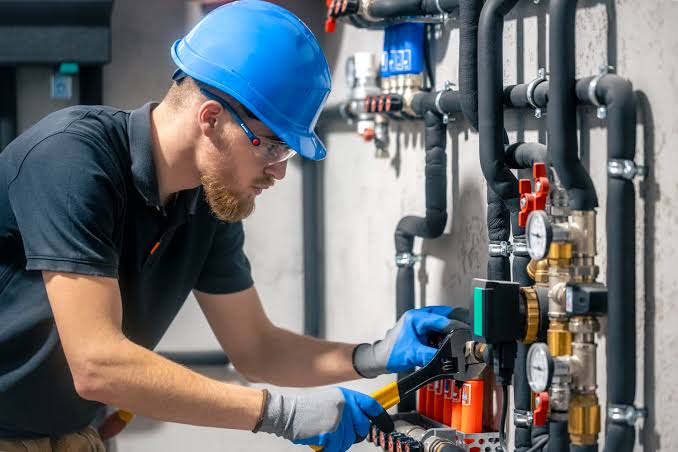
Professional water heater service can help property owners maintain dependable performance by combining accurate diagnosis with appropriate maintenance and repairs. Rather than replacing components based only on visible symptoms, a technician can inspect the equipment and surrounding plumbing to determine the actual source of the problem. This can be particularly important when the system experiences recurring temperature problems, leaks, unusual sounds, or inconsistent performance. Professional service can also identify related concerns involving valves, supply lines, pressure conditions, or connected fixtures. Addressing these issues together when appropriate can reduce repeated service calls and improve the overall reliability of the plumbing network. A thorough evaluation also gives property owners a clearer understanding of the equipment’s current condition, allowing them to distinguish between a repairable problem and signs that the system may be approaching the end of its useful service life.
A malfunctioning hot water system does not automatically need to be replaced. If the equipment is relatively modern and the problem is limited to a serviceable component, repair may provide a practical solution. Replacing a heating element, thermostat, valve, connection, or other component can restore performance when the main equipment remains in good condition. However, repeated failures may change the cost-benefit considerations. An older unit that has experienced multiple repairs, significant corrosion, persistent leakage, or several component failures may require increasingly frequent service. Property owners should consider the full service history rather than evaluating only the cost of the latest repair. A professional can assess the age and condition of the equipment and explain whether continued repairs remain reasonable or whether replacing the system would provide a more dependable long-term solution.
Routine maintenance can help property owners identify developing problems before they become major failures. Maintenance requirements vary depending on the type of equipment and installation, but professional inspections can generally evaluate accessible connections, controls, heating components, valves, and other important parts. Property owners should also monitor performance between service visits and report changes such as unusual sounds, temperature fluctuations, visible corrosion, moisture, or declining hot water availability. Keeping service records is another useful maintenance practice because information about previous repairs, inspections, component replacements, and installation dates can help technicians understand the history of the equipment. This documentation may also assist property owners when deciding whether continued maintenance is appropriate or whether replacement planning should begin. Preventive care does not eliminate every possible failure, but it can provide earlier warning and make future decisions more organized.
Long-term planning can make hot water management easier, especially when a property is undergoing changes. Renovations, additional bathrooms, increased occupancy, new appliances, or changes in household routines can significantly affect hot water demand. A system that was adequate when originally installed may not provide the same level of performance after these changes. Property owners should consider future requirements when evaluating equipment condition and planning eventual replacement. Discussing expected changes with a professional can help determine whether the existing capacity remains suitable or whether a different system configuration would be more appropriate. Planning before an emergency occurs also provides more time to consider installation requirements, plumbing modifications, equipment options, and scheduling. This can reduce the disruption associated with an unexpected failure and allow the property owner to approach replacement as a planned improvement rather than an urgent response.
Hot water equipment should be maintained as part of the property’s entire plumbing network because its performance can be affected by other components. Faucets, showers, valves, supply pipes, appliances, pressure conditions, and water quality all interact with the system. A leaking faucet can waste heated water, while a deteriorated hot water connection can reduce efficiency and create moisture problems. Plumbing restrictions can also influence flow and make the heating system appear to be performing poorly. Maintaining connected components helps ensure that the hot water equipment can operate under appropriate conditions. Professional inspections can provide an opportunity to evaluate both the equipment and surrounding plumbing, allowing property owners to identify problems that may otherwise remain hidden. A system-wide approach can reduce unnecessary repairs and support more consistent performance over time, while professional water heater service can help identify and address related plumbing concerns when needed.
Reliable hot water depends on a combination of properly selected equipment, correct installation, appropriate capacity, good plumbing connections, water quality management, regular maintenance, and timely professional service. When property owners notice inconsistent temperatures, unusual noises, leaks, corrosion, reduced hot water availability, or other changes in normal performance, prompt attention can help identify the cause before the problem becomes a major interruption. Some issues can be resolved through targeted repairs, while older systems with repeated failures may require a more comprehensive replacement strategy. Understanding the difference between these situations allows property owners to make practical decisions based on the actual condition of their equipment rather than responding only when a complete failure occurs.Professional water heater maintenance and service can provide long-term value by addressing immediate performance concerns while also evaluating the connected plumbing infrastructure. Property owners can further support reliability by monitoring the system, keeping detailed service records, maintaining valves and fixtures, responding promptly to leaks, and planning for future changes in hot water demand. When equipment condition, household usage, plumbing infrastructure, and maintenance needs are considered together, the result can be a more dependable hot water system with fewer unexpected interruptions. A proactive approach helps protect the property’s plumbing investment while supporting comfortable and efficient hot water service for years to come.