
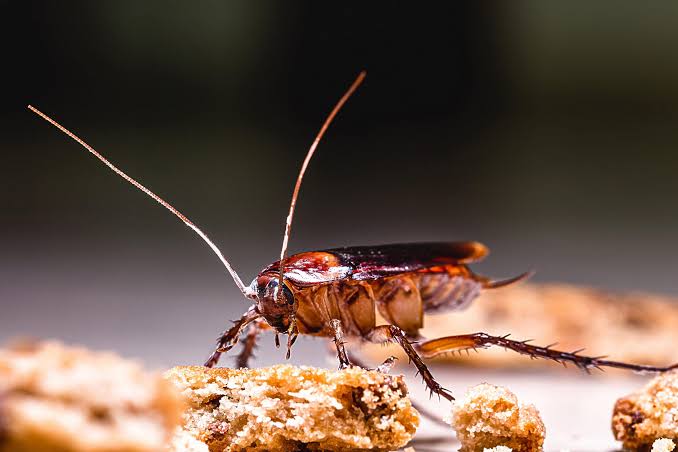
Cockroaches are among the most adaptable and persistent pests found around homes, businesses, restaurants, storage facilities, and other buildings. Their ability to hide in narrow spaces, locate food and moisture, and reproduce under suitable conditions makes them challenging to manage once they become established. While spotting a single cockroach does not always mean a severe infestation is present, repeated sightings, droppings, egg cases, or unpleasant odors can indicate that further investigation is needed. Understanding cockroach behavior and the conditions that attract them can help property owners take effective steps toward prevention and control.
These insects are especially attracted to environments that offer food, water, warmth, and shelter. Kitchens, bathrooms, utility rooms, storage spaces, and areas around appliances can provide several of these resources at once. Cockroaches can also enter buildings through cracks, gaps, plumbing openings, vents, doors, and other access points. Once inside, they may move through concealed spaces and remain unnoticed for long periods.
Cockroaches are highly adaptable insects that can survive in many different environments. They tend to seek dark, protected areas where they can remain undisturbed. During the day, many cockroaches stay hidden in cracks, cabinets, wall voids, appliance spaces, drains, and other sheltered locations.
They often become more active at night when human activity decreases. This nocturnal behavior means that property owners may not notice an infestation until it has already developed.
Cockroaches can also travel between different areas of a building. Small gaps around plumbing, electrical lines, doors, and walls can provide pathways. In larger buildings, shared utility spaces may allow pests to move between rooms or units.
Live cockroaches are not the only indication of an infestation. Several other signs can reveal their presence.
Small dark droppings may appear inside cabinets, near appliances, along walls, or around food-storage areas. Shed skins and egg cases can also indicate that cockroaches are reproducing nearby.
A persistent unpleasant or musty odor may develop when a population becomes established. Smear marks may also appear along frequently traveled surfaces.
Damaged food packaging can provide another clue, particularly when the damage occurs repeatedly in the same storage area.
When several signs appear together, a thorough inspection can help determine the extent of the problem.
Cockroaches typically enter buildings because they offer resources that support survival. Food residue, garbage, pet food, moisture, warmth, and clutter can all make an environment more attractive.
Some cockroaches may enter through exterior cracks and gaps, while others can be brought inside through boxes, packages, used furniture, appliances, or stored materials.
Leaking pipes and damp areas can provide valuable moisture, while kitchens and utility rooms may provide warmth and shelter.
Understanding these contributing factors is important because eliminating visible insects without addressing the conditions that attracted them may lead to recurring activity.
Food management is one of the most important parts of cockroach prevention. Small amounts of crumbs, grease, spilled drinks, and food residue can provide accessible nourishment.
Food should be stored in tightly closed containers whenever practical. Open packages should not be left exposed for extended periods.
Counters, floors, cabinets, and food-preparation surfaces should be cleaned regularly. Spills should be addressed promptly, particularly in kitchens and dining areas.
Garbage should also be placed in appropriate containers and removed regularly.
Pet food can attract cockroaches as well. Bowls should be cleaned routinely, and exposed food should not remain available longer than necessary.
Cockroaches require access to moisture, so water management is an important part of prevention.
Leaking faucets, damaged plumbing, condensation, damp cabinets, and standing water can create favorable conditions. Areas beneath sinks should be checked periodically for leaks or moisture buildup.
Bathrooms and laundry areas may also require particular attention.
Repairing plumbing problems and improving ventilation can help reduce moisture levels. Although moisture control alone will not necessarily eliminate an established infestation, it can make the property less attractive to cockroaches.
Clutter provides hiding spaces where cockroaches can remain undisturbed. Cardboard boxes, paper piles, unused containers, bags, and stored materials can all create potential shelters.
Reducing unnecessary clutter can make cleaning and inspection easier while limiting the number of places available for pests to hide.
Storage areas should be organized so that floors, walls, corners, and other surfaces remain accessible.Where practical, stored items should be kept away from damp areas and arranged in a way that allows regular inspection.
Preventing cockroaches from entering a building is an important part of long-term management. Small gaps around doors, windows, pipes, vents, and utility lines should be inspected and sealed where appropriate.
Cracks around foundations and openings where plumbing enters walls can also provide access.Door sweeps and properly fitted seals can reduce gaps around exterior doors.Sealing entry points is particularly valuable because it can reduce the arrival of new pests even after an existing infestation has been treated.
Kitchens provide many of the conditions cockroaches seek, making cleanliness particularly important.Food preparation surfaces should be cleaned regularly, while grease and food residue should not be allowed to accumulate.
Areas behind and beneath appliances can also collect crumbs and debris. Refrigerators, ovens, dishwashers, and other equipment should therefore be included in routine cleaning and inspection.
Cabinets and pantry areas should be checked for spilled food and damaged packaging.Good sanitation reduces available food sources and makes signs of pest activity easier to detect.
Bathrooms can provide cockroaches with moisture and concealed pathways around plumbing fixtures.
Areas beneath sinks, behind toilets, around pipes, and inside bathroom cabinets should be inspected periodically.Excessive humidity can also contribute to favorable conditions. Proper ventilation can help keep the area drier.
If cockroaches continue appearing in a bathroom despite good cleaning and moisture management, the source may be located in a concealed plumbing or structural area.
Appliances can provide warmth and shelter, particularly when food residue is present nearby. Refrigerators, ovens, dishwashers, washing machines, and other equipment may therefore become hiding areas.Cleaning underneath and behind appliances can remove food debris and improve visibility.
However, appliances should be handled carefully during inspection and cleaning. Electrical connections and equipment components should not be exposed to unnecessary moisture.If an infestation appears concentrated around an appliance, professional assistance can help determine how to address the area safely.
Commercial properties can face complex pest challenges because they often contain food, storage rooms, waste areas, deliveries, plumbing systems, and numerous access points.
Restaurants and food-service facilities require particularly careful sanitation and monitoring.Warehouses may have large storage areas and packaging that provide shelter. Offices can experience activity around kitchens, break rooms, vending areas, and waste containers.
Regular inspections and preventive maintenance can help identify pest activity before it becomes a larger operational problem.
Apartment buildings and other shared properties can be difficult to manage because cockroaches may move between units through walls, ceilings, plumbing systems, and utility openings.
Treating only one area may not resolve the problem if activity continues elsewhere in the building.Property managers and residents should communicate about repeated sightings and coordinate inspections when necessary.
Residents can contribute to prevention by storing food securely, cleaning regularly, managing garbage, reducing clutter, and reporting signs of activity promptly.
Professional pest-control services can be useful when cockroach activity is persistent, widespread, or difficult to locate. Trained technicians can inspect the property, identify likely activity areas, and develop a treatment plan based on the specific conditions.
Professional approaches may involve monitoring, targeted baiting, carefully selected insecticides, sanitation recommendations, exclusion, and follow-up inspections.
The objective is to address the broader infestation rather than simply eliminate insects that are visible.Pest-control products should always be used according to their labels and applicable safety requirements. Excessive application does not necessarily improve results and may create unnecessary exposure.
Baits can form part of a professional cockroach-management strategy. They are generally placed in areas where cockroaches are likely to encounter them.Their effectiveness can depend on proper placement, suitable product selection, and the availability of competing food sources.
Monitoring tools can also help determine where cockroach activity is concentrated.If monitoring indicates continued activity after treatment, the control strategy may need to be reassessed.
Cockroach prevention should continue after visible activity has decreased. Food should remain securely stored, garbage should be managed properly, and moisture problems should be addressed promptly.
Structural gaps should also be checked periodically, particularly around plumbing, doors, windows, foundations, and utility openings.Outdoor areas should be maintained as well. Excessive debris, standing water, and clutter near exterior walls can potentially provide favorable conditions for pests.
Consistent preventive maintenance can make it harder for cockroaches to establish themselves.
One common mistake is focusing only on visible insects. Because cockroaches can hide in concealed spaces, killing those that are seen may leave the main population untouched.
Another mistake is ignoring food and moisture sources. If these resources remain readily available, cockroaches may continue to survive despite treatment.Using excessive amounts of pesticide can also be problematic. More product does not automatically produce better control and may increase unnecessary exposure.
Stopping preventive measures immediately after sightings decrease can also allow remaining insects to reproduce and rebuild the population.
Professional assistance may be appropriate when cockroaches appear repeatedly, activity is found in several areas, or previous control attempts have not provided lasting results.
Commercial properties, restaurants, warehouses, rental buildings, and multi-unit residences may benefit from scheduled inspections and preventive pest-management programs.A professional can identify likely hiding locations, determine contributing conditions, and recommend appropriate control and monitoring methods.
Long-term prevention depends on consistent property maintenance. Food should be stored securely, surfaces should be cleaned regularly, garbage should be managed properly, and plumbing problems should be repaired promptly.Storage areas should remain organized, and unnecessary cardboard or clutter should be removed.
Regular inspection of structural gaps can also help prevent cockroaches from entering the building.Everyone using the property should understand basic prevention practices so that efforts remain consistent.
Cockroaches are resilient pests that can survive in environments where food, water, warmth, and shelter are readily available. Their ability to hide in small spaces and move through concealed pathways makes them difficult to manage without addressing the underlying causes of an infestation.
Effective cockroach prevention involves proper food storage, regular cleaning, moisture management, clutter reduction, structural exclusion, monitoring, and appropriate professional treatment when necessary. Recognizing signs such as droppings, egg cases, shed skins, unpleasant odors, and repeated sightings can help property owners respond before the problem becomes more extensive.
Professional assistance can be particularly useful when activity persists or the source is difficult to identify. With consistent sanitation, building maintenance, and a comprehensive pest-management strategy, property owners can reduce the conditions that support cockroach activity and maintain a cleaner, more comfortable environment.