
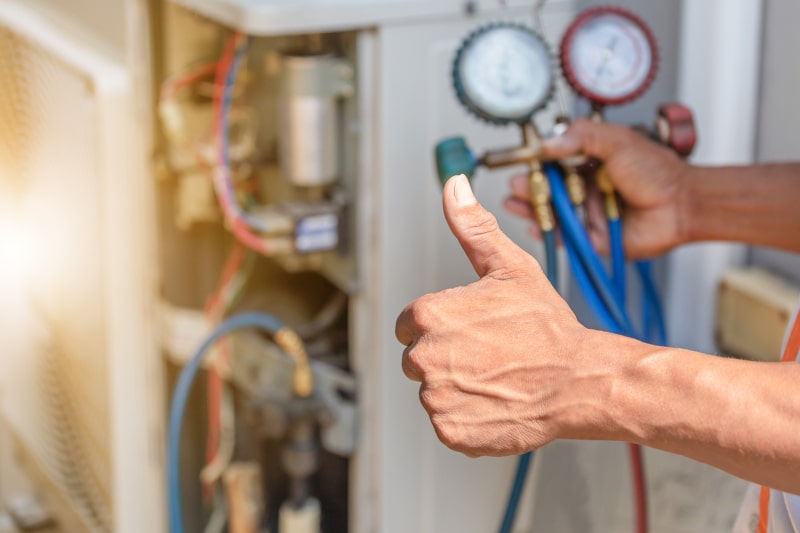
Heating and cooling equipment plays an essential role in maintaining a comfortable indoor environment throughout changing seasons, but reliable performance depends on more than simply turning the thermostat to the desired temperature. HVAC systems contain numerous mechanical, electrical, airflow, and control components that must operate together to provide consistent results. As equipment operates over time, normal wear, accumulated debris, restricted airflow, electrical deterioration, drainage concerns, and other conditions can gradually influence performance. Some problems may become noticeable through unusual sounds, longer operating cycles, inconsistent temperatures, or weak airflow, while other issues may remain hidden until the equipment experiences a significant failure. A professional HVAC tune up provides property owners with an opportunity to evaluate the condition of their system before these concerns become more disruptive. Rather than waiting until equipment stops operating completely, homeowners can use regular service to understand how the system is performing, identify developing maintenance needs, and address appropriate concerns while there is greater flexibility in scheduling repairs. A comprehensive tune-up can also provide valuable information for long-term planning, particularly when equipment is becoming older or has developed a history of repeated service requirements.
An HVAC tune-up is designed to evaluate the condition and operation of heating and cooling equipment so that potential concerns can be identified and addressed appropriately. The exact procedures involved depend on the type of HVAC system, manufacturer recommendations, equipment age, installation conditions, previous maintenance, and current performance. A professional inspection may involve reviewing filters, airflow, electrical connections, motors, controls, drainage, coils, safety components, and other system-specific parts. The purpose is not simply to confirm that the equipment turns on and off, because an HVAC system can continue operating while developing conditions that affect efficiency, comfort, reliability, or future repair needs. A tune-up gives technicians an opportunity to look more closely at how the system is operating and whether individual components are working together properly. This can be especially valuable before periods of heavy heating or cooling demand because seasonal preparation allows homeowners to learn about potential concerns before the equipment is required to operate for extended periods. Regular professional evaluation can therefore become an important part of a broader strategy for managing HVAC equipment throughout its useful service life.
Preventive HVAC service can provide benefits that go beyond responding to an emergency after equipment has already failed. Heating and cooling systems operate through repeated cycles, and every cycle places normal demands on motors, electrical components, controls, blowers, fans, and other parts. Over time, components may experience wear even when the system continues to provide acceptable comfort. A homeowner may not realize that airflow has gradually weakened or that equipment is cycling differently until the change becomes significant. A professional tune-up provides an opportunity to compare current operating conditions with the expected behavior of the system and investigate anything that appears unusual. Preventive service cannot eliminate every possible breakdown because individual components can fail unexpectedly, but it can help identify conditions that deserve attention before they become more serious. It can also provide homeowners with information about the current condition of their equipment, allowing them to plan repairs instead of being forced to make decisions under the pressure of an unexpected loss of heating or cooling.
Airflow is one of the most important factors in HVAC performance because conditioned air must move effectively between the equipment and occupied areas of the property. If airflow becomes restricted, the system may have difficulty maintaining consistent temperatures even when the primary heating or cooling equipment appears to be operating. Restricted filters, blocked registers, ductwork problems, blower issues, damaged components, and inadequate return airflow can all influence circulation. Homeowners may notice that certain rooms remain warmer or cooler than others, that air coming from registers feels weaker than usual, or that the system runs for longer periods before reaching the thermostat setting. These symptoms can have several possible causes, which is why professional evaluation is useful when basic filter maintenance does not resolve the issue. During a tune-up, technicians can consider the condition of filters, blower operation, return pathways, supply registers, and accessible ductwork to determine whether airflow is being affected. Maintaining appropriate airflow can support consistent comfort and help the HVAC equipment operate under conditions closer to its intended design.
Filters are relatively simple components, but their condition can have an important influence on HVAC operation. As air passes through a filter, airborne particles are collected, and the filter gradually becomes loaded depending on property conditions and system use. Homes with pets, renovation activity, higher occupancy, outdoor dust, or other sources of airborne particles may require closer attention to filter conditions. A heavily loaded filter can increase resistance to airflow and may cause the HVAC system to operate differently. However, choosing a filter should not be based solely on selecting the most restrictive option available. The filter must be appropriate for the equipment and compatible with its airflow requirements. During professional maintenance, technicians can consider whether filtration is appropriate and whether airflow appears to be affected by filter condition. Homeowners should also monitor filters between service visits and follow equipment and filter manufacturer recommendations. Regular filter attention works best as one part of a complete maintenance strategy rather than as a substitute for professional inspection.
Heating equipment can experience substantial demand during colder periods, making seasonal preparation particularly useful. Furnaces, heat pumps, boilers, and other heating systems use different technologies and therefore have different maintenance requirements, but all depend on properly functioning components and controls. A professional tune-up before heavy heating demand can provide an opportunity to evaluate relevant components and identify conditions that may affect operation. Homeowners should also pay attention to changes in normal heating performance, such as repeated cycling, unusual sounds, weak airflow, delayed startup, inconsistent temperatures, or difficulty maintaining the selected thermostat setting. These signs do not automatically identify a specific mechanical problem, but they indicate that the system is behaving differently from normal and may benefit from professional evaluation. Addressing developing concerns before the equipment is operating continuously can provide more flexibility and may help property owners avoid an inconvenient failure during periods when heating is most needed.
Cooling systems also benefit from professional preparation before periods of increased seasonal demand. Air conditioners and heat pumps depend on appropriate airflow, electrical operation, heat-transfer components, drainage, controls, and other system-specific parts. Outdoor equipment can also be affected by accumulated leaves, grass, dirt, and other debris that may restrict airflow around the unit. A tune-up allows technicians to evaluate the condition of relevant components and determine whether cleaning, adjustment, maintenance, or further diagnosis is appropriate. Homeowners may notice cooling problems through longer operating cycles, inconsistent room temperatures, weak airflow, unusual sounds, or difficulty maintaining the thermostat setting. These symptoms can have several possible causes, including airflow restrictions, equipment wear, control problems, or other conditions. Professional evaluation can help identify the actual cause instead of relying on repeated thermostat adjustments. Preparing the cooling system before peak demand can also give homeowners more time to address maintenance concerns without waiting for an emergency.
Electrical components are essential to HVAC operation because they control and power many of the system’s functions. Depending on the equipment, electrical components can include wiring, capacitors, contactors, relays, switches, control boards, motors, and other parts. These components experience repeated operating cycles and can eventually show signs of wear or deterioration. Electrical problems may sometimes appear as intermittent startup, unexpected shutdowns, repeated cycling, unusual sounds, or equipment that does not respond properly to thermostat commands. A professional tune-up can provide an opportunity to inspect appropriate electrical components and determine whether they appear to be operating normally. Because HVAC equipment contains energized electrical components, homeowners should avoid attempting technical electrical diagnosis or repair themselves. Professional evaluation can help determine whether a particular electrical part is responsible for a symptom and whether additional inspection is necessary. Identifying electrical concerns through planned service can also help property owners address issues before they result in a complete loss of system operation.
The thermostat and control system determine how HVAC equipment responds to indoor temperature requirements, so their operation is an important part of overall system performance. A thermostat that is incorrectly configured, poorly positioned, inaccurate, or incompatible with the equipment can contribute to temperature fluctuations, excessive cycling, delayed operation, or unnecessarily long heating and cooling periods. Homeowners sometimes assume that these symptoms automatically indicate a problem with the furnace or air conditioner, but the control system may be contributing to the behavior. During a professional tune-up, technicians can review thermostat operation and system controls to determine whether the equipment is receiving appropriate operating instructions. Modern thermostats may provide scheduling, remote access, monitoring, and other features, but these functions depend on proper configuration and compatibility. Ensuring that controls operate correctly can help the HVAC system respond more predictably and can prevent homeowners from repeatedly changing settings to compensate for an underlying control problem.
Ductwork is an important part of many heating and cooling systems because it carries conditioned air throughout the property. Ducts can develop leaks, disconnected sections, damaged insulation, restrictions, or other problems as buildings age and components experience normal movement or wear. When ductwork is not functioning properly, some rooms may receive less conditioned air than others, creating uneven temperatures that can be mistaken for equipment problems. A professional tune-up can consider accessible ductwork and air-distribution components when comfort or airflow concerns are present. If significant debris is found, cleaning may be appropriate, but duct cleaning does not correct physical damage, leakage, or poor design. The actual condition of the air-distribution system should therefore be evaluated before determining what service is needed. Addressing ductwork problems when appropriate can help the HVAC system distribute conditioned air more effectively and may improve consistency between different areas of the property.
HVAC systems can produce condensation during normal cooling operation, and certain high-efficiency heating systems may also create condensate. Drain lines, pans, pumps, and related components are designed to move this water away from the equipment. When a drain becomes restricted or another component develops a problem, moisture may collect around the HVAC system. Homeowners may notice visible water, staining, damp areas, unusual odors, or repeated drainage concerns. These conditions should not simply be ignored because continued moisture can affect equipment and surrounding building materials. A professional tune-up can include an evaluation of relevant drainage components and help determine whether water is being managed properly. If a recurring blockage is discovered, identifying the reason for the blockage is important rather than repeatedly addressing only the immediate symptom. Proper drainage maintenance supports equipment operation and can help reduce the likelihood of moisture-related property concerns.
Homeowners are often in the best position to notice changes because they use the HVAC system every day. A new sound, unfamiliar odor, longer operating cycle, weaker airflow, inconsistent temperature, repeated shutdown, or unusual thermostat behavior can all provide valuable information about the system’s condition. These symptoms do not necessarily mean that a major failure is imminent, but they represent changes that deserve attention when they persist or become more noticeable. Keeping notes about when the issue occurs can make professional diagnosis more efficient. For example, it may be useful to record whether a sound appears during startup, during continuous operation, or when the equipment shuts down. Similarly, homeowners can note whether an uncomfortable room is always affected or only becomes uncomfortable under certain weather conditions. This information, combined with professional inspection, can help determine whether the cause involves equipment, airflow, controls, ductwork, or building conditions.
Professional hvac tune up provides property owners with an opportunity to have their heating and cooling systems evaluated by qualified technicians. The scope of service can vary according to equipment type, age, manufacturer requirements, previous maintenance, and current system condition. A professional may evaluate airflow, filters, electrical components, controls, motors, coils, drainage, ductwork, safety components, and other relevant areas. Professional service becomes especially useful when a system has recurring problems or when homeowners have noticed changes in normal operation but cannot determine the cause. A technician can review current symptoms alongside the system’s service history and identify whether the concern appears isolated or part of a broader pattern. This information can help property owners prioritize repairs, understand maintenance requirements, and determine whether future replacement planning should be considered.
Maintenance records provide valuable information that can make future HVAC service more efficient. Homeowners can record equipment models, installation dates, previous inspections, repairs, component replacements, filter changes, service recommendations, and warranty information. When a system develops a new problem, technicians can review this history to understand which components have previously required attention and whether similar concerns have occurred. Records can also help property owners identify patterns over several years. If repairs become increasingly frequent or the same component requires repeated service, that information may influence future planning. Keeping documentation organized does not require complicated software or extensive paperwork. Even basic records stored in an accessible location can provide useful background when a technician evaluates the system. Over the life of an HVAC system, these records can become an important resource for maintenance, repair, budgeting, and replacement planning.
An HVAC tune-up can also provide information that helps property owners think beyond immediate maintenance. Equipment does not necessarily need replacement simply because it reaches a certain age, and age alone does not provide a complete picture of system condition. Repair history, equipment performance, operating requirements, maintenance needs, and the condition of major components can all contribute to future planning. If a system is generally performing well and has an isolated maintenance issue, addressing that problem may allow continued operation. If an older system has experienced repeated significant failures, a broader evaluation may help the homeowner understand whether continued repairs remain practical or whether future replacement planning should begin. Having this information before a complete failure occurs gives property owners more time to compare equipment options, understand installation requirements, consider related ductwork or electrical improvements, and schedule work according to their circumstances.
A properly maintained HVAC system can contribute to more consistent indoor comfort, but comfort depends on more than the central equipment alone. Ductwork, insulation, windows, air leakage, humidity, thermostat location, building layout, and occupancy can all influence how different rooms respond to heating and cooling. If one room remains uncomfortable while the rest of the property reaches the desired temperature, replacing the HVAC unit may not necessarily solve the problem. A professional evaluation can help determine whether the concern originates from the equipment, air distribution, controls, or building characteristics. This broader perspective is important because it prevents homeowners from treating every comfort concern as a central equipment failure. By evaluating the complete environment, property owners can focus improvements on the factors that are actually affecting indoor conditions and avoid unnecessary changes that may not address the underlying issue.
HVAC maintenance is most effective when it becomes part of a property’s regular care rather than something that happens only after a breakdown. Homeowners can support system performance by monitoring filters, keeping supply and return openings unobstructed, observing changes in operating behavior, maintaining reasonable clearance around outdoor equipment, and keeping service records organized. Professional hvac maintenance can then provide the more detailed inspection and technical evaluation that requires specialized knowledge and equipment. This combination creates a practical approach to managing HVAC systems throughout the year. Seasonal service can prepare equipment for periods of increased demand, while ongoing homeowner awareness can help identify changes between professional visits. The objective is not to guarantee that the system will never require repair, but to maintain better awareness of its condition and respond appropriately when concerns appear.
A professional HVAC tune-up is an important part of maintaining reliable heating and cooling performance because it gives property owners an opportunity to evaluate equipment before minor concerns become major disruptions. Airflow, filters, electrical components, thermostats, ductwork, drainage, mechanical parts, controls, and safety devices can all influence system operation, and each should be considered according to the specific equipment and property. Regular professional service can identify developing concerns, investigate changes in normal performance, and provide useful information about the system’s current condition. Homeowners can support this process by monitoring filters, paying attention to unusual sounds or odors, keeping service records, and arranging professional maintenance before periods of heavy seasonal demand.A proactive approach also provides valuable information for long-term HVAC planning. When homeowners understand the history and condition of their equipment, they can make more informed decisions about repairs, maintenance, upgrades, and eventual replacement. Rather than waiting for an unexpected breakdown to determine that the system requires attention, scheduled tune-ups provide an opportunity to evaluate the equipment while it is still operating. Combined with appropriate maintenance and timely professional service, this approach can support more consistent indoor comfort, dependable system operation, and better management of HVAC equipment throughout its useful life.