
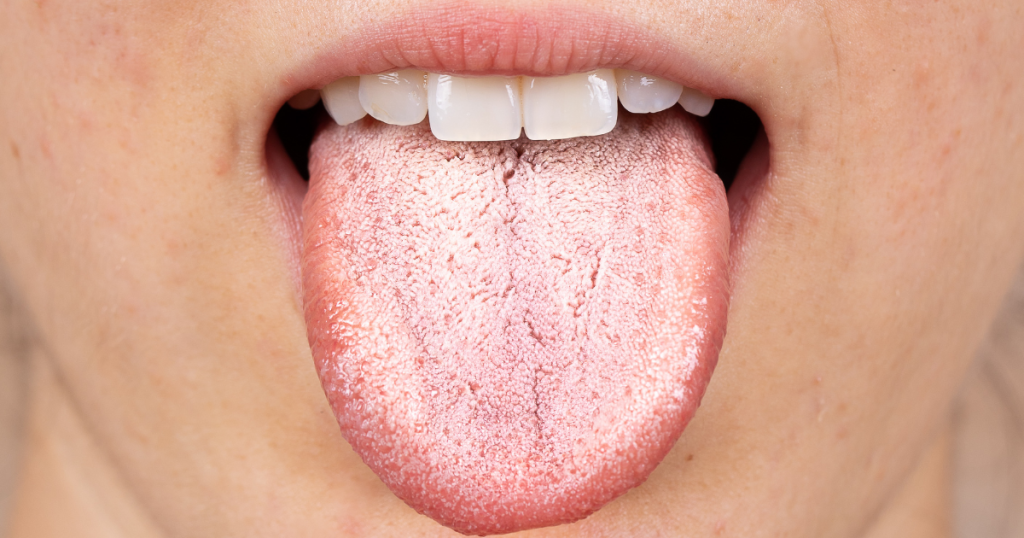
Why is my tongue white is a question many people ask the moment they catch a glimpse of an unusual coating in the mirror.
In most cases, a white tongue is harmless and temporary — caused by something as simple as poor oral hygiene or mild dehydration.
But in some situations, that white coating signals an infection, an immune issue, or a condition that needs professional attention.
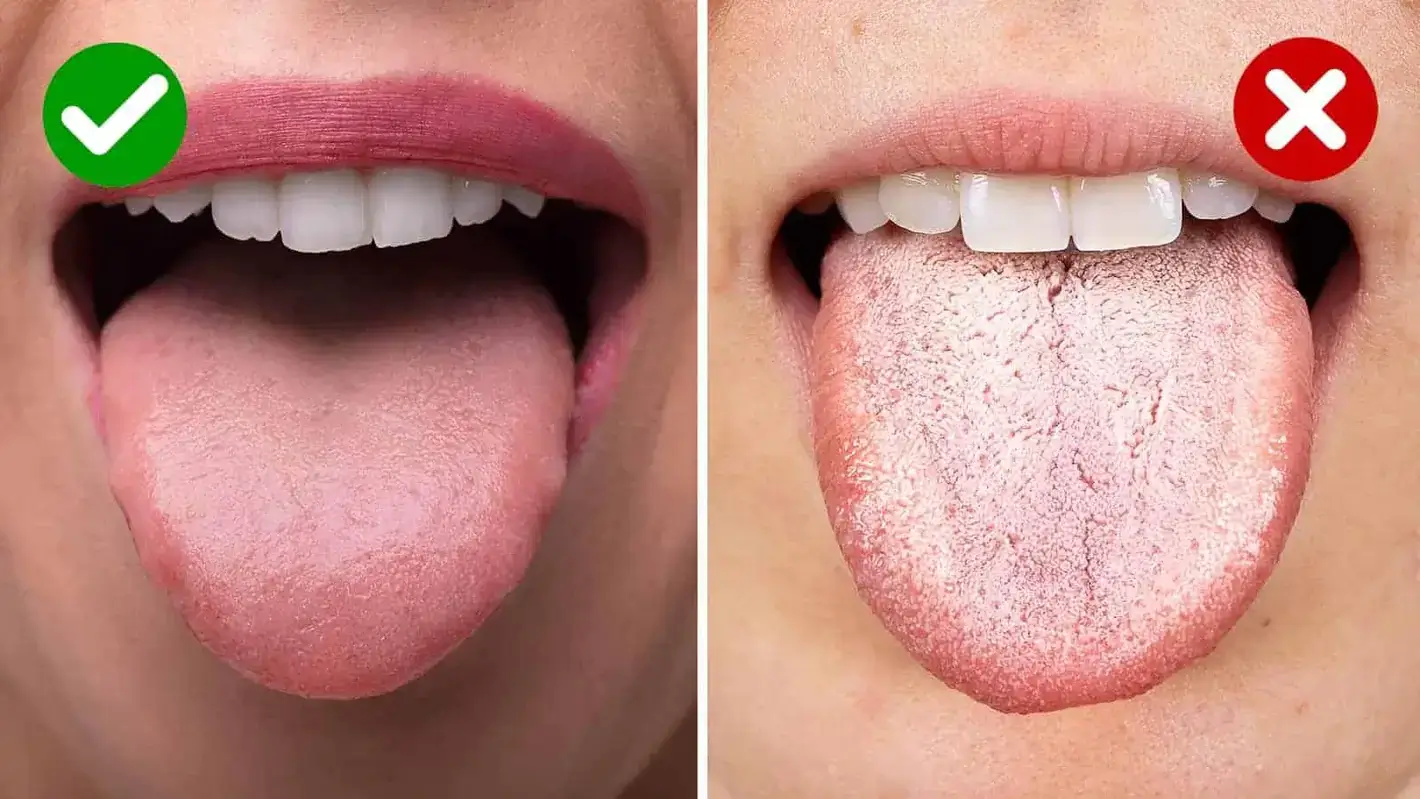
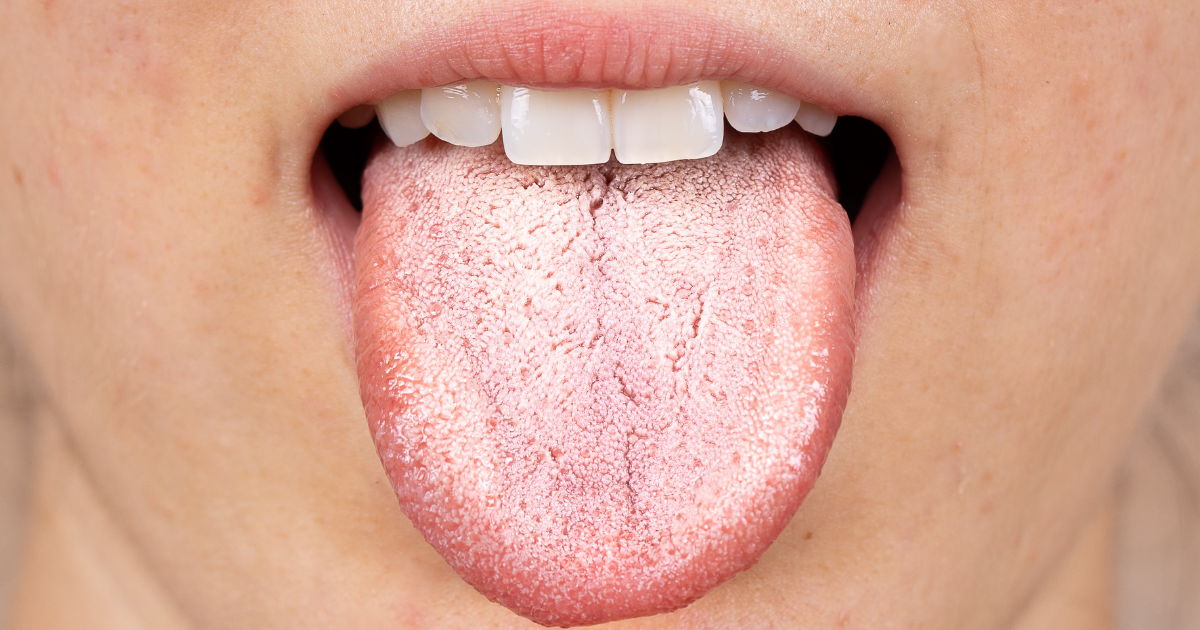
A white tongue can appear in several different ways depending on the underlying cause. Knowing what type you have helps narrow down the reason quickly.
The coating may cover the entire surface of the tongue or appear only in patches. It can look thin and filmy like a light frost, or thick and lumpy like cottage cheese. Some cases produce white lines or lace-like patterns, while others involve raised white spots or plaques.
The texture and location of the white area matters as much as the color. A coating that wipes off easily is very different from a thick patch that stays firmly in place — and that difference is often the first clue to the cause.
The most common reason your tongue turns white is inadequate cleaning of the mouth. When you do not brush thoroughly or clean your tongue, food debris, dead skin cells, and bacteria accumulate between the small bumps on the tongue’s surface called papillae.
These papillae become inflamed and swell up, trapping even more material between them. The result is a white or off-white coating across the tongue that makes breath smell stale and the mouth feel unclean.
Brushing twice daily, flossing, and actively cleaning the tongue with a scraper or toothbrush is the most reliable fix for hygiene-related white tongue.
When your body is not getting enough fluids, saliva production drops. Saliva plays a crucial role in washing away bacteria and food particles from the tongue’s surface throughout the day.
Without enough saliva, bacteria and debris stick more easily to the papillae, causing a white or pale appearance. People who breathe through their mouth, use certain medications, or simply do not drink enough water are at higher risk.
Drinking at least eight glasses of water per day and cutting back on alcohol and caffeine helps restore normal saliva flow and reduces tongue discoloration.
Oral thrush is a fungal infection caused by an overgrowth of Candida yeast in the mouth. It is one of the most recognizable causes of a white tongue because the coating has a very distinctive thick, creamy appearance — often described as looking like cottage cheese.
The white patches from oral thrush can appear on the tongue, inner cheeks, roof of the mouth, and throat. Unlike debris buildup, thrush patches often leave a raw or red surface behind when wiped, and they can cause soreness, burning, and difficulty swallowing.
Oral thrush is most common in infants, elderly individuals, people who use inhaled corticosteroids, and those with weakened immune systems from conditions like HIV or cancer treatment. It requires antifungal medication — typically fluconazole or nystatin — prescribed by a doctor or dentist.
Geographic tongue is a harmless condition where smooth, red patches with white or light-colored borders appear on the tongue’s surface. The patches shift position over time, creating a map-like appearance — which is how the condition gets its name.
It does not cause long-term damage and usually does not require treatment. However, some people experience mild discomfort or sensitivity to spicy, acidic, or very hot foods.
Geographic tongue is more common in people with eczema, psoriasis, Type 1 diabetes, or reactive arthritis. Managing food triggers and reducing stress tends to ease symptoms.
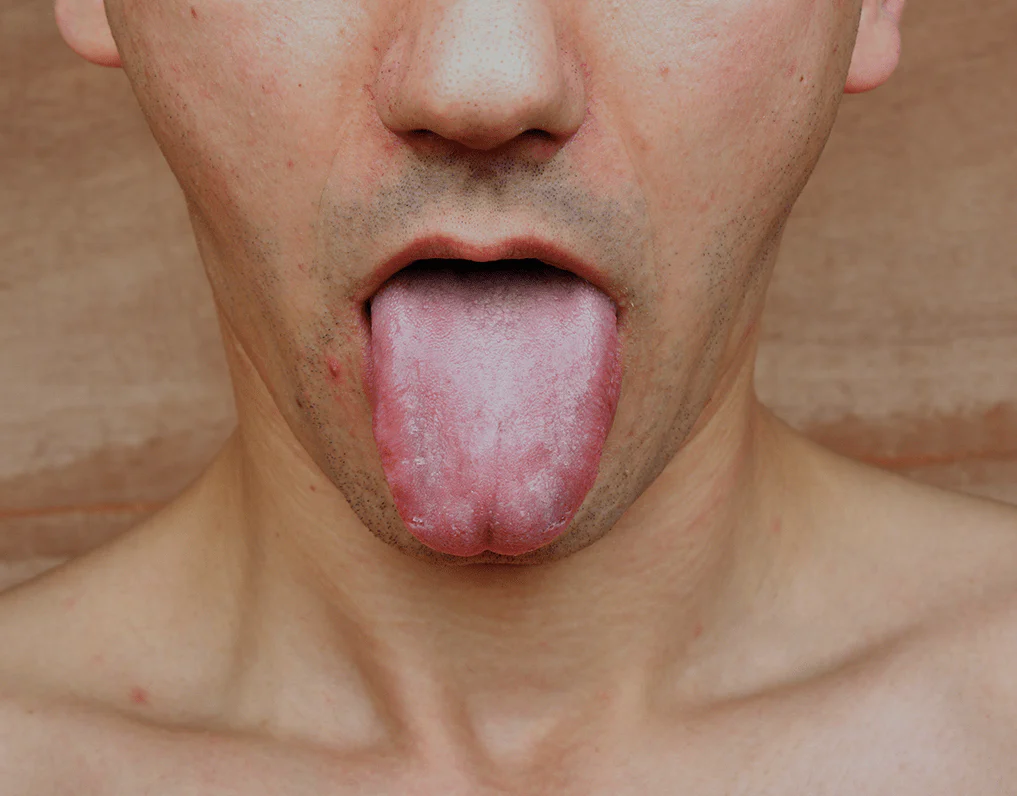
Leukoplakia causes thick, white patches on the tongue or inside the mouth that cannot be scraped or wiped off. Unlike the coating from poor hygiene or thrush, leukoplakia patches are firmly attached to the tissue beneath them.
It is strongly linked to tobacco use — both smoking and chewing — as well as heavy alcohol consumption. While most cases of leukoplakia are benign, some patches are considered precancerous and can progress to oral cancer if left unmonitored.
Any persistent white patch that cannot be removed and does not fade within two weeks should be evaluated by a dentist. A biopsy may be recommended to rule out abnormal cell changes.
Oral lichen planus is a chronic inflammatory condition that causes white, lace-like patterns inside the cheeks, on the gums, and across the tongue. The white streaks often look like a delicate web or fine lines etched onto the tissue.
The exact cause is not fully understood, but it is believed to be related to an autoimmune response. Oral lichen planus is most common in adults between 30 and 60 years of age and is not contagious.
There is no cure, but symptoms can be managed with steroidal mouthwashes, steroid sprays, and avoiding irritants. In very rare cases, oral lichen planus can lead to oral cancer, so regular dental monitoring is important.
Syphilis is a sexually transmitted infection that can cause white patches or sores in the mouth. In the secondary stage of syphilis, highly contagious white patches may appear on the tongue and inner cheeks.
These patches can look similar to oral thrush or leukoplakia, which is why a white tongue with no obvious cause should prompt a visit to a healthcare provider — especially when accompanied by other symptoms like a skin rash, fever, or swollen lymph nodes.
Syphilis is treated with antibiotics, most commonly penicillin. Early treatment is very effective and prevents the infection from progressing to more serious stages.
Tobacco — whether smoked or chewed — dries out the mouth, irritates the tongue’s surface, and reduces saliva flow. Long-term smokers can also develop hairy tongue, a condition where the papillae grow longer than normal and trap more debris, giving the tongue a dark, thickened, or whitish appearance.
Alcohol similarly dries out the oral environment and increases the risk of bacterial and fungal overgrowth. Combined tobacco and alcohol use significantly raises the risk of both leukoplakia and oral cancer.
Reducing or quitting tobacco and alcohol use is one of the most impactful steps a person can take for tongue and overall oral health.
Certain medications disrupt the natural balance of bacteria and fungi in the mouth. Antibiotics are the most common culprit — they kill off protective bacteria alongside harmful ones, creating an environment where Candida yeast can overgrow and cause oral thrush.
Inhaled corticosteroids used for asthma also increase the risk of oral thrush when patients do not rinse their mouth after using their inhaler. Antacids, antihistamines, and some blood pressure medications reduce saliva flow, contributing to white coating.
Always rinse your mouth thoroughly after using inhaled steroids, and ask your pharmacist about oral side effects when starting a new medication.
Waking up with a white tongue is very common and is usually not a cause for concern. During sleep, saliva production slows significantly, creating drier oral conditions overnight.
Mouth breathing during sleep makes this worse by drying out the tongue further. Bacteria that are normally rinsed away by saliva accumulate overnight and form a white coating by morning.
This type of white tongue typically clears up within minutes of drinking water, brushing your teeth, and cleaning your tongue. If it persists throughout the day despite good hygiene, it may indicate a deeper cause.
Psychological stress weakens the immune system, which can allow naturally occurring fungi and bacteria in the mouth to grow beyond their normal levels. This is why oral thrush sometimes appears during or after periods of intense stress, illness, or major physical changes.
Stress also contributes to dry mouth in some people, further reducing the protective effect of saliva. Managing stress through adequate sleep, regular exercise, and relaxation techniques supports immune function and reduces the risk of oral infections.
| Cause | Appearance | Scrapable? | Treatment |
|---|---|---|---|
| Poor oral hygiene | Thin white coating, full tongue | Yes | Brushing, tongue scraping, hydration |
| Dehydration / dry mouth | Pale or white tinge, full surface | Yes | Drink more water, reduce alcohol |
| Oral thrush | Thick, creamy white patches | Yes (leaves red raw area) | Antifungal medication |
| Geographic tongue | Red patches with white borders | No | Avoid triggers, manage diet |
| Leukoplakia | Thick white patches | No | Dentist evaluation, possible biopsy |
| Oral lichen planus | Lace-like white pattern | No | Steroid mouthwash, monitoring |
| Syphilis | White patches with other STI signs | Partly | Antibiotics (penicillin) |
| Tobacco use | Generalized white or hairy texture | Partly | Quit tobacco, dental evaluation |
| Medication side effects | Thrush-like coating | Yes | Rinse after inhalers, probiotics |
Most white tongue cases clear up with better hygiene and hydration within a few days. However, certain signs indicate that a dentist or doctor visit is needed without delay.
See a healthcare provider if the white coating has lasted more than two weeks despite improved oral hygiene. Seek care if the white patches cannot be wiped away, if you experience pain, burning, or soreness that interferes with eating or sleeping, or if you notice any bleeding or non-healing sores.
Additional red flags include unexplained weight loss, difficulty swallowing, a lump or swelling on the tongue, or patches that appear on the sides or underside of the tongue. These locations are more associated with oral cancer than the top surface.
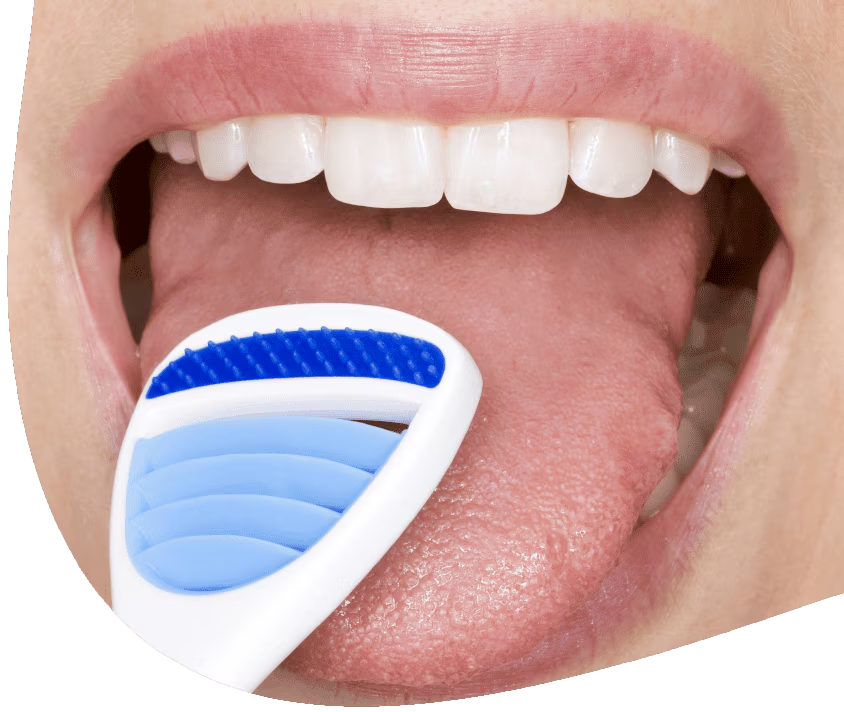
Tongue scraping is one of the most effective daily habits for preventing and treating white tongue caused by hygiene and debris buildup. A tongue scraper — made of copper or plastic — removes far more bacteria and volatile sulfur compounds than a toothbrush alone.
Use the scraper from the back of the tongue toward the front, rinsing it between passes. Studies published in the Journal of Periodontology found tongue scrapers reduce odor-causing bacteria by significantly more than toothbrushes. Scrape once in the morning and once at night for best results.
A warm saltwater rinse is a simple, low-cost remedy that reduces bacteria in the mouth, soothes inflammation, and helps loosen the white coating on the tongue.
Mix half a teaspoon of salt into a glass of warm water and swish for 30 to 60 seconds. Use this rinse once or twice daily alongside regular brushing. It is safe for most people and provides noticeable improvement within a few days of consistent use.
Drinking at least eight glasses of water throughout the day keeps saliva flowing and washes away the bacteria and debris that cause white tongue. Sipping water regularly is more effective than drinking large amounts infrequently.
Chewing sugar-free gum containing xylitol between meals also stimulates saliva production and helps maintain a cleaner oral environment throughout the day.
Baking soda neutralizes acids in the mouth and creates an environment that is less hospitable to bacteria. Mix one teaspoon of baking soda with enough water to form a paste, apply it gently to the tongue with a toothbrush, and rinse thoroughly.
Use this two to three times per week rather than daily, as overuse can be too abrasive for tongue tissue. Baking soda paste works well as a complement to regular tongue scraping and brushing.
Probiotics help restore the natural balance of bacteria and fungi in the mouth and gut. Oral thrush caused or worsened by antibiotic use responds particularly well to probiotic support.
Foods like yogurt, kefir, and fermented vegetables contain beneficial bacterial strains. Look for probiotic strains such as Lactobacillus reuteri or Lactobacillus rhamnosus, which have been studied specifically for oral health benefits. Always consult a doctor before starting supplements if you are immunocompromised.
Oil pulling is an Ayurvedic practice involving swishing a tablespoon of coconut or sesame oil in the mouth for 10 to 15 minutes before spitting it out. Proponents report that it reduces bacteria, removes debris from the tongue, and freshens breath.
While the research supporting oil pulling is still limited, it is generally safe and some people find it helpful as an additional step in their oral care routine. Do not swallow the oil after pulling, as it contains the bacteria it has removed.
| Condition | Home Treatment | Medical Treatment |
|---|---|---|
| Hygiene-related white coating | Tongue scraping, brushing, hydration | None required in most cases |
| Dry mouth | Increase water intake, sugar-free gum | Saliva substitutes, medication review |
| Oral thrush | Probiotics, oral hygiene improvement | Fluconazole or nystatin (antifungal) |
| Geographic tongue | Avoid triggers, saltwater rinse | Topical steroids if symptomatic |
| Leukoplakia | Stop tobacco and alcohol | Dentist monitoring, possible biopsy |
| Oral lichen planus | Avoid irritants, soft diet | Steroidal mouthwash, steroid spray |
| Syphilis | None (requires medical treatment) | Penicillin antibiotics |
Brushing teeth twice daily is the baseline, but preventing white tongue long-term requires going further. Clean the tongue every time you brush — either with the back of your toothbrush or a dedicated tongue scraper.
Floss once daily to reduce bacteria between the teeth that migrates to the tongue. Use an alcohol-free mouthwash to kill bacteria without drying out the mouth further.
Make a habit of drinking water consistently through the day rather than only at mealtimes. Keeping a water bottle nearby and sipping regularly maintains saliva flow and prevents the bacterial buildup that leads to tongue discoloration.
Limit alcohol, caffeinated drinks, and sugary beverages, all of which contribute to dry mouth and oral bacteria imbalance.
Tobacco use is one of the most consistent risk factors for white tongue, leukoplakia, and oral cancer. Quitting smoking or chewing tobacco is the single most impactful prevention step for people who currently use it.
Nicotine replacement therapy, prescription medications, and behavioral support programs are all effective tools for quitting. Ask your doctor about which approach suits your situation.
A diet high in sugar feeds oral bacteria and yeast, increasing the risk of white coating and fungal infection. A diet rich in fruits, vegetables, whole grains, and lean proteins supports the immune system and maintains a healthy oral microbiome.
Spicy and acidic foods can irritate the tongue surface in people with geographic tongue or oral lichen planus. Identifying and avoiding personal food triggers reduces flare-ups significantly.
Visiting a dentist every six months allows early detection of leukoplakia, oral lichen planus, and other conditions that can cause persistent white tongue. Dentists perform oral cancer screenings as part of routine checkups, examining the tongue, cheeks, gums, and throat.
Early diagnosis of any serious condition leads to far better outcomes. Do not skip routine dental visits even when you have no symptoms, as many serious oral conditions are painless in their early stages.
White tongue in infants is almost always caused by oral thrush or by milk residue coating the tongue after feeding. Milk residue typically wipes off easily with a clean damp cloth. Thrush patches do not wipe away cleanly and may cause the baby to be fussy during feeding.
If your baby has thick white patches that do not wipe away, consult a pediatrician. Oral thrush in infants is treated with antifungal drops and requires prompt care as it can spread to the mother during breastfeeding.
Older adults are at higher risk of white tongue due to reduced saliva production, more frequent medication use, and weakened immunity. Dry mouth caused by medications is especially common in this group.
Regular dental visits are particularly important for elderly adults. Many conditions causing white tongue in older patients — including oral thrush, leukoplakia, and oral lichen planus — are very manageable when detected early.
People undergoing cancer treatment or living with HIV have compromised immune systems that make oral thrush much more likely to develop and harder to control. Oral thrush in these groups can be more severe and may require longer or stronger antifungal treatment.
Any new white patches in immunocompromised individuals should be evaluated by a medical professional quickly. Proactive oral hygiene, staying hydrated, and regular dental monitoring are especially important in these situations.
Both doctors and dentists can evaluate white tongue, but knowing which to see first helps you get the right care faster.
See a dentist first if the white tongue appears to be related to oral hygiene, dry mouth, tobacco use, geographic tongue, leukoplakia, or oral lichen planus. Dentists are specially trained to identify and manage oral tissue conditions.
See a doctor or physician first if the white tongue is accompanied by systemic symptoms like fever, rash, fatigue, swollen lymph nodes, or difficulty swallowing. These signs suggest an infection or immune condition requiring broader medical evaluation.
In either case, do not wait more than two weeks if the white coating persists despite home care. Prompt evaluation gives you peace of mind and catches any serious conditions early.
A white tongue in the morning is usually caused by reduced saliva during sleep, mouth breathing, and overnight bacteria buildup. Drinking water and cleaning your tongue after waking typically clears it up within minutes.
It can be. Oral thrush is a fungal infection that causes a thick, creamy white coating on the tongue. Syphilis can also cause white patches. However, many white tongues are simply caused by dehydration or poor oral hygiene with no infection involved.
Yes. When your body lacks fluids, saliva production decreases and bacteria stick more easily to the tongue’s surface, causing a white or pale coating. Drinking more water throughout the day is one of the fastest fixes.
Oral thrush looks like thick, creamy white patches that resemble cottage cheese. When wiped, they leave a raw, red, or bleeding surface underneath. A hygiene-related white coating wipes away cleanly without irritation.
Yes, indirectly. Stress weakens immune function, which allows normally harmless oral bacteria and fungi to overgrow. Stress can also cause dry mouth, further increasing the risk of white tongue.
A hygiene or dehydration-related white tongue typically clears up within a few days of improved oral care. Infection-related white tongue requires treatment and may take one to two weeks to resolve. Patches lasting more than two weeks need professional evaluation.
The white coating itself is not contagious, but some underlying causes are. Oral thrush can spread through close contact, especially from an infected infant to a breastfeeding mother. Syphilis is a sexually transmitted infection and is very contagious.
For hygiene-related white coating, yes. A tongue scraper removes debris and bacteria effectively. However, white patches that do not scrape off — like leukoplakia or oral lichen planus — should not be forced off and need professional evaluation instead.
Yes. Tobacco dries out the mouth, irritates tongue tissue, and increases the risk of bacterial buildup and leukoplakia. Long-term smokers can also develop hairy tongue, where the papillae grow abnormally long and trap more debris.
See a dentist if the white coating lasts longer than two weeks, cannot be wiped away, causes pain or burning, is accompanied by sores, or appears alongside other symptoms like weight loss or swallowing difficulty. Early evaluation is always better than waiting.
Why is my tongue white is a question with many possible answers — and most of them are manageable.
The majority of white tongue cases come down to poor oral hygiene, mild dehydration, or temporary bacterial buildup, all of which improve quickly with consistent home care.
Tongue scraping, staying hydrated, brushing thoroughly, and cutting back on tobacco and alcohol resolve most cases within days.
However, certain causes — including oral thrush, leukoplakia, oral lichen planus, and syphilis — require professional diagnosis and treatment to resolve safely.
Pay close attention to white patches that do not wipe away, last beyond two weeks, or come with pain, sores, or swallowing problems.
Your tongue is one of the most visible indicators of your overall oral and systemic health.
Keeping it clean, hydrated, and professionally monitored in 2026 is one of the simplest investments you can make in your long-term wellbeing.