
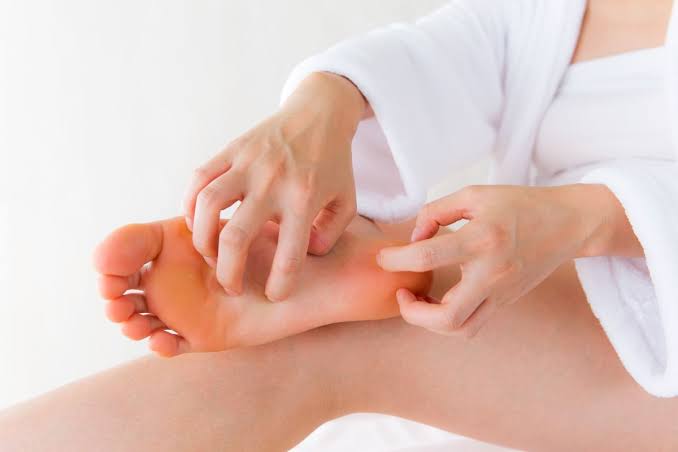
An itch on the sole of your foot is easy to ignore at first, until it starts happening every day. It can disrupt your focus, your sleep, and even how you walk.
If you’ve been asking Why Are the Bottom of My Feet Itchy? , the answer is usually simpler than you’d expect.
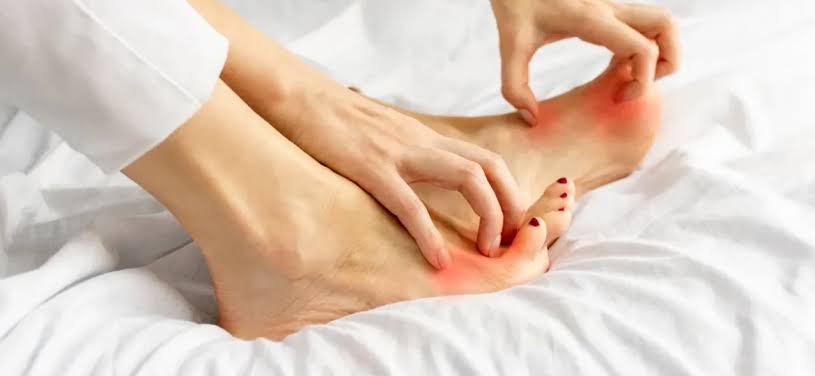
The bottom of your feet is most often itchy due to dry skin, athlete’s foot, contact dermatitis from soaps or shoe materials, or sweat trapped inside socks and shoes.
Less commonly, persistent itching can point to eczema, psoriasis, or an internal condition like diabetes or liver disease.
Feet spend most of the day enclosed in socks and shoes, creating a warm, moist environment that skin elsewhere on the body doesn’t experience.
Unlike much of your skin, the soles of your feet don’t have oil-producing sebaceous glands, which makes them more prone to dryness.
This combination of moisture, friction, and dryness makes the bottom of the feet a common hotspot for itching.
Dry skin, medically called xerosis, is one of the most frequent reasons for itchy soles, especially in colder or drier months.
Hot showers, harsh soaps, and standing on hard floors barefoot can all strip moisture from the skin over time.
Dry skin itching usually isn’t paired with strong redness or odor, which helps separate it from an infection.
Athlete’s foot is a fungal infection that thrives in warm, damp environments like locker rooms, showers, and sweaty shoes.
While it often starts between the toes, it commonly spreads to the sole and can cause scaling, redness, and persistent itching.
Over-the-counter antifungal creams typically clear mild cases within two to four weeks of consistent use.
This happens when your skin reacts to something it touched, such as new shoe materials, laundry detergent, or a skincare product.
Symptoms usually appear as itching, redness, or a rash in the exact area where contact occurred.
Identifying and avoiding the trigger is often enough to clear the irritation without further treatment.
If sweat stays trapped inside socks or shoes for hours, it can soften the skin and create ideal conditions for irritation or fungal growth.
This is especially common after exercise, long shifts on your feet, or wearing non-breathable footwear.
Switching to moisture-wicking socks and rotating shoes can significantly reduce this type of itching.
Dyshidrotic eczema causes small, intensely itchy blisters on the soles and can flare with stress, sweating, or certain metal allergies.
Plantar psoriasis appears as thick, red, scaly patches on the sole and is sometimes mistaken for athlete’s foot or dry skin.
Both conditions are chronic and typically require a dermatologist’s guidance for long-term management.
Persistent, unexplained itching on the soles can sometimes be linked to diabetes, liver disease, kidney disease, or thyroid conditions.
In these cases, itching is often caused by nerve changes or a buildup of substances in the bloodstream rather than a skin problem itself.
If itching continues despite normal-looking skin, it’s worth mentioning to your doctor.
| Cause | Key Signs | Typical Duration | Needs a Doctor? |
|---|---|---|---|
| Dry skin | Flaky, rough texture, mild itch | Days to weeks | Usually not |
| Athlete’s foot | Scaling, redness, odor, between toes | 2-4 weeks with treatment | If it doesn’t improve |
| Contact dermatitis | Itching tied to a specific product or material | A few days after removing trigger | If severe or spreading |
| Trapped sweat | Softened, irritated skin after activity | Resolves with drying habits | Rarely |
| Eczema or psoriasis | Blisters, thick scaly patches, chronic pattern | Ongoing, flares and fades | Yes |
| Internal conditions | Itch with no visible skin changes | Persistent, unexplained | Yes |
Also Read (lifestylenetworth.com)
Itching often feels worse at night because there are fewer distractions and body temperature changes can make skin conditions like dry skin or athlete’s foot more noticeable.
Yes, dry skin can cause intense, persistent itching, especially if the skin becomes cracked or is exposed to hot showers and harsh soaps regularly.
Athlete’s foot usually comes with redness, scaling, odor, or a burning sensation, while plain dry skin tends to look flaky without those additional symptoms.
Yes, sweat trapped in shoes and socks after exercise is a common and usually harmless cause of temporary itching.
Yes, contact dermatitis from shoe materials, dyes, or adhesives is a common reaction, especially with synthetic materials.
If itching persists for more than two weeks with no visible skin changes, it’s worth checking with a doctor since it can sometimes signal an internal condition.
Yes, diabetes can lead to nerve changes and dry skin that both contribute to persistent foot itching.
Scratching can break the skin, increase irritation, and raise the risk of infection, so it’s best to use moisturizer or antifungal treatment instead.
With consistent antifungal treatment, most mild cases improve within two to four weeks.
Yes, stress is a known trigger for flare-ups of eczema, including the type that affects the soles of the feet.
Daily moisturizing, cool oatmeal soaks, breathable socks, and antifungal cream for suspected infections are common effective home remedies.
Yes, allergic reactions to soaps, detergents, or certain fabrics can cause itching specifically where the allergen made contact with the skin.
The soles lack oil-producing glands and are constantly exposed to friction and moisture from shoes, making them more prone to localized itching.
Yes, plantar psoriasis specifically affects the soles and can appear as thick, scaly, sometimes cracked patches.
Trying an antifungal cream for one to two weeks is generally low-risk, but if there’s no improvement, it’s best to see a doctor to rule out other causes.
Itchy soles almost always come down to a short list of causes: dry skin, athlete’s foot, contact irritation, or trapped sweat.
Paying attention to what the itch looks like, when it happens, and what triggers it makes it far easier to find the right fix.
If the itch sticks around, worsens, or shows up without any visible skin changes, a quick doctor’s visit can rule out anything more serious.