
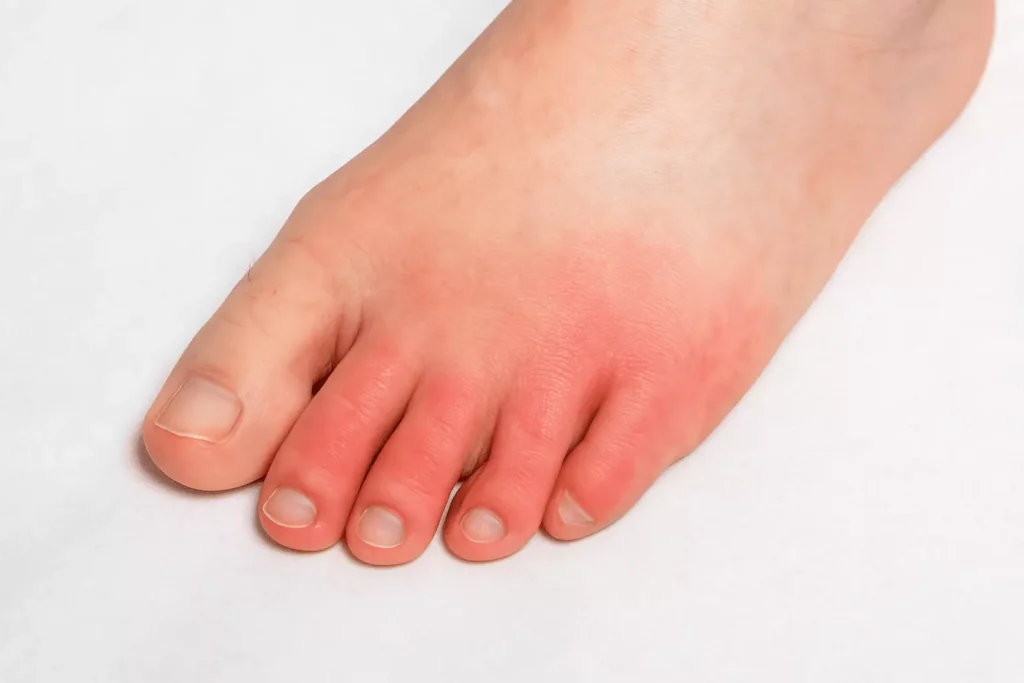
Why are the bottoms of my feet red is a question more people ask than you might expect — and the answer is rarely straightforward.
Red soles can be caused by anything from a simple allergic reaction or too much time on your feet, all the way to serious circulatory conditions that need medical attention.
Most cases are benign and easy to treat at home. But some causes require a doctor’s visit as soon as possible.
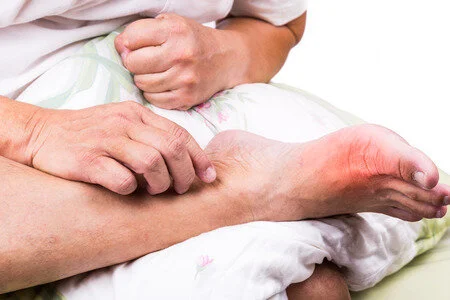
Redness on the soles of the feet is an extremely common complaint seen by podiatrists, general practitioners, and dermatologists alike.
The feet endure more daily stress than almost any other part of the body. They carry your full body weight, absorb constant impact, and are exposed to heat, friction, footwear pressure, and environmental irritants every single day.
Given that combination, it is no surprise that the skin on the bottom of your feet is prone to inflammation, discoloration, and redness.
Understanding the cause is the only way to treat it correctly. Here are the most medically recognized reasons the soles of your feet turn red.
Athlete’s foot is a fungal infection and one of the most frequent causes of redness on the soles and between the toes.
It thrives in warm, moist environments — gym locker rooms, communal showers, and sweaty shoes are all high-risk settings.
Symptoms include redness, itching, burning, peeling skin, and sometimes blisters. It does not resolve on its own and requires antifungal treatment, either over the counter or prescription.
Contact dermatitis occurs when the skin reacts to something it touches — shoe materials, sock dyes, laundry detergent, or skincare products are common triggers.
Two types exist: irritant contact dermatitis (from harsh chemicals) and allergic contact dermatitis (from allergens like latex, rubber, or nickel).
Both produce red, itchy, sometimes blistered skin on the sole. Removing the trigger and using hydrocortisone cream usually clears it up within a few days.
Plantar psoriasis is an autoimmune skin condition that affects the soles of the feet in roughly 12–16% of people living with psoriasis.
It appears as thick, red, scaly patches that can crack painfully — called fissures — and may make walking difficult.
It is often mistaken for athlete’s foot or eczema, but unlike fungal infections, psoriasis is autoimmune and requires a different treatment approach including topical steroids, light therapy, or biologics.
Dyshidrotic eczema (also called pompholyx) affects the soles of the feet and the palms of the hands. It produces intensely itchy, fluid-filled blisters alongside redness and peeling.
Triggers include stress, sweating, allergies to nickel or cobalt, and excessive contact with water.
Treatment involves cool water soaks, barrier creams, topical corticosteroids, and identifying and avoiding personal triggers.
Cellulitis is a serious bacterial skin infection that can cause sudden redness, warmth, swelling, and pain on the foot or sole.
It spreads rapidly through soft tissue and can become life-threatening if bacteria enter the bloodstream. It requires antibiotics — often urgently.
Warning signs that demand same-day medical attention: redness spreading rapidly, red streaks moving up the leg, fever above 100.4°F, or the foot feeling hot to the touch.
Erythromelalgia is a rare vascular condition involving episodic burning pain, warmth, and intense redness in the feet and sometimes the hands.
Episodes are triggered by heat, exercise, alcohol, or prolonged sitting and can last anywhere from a few minutes to several hours.
It involves abnormal dilation of small blood vessels in the skin. Unlike most causes of red feet, erythromelalgia is typically made worse by warming the feet and relieved by cooling them.
Peripheral artery disease reduces blood flow to the extremities due to narrowed arteries. It affects up to 20% of adults over age 60.
When blood flow is poor, feet can turn red, especially when lowered below heart level, because the body is trying to compensate with vessel dilation.
Other PAD symptoms include cramping or pain when walking, coldness, and slow-healing sores. This condition needs medical evaluation and management.
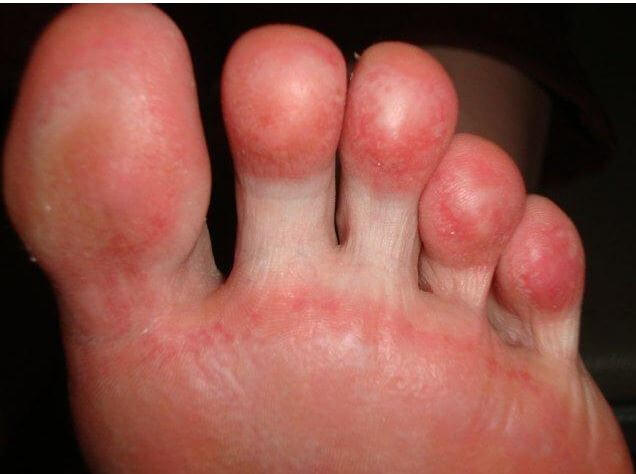
Venous insufficiency occurs when the veins in the legs struggle to send blood back up to the heart. Blood pools in the lower extremities.
This pooling causes the feet and ankles to turn red or purplish, especially after prolonged standing. The skin may also feel heavy, swollen, or achy.
Compression stockings, leg elevation, and sometimes medical procedures are used to treat venous insufficiency.
Gout is a form of inflammatory arthritis caused by a buildup of uric acid crystals in the joints. It most commonly affects the big toe but can involve the entire foot.
During a gout attack, the affected area becomes intensely red, swollen, hot, and exquisitely painful — often overnight.
Anti-inflammatory medications like NSAIDs or colchicine are used to manage acute attacks. Dietary changes and medications like allopurinol help prevent future episodes.
Plantar fasciitis, the most common cause of heel pain, involves inflammation of the thick band of tissue running along the bottom of the foot.
In acute phases, the inflamed tissue can cause visible redness along the sole, particularly near the heel where the fascia attaches.
Treatment includes stretching, ice, supportive footwear, and physical therapy. Severe cases may require corticosteroid injections.
Raynaud’s phenomenon causes blood vessels in the extremities to overreact to cold temperatures or stress, restricting blood flow.
The classic pattern is toes or feet turning white or blue during restriction, then turning red as circulation returns — often with burning or tingling.
It affects 3–5% of the population and is managed through warmth, stress reduction, and in moderate-to-severe cases, vasodilating medications.
One of the simplest causes: prolonged standing, walking, or running on hard surfaces causes increased blood flow and minor inflammation in the soles.
After a long day on your feet, redness from pressure and circulatory activity is completely normal and usually resolves with rest and elevation.
Wearing unsupportive or ill-fitting shoes worsens this by compressing blood vessels and increasing friction against the sole.
Colored dyes in socks, tights, or shoes can bleed onto the soles and be mistaken for a skin problem.
This is a common and harmless cause. Washing the feet thoroughly often resolves it immediately.
If the color comes off with washing and no other symptoms are present, dye transfer is the likely explanation.
| Cause | Main Symptom | Redness Type | Itching | Pain | Urgency |
|---|---|---|---|---|---|
| Athlete’s Foot | Itching, peeling | Patchy, between toes | Yes | Mild | Low |
| Contact Dermatitis | Itchy rash, blisters | Localized, flat | Yes | Mild | Low |
| Plantar Psoriasis | Thick scaly patches | Red plaques | Mild | Moderate | Low |
| Dyshidrotic Eczema | Blisters, peeling | Diffuse | Severe | Moderate | Low |
| Cellulitis | Swelling, warmth, fever | Spreading, bright red | No | Severe | URGENT |
| Erythromelalgia | Burning, heat episodes | Intense red, episodic | No | Burning | Moderate |
| PAD | Cramping, coldness | Dependent redness | No | Moderate | High |
| Venous Insufficiency | Swelling, heaviness | Purplish-red | No | Dull | Moderate |
| Gout | Hot swollen joint | Intense red, localized | No | Severe | High |
| Plantar Fasciitis | Heel pain, stiffness | Mild heel redness | No | Moderate | Low |
| Raynaud’s | Color changes, tingling | Red after white/blue | No | Burning | Moderate |
| Heat/Pressure | Fatigue, aching | Even, diffuse | No | Mild | Very Low |
The pattern, location, and character of redness can narrow down the cause significantly.
Bright red spreading redness with warmth and swelling — think infection (cellulitis) or acute gout. Needs prompt attention.
Patchy redness between toes and on sole with itching — classic athlete’s foot pattern. Treat with antifungals.
Thick red scaly plaques on sole — plantar psoriasis or severe contact dermatitis. See a dermatologist.
Episodic intense redness with burning, worsened by heat — erythromelalgia. Needs vascular or neurology referral.
Redness worse when standing, better when elevated — venous insufficiency or PAD. Circulatory evaluation needed.
Mottled or livedo reticularis (net-like) redness — may indicate vascular or autoimmune conditions. See a doctor.
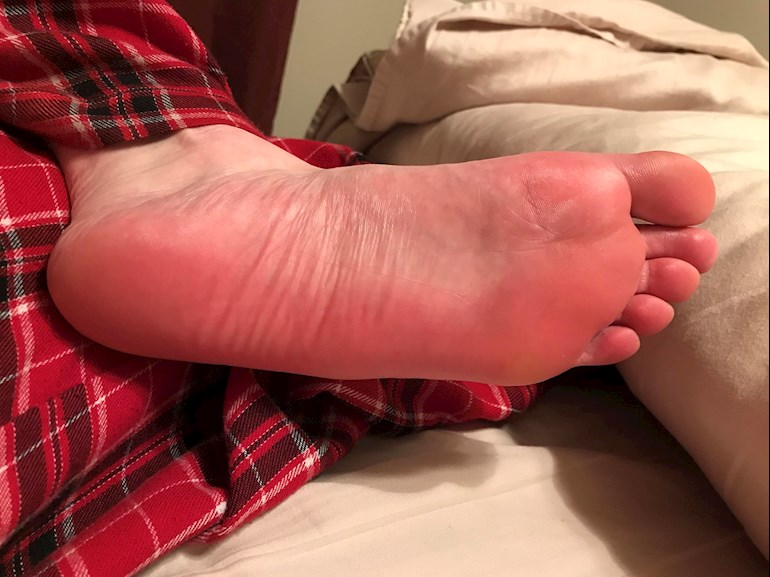
Certain individuals are at higher risk of developing redness on the soles of the feet. Knowing your risk factors helps you take preventive steps.
Diabetes. People with diabetes have 15–25 times higher risk of foot complications. Any persistent redness lasting more than 2–3 days should be evaluated by a healthcare professional.
Obesity. Increased body weight multiplies pressure on the soles with every step, raising the risk of inflammation, plantar fasciitis, and circulatory issues.
Older age. Peripheral artery disease, venous insufficiency, and poor skin barrier function all become more common with age.
Athletes and people who stand for long hours. High-impact activity and prolonged standing increase pressure, friction, and heat on the sole.
People with autoimmune conditions. Those with rheumatoid arthritis, lupus, or psoriasis elsewhere on the body face elevated risk of inflammatory foot redness.
People with a history of allergies. Sensitization to shoe materials, fabrics, or skin products makes contact dermatitis more likely.
For mild, non-urgent causes, a range of at-home strategies can reduce redness and provide relief.
Rest and elevate. Elevating the feet above heart level reduces blood pooling and inflammation quickly. Even 15–20 minutes significantly reduces pressure-related redness.
Cold compress. Applying a cool (not ice-cold) damp cloth to the soles for 10–15 minutes reduces inflammation and provides relief from burning.
Antifungal cream. Over-the-counter antifungals like clotrimazole or terbinafine treat athlete’s foot effectively within 2–4 weeks if used consistently.
Hydrocortisone cream. For contact dermatitis and mild eczema, 1% hydrocortisone cream reduces itching and redness. Not appropriate for fungal infections.
Hypoallergenic footwear and socks. Switching to breathable, dye-free socks and leather or canvas shoes removes common allergens and irritants.
Moisturizing. Keeping the soles moisturized with a gentle fragrance-free cream prevents cracking and maintains the skin barrier against infection.
Foot soaks. A cool water soak for 10 minutes soothes inflamed skin, especially helpful for dyshidrotic eczema and heat-related redness.
Avoid triggers. Heat, certain foods, alcohol, and tight shoes are common triggers for erythromelalgia and gout. Identifying and avoiding your personal triggers reduces episode frequency.
When self-care is not enough or the cause is medical, a range of treatments are available.
| Treatment Type | Used For | Examples |
|---|---|---|
| Oral Antibiotics | Cellulitis, bacterial infection | Cephalexin, dicloxacillin, azithromycin |
| Topical Antifungals | Athlete’s foot, ringworm | Clotrimazole, terbinafine, miconazole |
| Topical Steroids | Eczema, psoriasis, dermatitis | Hydrocortisone, triamcinolone |
| Oral NSAIDs | Gout, plantar fasciitis | Ibuprofen, naproxen |
| Colchicine | Acute gout attacks | Prescribed by physician |
| Biologics | Moderate-severe plantar psoriasis | Injection therapy, dermatologist prescribed |
| Vasodilators | Raynaud’s, erythromelalgia | Nifedipine, calcium channel blockers |
| Compression Stockings | Venous insufficiency | Medical grade 20–30 mmHg |
| Antihistamines | Contact dermatitis, allergic eczema | Cetirizine, loratadine |
Most causes of red feet are not dangerous. But certain symptoms demand urgent or emergency medical attention.
See a doctor same day or go to emergency care if:
Schedule a routine appointment if:
People with diabetes need to take redness on the soles of their feet far more seriously than the general population.
Diabetic neuropathy reduces sensation in the feet, meaning an injury, infection, or pressure ulcer can develop and worsen without the person feeling significant pain.
Diabetic peripheral artery disease reduces blood flow to the feet, slowing healing and increasing infection risk dramatically.
Any redness, sore, or discoloration on the feet of a diabetic person that does not resolve within 2–3 days should be evaluated by a podiatrist or physician. This is not optional — diabetic foot complications are a leading cause of limb amputation.
The causes of red soles differ somewhat between children and adults, and it is worth knowing what is more common in each group.
In children, hand foot and mouth disease — a viral infection — is a frequent cause of red spots and blisters on the palms and soles. It is contagious but typically resolves in 7–10 days.
In adults, chronic conditions like venous insufficiency, PAD, gout, and psoriasis become increasingly common with age.
In both groups, athlete’s foot, contact dermatitis, and physical pressure are extremely common causes of sole redness regardless of age.
The wrong footwear is one of the most under-recognized causes of red, irritated feet.
Tight shoes compress blood vessels and create friction against the sole, causing localized redness and inflammation. High heels shift body weight forward, increasing pressure on the ball of the foot and toes.
Rubber or synthetic shoe materials trap heat and moisture, creating a warm environment where fungal infections thrive. Certain shoe dyes and adhesives are common allergens.
Switching to well-fitted, breathable footwear with good arch support and natural materials significantly reduces the risk of most non-medical causes of red feet.
Prevention is far easier than treatment. These habits protect the health of the soles of your feet.
Keep feet clean and dry. Wash and dry feet thoroughly daily, paying special attention to between the toes where moisture accumulates and fungal infections start.
Wear moisture-wicking socks. Synthetic or wool performance socks pull moisture away from the skin. Avoid 100% cotton socks during high-activity periods as they hold moisture.
Replace shoes regularly. Worn-out shoes lose cushioning and support, increasing sole pressure. Athletic shoes should be replaced every 300–500 miles.
Rotate footwear. Wearing the same shoes daily does not allow them to dry fully between uses. Rotating two or three pairs allows each to dry completely.
Do not walk barefoot in public. Locker rooms, pool decks, and communal showers are high-risk environments for fungal infections like athlete’s foot.
Inspect your feet regularly. Especially if you have diabetes, checking the soles daily for redness, sores, or blisters allows early detection before problems escalate.
Manage underlying health conditions. Controlling blood sugar, cholesterol, and uric acid levels reduces the risk of diabetes-related foot complications, PAD, and gout.
| Symptom Pattern | Most Likely Cause | Action |
|---|---|---|
| Itching + peeling between toes and sole | Athlete’s foot | OTC antifungal cream |
| Red itchy rash after new shoes or socks | Contact dermatitis | Remove trigger, hydrocortisone |
| Thick scaly red patches on sole | Plantar psoriasis | See dermatologist |
| Blistery, itchy redness on sole | Dyshidrotic eczema | Cool soaks, topical steroid |
| Rapid spreading redness + fever | Cellulitis | Emergency care NOW |
| Burning red feet worse in heat, better when cooled | Erythromelalgia | See vascular specialist |
| Redness when standing, improves with legs raised | Venous insufficiency | Compression stockings, GP visit |
| Sudden severe red swollen big toe or foot | Gout | NSAIDs, GP or rheumatologist |
| Redness + cramping when walking, better with rest | Peripheral artery disease | Vascular specialist |
| Red feet after long walk, no other symptoms | Pressure/heat response | Rest, elevation, cold compress |
Beyond treating the immediate cause, certain lifestyle changes reduce the frequency and severity of recurring red feet.
Losing excess body weight reduces mechanical stress on the soles with every step and lowers systemic inflammation that drives conditions like gout and plantar fasciitis.
Staying well hydrated keeps skin supple and helps maintain healthy circulation to the extremities.
Regular low-impact exercise like walking or swimming improves venous return from the legs, reduces venous insufficiency, and supports cardiovascular health — all of which benefit foot circulation.
Reducing alcohol intake lowers uric acid levels (helping with gout) and reduces vascular reactivity (helping with erythromelalgia).
Eating an anti-inflammatory diet rich in vegetables, whole grains, and omega-3 fatty acids reduces the systemic inflammation that drives many chronic foot conditions.
Erythromelalgia deserves special attention because it is frequently missed and misdiagnosed for years.
It is a rare disorder in which small arteries in the feet periodically dilate, causing burning pain, heat, and bright redness. Episodes can last minutes to hours.
Unlike most foot conditions, it is made dramatically worse by heat and dramatically better by cooling the feet. Many patients sleep with their feet outside the blankets or use fans directed at their feet.
Triggers include warmth, exercise, alcohol, spicy food, and stress. It can be primary (no known cause) or secondary to conditions like polycythemia vera, multiple sclerosis, or diabetic neuropathy.
If you experience recurring episodes of burning red feet that improve with cooling, see a vascular specialist or neurologist. This condition is manageable once properly diagnosed.
Red, itchy soles most commonly indicate athlete’s foot (a fungal infection) or contact dermatitis from shoe or sock materials. Treat with antifungal cream for fungal causes, or hydrocortisone and allergen removal for dermatitis.
Non-itchy redness on the sole can indicate physical pressure from prolonged standing, venous insufficiency, erythromelalgia, gout, or peripheral artery disease. If redness persists more than a week or comes with pain or swelling, see a doctor.
Redness with heat points to an inflammatory or vascular cause — cellulitis (infection), acute gout, or erythromelalgia. Cellulitis requires immediate antibiotics; gout needs anti-inflammatories; erythromelalgia is managed with cooling and specialist care.
Yes — prolonged standing increases blood flow and pressure in the sole, causing temporary redness and mild inflammation. Rest, elevation, and supportive footwear resolve it quickly.
Red feet can be a complication of diabetes through diabetic neuropathy or peripheral artery disease. Diabetics should treat any persistent foot redness (lasting more than 2–3 days) as a medical concern requiring professional evaluation.
Erythromelalgia causes episodes of intense burning pain, heat, and bright redness in the soles. Episodes are triggered by warmth and exercise and are relieved by cooling the feet. It can be confused with gout or infection.
Yes — tight shoes compress blood vessels, synthetic materials trap heat and moisture, and shoe dyes or rubber adhesives can trigger allergic contact dermatitis. Switching to well-fitted breathable footwear often resolves shoe-related redness.
Seek urgent care if redness is rapidly spreading, accompanied by fever, shows red streaking up the leg, or if you have diabetes and redness has persisted for more than 2–3 days. These are signs of potentially serious infection or vascular problems.
Yes — peripheral artery disease, chronic venous insufficiency, and deep vein thrombosis can all cause redness on the soles. Redness that worsens when standing and improves with elevation suggests a circulatory cause needing medical assessment.
Rest and elevate the feet, apply a cold compress, use OTC antifungal cream if fungal infection is suspected, switch to hypoallergenic footwear, and moisturize with fragrance-free cream. If redness does not improve within one week, see a doctor.
Why are the bottoms of my feet red has many answers — and finding the right one is what leads to the right treatment.
In the majority of cases, the cause is something simple and easily managed at home: a fungal infection, a reaction to shoe materials, too much time on your feet, or temporary heat-related redness.
But the soles of the feet can also reflect more serious conditions including peripheral artery disease, venous insufficiency, erythromelalgia, cellulitis, and diabetic foot complications — all of which need professional evaluation.
The key is knowing how to read the symptoms. Itching and peeling points to infection or dermatitis.
Burning that worsens with heat suggests erythromelalgia.
Rapid spreading redness with fever means go to the doctor today.
Use the tables and symptom guide in this article to identify your likely cause, start appropriate home care, and know when to seek help before the problem escalates.