
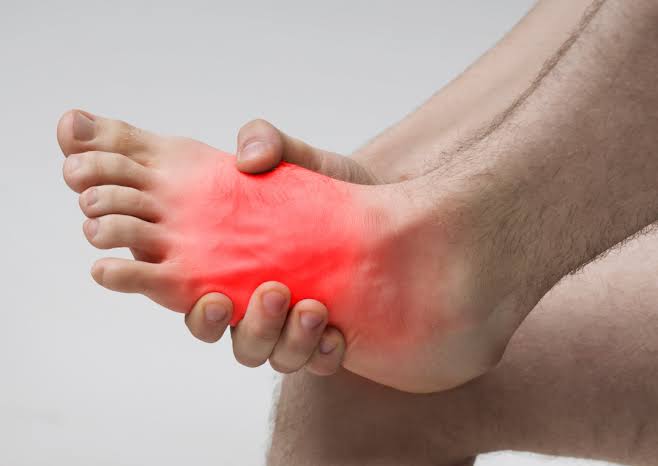
Why are my feet red? It is one of the most common foot health questions people ask, and the answer depends on what else you notice alongside the redness.
Foot redness can range from something completely harmless — like standing too long on a hot day — to a sign of a serious infection or circulatory disease.
The redness can appear on the top of the foot, the bottom, the toes, or across the entire foot.
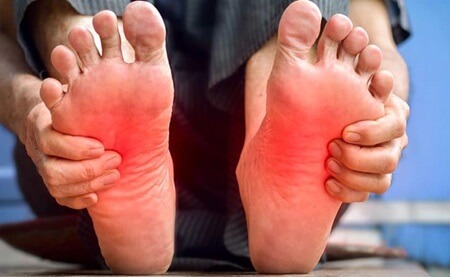
Redness in the feet happens when blood vessels near the skin surface dilate or when inflammation occurs in the tissue.
Your feet are complex structures containing bones, muscles, skin, nerves, and blood vessels — all of which can be affected in ways that cause redness. The redness may develop suddenly or gradually, may be constant or come and go, and may or may not be painful.
Understanding the pattern of your redness is the first step toward identifying the cause.
Not all red feet look or feel the same. The characteristics of the redness point toward the cause.
| Pattern of Redness | Likely Category |
|---|---|
| Hot, swollen, spreading rapidly | Infection (cellulitis) |
| Itchy, scaly, between toes | Fungal infection (athlete’s foot) |
| Burning episodes triggered by heat | Erythromelalgia |
| Redness when foot hangs down, goes pale when raised | Peripheral Artery Disease |
| Redness with swelling in ankles, worse at end of day | Venous insufficiency |
| Sudden intense pain in big toe with redness | Gout |
| Red, flaky patches with silvery scale | Psoriasis |
| Red, itchy rash after new shoes or soap | Contact dermatitis |
Athlete’s foot is a fungal infection and one of the most frequent causes of red feet.
The fungus Tinea pedis thrives in warm, moist environments like sweaty shoes and gym locker rooms. It typically starts between the toes and spreads to the soles, top of the foot, or even the toenails.
Symptoms of athlete’s foot:
Treatment: Over-the-counter antifungal creams, sprays, or powders like clotrimazole or terbinafine usually clear it up within 2 to 4 weeks. Keep feet dry, change socks daily, and avoid walking barefoot in public areas.
Cellulitis is a serious bacterial infection of the skin and underlying tissue that causes significant redness.
Bacteria — most commonly Streptococcus or Staphylococcus — enter the skin through a small cut, crack, or insect bite. The infected area becomes red, warm, swollen, and painful very quickly.
Unlike athlete’s foot, cellulitis spreads fast and can become life-threatening if it reaches the bloodstream.
Warning signs of cellulitis:
Treatment: Cellulitis requires antibiotic treatment — either oral antibiotics for mild cases or intravenous antibiotics in hospital for severe cases. Do not delay seeking medical care if you suspect cellulitis.
Contact dermatitis occurs when the skin reacts to an irritant or allergen it touches directly.
Common triggers for foot contact dermatitis include new shoes (especially synthetic materials), laundry detergents, fabric softeners, rubber or latex in socks, nail polish, and skincare products applied to the feet.
The reaction can appear hours or even days after contact with the trigger.
Symptoms of contact dermatitis:
Treatment: Identify and remove the trigger. Wash the feet gently to remove residue. Over-the-counter hydrocortisone cream reduces inflammation. Antihistamines help with itching. Calamine lotion provides cooling relief.
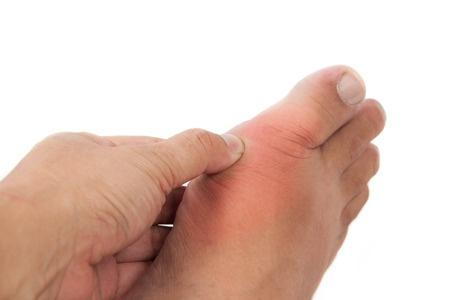
Gout is a form of inflammatory arthritis caused by a buildup of uric acid crystals in joints.
It most commonly attacks the big toe joint, causing sudden, severe redness, swelling, and pain. Gout attacks often strike at night, peak within 12 to 24 hours, and can be so painful that even the weight of a bedsheet becomes unbearable.
High-purine foods, alcohol (especially beer), dehydration, and certain medications raise uric acid levels and trigger gout attacks.
Symptoms of gout:
Treatment: NSAIDs like ibuprofen or naproxen reduce acute gout pain. Colchicine is a prescription drug that specifically targets gout inflammation. Corticosteroids work when NSAIDs can’t be used. Long-term management involves reducing uric acid through diet changes and medications like allopurinol.
Venous insufficiency happens when the valves inside the leg veins stop working properly.
Healthy veins have one-way valves that push blood back up toward the heart. When these valves are damaged or weakened, blood pools in the lower legs and feet. This pooling causes swelling, a heavy aching feeling, and persistent redness — especially after standing or sitting for long periods.
Symptoms of venous insufficiency:
Treatment: Compression stockings improve blood flow significantly. Elevating the feet above heart level reduces swelling. Regular walking strengthens the calf muscles, which act as a natural pump for the veins. Severe cases may require medical procedures.
Peripheral artery disease occurs when the arteries supplying blood to the legs and feet become narrowed due to plaque buildup.
A classic sign of PAD is called dependent rubor — the foot turns red when it hangs down and becomes pale when raised. This happens because blood can only reach the foot by gravity, so the body compensates by dilating vessels to increase flow.
PAD affects up to 20% of adults over age 60 and is more common in people with diabetes, high blood pressure, high cholesterol, or a history of smoking.
Symptoms of PAD:
Treatment: Lifestyle changes including quitting smoking, regular exercise, and a heart-healthy diet are essential. Medications include antiplatelet drugs and cholesterol-lowering drugs. Severe cases may require angioplasty, stenting, or bypass surgery.
Erythromelalgia is a rare neurovascular condition that causes episodes of intense burning pain, warmth, and redness in the feet and sometimes the hands.
The episodes are triggered by heat, exercise, prolonged standing, or warm environments. Relief typically comes from cooling the feet — many people soak their feet in cold water during attacks.
The cause is often unknown. Some cases are linked to conditions like polycythemia vera (a blood disorder), and some medications like nifedipine can trigger it. A rare hereditary form exists as well.
Symptoms of erythromelalgia:
Treatment: Cooling strategies offer immediate relief during attacks. Medications used include aspirin, gabapentin, and drugs that reduce blood vessel dilation. Identifying and treating any underlying condition helps manage the disorder long-term.
Psoriasis is an autoimmune skin condition that causes skin cells to multiply too fast, resulting in thick, scaly patches.
On the feet, psoriasis appears as red or dark pink patches, often on the soles or heels, covered with silvery-white scales. The skin may crack and bleed. Psoriasis on the feet can be confused with athlete’s foot but doesn’t respond to antifungal treatment.
Symptoms of foot psoriasis:
Treatment: Topical corticosteroid ointments reduce inflammation. Coal tar preparations slow rapid skin cell growth. Moisturizers prevent cracking. Severe cases may need phototherapy (UV light treatment) or systemic medications.
Diabetes affects circulation and nerve function, both of which show up as changes in foot color and temperature.
Poorly controlled blood sugar causes nerve damage (neuropathy), which reduces pain sensation and changes blood flow to the skin. The foot may appear red and warm even without an obvious injury. In some diabetic patients, Charcot foot — a serious condition where bones in the foot weaken and fracture — presents as a hot, red, swollen foot with little or no pain.
Diabetes-related foot warning signs:
Treatment: Tight blood sugar control is the foundation of diabetic foot care. Daily foot inspections, proper footwear, and regular podiatrist visits are essential. Any non-healing wound or sudden foot redness in a diabetic person needs immediate medical evaluation.
Prolonged sun exposure or contact with hot surfaces causes the feet to turn red.
When the skin overheats, blood vessels dilate to release heat from the body — this is why feet and skin flush red. Direct UV radiation damages the outer skin layers, causing sunburn with redness, pain, and eventually peeling.
This is one of the most temporary and benign causes of red feet, but severe sunburn on the feet can be very painful and slow to heal.
Treatment: Cool water soaks, aloe vera gel, and over-the-counter pain relievers like ibuprofen ease discomfort. Stay out of the sun while healing. Severe blistering sunburns may need medical care.
Shoes that are too tight, too narrow, or poorly cushioned compress blood vessels and create friction.
This restricts circulation and causes localized redness, blisters, and pressure sores. Prolonged standing on hard surfaces increases blood pooling in the feet, causing them to look red and feel swollen by the end of the day.
Treatment: Switch to properly fitting footwear with adequate cushioning and toe room. Take regular breaks from standing. Foot elevation reduces blood pooling. Orthotic insoles distribute pressure more evenly.
Rheumatoid arthritis (RA) is an autoimmune condition causing chronic joint inflammation throughout the body.
When RA affects the feet, it causes symmetrical redness, swelling, warmth, and stiffness in the joints — typically affecting both feet at the same time. Morning stiffness lasting more than an hour is a hallmark symptom.
Treatment: Disease-modifying antirheumatic drugs (DMARDs) like methotrexate slow the disease process. NSAIDs manage pain and inflammation. Biologics are used for moderate to severe cases. Physical therapy maintains joint function.
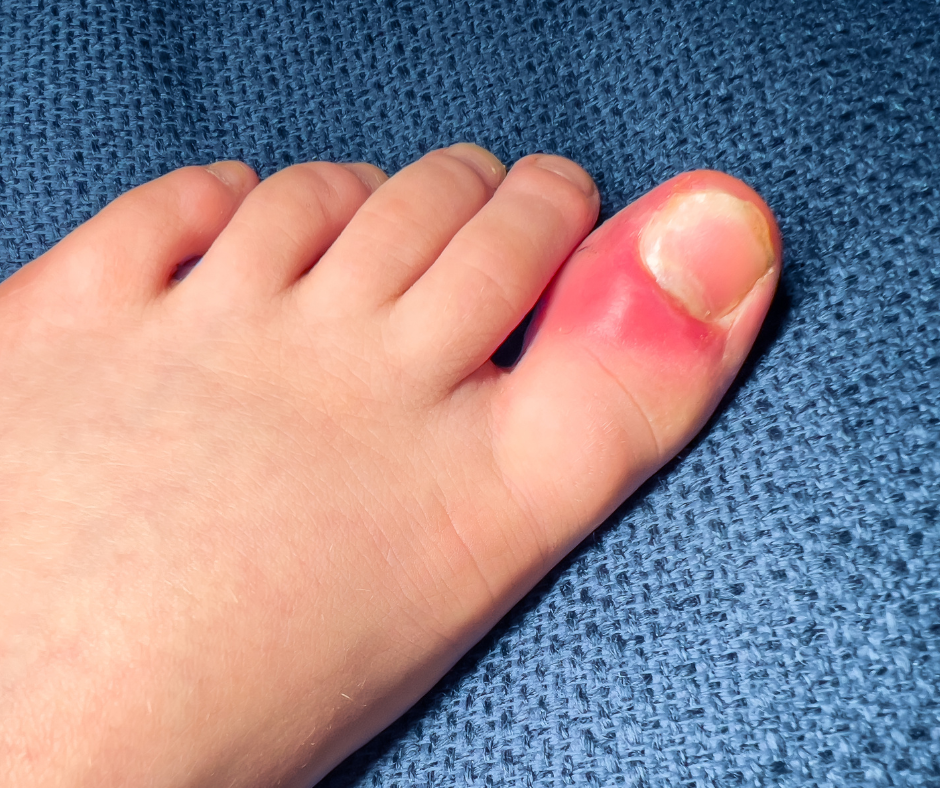
Where the redness appears on the foot often points toward the cause.
| Location of Redness | Most Likely Causes |
|---|---|
| Between the toes | Athlete’s foot, contact dermatitis |
| Bottom (soles) of the feet | Psoriasis, erythromelalgia, pressure/friction |
| Top of the foot | Cellulitis, contact dermatitis, gout |
| Around the big toe joint | Gout, bunion irritation |
| Entire foot, with swelling | Cellulitis, venous insufficiency, DVT |
| One foot only | Cellulitis, injury, DVT, PAD |
| Both feet, episodic | Erythromelalgia, venous insufficiency |
Some causes of red feet need immediate medical attention. Do not wait to see a doctor if any of these are present.
Seek emergency care if you notice:
These signs suggest cellulitis, deep vein thrombosis (DVT), or a vascular emergency — all of which can become life-threatening without prompt treatment.
For mild causes of red feet, several home remedies provide effective relief.
Elevation: Raise your feet above heart level while lying down. This reduces blood pooling and swelling. Even 20 minutes of elevation several times a day makes a noticeable difference with venous insufficiency.
Cool water soaks: Soaking feet in cool (not ice cold) water reduces inflammation and burning. This is especially helpful for heat-related redness and erythromelalgia episodes.
Proper footwear: Switch to shoes that fit correctly — no tight toe boxes, adequate arch support, and breathable materials. This alone resolves many cases of friction-related and circulation-related redness.
Keep feet clean and dry: Moisture creates the ideal environment for fungal infections. Dry feet thoroughly after washing, especially between the toes.
Over-the-counter treatments: Antifungal creams for athlete’s foot, hydrocortisone for contact dermatitis, and ibuprofen for gout-related pain all work well for their specific causes.
| Condition | Medical Treatment |
|---|---|
| Cellulitis | Oral or IV antibiotics (amoxicillin, flucloxacillin) |
| Athlete’s foot (severe) | Oral antifungal medication (terbinafine) |
| Gout | Colchicine, NSAIDs, corticosteroids, allopurinol long-term |
| Venous insufficiency | Compression therapy, sclerotherapy, vein surgery |
| PAD | Antiplatelet drugs, angioplasty, bypass surgery |
| Erythromelalgia | Aspirin, gabapentin, cooling strategies |
| Psoriasis | Topical steroids, coal tar, biologics |
| Rheumatoid arthritis | DMARDs, biologics, NSAIDs |
| Diabetic foot | Wound care, blood sugar control, specialist referral |
| Contact dermatitis | Topical steroids, antihistamines, allergen avoidance |
Preventing red feet starts with good daily habits.
Foot hygiene: Wash feet daily with mild soap and warm water. Dry thoroughly, especially between the toes, to prevent fungal growth.
Footwear choices: Always wear shoes that fit properly. Avoid synthetic materials that trap heat and moisture. Change socks daily and choose moisture-wicking fabrics.
Circulation support: Avoid sitting or standing for very long periods without movement. Take short walks, flex your ankles regularly when sitting, and elevate your legs when resting.
Diet and health management: Managing blood sugar levels in diabetes, reducing high-purine foods that trigger gout, maintaining a healthy weight, and quitting smoking all protect foot health directly.
Regular foot checks: Inspect your feet daily, especially if you have diabetes. Look for changes in skin color, new sores, swelling, or temperature differences between the two feet.
Certain groups of people are at higher risk for developing red feet.
| Risk Factor | Associated Conditions |
|---|---|
| Diabetes | Neuropathy, poor circulation, Charcot foot, cellulitis |
| Age over 60 | PAD, venous insufficiency, reduced immune response |
| Obesity | Venous insufficiency, gout, foot pressure problems |
| Smoking | PAD, reduced circulation |
| High purine diet/alcohol use | Gout |
| Walking barefoot in public | Athlete’s foot |
| Poor-fitting shoes | Contact dermatitis, blisters, pressure sores |
| History of blood clots | DVT, venous insufficiency |
You should consult a healthcare professional if:
A doctor may order blood tests to check for infection markers or uric acid levels, an ankle-brachial index (ABI) test to evaluate circulation, skin scraping or culture to confirm a fungal or bacterial infection, or imaging such as X-ray or ultrasound to check for gout crystals or deep infection.
Painless redness may point to mild venous insufficiency, contact dermatitis, heat exposure, or early athlete’s foot. It should still be monitored and evaluated if it doesn’t resolve within a week.
Red soles are most often caused by psoriasis, erythromelalgia, prolonged pressure or friction from standing, or contact with an irritant. A doctor can confirm the exact cause with a visual exam.
Yes. Venous insufficiency and peripheral artery disease both disrupt blood flow in ways that cause foot redness. PAD creates redness that appears when the foot hangs down and fades when raised.
Erythromelalgia is the most likely cause of burning, hot, red feet at night. Gout attacks also typically strike at night. Both conditions require medical evaluation to confirm.
One-sided redness and swelling can indicate cellulitis, an injury, or a blood clot (deep vein thrombosis). One-sided symptoms are more concerning than both feet being equally affected and need prompt medical review.
Yes. Diabetes causes nerve damage and poor circulation that can both change foot color. A warm, red, swollen diabetic foot with little pain may indicate Charcot foot, which is a serious emergency.
Brief redness after prolonged standing is normal as blood pools in the feet. It should resolve quickly when you sit and elevate your legs. If it persists, venous insufficiency may be the cause.
Red streaking is a medical emergency. It signals that a skin infection, likely cellulitis or a similar bacterial infection, is spreading through the lymphatic system and may be heading toward the bloodstream. Go to the emergency room immediately.
Yes. Tight, synthetic, or poorly fitting shoes cause friction, restrict blood flow, and expose skin to irritating materials — all of which cause localized redness, blisters, and contact dermatitis.
Start with antifungal cream if the redness is between the toes and itchy (likely athlete’s foot). For a rash after new shoes or products, use hydrocortisone cream and remove the trigger. If there is no clear cause, cool water soaks, elevation, and oral antihistamines help while you seek a diagnosis.
Why are my feet red — the answer is never one-size-fits-all. Red feet can be as simple as a fungal infection responding to a $10 antifungal cream, or as serious as cellulitis requiring hospital-level antibiotic treatment.
The key is to pay attention to the pattern. Where is the redness? Is it hot, itchy, painful, spreading, or episodic? Does it come with swelling, fever, or numbness?
Most causes of red feet are benign and respond well to simple treatments at home. Athlete’s foot, contact dermatitis, heat exposure, and minor circulation changes all resolve with the right care.
However, conditions like cellulitis, PAD, diabetic foot changes, and gout require professional diagnosis and targeted medical treatment. People with diabetes or vascular disease should treat any unexplained foot redness as urgent.
In 2026, the most important step is not to ignore it. Keep your feet clean, wear proper footwear, manage your overall health, and see a doctor whenever foot redness doesn’t improve or comes with concerning symptoms.