
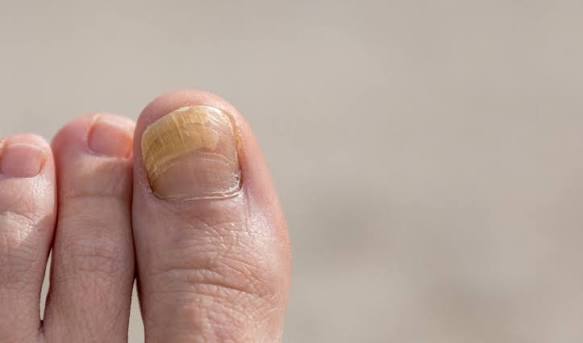
If you’ve caught yourself staring at your feet and asking “why are my toenails yellow,” you’re dealing with one of the most common nail concerns podiatrists see. Most of the time it’s harmless, like polish staining or aging, but sometimes it points to a fungal infection or an underlying condition.
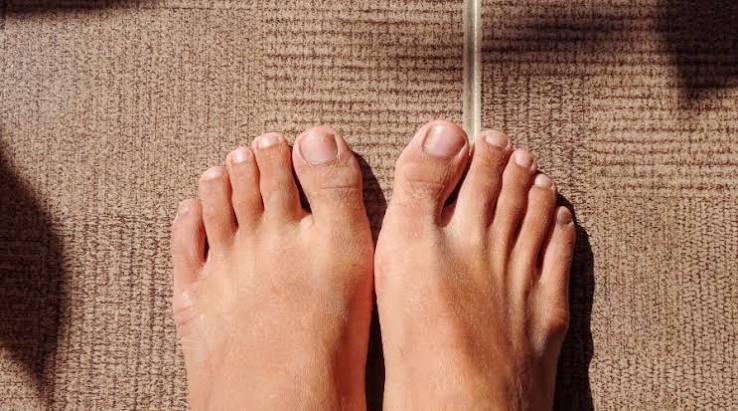
Yellow toenails are most often caused by a fungal infection called onychomycosis, though nail polish residue, aging, and reduced circulation can also turn nails yellow.
In many cases, yellowing toenails are caused by fungal nail infections, but discoloration may also result from nail trauma, thickening of the nail plate, certain medical conditions such as diabetes, or prolonged use of dark nail polish.
Knowing what’s normal makes it easier to spot a problem early. Healthy nails are clear in color and smooth, without cracks, indentations, or ridges.
Any shift away from that clear, smooth appearance is worth paying attention to, even if it seems minor at first.
This is by far the most common cause of yellow toenails. Fungal infections commonly cause toenail yellowing, and onychomycosis often occurs, affecting approximately one in ten people in America.
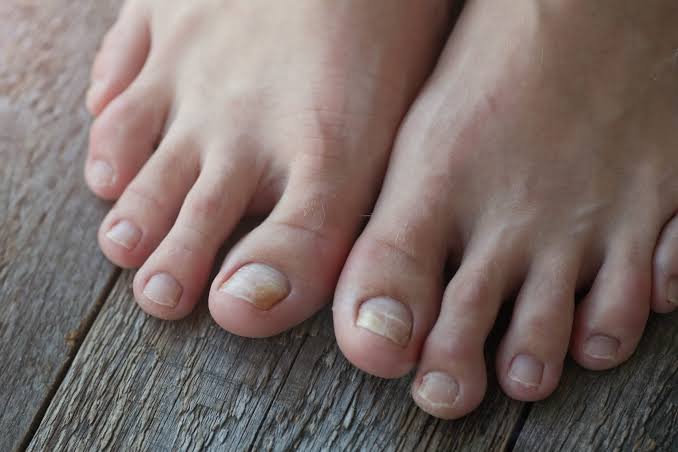
The infection tends to develop gradually. The first sign is often a yellow or white spot near the nail tip that slowly moves toward the cuticle, and nails can get thicker and feel crumbly or brittle when pressed.
Cosmetic staining is common and completely harmless. Certain color shades and frequent use of nail polish and acetone nail polish removers can cause a white-yellow staining of the nail plate, which is purely cosmetic and not harmful.
The good news is this type resolves on its own. Taking a break from painting your nails should make the yellow go away.
Nails change texture and color simply as part of getting older. Sometimes toenails naturally thicken as people get older, and combined with diminished blood supply, nails can grow more slowly, thicken, and become increasingly susceptible to infection.
A stubbed toe or dropped object can affect a nail more than expected. Even if there’s no blood or obvious bruise, the nail might still respond by thickening or turning yellow.
Blood sugar changes can subtly affect nail color. In some people with diabetes, the nails take on a yellowish hue, often related to the breakdown of sugar and its effect on the collagen in nails, and this kind of yellowing isn’t harmful on its own.
People with diabetes also face a higher infection risk. People with diabetes are more likely than those without diabetes to get a fungal infection called onychomycosis, which usually affects the toenails and causes them to turn yellow and become brittle.
This is an uncommon but more serious cause. Yellow nail syndrome is a rare disease that affects fingernails and toenails, and people with it may also develop pulmonary and lymphatic system problems.
It typically appears later in life. It can occur at any age but is typically seen in people over age 50.
Skin conditions can extend to the nails as well. If you have plaque psoriasis, you may be one of about 90% of patients who also get nail psoriasis.
Nail changes aren’t always about the nail’s surface. When an ingrown nail digs into the skin, it creates a pocket where bacteria can gather, and if things get inflamed or infected, the nail might start to discolor.
A handful of less common triggers are worth knowing about. Other possible reasons nails can turn yellow include bronchiectasis, lung infections such as tuberculosis, jaundice, certain medications, carotenoids like beta carotene, and thyroid problems.
| Feature | Fungal Infection | Nail Polish Staining |
|---|---|---|
| Nail texture | Thick, brittle, or crumbly | Normal texture |
| Pattern | Starts at the tip, spreads toward cuticle | Even yellow tint across the nail |
| Smell | May have a foul odor | No odor |
| Resolves without treatment | No | Yes, once polish use stops |
| Other symptoms | Nail lifting, distortion, pain | None |
If the nail lifts up, you’ll spot a gap underneath or a bad smell, and thick nails can make shoes feel tight or cause mild pressure when you walk.
Most yellow toenails are harmless, but a few signs warrant medical attention. The tell-tale sign of yellow nail syndrome is discolored or yellow nails along with the buildup of lymph under the skin, plus nail dysplasia, loss of the cuticle, and possible lung or sinus issues.
Anyone managing a chronic condition should pay closer attention. If you have diabetes, poor circulation, or a weak immune system, check your nails more often since infections can get worse quickly.
Soaking nails in diluted vinegar can help reduce yellowing caused by polish staining, and giving nails a break from polish speeds up the process.
| Cause | Typical Symptoms | Common Treatment |
|---|---|---|
| Fungal infection | Thick, brittle, yellow nail | Topical or oral antifungals |
| Nail polish staining | Even yellow tint, normal texture | No treatment, grows out |
| Aging | Gradual thickening and dulling | Moisturizing, proper footwear |
| Diabetes-related | Yellow tint, higher infection risk | Blood sugar management, monitoring |
| Yellow nail syndrome | Thick, slow-growing, curved nails | Treating the underlying condition |
| Psoriasis | Pitted, thickened, discolored nail | Dermatologist-directed treatment |
Antifungal medications come in both topical and oral form, with oral being more effective, and because nails grow slowly, a systemic medication may need to be prescribed for at least three months to fully clear the infection.
| Approach | Pros | Cons |
|---|---|---|
| OTC topical antifungal | Easy to access, low risk | Less effective for deep infections |
| Oral antifungal medication | More effective for stubborn fungus | Requires months of use, possible side effects |
| Vinegar soaks | Free, gentle, good for staining | Doesn’t treat true fungal infections |
| Laser therapy | Non-invasive, targets fungus directly | Costly, may need multiple sessions |
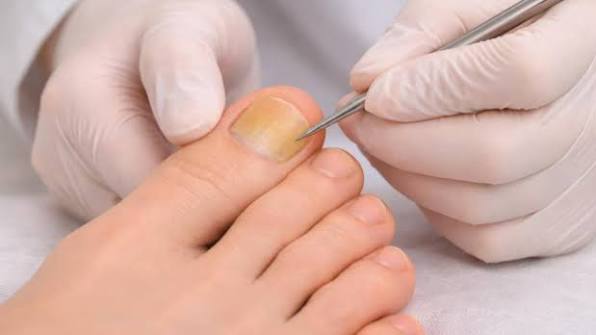
| Podiatrist nail trimming | Immediate comfort and appearance improvement | Doesn’t address the underlying cause alone |
Wearing sweat-absorbing socks and shoes in pool areas or locker rooms are simple habits that help prevent fungal infections from taking hold in the first place.
Don’t wait for pain before addressing nail changes. Discoloration might be the sign of an infection, and if you have a condition that compromises your immune system, this becomes a definite concern worth checking.
Painless yellowing is common with early-stage fungal infections, nail polish staining, or natural aging, none of which typically cause discomfort at first.
Staining from nail polish grows out on its own, but fungal infections and yellow nail syndrome usually need treatment to resolve.
Yes. Slower nail growth and reduced circulation as you age can naturally cause nails to thicken and take on a yellow tint.
Fungal nails are usually thick, brittle, or crumbly with discoloration starting at the tip, while staining is an even yellow tint with normal texture.
Yes. Blood sugar changes can affect nail collagen, and diabetes also increases the risk of fungal nail infections.
It’s a rare condition causing thick, slow-growing yellow nails, often linked to respiratory or lymphatic system issues, typically in adults over 50.
They can help with mild surface-level infections, but deeper or more advanced fungal infections often need prescription treatment.
Because nails grow slowly, treatment can take several months, and oral antifungals are usually more effective than topical options alone.
Vinegar soaks may help with mild staining or as a supportive habit, but they aren’t a proven cure for an established fungal infection.
Yes. It can spread through shared surfaces like locker room floors, nail tools, socks, and shoes.
Yes, taking a break from polish, especially dark shades, allows you to see your natural nail color and lets any staining grow out.
Yes. Reduced blood flow, common with aging or certain health conditions, can slow nail growth and contribute to yellowing and thickening.
See a podiatrist if the nail thickens, smells bad, lifts from the nail bed, spreads to other toes, or doesn’t improve with home care.
Yes. Nail psoriasis can cause pitting, thickening, and yellow-brown discoloration in people who have plaque psoriasis.
It can become more serious, since diabetes increases infection risk and can make it harder to notice or heal foot injuries.
Stress itself doesn’t directly cause yellowing, but it can weaken immune response, making fungal infections more likely to take hold.
Localized yellowing often points to a specific cause like trauma, a fungal infection starting in one nail, or repeated pressure from footwear.
Laser therapy can target and reduce fungus in the nail, allowing healthier nail growth over time, though it may require multiple sessions.
No. Many cases are simply from nail polish, aging, or minor trauma, with no infection involved at all.
A balanced diet with adequate protein, biotin, and iron supports healthy nail growth, though it won’t reverse fungal infections on its own.
Yellow toenails are usually caused by something manageable, like polish staining, aging, or a fungal infection that responds well to treatment. Paying attention to texture, smell, and how the discoloration spreads can help you figure out the likely cause.
If the yellowing is thick, painful, or doesn’t improve with home care, a podiatrist can pinpoint the exact reason and get you on the right treatment path.