
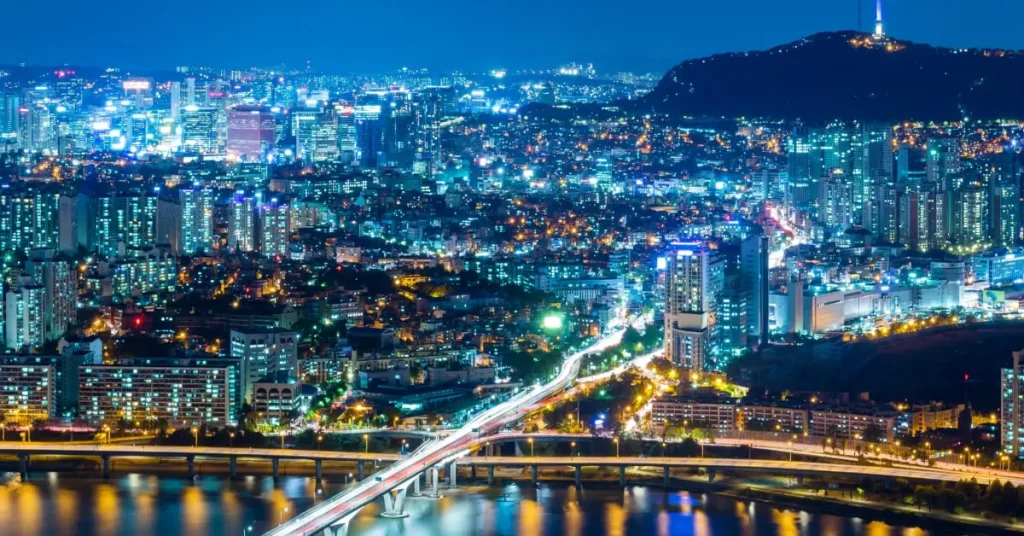
Concrete jungles are transforming. Not slowly, but urgently. Because by 2050, nearly 70% of the world’s population will live in cities, and many of those cities are already choking under their own growth.
From Jakarta sinking into the sea, to traffic in Lagos moving at less than 10 km/h during rush hour, the era of mega cities has arrived. The real question now isn’t whether we’ll keep building them—but whether we can build them to survive.
Places like São Paulo, Delhi and Cairo are reaching populations of over half a million more people in a single year. It’s more than a problem with housing—it also impacts water, food, electricity and transport.
A typical megacity spends energy at a scale closer to industry than to homes. More than 70% of Dubai’s summertime electricity goes to cooling the buildings. With scorching heat, construction workers in Mumbai are sent off the job before the morning is over. Densely populated urban centers are driving energy demand so high that digital entertainment companies, including online betting site, are now being encouraged to use less energy.
In cities such as Tehran and Mexico City, air pollution often goes above what is considered safe. Streets in Manila are blocked by floods many times each year during the monsoon season. In Bangkok, areas of the city could be underwater when sea levels raise and subsidence occurs in 30 years. Since climate change is changing cities as we see them now, urban planners cannot use it only as a future goal.
Those cities that do not welcome innovation tend to fall behind gradually. It is not only about the economy. These places become too bad to live in.
Public health relies on information technology to be successful. As temperatures soar in a heatwave, smart city sensors spot when the air is too hot or humid and warn about these conditions to assist those most vulnerable. Data collected by these systems helped Paris city officials to open shelters ahead of the severe heat, which probably saved lives, particularly in at-risk places.
It’s useful to point out the systems that have proven their value before turning to numbers. We are already seeing upgrades to transportation, the growth of clean energy hubs and digital ecosystems like MelBet India who make their systems ready to function well in urban areas affected by the climate. The following table includes actual eco-friendly solutions now in use in various mega cities.
| City | Innovation | Impact |
| Singapore | Underground logistics tunnels | Removes freight trucks from roads, cuts emissions |
| Nairobi | Solar microgrids in slums | Brings electricity without expanding the carbon footprint |
| Seoul | AI waste-sorting bins | Improves recycling rates by 30% |
| Copenhagen | District heating with seawater | Cuts winter emissions without fossil fuels |
| Medellín | Gondola public transit | Reaches poor hillside neighborhoods with clean energy |
The trend is clear: smart cities aren’t just about apps and gadgets—they’re about making life bearable for millions, sustainably.
Regardless of the kind of technology used, successful, sustainable cities are guided by the same basic principles. Experts are mostly in agreement about which areas cities should prioritize moving forward.
Every city won’t check all the boxes. But those who check none? They’ll pay the price.
It is often the case that sustainability forgets about people. The first places to receive green skyscrapers and smart sensors are business districts, not slum neighborhooods. In Rio de Janeiro, there are glossy new technologies side by side with areas that do not yet have proper sanitation. It’s not possible to keep up with that over the long term. That’s just a fake front.
Those mega cities that hope to endure the challenges ahead must consider all their populations. So, cities should make flood plans for all kinds of homes, offer solar alternatives to renters and guarantee that everyone can breathe clean air.
Some cities are moving at breakneck speed. Others are still at the first step. Missiles don’t set them apart—it is the decisions politicians take and the pressure applied by the public.
Speed is not the goal of the effort to create sustainable megacities. It’s all about not giving up. Those cities that introduce solar street lighting, like Dakar, or explore design with Bangkok’s floating architecture, will be those that survive and ensure all citizens join the change.
There’s no contest among architects involved in this process. It’s a worldwide challenge to our resilience. Every single day that goes by allows the coursework to pile up.