
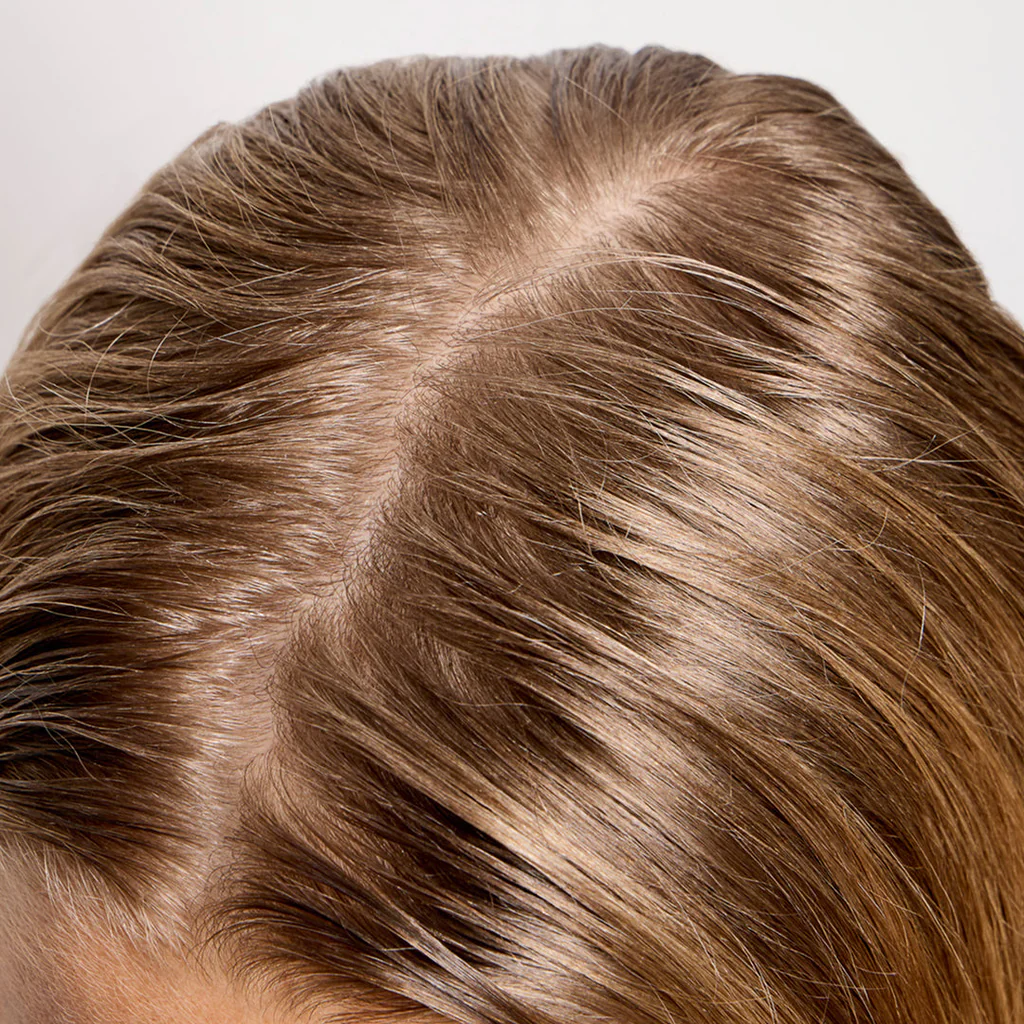
Why does my hair get greasy after one day? If you are asking this question, you are not alone — and you are not doing anything wrong with your hygiene.
Greasy hair that shows up within 24 hours of washing is one of the most common hair complaints, and the root cause almost always comes down to excess sebum production from your scalp.
Multiple factors can drive that overproduction, from the shampoo you use to your hormone levels, your diet, your hair type, and even how often you touch your hair.
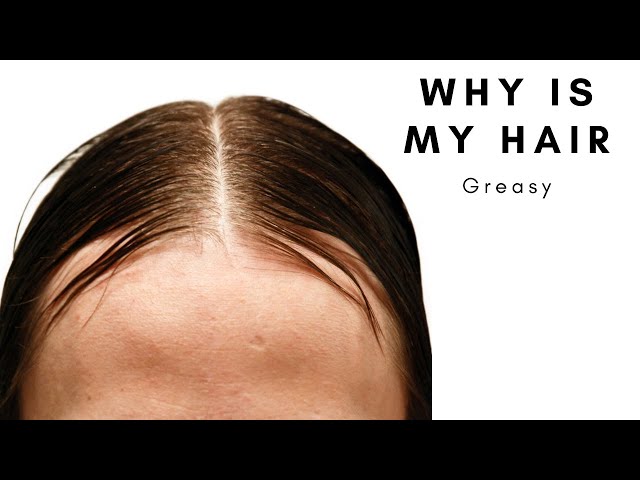
Sebum is a natural oil produced by the sebaceous glands embedded in your scalp. Every hair follicle has its own sebaceous gland attached to it, and those glands are constantly releasing sebum along the hair shaft.
Sebum is genuinely important. It moisturises your scalp, protects the outer layer of the hair shaft, and helps maintain the skin barrier on your head. The problem is not sebum itself — the problem is too much of it, produced too quickly.
When sebaceous glands become overactive, they release more sebum than your hair can comfortably absorb or distribute. That excess sits at your roots, giving your hair that limp, oily, flat appearance within hours of a wash.
Hair type plays a huge role in how quickly your hair appears greasy. The structure of the hair shaft determines how easily oil can travel from root to tip.
Straight and fine hair has the fastest oil travel. Sebum slides directly down the smooth, straight shaft with very little resistance. On fine hair, there is also less hair shaft surface area to absorb the oil, so it accumulates and shows faster.
Wavy and curly hair types slow down sebum travel. The bends and coils in the hair shaft create physical resistance, meaning oil takes longer to reach the mid-lengths and ends. This is why people with curly or coarse hair rarely complain about greasy hair the day after washing — their hair structure works against fast oil distribution.
| Hair Type | Sebum Travel Speed | Greasy After One Day Risk |
|---|---|---|
| Fine and straight | Very fast | Very high |
| Medium and straight | Fast | High |
| Wavy | Moderate | Moderate |
| Curly | Slow | Low |
| Coarse and thick | Slowest | Lowest |
One of the biggest and most frustrating causes of greasy-after-one-day hair is washing your hair too often. This sounds backwards, but the biology is straightforward.
When you shampoo your hair, you strip the scalp of its sebum. Your sebaceous glands detect that the scalp surface is suddenly dry and oil-depleted. In response, they ramp up sebum production to compensate for what was lost.
The more frequently you wash, the more aggressively your glands produce oil in response. You end up in a cycle where washing daily causes oily-by-tomorrow hair, which makes you wash again, which triggers more oil production. Breaking this cycle requires spacing out your washes — which is uncomfortable at first but effective over two to four weeks as your scalp regulates.
The shampoo you use has a direct impact on how quickly oil returns after washing. Many people use a shampoo that is either too harsh or too nourishing for their scalp type.
Shampoos containing sulfates (sodium lauryl sulfate, sodium laureth sulfate) can strip the scalp very aggressively, triggering a strong sebum rebound. Heavy, moisturising shampoos designed for dry or thick hair deposit conditioning agents at the root that add to the oily appearance on fine or straight hair types.
Shampoos containing silicones and parabens leave behind residue that coats the scalp and hair shaft. Over time this residue builds up and makes the hair look perpetually greasy even when it is not truly overproducing oil. A clarifying shampoo used once a week can reset this buildup.
Styling products — dry shampoos, leave-in conditioners, volumising sprays, hair oils, pomades, and gels — do not fully wash away with every regular shampoo. Over time, they accumulate on the scalp and along the root area.
That product residue mixes with natural sebum and creates a thick, greasy film that is much heavier and more visible than sebum alone. If you use styling products regularly and only shampoo with a regular formula, you are likely experiencing product buildup rather than pure sebum overproduction.
A clarifying shampoo once a week is the most effective way to dissolve and remove this buildup. Look for formulas with salicylic acid, charcoal, or micellar technology, which are specifically designed to cut through residue without excessively stripping the scalp.
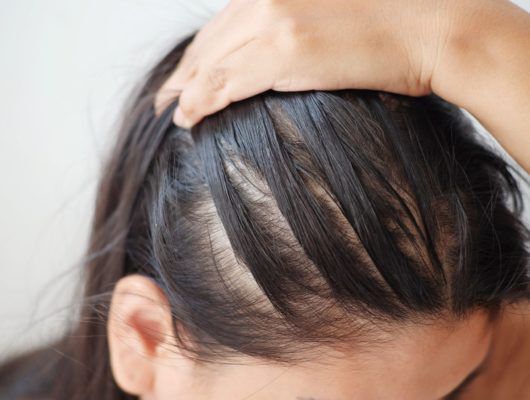
Where you apply conditioner matters enormously. Conditioner is formulated to moisturise the hair shaft — primarily the mid-lengths and ends, which are drier and more fragile from friction and environmental exposure.
When conditioner is applied directly to the scalp and roots, it deposits moisturising agents, silicones, and emollients right where sebum is already being produced. This almost always makes hair look greasy within hours of washing. The rule for oily hair is simple: apply conditioner from the ears down, never at the roots.
If your scalp is dry but your hair still gets greasy quickly, try a scalp toner or lightweight scalp serum instead of conditioner at the roots. These hydrate without adding the heavy ingredients that cause the greasy appearance.
Hormones are one of the most powerful regulators of sebaceous gland activity, and hormonal changes at various life stages directly affect how oily your scalp becomes.
During puberty, a surge in androgen hormones — particularly testosterone in both boys and girls — causes sebaceous glands across the entire body to become dramatically more active. This is why oily skin and oily hair are so common during teenage years. The scalp sebaceous glands are among the most androgen-sensitive in the body, which is why hair can become noticeably greasier seemingly overnight during this stage.
Sebum production fluctuates across the menstrual cycle in women. In the days before menstruation, progesterone and androgen levels peak while oestrogen drops. This hormonal shift directly increases sebaceous gland activity, causing the scalp to produce more oil.
Many women notice their hair becomes greasier in the week before their period, then returns to normal once menstruation begins and hormone levels shift again. This cyclical pattern of hair greasiness is completely normal and driven purely by hormonal fluctuation.
Hormonal changes during pregnancy affect different women differently. Some experience reduced oil production, while others find their hair becomes significantly greasier due to elevated oestrogen and androgen levels increasing scalp blood flow and gland activity.
Postpartum hormonal shifts can temporarily change scalp oil production in either direction — some new mothers experience sudden oiliness while others find their hair becoming drier than before pregnancy.
Stress raises cortisol levels in the body. Elevated cortisol disrupts the normal hormonal balance and can directly stimulate sebaceous gland activity. This is why many people notice their hair becomes greasier during periods of intense stress, illness, or poor sleep — all of which elevate cortisol.
Managing stress through exercise, sleep, and mindfulness practices has a measurable effect on scalp oil production over time, though this is a slower fix than adjusting your hair care routine.
What you eat directly influences how much sebum your scalp produces. This is a connection that is often overlooked but supported by clear evidence.
Diets high in refined carbohydrates and sugar cause rapid spikes in blood glucose, which in turn raise insulin levels. Elevated insulin stimulates androgen hormones, which are the primary drivers of sebaceous gland activity. Cutting back on white bread, sugary drinks, pastries, and processed snacks can measurably reduce scalp oiliness over several weeks.
Research published in dermatology literature has linked dairy consumption — particularly high-fat dairy — to increased androgen hormone levels. Androgens drive sebum production, so a high-dairy diet may contribute to a greasier scalp. This does not mean eliminating dairy entirely, but reducing it is worth experimenting with if your hair is consistently greasy.
When you are chronically dehydrated, your body compensates in various ways — one of which is the overactivation of sebaceous glands as the body tries to retain surface moisture. Staying well-hydrated supports a more balanced scalp environment.
Vitamins B2 (riboflavin) and B6 have been shown to help regulate excess sebum production. Foods rich in these nutrients include poultry, fish, eggs, milk, lentils, and leafy greens like spinach. Zinc is another key nutrient — zinc deficiency has been linked to increased sebum production and scalp inflammation.
| Dietary Factor | Effect on Scalp Oil | Food Swaps to Try |
|---|---|---|
| High sugar/refined carbs | Increases sebum via insulin/androgens | Whole grains, legumes, vegetables |
| High dairy | May increase androgens | Reduce high-fat dairy portions |
| Dehydration | Triggers compensatory oil production | 8+ glasses of water daily |
| Low zinc | Disrupts oil regulation | Pumpkin seeds, legumes, meat |
| Low B2/B6 | Impairs sebum regulation | Fish, poultry, eggs, spinach |
| Omega-3 deficiency | Increases inflammation | Salmon, flaxseeds, walnuts |
Your hands carry skin oils, environmental dirt, and bacteria. Every time you run your fingers through your hair, you are transferring those oils directly to your scalp and hair shaft.
People who habitually touch, play with, or push their hair back with their hands throughout the day will find their hair becomes greasy significantly faster than those who keep their hands away from their hair.
Over-brushing has a similar effect. A brush that reaches the scalp picks up sebum from the roots and physically distributes it along the hair shaft with every stroke. For fine, straight hair, this can make the entire length look oily within a few hours of washing.
Clean your hairbrush regularly — at minimum once a week. Product residue, dead skin cells, and oil build up in the bristles and transfer back to your freshly washed hair every time you brush.
Your pillowcase absorbs oil from your scalp and skin every night. If you sleep on the same pillowcase for more than a few days, it becomes saturated with sebum and transfers that oil directly back onto your clean hair while you sleep.
Washing your pillowcase once or twice a week is one of the simplest habits you can adopt to keep hair fresher for longer. Silk or satin pillowcases are particularly good for reducing friction on the hair shaft, but they still need regular washing.
Hairstyles worn at night also matter. Wearing your hair down allows maximum contact with the pillow. A loose braid or loose bun reduces the contact surface area and helps hair stay fresher in the morning.
Water temperature during hair washing directly affects oil production. Hot water feels satisfying in the shower but overstimulates the sebaceous glands and strips the scalp more aggressively than needed — triggering a stronger sebum rebound after washing.
Washing with lukewarm water and finishing with a cool rinse is the recommended approach for oily scalps. The cool rinse also helps seal the hair cuticle, which reduces frizz and adds shine while supporting a calmer scalp environment.
Humidity, pollution, and UV exposure all affect how quickly hair becomes greasy. In humid weather, the scalp sweats more and the hair absorbs moisture from the air, both of which accelerate the oily appearance.
Pollution particles in urban environments deposit on the scalp and hair shaft, mixing with sebum to create a heavier, more visible buildup. UV exposure from the sun causes sebum to oxidise — an unstable process that can damage both the scalp and hair while contributing to a greasy, dull appearance.
Wearing a hat in very hot or polluted weather helps protect the scalp, but note that hats trap heat and sweat close to the scalp, which can also worsen oiliness. On balance, in very high-pollution environments, a hat is still protective.
If your hair becomes greasy very quickly and you also notice flaking, itching, or redness at the scalp, you may be dealing with seborrheic dermatitis rather than simple overproduction of sebum.
Seborrheic dermatitis is a common skin condition caused partly by an overgrowth of a yeast called Malassezia, which feeds on the oils on your scalp. The yeast triggers an immune response that causes inflammation, flaking, and excessive oiliness. This is also the primary driver of dandruff.
Standard shampoos do not address the yeast overgrowth. Medicated shampoos containing zinc pyrithione, ketoconazole, selenium sulfide, salicylic acid, or coal tar are the appropriate treatment. If over-the-counter medicated shampoos do not improve the situation within four to six weeks, a dermatologist can prescribe stronger antifungal treatments.
The way you physically shampoo your hair affects how well it cleans and how quickly oil returns. Many people focus the shampoo on the lengths and ends rather than the scalp — where oil actually originates.
Apply shampoo only to the roots and scalp. Massage it in gently with your fingertips — not your nails, and not too vigorously, as aggressive scrubbing overstimulates the sebaceous glands. Allow the shampoo to rinse through the lengths as it washes out; the lengths do not need direct shampoo application.
Rinse thoroughly. Shampoo or conditioner residue left on the scalp creates a film that makes hair look greasy and dull immediately after drying.
Reduce washing to every two to three days. The first week or two will feel uncomfortable as your scalp adjusts, but oil production will begin to recalibrate. Most people see a significant improvement in how long their hair stays clean after about three to four weeks of consistent spacing.
Choose a lightweight, sulfate-free clarifying shampoo for daily or frequent use. Look for formulas labelled for oily scalps or clarifying formulas. Avoid anything labelled “moisturising,” “nourishing,” or “for dry hair” at the roots — these add moisture the scalp does not need.
Use a proper clarifying shampoo once a week to strip product buildup that regular shampoo cannot remove.
Dry shampoo is your best friend for extending the time between washes. It works by absorbing excess sebum at the roots with starch or clay particles, giving hair lift and reducing the visual appearance of grease.
Apply dry shampoo at the roots only, hold the can six to eight inches from the scalp, and let it absorb for one to two minutes before massaging in and brushing through. Do not use dry shampoo on consecutive days without a full wash — the buildup can clog follicles and worsen oiliness over time.
Apply conditioner from mid-length to the tips exclusively. Never apply conditioner to the scalp or roots. If your scalp is dry, use a lightweight scalp serum or toner formulated for the roots instead.
Use lukewarm water. Apply shampoo only to roots and scalp. Massage gently with fingertips for about a minute. Rinse thoroughly. Condition the ends only. Finish with a brief cool water rinse.
Minimise touching your hair throughout the day. Clean your hairbrush weekly. If you need to style, use a wide-tooth comb rather than a bristle brush when possible, as it distributes less oil.
Wash your pillowcase at least once a week. Sleep with your hair in a loose braid or bun to reduce direct contact with the pillow surface.
Reduce refined sugars, processed foods, and high-fat dairy. Increase foods rich in B vitamins (B2 and B6), zinc, and omega-3 fatty acids. Drink sufficient water daily. These dietary changes show results gradually over four to eight weeks.
Apple cider vinegar (ACV) is naturally acidic and has mild antifungal properties. Using an ACV rinse (one part ACV to three parts water) after shampooing can help dissolve product buildup, balance scalp pH, and discourage the Malassezia yeast that contributes to seborrheic dermatitis.
Apply to the scalp and mid-lengths, leave for one to two minutes, then rinse thoroughly. Use once a week rather than daily, as overuse can dry the hair shaft.
Most cases of greasy hair after one day are manageable with the right routine adjustments. However, some situations warrant professional evaluation.
See a dermatologist if:
Conditions like seborrheic dermatitis, scalp psoriasis, and hormonal imbalances all require proper diagnosis and targeted treatment rather than over-the-counter hair care adjustments alone.
| Cause | Why It Happens | Fix |
|---|---|---|
| Overwashing | Strips oil → scalp overcompensates | Wash every 2–3 days |
| Wrong shampoo | Too heavy or too harsh triggers rebound | Use lightweight or clarifying shampoo |
| Conditioner at roots | Deposits moisture where oil already is | Apply conditioner ends only |
| Product buildup | Residue accumulates at scalp | Clarifying shampoo weekly |
| Fine/straight hair | Oil travels fast down shaft | Manage routine, not cure |
| Hormonal fluctuation | Androgens drive sebum production | Cycle-aware routine, doctor if severe |
| High-sugar diet | Raises insulin and androgens | Reduce refined sugar and dairy |
| Touching hair | Transfers hand oils to scalp | Keep hands away |
| Dirty pillowcase | Redeposits oil onto clean hair | Wash weekly, silk pillowcase |
| Hot water washing | Overstimulates sebaceous glands | Lukewarm water, cool rinse |
| Seborrheic dermatitis | Yeast overgrowth drives oiliness | Medicated anti-dandruff shampoo |
Daily washing triggers a rebound effect — the scalp overproduces sebum to replace what was stripped. Spacing washes to every two to three days breaks this cycle and allows sebum production to self-regulate over two to four weeks.
For most people, yes. Daily washing with most shampoos strips the scalp, causing compensatory oil production. If you genuinely need to wash daily, use a very mild, pH-balanced shampoo formulated specifically for daily use and always avoid the ends.
Yes. High-sugar, high-glycaemic, and high-fat dairy diets raise androgen hormones that directly stimulate sebum production. Cutting back on refined sugars and increasing B vitamins and zinc in your diet can visibly reduce scalp oiliness over four to eight weeks.
Your scalp produces sebum continuously, including while you sleep. Your pillowcase also redeposits oil onto your hair. Sleeping on a freshly washed pillowcase and wearing your hair in a loose braid can make a noticeable difference to morning greasiness.
If overused, yes. Dry shampoo absorbs oil but leaves a starch or clay residue on the scalp that builds up with repeated use. Use it only as a temporary fix between washes and always follow with a thorough clarifying wash at least once a week.
This is a very common pattern called oily scalp with dry ends. Sebum is produced at the scalp and does not always reach the ends of longer hair. Shampoo only at the roots and condition only at the ends to manage both issues at once.
Yes. Stress elevates cortisol, which disrupts hormone balance and stimulates sebaceous gland activity. People often notice their hair becoming noticeably oilier during high-stress periods. Managing stress through sleep, exercise, and relaxation practices helps over time.
It can be. If greasiness is accompanied by scalp itching, flaking, redness, or irritation, seborrheic dermatitis — driven by Malassezia yeast overgrowth — may be involved. Medicated shampoos containing zinc pyrithione, ketoconazole, or salicylic acid are the appropriate treatment.
Yes significantly. Fine and straight hair gets greasy fastest because oil travels unobstructed down the smooth shaft with little absorption. Curly and coarse hair types experience much slower oil distribution, making next-day greasiness far less common.
See a dermatologist if greasiness came on suddenly without a lifestyle change, if it is accompanied by scalp inflammation or hair loss, or if medicated shampoos and routine adjustments have not improved the situation after six to eight weeks of consistent effort.
Why does my hair get greasy after one day? In most cases the answer is a combination of overactive sebaceous glands, a washing routine that is working against your scalp rather than with it, and one or two fixable habits like touching your hair too often or using the wrong products at the roots.
The good news is that every cause listed in this guide has a practical, accessible solution.
Start with the biggest levers — space out your washes, switch to a lightweight clarifying shampoo, keep conditioner away from your roots, and clean your pillowcase more often.
Give your scalp three to four weeks to adjust to any routine change before judging whether it is working.
Sebaceous glands respond gradually, not overnight.
If you have tried every approach and your scalp is still producing excess oil within hours of washing, a dermatologist can identify whether an underlying condition like seborrheic dermatitis or a hormonal imbalance is driving the issue and get you on the right treatment path.