
A smartphone can improve language learning because it brings practice closer to normal life. Language progress does not only come from long study sessions. It also comes from hearing words often, repeating useful phrases, saving new expressions, and reviewing mistakes before they fade. A phone helps because it stays with the learner during small gaps in the day. A bus ride can become listening time. A lunch break can become vocabulary review. A quiet evening can become pronunciation practice. The phone does not replace discipline, real conversation, or steady learning. It simply makes language practice easier to start, repeat, and connect with daily routines.
Listening is one of the easiest language skills to practice on a smartphone because it does not need a desk, notebook, or fixed schedule. Learners can play short dialogues, slow news, podcasts, songs, or pronunciation clips while walking, cleaning, commuting, or waiting. The best method is not always to listen to more content. It is often better to repeat one short clip several times. First, the learner catches the general meaning. Then, they notice sentence rhythm, linking sounds, and repeated words. A smartphone makes this repetition simple. The learner can pause, rewind, replay, and save useful audio without breaking the flow of the day.
Video helps learners connect language with facial expressions, gestures, objects, places, and situations. A sentence becomes easier to remember when the learner sees how someone uses it. Short videos work especially well because they do not overwhelm the learner. A cooking clip, travel vlog, street interview, or product explanation can teach vocabulary in context. The learner can watch once for meaning, once for keywords, and once for pronunciation. A smartphone screen makes this habit convenient. The learner can review a two-minute clip during a short break instead of waiting for a perfect study hour that may never come.
Reading does not need to begin with difficult books. A smartphone gives learners access to simple articles, captions, chat messages, menus, travel posts, lyrics, and short stories. This variety helps because real language appears in many forms. Learners can choose short texts that match their level and interest. They can highlight useful phrases, save screenshots, and copy sentences into notes. Reading on a phone also supports repeated contact. A learner may read one short paragraph in the morning and return to it at night. This slow, steady exposure helps words become familiar instead of staying as isolated items in a vocabulary list.
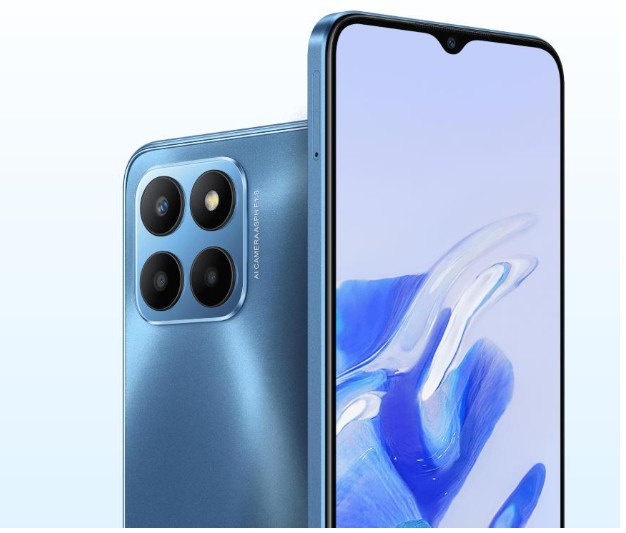
Speaking often feels difficult because learners worry about mistakes. A smartphone can reduce that pressure by giving them a private practice space. They can record themselves reading a sentence, repeating a dialogue, or explaining their day in the target language. Then they can listen back and notice unclear sounds, weak rhythm, or missing confidence. This process may feel uncomfortable at first, but it builds awareness quickly. A learner can also compare recordings from different weeks and hear progress more clearly. The HONOR X6 5G, with its 5000mAh battery, 22.5W HONOR SuperCharge, 5G support, 6.5-inch FullView Display, 90Hz refresh rate, and 50MP main camera, fits naturally into this routine because it supports listening, recording, video lessons, searches, and saved study materials throughout the day.
New words often appear when learners are not formally studying. They may see a word on a sign, hear a phrase in a video, notice an expression in a message, or find a useful sentence while reading. A smartphone helps capture these moments before they disappear. The learner can take a photo, save a screenshot, record a voice note, or type the phrase into a vocabulary app. The key is to save context, not only the word. A sentence, image, or short note makes the word easier to remember later. This turns random exposure into useful learning material and keeps vocabulary connected to real situations.
A learner can listen, watch, read, and record every day, but progress becomes clearer when review ties those actions together. A smartphone can hold vocabulary lists, phrase banks, pronunciation recordings, screenshots, and lesson notes in one place. The learner can review five words before breakfast, repeat one recorded sentence after lunch, or check saved phrases before a conversation. Small reviews help memory more than rare, overloaded sessions. The phone also makes progress visible. Completed lessons, saved notes, and improved recordings show that learning is moving forward. This matters because language learning can feel slow. Review gives the learner proof that effort is adding up.
A smartphone can improve language learning when learners use it as a daily practice system, not just as an app holder. It supports listening, video learning, reading, speaking rehearsal, vocabulary capture, and review in short, repeatable moments. This makes language exposure more frequent and less dependent on perfect study conditions. The phone cannot do the hard work for the learner. It cannot replace real speaking, patience, or consistent effort. But it can reduce friction and help practice happen more often. With clear habits and focused use, a smartphone becomes a practical language companion that supports steady progress one small session at a time.